
Why Position, Timing, and Target Choice Matter More Than Weapon Stats
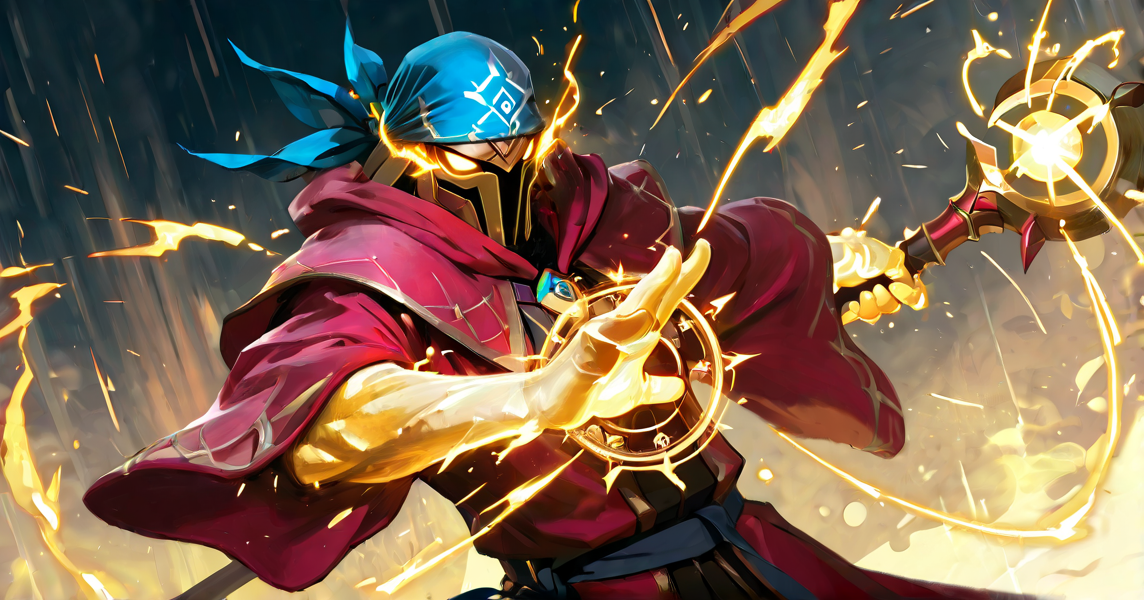
If weapon stats decided fights, every battle would be over once the biggest numbers hit the table. They aren’t. I’ve seen well-armed fools fall flat while plain steel in the right hands ends encounters early.
Most fights are won long before anyone asks how much damage a weapon does. They’re won by where you stand, when you strike, and who you choose to pressure. Miss those three, and no amount of shiny gear will save you.
This guide breaks down how smart positioning, clean timing, and ruthless target choice quietly outperform raw weapon stats in real play.
A View From the Tavern Floor
I once watched a party argue for five full minutes about whose weapon dealt more damage. Meanwhile, they were all clumped in the same narrow corridor, blockin’ each other’s movement, lettin’ enemies dictate every step.
By the time they figured it out, the fight had already decided itself.
That’s the thing about position and timing. They don’t announce themselves. They just work.
If you’ve ever wondered why some tables feel sharp and others feel like they’re swingin’ underwater, that difference lives right here.
Position Turns Average Attacks Into Real Threats

Position is pressure.
Where you stand determines who can reach you, who you can threaten, and how much freedom the enemy has left. A decent attack from a good position is often more dangerous than a strong attack from a bad one.
Standing where enemies must react to you changes the whole fight. You force movement. You force bad decisions. You create openings without rollin’ a single die.
If you want a deeper look at how placement wins fights quietly, Why Flanking Is Still the Deadliest Tactic in the Tavern digs into this exact idea without turnin’ it into a numbers lecture.
Timing Is the Difference Between Damage and Waste
Swingin’ as soon as it’s your turn isn’t always smart. Swingin’ when it matters is.
Good timing means hittin’ when an enemy is already stretched thin, distracted, or committed to the wrong move. A well-timed strike ends fights. A rushed one just adds noise.
Pay attention to the order of actions. Watch who’s about to move and who just acted. Often, waiting a breath lets your damage land when it actually changes the field.
If you’ve ever felt like fights drag on despite solid rolls, The Action Economy Goldmine: How to Squeeze Three Turns Into One explains why timing beats raw power more often than players expect.
Target Choice Wins More Fights Than Big Hits
Not all enemies deserve your attention.
Players love hittin’ the biggest threat on the board. Sometimes that’s right. Often, it’s a trap. Droppin’ a weaker enemy early reduces pressure immediately. One less foe means fewer attacks, fewer disruptions, and more control.
Smart target choice is about impact, not pride. Ask which enemy is enabling the others. Ask which one’s easiest to remove right now. Ask who becomes dangerous if ignored.
This mindset shift is covered quietly in How to Celebrate Wins That Aren’t Yours. Focusin’ on the fight instead of personal glory makes damage feel bigger across the whole party.
Bad Position Makes Good Weapons Look Weak
If you’re constantly blocked, surrounded, or forced to move before you can act, your weapon stats won’t matter. You’re spendin’ turns recoverin’ instead of applyin’ pressure.
Good positioning prevents problems before they happen. It keeps you active instead of reactive. When you choose where the fight happens, you choose how much damage actually sticks.
For players who keep findin’ themselves out of place, Stop Runnin’ Off Alone, Lad — Yer Not a One-Man Army offers a blunt reminder about shared space and shared survival.
Position, Timing, and Targets Work Together
These three aren’t separate tricks. They stack.
Good position creates better timing. Good timing opens better targets. Good target choice reinforces strong position. Miss one, and the others suffer.
That’s why fights suddenly feel easier once a table “gets it.” Nothing changed on the character sheet. Everything changed in how they read the room.
If you want examples of characters who thrive because of smart decisions rather than inflated numbers, look at Brenna Barrelgut, Ale-Sworn Shieldmaiden or Jorn the Thrice-Doomed. Both survive by playin’ the fight, not the stats.
A Quiet Reminder Before the Next Swing
📌 By me beard, lad, damage ain’t just about hittin’ hard. It’s about hittin’ smart.
👉 If you want more guides that sharpen judgment instead of bloating builds, you’ll find plenty more at Mike’s Tavern or by reachin’ out through Contact.
Closing the Ledger
Weapon stats matter. They just don’t matter first.
Where you stand decides your options. When you act decides your impact. Who you hit decides whether the fight ends clean or drags on.
📌 Steel does the swingin’, but sense decides the kill.
👉 If you’ve got questions or want to dig deeper into smarter combat habits, the answers are waitin’ over at the FAQ. Pull up a stool. The tavern’s open.
