Running Your First Campaign - What Actually Makes Players Emotionally Invested
New Game Masters often think emotional investment comes from:
massive lore
dramatic speeches
complicated plots
emotional music
shocking twists
world-ending stakes
But the truth is far simpler than that.
People become emotionally invested when the story becomes about them.
That is the secret.
The Spotlight Creates Investment
A player becomes emotionally invested the moment the campaign turns and looks directly at their character.
Not the party.
Not the kingdom.
Not the prophecy.
Them.
The old knight recognizes the fighter’s family crest.
The rogue finds evidence connected to their past.
The cleric’s god suddenly answers.
The wizard discovers a forbidden truth only they can understand.
The bard hears a song connected to their childhood.
Now the player is no longer observing the campaign.
They are inside it.
That changes everything.
Players Want to Matter
This is one of the deepest truths about tabletop games.
Players want to feel like their character matters to the world.
Not just mechanically.
Emotionally.
Narratively.
Socially.
They want moments where the table pauses and the story revolves around them for a while.
And honestly?
That is not selfishness in a bad way.
That is simply human nature.
Human beings naturally care more deeply about stories when they personally occupy the center of them.
The Secret Is Rotating the Spotlight
Now here is the important part many new GMs miss.
The spotlight cannot stay on one player forever.
A healthy table understands something important:
the spotlight moves.
Sometimes quickly.
Sometimes slowly.
Some GMs rotate focus multiple times per session.
Others prefer one major spotlight arc each session.
Both approaches can work beautifully.
The important thing is that the players trust the rotation.
Because when players trust their turn will come, they become surprisingly patient.
They support each other’s scenes more willingly.
They pay attention more closely.
They become invested in the table as a whole.
Why?
Because they understand:
“My moment is coming too.”
Players Are Strange Creatures
Humans are complicated, lad.
Fairly selfish sometimes.
Fairly selfless other times.
Players are often willing to step back and support another character’s story if they believe the table will eventually support theirs too.
That unspoken agreement is what makes great campaigns function.
The fighter helps the cleric through a painful moment today.
Later the cleric helps the rogue during a confrontation from their past.
Then the wizard finally gets their dangerous magical revelation.
The spotlight moves.
And because it moves fairly, emotional investment spreads across the whole table instead of concentrating into resentment.
Emotional Investment Comes From Participation
This is another important lesson.
Players rarely become emotionally invested through passive listening alone.
They become invested through participation.
Making choices.
Facing consequences.
Protecting people.
Failing publicly.
Winning narrowly.
Taking risks.
Sacrificing something meaningful.
The more the player feels involved in shaping events, the more emotionally attached they become.
That is why even small moments can become unforgettable.
The Table Must React to the Character
One of the fastest ways to increase emotional investment is simple:
Let the world notice the character.
NPCs remember things.
Enemies adapt.
Allies return.
Rumors spread.
Old mistakes come back.
Victories matter.
The world reacting to the character tells the player:
“You exist here.”
That feeling is powerful.
And once players feel truly seen by the campaign, they start caring far more deeply about what happens next.
Vulnerability Creates Attachment
This part gets overlooked constantly.
Players become emotionally invested when characters are allowed to be vulnerable.
Not just powerful.
Vulnerability creates emotional weight.
The fearless barbarian freezing during a nightmare.
The confident bard finally admitting fear.
The paladin struggling with doubt.
The wizard making a terrible mistake.
Perfect characters are difficult to care about.
Human characters create attachment.
Shared Emotional Moments Build Stronger Tables
One beautiful thing about tabletop gaming is that emotional investment spreads.
When one player gets a strong moment and the table supports it properly, everybody becomes more attached.
The players stop feeling like separate individuals chasing loot.
They begin feeling like a real party.
A real group.
A real story unfolding together.
That is when campaigns begin surviving longer than expected.
Emotional Investment Needs Safety Too
This is important.
Players only become emotionally vulnerable when the table feels safe enough for it.
Not “safe” in the childish sense some folk argue about online.
Safe in the sense that:
players are respected
mockery is controlled
spotlight is shared fairly
boundaries are understood
the GM is listening
people trust each other enough to participate honestly
Without that trust, emotional investment becomes difficult.
Players protect themselves emotionally instead of opening up to the campaign.
A Good Environment Helps Emotional Investment Grow
This is another hidden factor.
A noisy, stressful, uncomfortable environment weakens emotional immersion constantly.
Good campaigns breathe better in spaces where players can:
focus
relax
hear each other properly
roleplay comfortably
settle into the atmosphere naturally
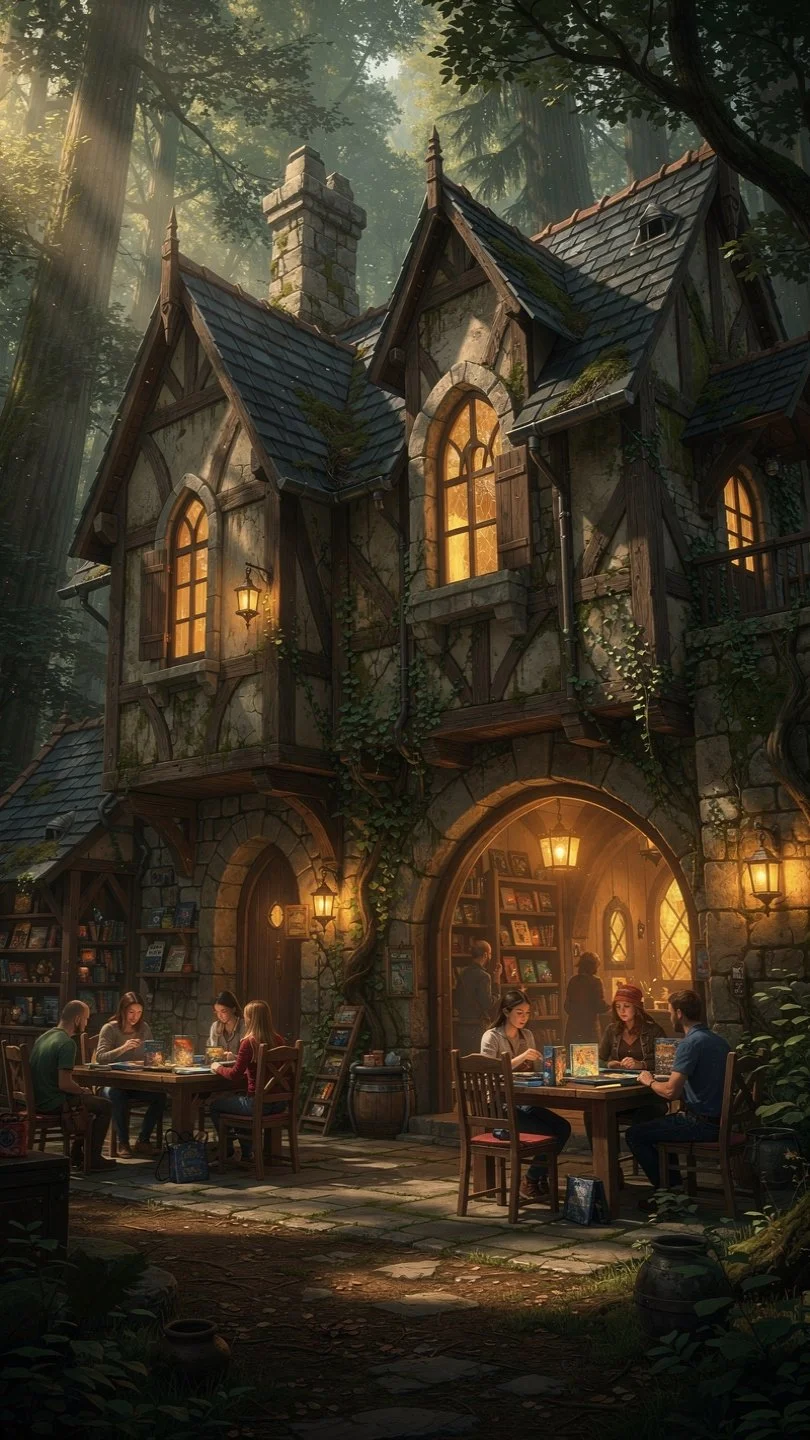
That is part of why Mike’s Tavern continues building the Tavern Network, helping adventurers discover better venues, communities, cafés, and campaign spaces where long-term storytelling can actually flourish.
If yer trying to create stronger emotional investment at the table, it is worth reading:
how the Tavern Network helps players and GMs find better tables without wasting weeks searching
what the Tavern Network can actually do before Session One begins
Because emotional storytelling survives better when the environment itself supports connection.
Final Word From the Tavern
If ya want players emotionally invested, stop trying to impress them with giant lore dumps and world-ending speeches.
Make them matter.
Give them moments where:
the story turns toward them
the table listens
their choices carry weight
their past becomes relevant
their fears become real
their victories feel earned
Then rotate the spotlight fairly.
That is the secret.
Not perfection.
Not cinematic storytelling.
Just human beings taking turns being seen.
More Tavern Goodness For Ya!