Running Your First Campaign - Why Campaigns Die When Nobody Takes Initiative
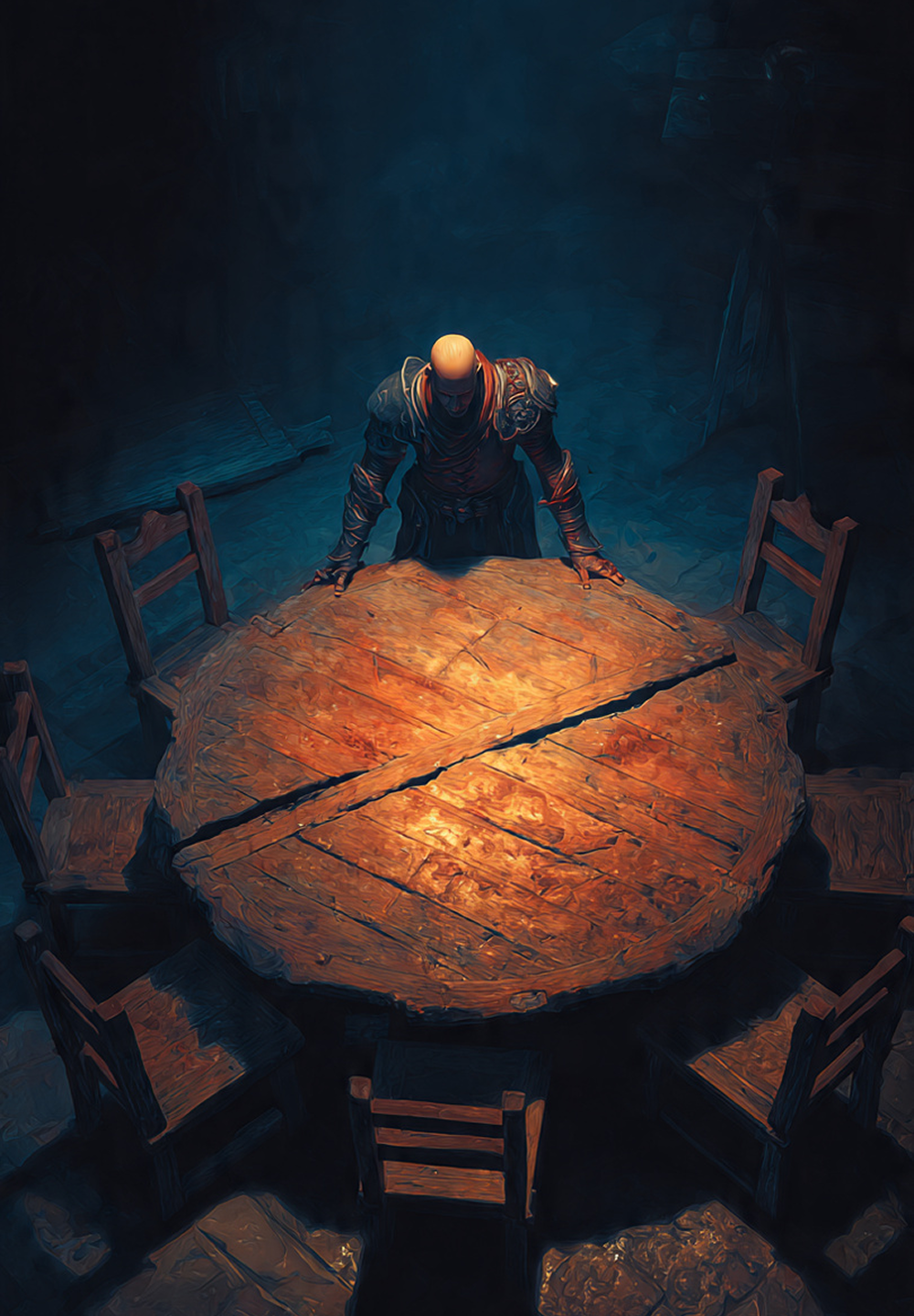
Campaigns rarely die because nobody had ideas.
They die because nobody feels responsible for carrying the story forward.
The GM waits for the players to act.
The players wait for the GM to tell them what to do.
Everybody sits there politely.
The room goes quiet.
Dice remain untouched.
And the campaign slowly turns into a corpse wearing a nice cloak.
That is what happens when nobody takes initiative.
But the real issue underneath is ownership.
Players Need to Feel Like Their Characters Belong to Them
A player must feel ownership over their character.
Not just the name.
Not just the build.
Not just the backstory.
The direction.
The choices.
The mistakes.
The victories.
The shameful nonsense they choose to do for reasons only a goblin accountant could understand.
That ownership matters.
If players feel like the GM is dragging their characters through a prewritten story, they eventually stop caring.
Why bother taking initiative if the road is already nailed to the floor?
The GM Must Follow the Player’s Lead
A good GM listens.
When a player shows interest in an NPC, notice it.
When they care about a faction, use it.
When they ask questions about a location, feed that curiosity.
When they make a strange plan, consider how the world might respond.
The GM does not need to control every desire at the table.
Sometimes the players are showing ya where the real campaign is.
And if ya are wise, ya follow.
That is not weakness.
That is good facilitation.
But the GM Is Still the Game Master
Now here is the other side of the forge.
Following the players does not mean becoming a pushover.
The GM is still the facilitator.
The referee.
The keeper of consequence.
The one who protects the shape of the game.
So yes, follow the players.
But if they go too far off the rails, take the reins back.
Not cruelly.
Not arrogantly.
Firmly.
A campaign needs freedom, but it also needs boundaries.
Without freedom, players feel trapped.
Without boundaries, nothing matters.
Railroading Kills Ownership
Railroading happens when the GM quietly steals player agency.
The players choose left, but the plot forces them right.
They spare an enemy, but the GM kills him anyway.
They try a clever solution, but it fails because the GM wanted a fight.
They ask questions, but every answer leads to the same preplanned scene.
Eventually players learn the ugly lesson:
“Our choices do not matter.”
And once that lesson sinks in, initiative dies.
Players stop leading because the GM has trained them not to bother.
Being a Pushover Also Kills the Game
But the opposite mistake is just as dangerous.
Some new GMs are so afraid of railroading that they say yes to everything.
Yes, you can steal the king’s crown with one roll.
Yes, you can intimidate the ancient dragon at Level 2.
Yes, you can invent a spell effect that solves the entire dungeon.
Yes, you can have that legendary weapon because it sounds cool.
At first, players may enjoy it.
Then the game becomes hollow.
Power without resistance loses meaning.
Victory without cost becomes boring.
And when everything is allowed, nothing feels earned.
That is when the campaign goes flat.
The Dangerous Moment
The dangerous moment comes when the players test whether the world will actually push back.
It may happen quietly.
A player tries something absurd.
Another asks for an unfair advantage.
Someone ignores obvious danger.
Someone derails the session for a joke.
Someone tries to bend the rules because “it would be cool.”
This is the moment where the GM’s answer matters.
Say no to everything, and ya crush initiative.
Say yes to everything, and ya destroy consequence.
The better answer is often:
“Ya can try, but the world will respond.”
That sentence protects both freedom and structure.
Initiative Needs Consequence
Players take initiative when they believe their choices can change things.
But those changes must include risk.
If they start a tavern brawl, maybe the guards arrive.
If they insult a noble, maybe rumors spread.
If they save a prisoner, maybe that prisoner returns later with information.
If they ignore a threat, maybe it grows worse.
Consequences teach players that action matters.
And when action matters, players act more.
Give Players Problems, Not Instructions
One way to encourage initiative is to stop giving players step-by-step orders.
Do not always say:
“Go here, talk to this person, retrieve this thing.”
Instead, give them problems.
“The merchant who hired you is lying.”
“The village is afraid of something in the well.”
“The duke wants the same relic you were sent to recover.”
“The road is blocked, and the detour belongs to bandits.”
Problems invite initiative.
Instructions invite obedience.
And campaigns die when the party only knows how to obey.
Build Ownership Into Character Stories
If ya want players to take initiative, connect the campaign to their characters.
The cleric’s old temple sends a warning.
The fighter’s rival appears in town.
The rogue recognizes a symbol from their past.
The wizard’s research becomes dangerous.
Now they have a reason to care.
Ownership creates motion.
When the story touches the character personally, the player becomes more likely to act without being pushed.
Make the Party Responsible for Something
Another strong method is to give the party something to protect.
A tavern.
A neighborhood.
A caravan.
A guildhall.
A strange child with prophetic dreams.
A little community that remembers their names.
Responsibility creates initiative.
When players feel responsible for something, they start making plans.
They check on people.
They ask questions.
They prepare.
They worry.
That worry is gold.
The Table Environment Matters Too
A good environment supports initiative.
Players speak up more easily when they can hear each other, focus properly, and feel comfortable enough to suggest ideas without shouting over noise.
That is one reason Mike’s Tavern keeps building the Tavern Network, helping players and GMs discover better places to gather, play, and keep campaigns alive.
If yer trying to build a campaign where players actually take ownership, it is worth reading:
how the Tavern Network helps players and GMs find better tables without wasting weeks searching
what the Tavern Network can do before Session One even begins
Because initiative grows better in a table where players feel present, comfortable, and heard.
Final Word From the Tavern
Campaigns die when nobody takes initiative because nobody feels ownership.
The GM must not steal the story from the players.
But the GM must also not surrender the whole tavern to chaos.
Follow the players.
Listen to what they care about.
Let their choices matter.
But keep the boundaries firm enough that victory still means something.
That is the balance.
Too much control, and the players stop trying.
Too little control, and the game loses shape.
A good campaign lives somewhere in the middle, where players hold the reins of their characters, and the GM keeps the road from collapsing beneath the wagon.
More Tavern Goodness For Ya!