Running Your First Campaign - What to Do When the Party Starts Losing Interest
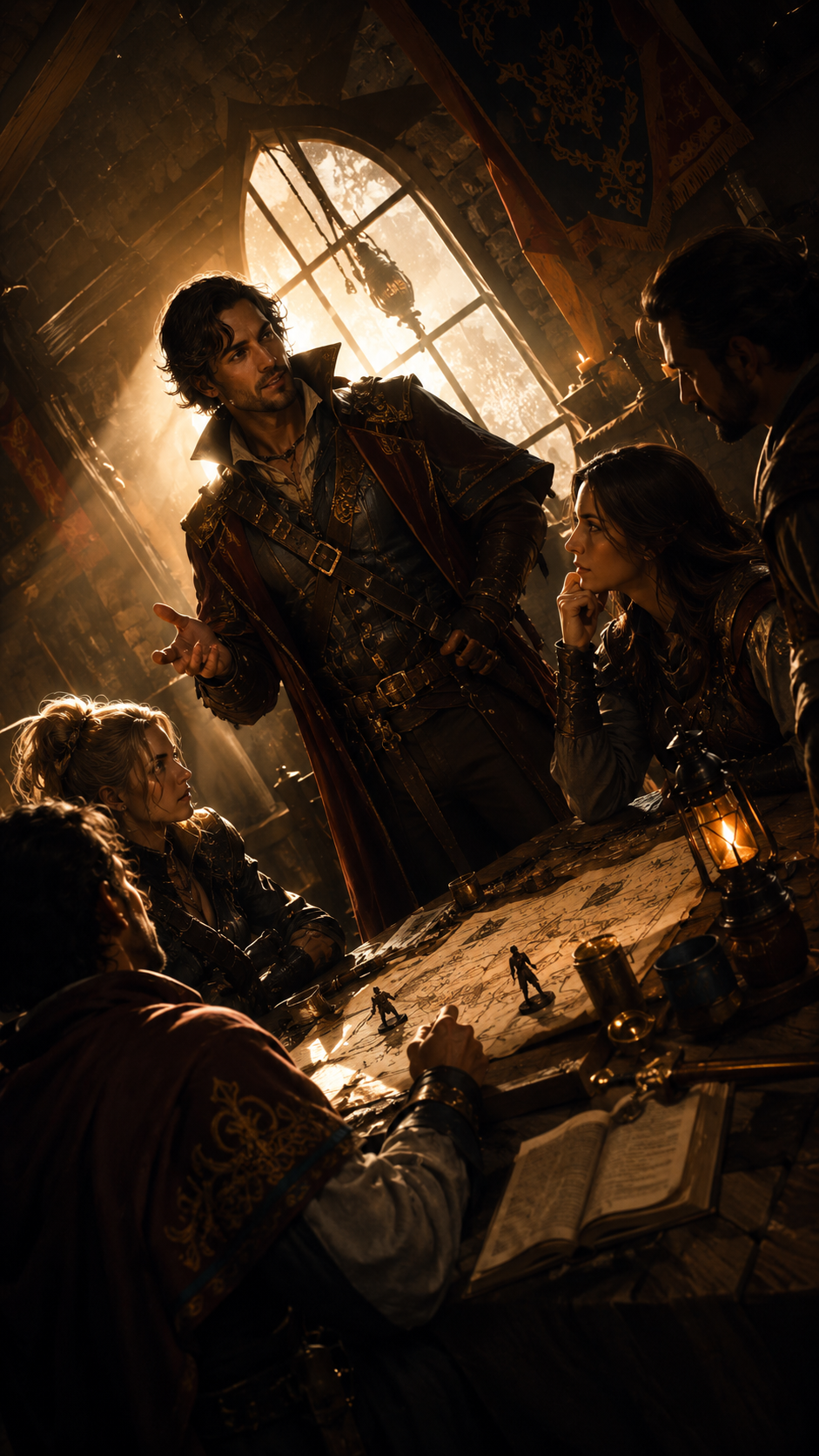
There are few things more painful for a new Game Master than watching the table slowly drift away.
Not dramatically.
Not with shouting.
Not with some grand betrayal.
Just slowly.
A player checks their phone more often.
Another stops asking questions.
Someone forgets what happened last session.
The jokes get thinner.
The silence gets heavier.
And then the GM starts thinking the worst thing a GM can think:
“Maybe I’m just bad at this.”
Now listen carefully, lad.
Maybe ya made mistakes.
That is possible.
But it is not always that simple.
Sometimes yer campaign is not bad.
Sometimes yer table is just not yer audience.
Losing Interest Does Not Always Mean Ya Failed
This is the first reality check.
Not every group will connect with yer style.
Maybe ya love slow mystery, but they want constant action.
Maybe ya enjoy dramatic NPCs, but they prefer dungeon crawling.
Maybe yer voice, humor, pacing, tone, or storytelling rhythm just does not match what they enjoy.
That does not automatically make ya a bad GM.
It may simply mean they are not yer crowd.
Every storyteller has an audience.
And every storyteller also has people who will never quite connect with them.
That is normal.
Ya are not meant to be everyone’s favorite GM.
But Sometimes, Yes, Ya Messed Something Up
Now for the second reality check.
Do not hide behind “they just don’t get me” every time interest drops.
Sometimes the problem is the table.
Sometimes the problem is the campaign.
And sometimes, aye, the problem is you.
Maybe ya are adding too much detail.
Maybe the plot does not make sense.
Maybe the players do not know what they are supposed to care about.
Maybe the NPCs all sound the same.
Maybe there was no clear hook.
Maybe ya forgot to plant the important clue early enough, so the big reveal feels random instead of earned.
Chekhov’s gun matters, lad.
If the sword above the fireplace is important later, the players need some reason to notice it before ya start swinging it around in Session Four.
Ask Before Ya Guess
New GMs often try to diagnose player boredom by panic.
That rarely helps.
Instead, ask.
Not with wounded pride.
Not with a trembling voice like yer waiting for execution.
Just ask like a normal person.
“Are ya enjoying the campaign so far?”
“Would ya prefer more combat, more roleplay, or more mystery?”
“Is the pacing too slow?”
“Is there anything ya wish we did more often?”
“Is there anything confusing about the story right now?”
These questions can save a campaign before it rots.
And sometimes the answer will surprise ya.
The players may not hate the game.
They may just need clearer direction.
Watch What They Respond To
Players reveal their interests through behavior.
If they come alive during combat, notice that.
If they lean forward during political arguments, notice that.
If they laugh whenever a strange NPC appears, notice that.
If they go quiet whenever ya explain lore for ten minutes, by Grabgar’s hammer, notice that too.
Do more of what creates energy.
Do less of what drains it.
That sounds obvious.
But many GMs ignore the table because they are too busy protecting the campaign they planned.
A good GM serves the living table, not the dead outline.
Give Them Something to Chase
A party often loses interest when they have no clear direction.
They may technically have a quest.
But do they care?
Do they know what happens if they fail?
Do they understand what they stand to gain?
Do they have someone to save, defeat, expose, protect, rob, bargain with, or escape from?
Momentum needs a target.
Without one, players drift.
Give them something concrete.
A name.
A deadline.
A threat.
A rival.
A reward.
A mystery with teeth.
Players do not need the entire truth.
They need enough to move.
Shorten the Distance Between Choice and Consequence
If players make choices and nothing changes, interest dies quickly.
They insult the noble, but nothing happens.
They spare the bandit, but he never returns.
They ignore the warning, but the danger waits politely forever.
That teaches players their actions do not matter.
Instead, let the world answer.
A saved NPC sends help later.
An ignored threat grows worse.
A humiliated enemy spreads rumors.
A foolish promise comes due.
Consequences make the campaign feel alive.
And living worlds keep players invested.
Fix the Pacing Before Rewriting the Whole Campaign
When players lose interest, new GMs often panic and rebuild everything.
Do not do that first.
Try pacing fixes.
Start the next session closer to action.
Cut unnecessary travel.
Summarize boring transitions.
Introduce a visible problem earlier.
End scenes when the energy drops.
Let players reach decisions faster.
Sometimes the campaign does not need a total rewrite.
It just needs less wandering and more movement.
Accept That Not Every Table Is Yer Table
This one matters.
If ya have genuinely listened, adjusted, improved, and tried to meet the players halfway, but they still do not care?
Let them go.
No bitterness.
No speech.
No blame.
Some players are not meant for yer campaign.
Some tables are not meant for yer style.
There is freedom in accepting that.
Ya do not need to twist yerself into a shape that pleases people who were never going to enjoy what ya offer.
Keep looking.
Find yer tribe.
Find the players who like the kind of stories ya tell.
The Right Environment Can Help Interest Survive
Sometimes the problem is not only the campaign.
Sometimes the table environment is draining the energy.
Too much noise.
Too little privacy.
Bad seating.
Awkward travel.
Constant interruptions.
A place that makes roleplay feel uncomfortable.
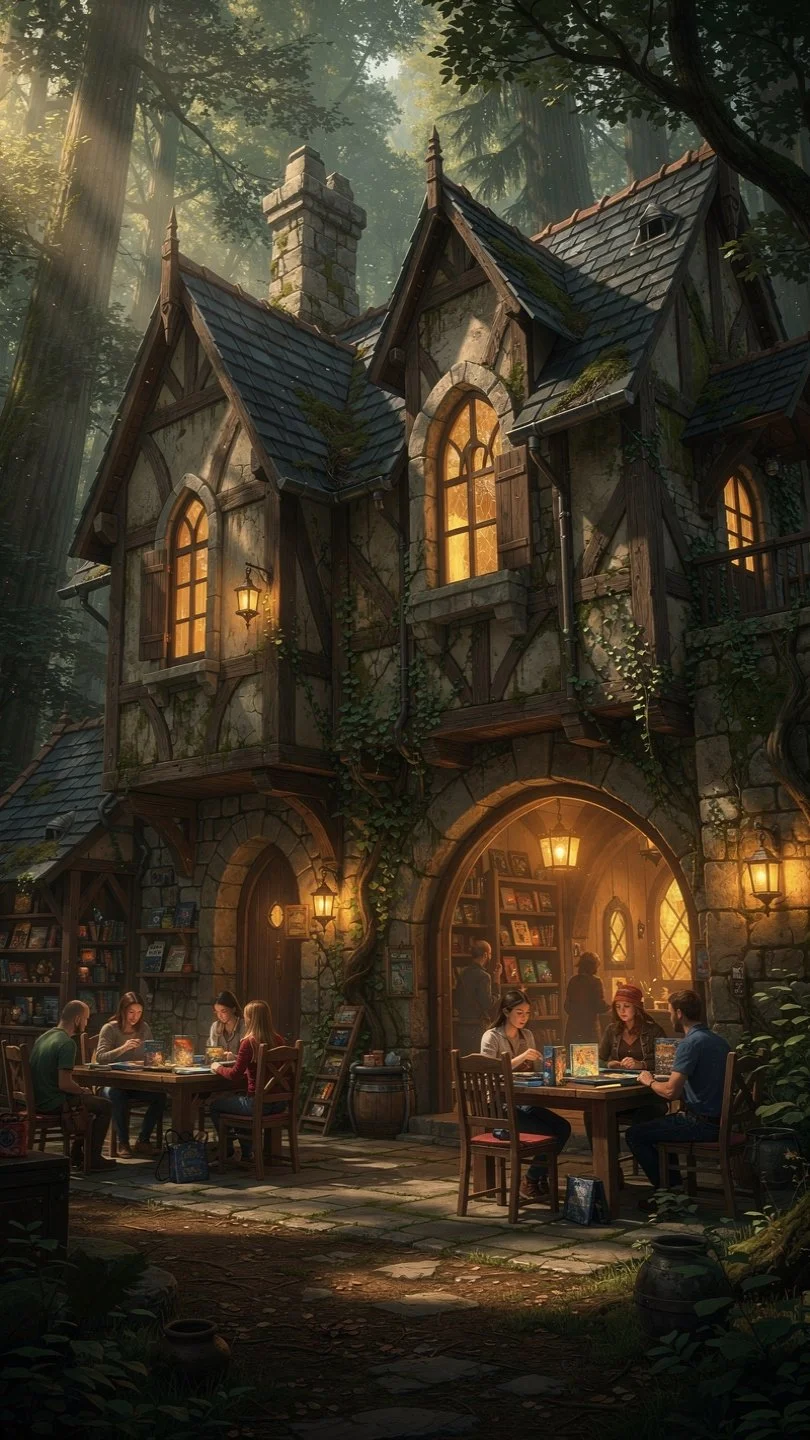
That is why Mike’s Tavern keeps building the Tavern Network, helping GMs and players find better places to gather, play, and build campaigns that can actually last.
If yer trying to keep a campaign alive, it is worth reading:
how the Tavern Network helps players and GMs find better tables without wasting weeks searching
what the Tavern Network can do before Session One even begins
Because sometimes interest fades faster when the room itself is working against the story.
Do Not Chase Approval Forever
There is a dangerous point where a GM stops improving and starts begging.
Do not reach that point.
Listen, yes.
Adjust, yes.
Learn, yes.
But do not spend the whole campaign chasing approval from players who give nothing back.
A table is a shared thing.
The GM brings effort.
The players bring attention, honesty, and participation.
If only one side is trying, the campaign will starve.
Final Word From the Tavern
When the party starts losing interest, do not panic.
Look clearly.
Ask honestly.
Adjust what can be adjusted.
Cut what is slowing the table down.
Give them clearer reasons to care.
And if it still does not work?
Then maybe they are simply not yer people.
That is not failure.
That is finding the edge of yer audience.
Patch yer pride, sharpen yer craft, and keep looking for the table that leans forward when ya start telling the tale.
More Tavern Goodness For Ya!