Running Your First Campaign - Why Simple Campaigns Often Last Longer Than Epic Ones
New Game Masters often dream of building the greatest campaign their players have ever seen.
Ancient prophecies.
World-ending wars.
Five-dimensional politics.
Twelve villain factions.
Secret bloodlines.
Reality-breaking plot twists.
A cosmic horror sleeping beneath the kingdom for ten thousand years.
And then the campaign collapses in Session Three because half the party forgot who the villain even was.
Here is the hard truth, lad.
Simple campaigns often survive longer because human beings are tired.
Most Players Are Exhausted Before the Session Even Begins
This is something many new GMs forget entirely.
Yer players are not arriving fresh from a mountaintop monastery with perfectly sharpened minds.
They are arriving from:
work
bills
traffic
children
stress
arguments
exhaustion
long commutes
terrible bosses
lack of sleep
And now it is Friday night.
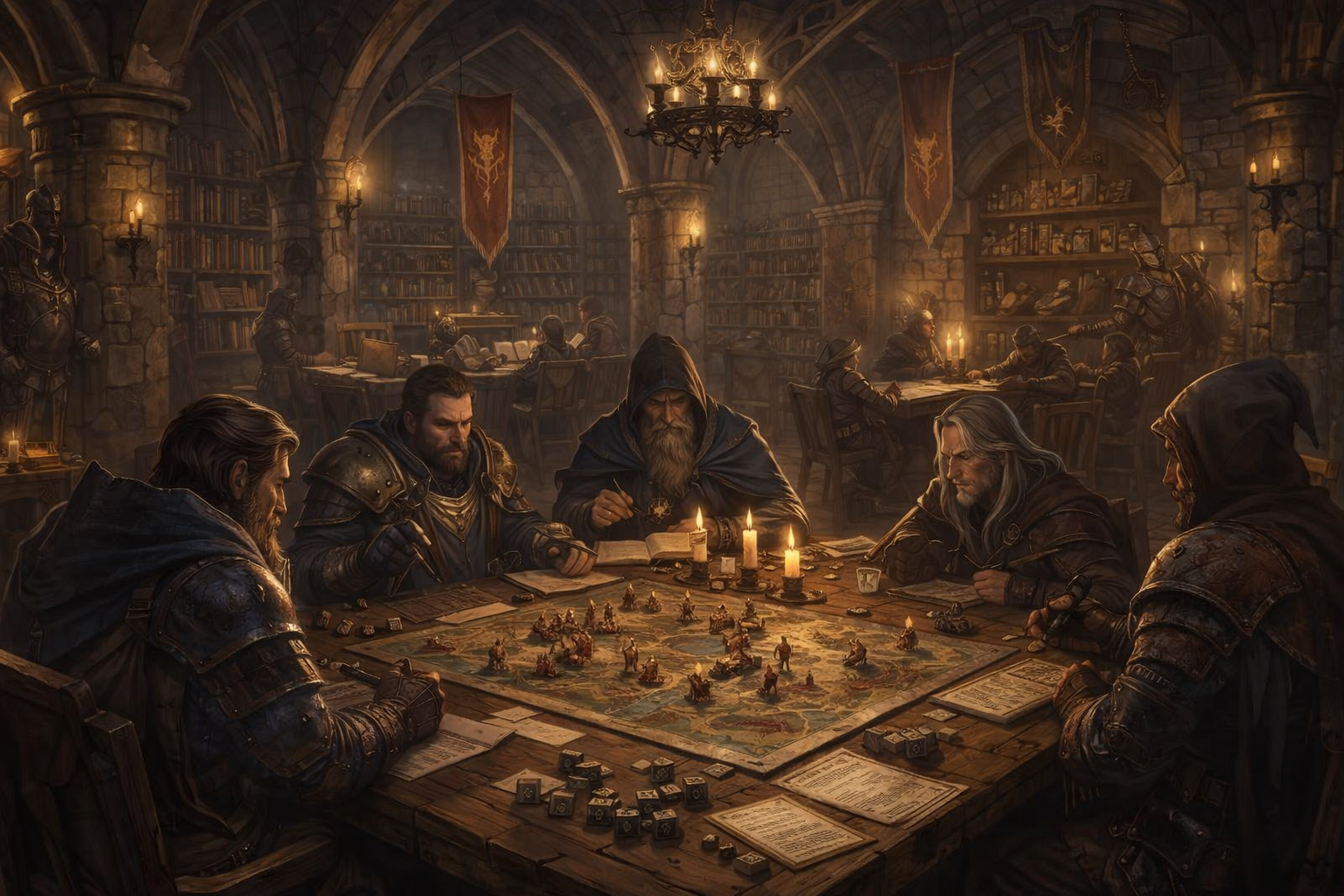
They finally sit down at the table.
Do ya know what most working adults want at that moment?
Not homework.
Not seventeen layers of political intrigue.
Not a lecture about the ancient trade agreements of the western provinces.
They want to relax.
They want to laugh.
They want to roll dice.
They want to fight cool monsters with cool-ass weapons.
And honestly?
That is perfectly fine.
The GM Is the Facilitator - The Players Are the Story
This is one of the most important lessons a new GM can learn.
The GM is not supposed to dominate the story.
The GM facilitates the world.
The players are the ones living inside it.
That distinction changes everything.
Epic campaigns often fail because the GM becomes too focused on “their story.”
Meanwhile the players just want to experience moments together.
Simple campaigns leave more room for players to breathe.
More room to improvise.
More room to joke.
More room to accidentally create memorable moments naturally.
And strangely enough, those moments are usually what people remember years later.
Not the complicated master plot.
Simpler Campaigns Are Easier to Sustain
This is another hidden advantage.
Simple campaigns reduce burnout for everybody.
Especially the GM.
A smaller story:
requires less preparation
creates fewer continuity problems
needs less exposition
allows easier improvisation
recovers from missed sessions more easily
lets new players understand the stakes quickly
That matters enormously.
Because a campaign that is easy to continue usually continues longer.
Meanwhile gigantic epic campaigns often collapse under their own weight.
Too many moving pieces.
Too many forgotten details.
Too many plot threads.
Too much emotional maintenance.
Eventually even the GM becomes exhausted trying to keep the machine alive.
Players Enjoy Living in the Present
One reason simpler campaigns feel better is because the players can focus on what is happening right now.
Not what might happen fifteen sessions later.
Not what some prophecy vaguely hinted at three months ago.
Right now.
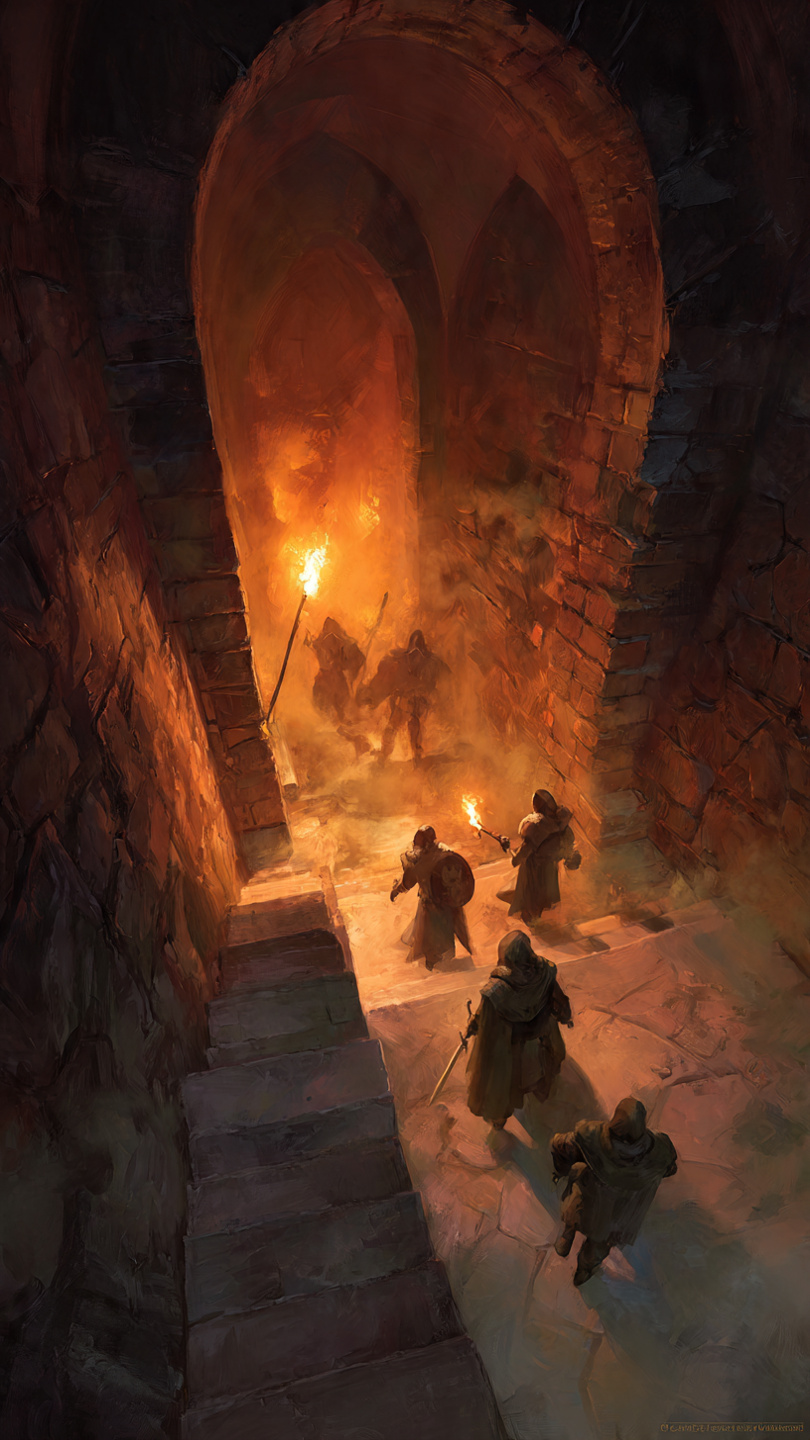
The dungeon in front of them.
The bounty on the wall.
The suspicious merchant.
The monster in the forest.
The rival adventuring party.
The magical weapon somebody absolutely should not touch.
Immediate problems create immediate engagement.
And engagement keeps campaigns alive.
Complexity Is Not the Same Thing as Depth
This is where many new GMs accidentally trap themselves.
They think complexity automatically creates depth.
It does not.
A campaign can be simple and still emotionally powerful.
A single village threatened by raiders can create incredible storytelling.
A caravan journey can become unforgettable.
A tavern with recurring NPCs can become more beloved than an entire empire.
Depth comes from emotional investment.
Not from how many lore documents exist.
Simpler Games Encourage More Player Creativity
This is another hidden advantage.
When the campaign structure is simple, players usually contribute more nonsense of their own.
And that nonsense is glorious.
Players:
adopt random goblins
start tavern businesses
flirt with danger constantly
create absurd plans
invent rivalries
become emotionally attached to throwaway NPCs
derail things in hilarious ways
Simple campaigns leave room for the table itself to become the entertainment.
Epic campaigns sometimes become too rigid.
Too controlled.
Too precious.
And players begin feeling like tourists instead of participants.
The Best Campaigns Often Start Small
Many legendary campaigns actually begin very simply.
A missing caravan.
A local monster problem.
A dangerous ruin nearby.
A mercenary contract.
A village mystery.
That simplicity gives the campaign space to grow naturally.
The players become attached first.
Then the bigger stakes arrive later.
That order matters.
Because players care more about saving the kingdom after they already love living inside it.
Simpler Campaigns Recover Better From Real Life
This part is extremely important.
Life interrupts campaigns constantly.
People miss sessions.
Schedules break.
Details get forgotten.
Complex campaigns suffer badly from this.
Simple campaigns recover far more easily.
Everybody remembers:
“We’re hunting the necromancer.”
Easy.
But:
“We’re attempting to prevent the political destabilization of the fractured southern alliance before the hidden blood heir returns during the eclipse.”
Aye, good luck remembering that after a twelve-hour work shift.
Simple campaigns survive because tired brains can still engage with them.
And most adult players are very, very tired.
The Environment Matters Too
Simple campaigns also work better in real-world environments.
Especially public venues.
Noise, distractions, food breaks, interruptions, travel fatigue, and social energy all affect player focus.
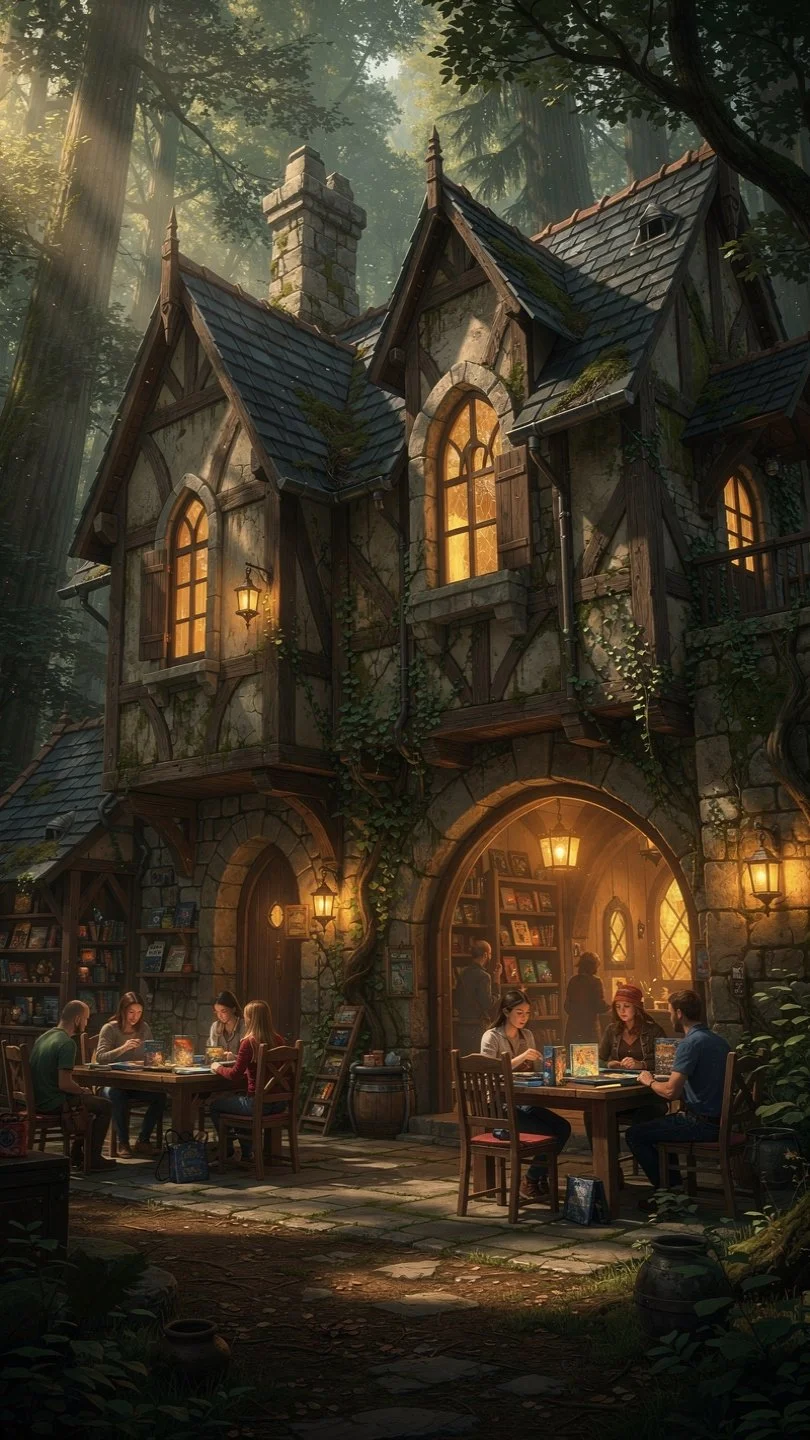
That is part of why Mike’s Tavern keeps expanding the Tavern Network, helping players and GMs discover campaign-friendly spaces where long-term games can survive more comfortably.
If yer trying to build a healthier long-running campaign, it is worth reading:
how the Tavern Network helps players and GMs find better tables without wasting weeks searching
what the Tavern Network can do before Session One even begins
Because sometimes simplicity survives longer when the environment supports it too.
Epic Does Not Mean Better
This is the final lesson many veteran GMs eventually learn.
Epic is not automatically superior.
Some of the happiest campaigns ever played were:
dumb
simple
chaotic
low-stakes
funny
straightforward
And yet people remember them forever.
Because what players truly remember is not complexity.
They remember how they felt.
Who they laughed with.
The stupid decisions they made together.
The impossible fight they somehow survived.
The cursed sword nobody should have touched.
The tavern everybody loved.
That is the real magic of tabletop gaming.
Not complexity.
Connection.
Final Word From the Tavern
If yer first campaign is simple, do not be ashamed of it.
Simple campaigns often survive longer because they leave room for human beings to actually enjoy themselves.
And honestly?
After a hard week in the real world, sometimes all a tired adventurer truly wants is:
a table
some friends
a ridiculous weapon
a dangerous monster
and a handful of dice rolling across the wood.
More Tavern Goodness For Ya!