
Best Fighter Build 5e: The Versatile Eldritch Knight
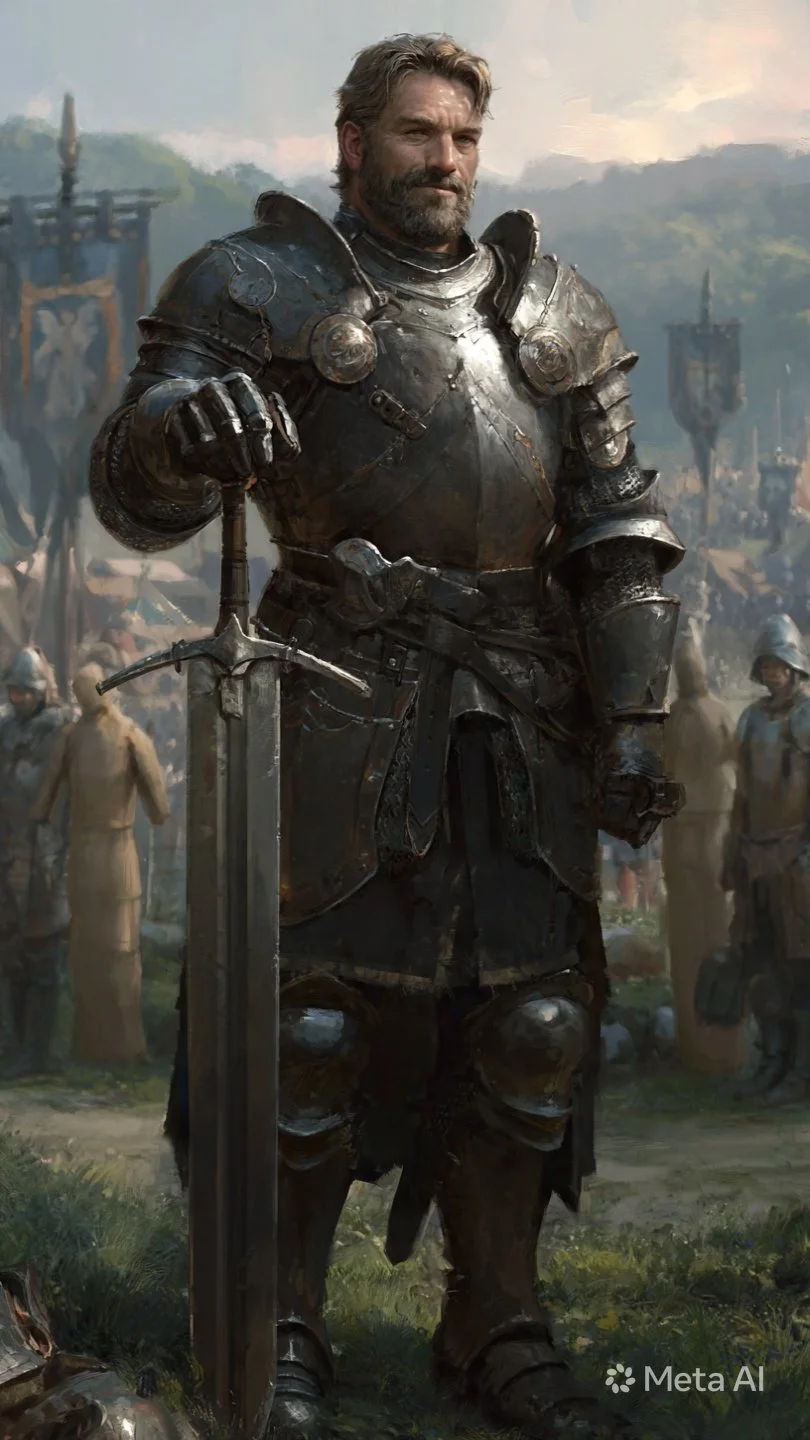
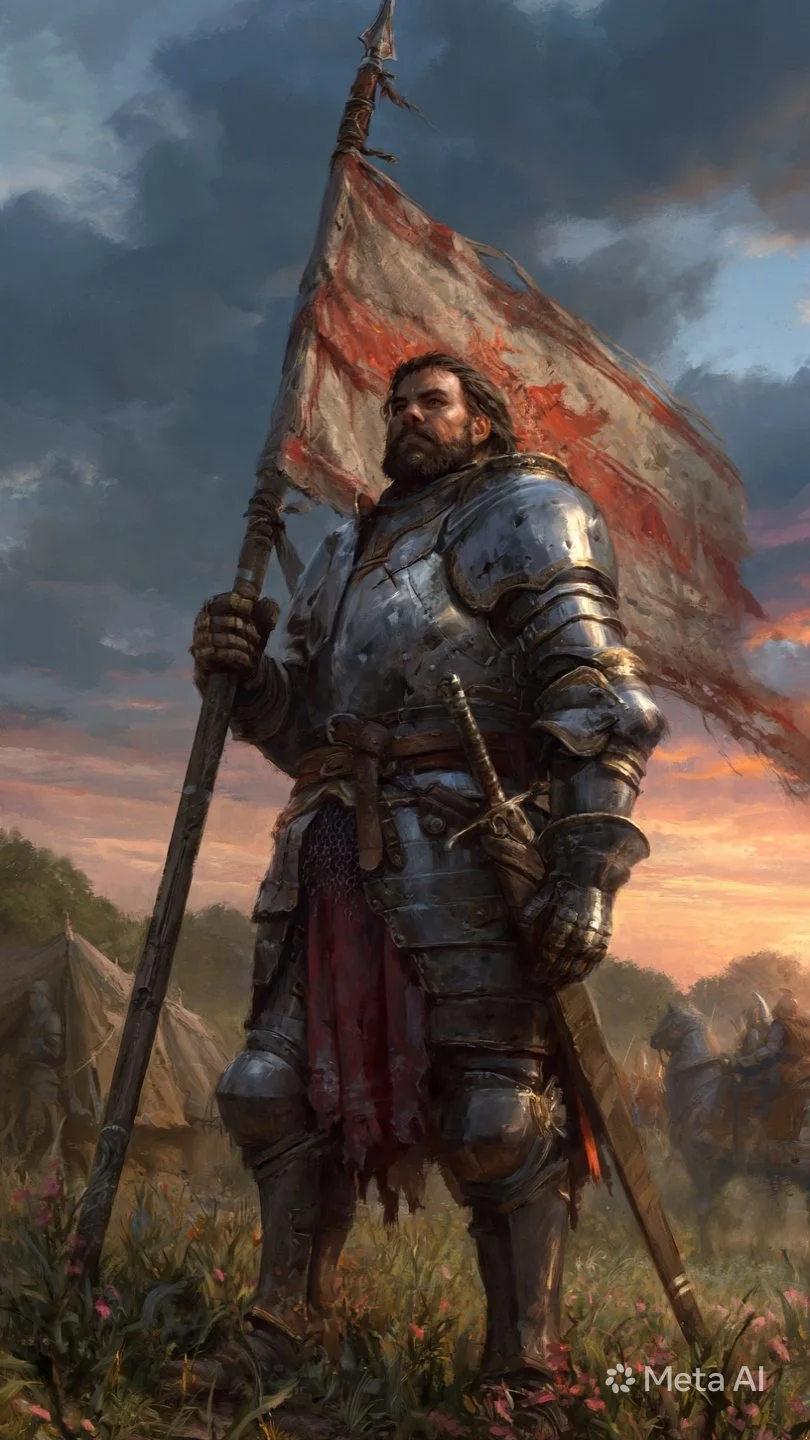
Listen, laddie. A Fighter is not a glass cannon wearing plate armour.
Any reckless milk-drinker can grab a greatsword, sprint into the largest group of enemies, and start swinging until either the monsters or the Fighter stops moving.
A proper Fighter knows when to strike hard.
A proper Fighter also knows when the party needs a wall.
That is the central strength of the class. You are not limited to one weapon, one stance, or one battlefield role. You are a trained warrior who understands that different fights demand different tools.
Carry a two-handed weapon when the party needs damage.
Carry a one-handed weapon and shield when the party needs protection.
Then use magic, positioning, Weapon Mastery, and sheer durability to become the warrior who can adapt before the enemy understands what has changed.
What Kind of Player Enjoys a Fighter?
The Fighter suits players who enjoy tactical flexibility without managing a full spellcasting class.
You may enjoy the Fighter if you naturally ask:
Does the party need more damage or more defence?
Which enemy should I prevent from reaching the Wizard?
Should I hold this doorway or charge the enemy leader?
Which weapon is best for this battlefield?
Can I push, slow, weaken, or control this opponent?
When should I spend Action Surge?
How can I make myself the most inconvenient target?
The Fighter appeals to players who like being dependable.
You are rarely useless.
You can fight in narrow tunnels, open fields, castle corridors, tavern brawls, and ruined temples. You do not need a perfect environment or a particular damage type before your class begins functioning.
You bring the correct weapon, stand where the party needs you, and do the work.
Is the Fighter Good for Beginners?
Yes.
The Fighter is one of the best classes for a new D&D player because its basic combat loop is easy to understand:
Move into position.
Choose the appropriate target.
Attack.
Use class features when the situation becomes dangerous.
Protect vulnerable allies when possible.
However, the revised 5.5e Fighter has considerably more tactical depth than the older version.
Weapon Mastery gives different weapons distinct battlefield functions. Second Wind provides healing, Tactical Mind can improve failed ability checks, Action Surge gives an additional action, and later features make the Fighter more mobile and adaptable. Fighters begin with mastery over three weapon types and can change one of those choices after a Long Rest.
This means the Fighter is easy to begin but difficult to master.
A new player can survive by attacking with a sword.
An experienced Fighter decides which sword, which enemy, which mastery effect, which position, and which defensive configuration will benefit the party most.
The Best Fighter Build at a Glance
Our recommended build is the Veratile Eldritch Knight.
This is a heavily armoured Strength Fighter who carries both offensive and defensive equipment. The build can fight with a greatsword when damage is needed or switch to a longsword and shield when the party needs a durable front line.
Defensive magic makes the Fighter even harder to remove.
Recommended Build
This Fighter is not designed to produce one enormous theoretical damage number.
It is designed to remain useful in nearly every battle.
Why Choose the Eldritch Knight?
The Eldritch Knight combines the Fighter’s armour, weapons, hit points, and repeated attacks with a limited selection of Wizard magic.
Under the revised rules, the Eldritch Knight is no longer restricted to choosing spells from only two schools of magic. Its updated War Magic also allows the Fighter to replace one attack with an eligible cantrip when taking the Attack action, creating a smoother combination of weapons and magic.
That does not mean this build becomes a Wizard wearing armour.
Your weapon remains your primary tool.
Magic supports the weapon fighter by providing:
Emergency defence
Better movement
Ranged options
Battlefield control
Utility outside combat
Protection against attacks that armour cannot handle alone
The best Eldritch Knight spells do not compete with what the Fighter already does well.
They cover weaknesses.
Ability Scores
Using the standard array, begin with:
Apply your background increases to raise Strength as high as possible, followed by Constitution or Intelligence.
Your priorities are:
1. Strength
Strength improves your attacks and damage with the greatsword and longsword.
It also supports Athletics, carrying capacity, grappling, and other physical actions.
A Fighter who cannot hit consistently cannot perform either the tank or damage role effectively.
2. Constitution
Constitution increases your hit points.
You intend to stand close to dangerous enemies. Even with high Armour Class, some attacks will hit. Spells, breath weapons, and saving-throw effects may bypass your ordinary defence completely.
Constitution keeps you standing.
It also helps maintain concentration when one of your spells requires it.
3. Intelligence
Intelligence powers the spells that depend on your spellcasting ability.
This build prioritises defensive and utility magic, so Intelligence does not need to equal Strength. However, a reasonable Intelligence score gives you room to use attack spells, saving-throw spells, and knowledge skills more reliably.
The Fighter’s Three-Piece Loadout
A well-prepared Fighter should carry three essential pieces of combat equipment:
A two-handed weapon
A one-handed weapon
A shield
For this build, carry:
A greatsword
A longsword
A shield
Greatsword: The Damage Configuration
The greatsword deals 2d6 damage and requires two hands.
Use it when:
Another durable party member can share the front line
Enemies are already controlled
The party needs a major threat removed quickly
You are unlikely to receive concentrated attacks
Additional damage is more valuable than additional Armour Class
The greatsword’s Graze mastery can still deal limited damage when an attack misses, helping the Fighter apply pressure more consistently. Official 5.5e Weapon Mastery rules attach a specific mastery property to each weapon, and Fighters can learn more of these weapon masteries than most martial classes.
Longsword and Shield: The Tank Configuration
The longsword deals 1d8 damage in one hand, while a shield grants a +2 bonus to Armour Class.
Use this configuration when:
You are the party’s main front-line defender
Several enemies are likely to attack you
You must hold a doorway or narrow passage
A vulnerable ally needs protection
Survival matters more than maximum damage
You are already concentrating on an important spell
The longsword sacrifices some damage but improves your likelihood of remaining in position.
A Fighter at zero hit points protects nobody.
Do Not Treat the Shield Like a Free Switch
Carry both configurations, but choose carefully before entering combat.
In 5.5e, equipping or removing a shield requires the Utilize action. You cannot always drop the shield, draw a greatsword, attack, and then restore the shield whenever convenient.
Weapons are easier to change during the Attack action, but the shield represents a meaningful commitment.
That is good.
The Fighter must read the battle and decide which role matters most.
Which Fighting Style Should You Choose?
Choose Defense.
This style strengthens both versions of the build because its benefit applies while you are wearing armour.
When using the shield, it reinforces your tank configuration.
When using the greatsword, it replaces part of the defence lost by setting the shield aside.
Other fighting styles can produce more damage with a specific weapon, but Defense supports the central purpose of this build: adaptability without becoming fragile.
You are a damage dealer when the opportunity appears.
You are still not a glass cannon.
Choose Yer Stance Before Initiative
Before the Game Master calls for initiative, ask:
Does this battle need a hammer or a wall?
Choose the greatsword when the party has enough protection and needs to end the threat quickly.
Choose the longsword and shield when enemies are numerous, allies are exposed, or the battlefield must be held.
Players learning how equipment, ability scores, and party roles fit together can use How to Build a D&D 5e Character Step by Step before finalising the build.
Recommended Weapon Masteries
At Level 1, the 5.5e Fighter can use the mastery properties of three selected weapon types.
For this build, choose:
Greatsword
The greatsword provides the Graze mastery.
It supports the damage configuration by allowing a failed attack to apply limited damage rather than accomplishing nothing.
Longsword
The longsword provides Sap.
Sap can make the target’s next attack less reliable, strengthening your defensive role and protecting either yourself or an ally.
A Ranged Weapon
Choose a longbow, heavy crossbow, or another ranged weapon suited to your ability scores and campaign.
Strength Fighters are less accurate with Dexterity-based ranged weapons, but having a ranged option is still better than spending the entire battle shouting at a flying creature.
Your third mastery can also go to another Strength weapon if the party regularly fights at close range.
Recommended Eldritch Knight Spells
Choose spells that improve survival, mobility, and flexibility.
Shield
Shield is the defining defensive spell for this build.
When an attack would hit, Shield can sharply increase your Armour Class until the start of your next turn. It is particularly effective when several enemies are attacking during the same round.
Use it when the increased defence is likely to stop more than one meaningful attack.
Absorb Elements
When permitted by the books used at your table, Absorb Elements can reduce incoming elemental damage and strengthen a later melee attack.
It covers threats that ordinary armour cannot stop.
Magic Missile
Magic Missile gives you dependable ranged damage when reaching the enemy is difficult.
It is not your primary attack, but it can finish an injured enemy or interrupt certain situations where guaranteed hits matter.
Jump
The revised Jump spell can improve the Fighter’s mobility and help you reach high ground, cross gaps, or bypass obstacles.
Protection from Evil and Good
In campaigns containing the relevant creature types, this can become a powerful defensive option.
Choose spells based on the campaign rather than copying a fixed list without context.
How to Play the Build in Combat
Begin by Identifying Your Role
Ask what the party needs during this particular encounter.
Do not automatically use the greatsword because it deals more damage.
Do not automatically use the shield because a higher Armour Class feels safer.
Choose the role that solves the current problem.
Stand Between Danger and Vulnerable Allies
Your armour and hit points are resources.
Use them deliberately.
Block narrow routes, threaten enemies attempting to pass, and remain close enough to support the party.
Do not charge sixty feet ahead and call yourself a tank.
A tank must be near something worth protecting.
Use Action Surge When It Changes the Battle
Action Surge grants an additional action on your turn, although the revised feature excludes using that extra action for the Magic action.
Use it when:
A dangerous enemy can be defeated immediately
An ally needs urgent assistance
You must Dash and still attack
Several attacks could break an enemy formation
Delaying until the next round would cost the party severely
Do not spend Action Surge merely because it is available.
Spend it when another action changes the direction of the encounter.
Use Second Wind Before It Is Too Late
Second Wind restores hit points as a Bonus Action and receives multiple uses as the Fighter advances. Tactical Shift later allows the Fighter to move up to half their Speed without provoking Opportunity Attacks whenever Second Wind is activated.
This lets you heal, reposition, and reinforce another part of the battlefield.
Do not wait until you are unconscious.
What Should You Do at Level 4?
Increase Strength.
Higher Strength improves the attacks and damage of both weapon configurations.
Once Strength is strong, consider:
Increasing Constitution
Improving Intelligence
A feat supporting heavy weapons
A feat improving defence or concentration
A feat that helps control enemy movement
Do not rush into a complicated feat combination before mastering your three configurations:
Greatsword offence
Longsword-and-shield defence
Magic-supported survival
Common Fighter Mistakes
Building a Glass Cannon
Damage is useful only while you remain conscious.
Do not sacrifice every defensive option for a slightly larger number.
Carrying Only One Weapon
A Fighter should not respond to every battlefield in exactly the same way.
Bring tools for offence, defence, and range.
Switching the Shield Incorrectly
The shield is not something you freely flick on and off between attacks.
Choose your configuration deliberately.
Charging Away From the Party
A Fighter cannot protect allies from the far side of the battlefield.
Using Action Surge Without a Reason
More attacks are exciting.
A well-timed additional action is better than an immediate one.
Forgetting Weapon Mastery
The revised Fighter does more than deal weapon damage.
Use Graze, Sap, and later Tactical Master options to influence the enemy.
Trying to Become a Full Wizard
The Eldritch Knight remains a Fighter first.
Choose magic that strengthens your martial role.
The Best Fighter Is Ready for the Fight That Actually Happens
The Versatile Eldritch Knight succeeds because it does not depend on one perfect situation.
When the party needs damage, draw the greatsword.
When the party needs a defender, take the longsword and shield.
When armour is not enough, use defensive magic.
When an enemy tries to escape or bypass you, use movement, mastery, and positioning to remain relevant.
A good Fighter is a tank and a secondary damage dealer.
A great Fighter knows which one the party needs before drawing the weapon.
Use high Strength.
Build dependable Constitution.
Carry more than one solution.
Choose Defense as your Fighting Style.
Learn the mastery properties attached to your weapons.
Then stop treating “I attack again” as the beginning and end of martial strategy.
For more ways to make weapon choice matter, read Why Position, Timing and Target Choice Matter More Than Weapon Stats and When Doing Less Damage Actually Wins You More Fights.
Carry the Armour, Not the Entire Party
Before Session 1, discuss the campaign’s expected combat, available equipment, resting rules, and level of difficulty during a proper D&D Session 0.
The Fighter is dependable, but dependable does not mean responsible for solving every mistake the party makes.
Hold the line.
Deal damage when the opening appears.
Protect the vulnerable.
Then trust the rest of the party to perform their roles beside you.
Learn more about Mike’s Tavern, visit the Tavern FAQ, or contact the Tavernkeeper when yer next warrior needs a stronger battle plan.
Questions to Ask Before Playing a Fighter
Does my party need damage, defence, or both?
Which weapon will I use when the battle begins?
Am I carrying a shield for situations where survival matters more?
Have I chosen three useful Weapon Masteries?
Am I standing where I can protect someone?
What defensive spells cover weaknesses in my armour?
When will Action Surge genuinely change the battle?
Am I building a dependable warrior or a glass cannon wearing plate?
