
When Doing Less Damage Actually Wins You More Fights
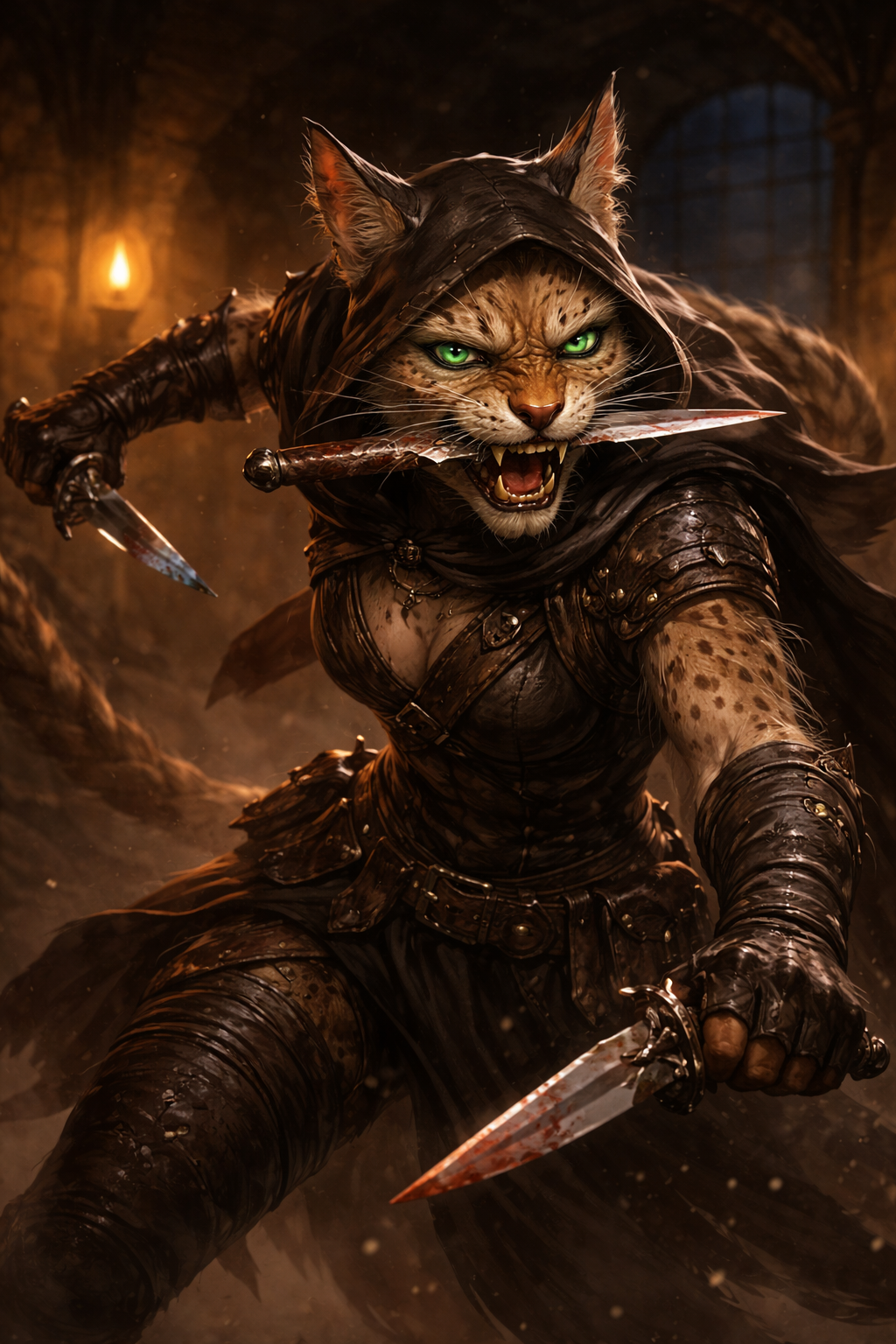
This one trips people up.
Players see a turn where they could swing, and they feel like not swinging is waste. Like they’ve failed the moment they don’t roll damage.
That’s wrong.
Some of the cleanest victories I’ve ever seen came from turns where no damage was dealt at all. Not because the player froze, but because they chose control over numbers.
This guide is about why sometimes the smartest way to win a fight is to hit less, not more.
A Hard Lesson Learned Early
I once watched a party lose a fight they were clearly stronger than. They hit hard every turn. Big damage. Loud table.
They also ignored positioning, pressure, and momentum. By the time they realized the fight was slipping, it was already gone.
They didn’t lose because they lacked damage. They lost because they didn’t know when damage mattered.
That lesson shows up more than once in Mike’s Secret Logbook. It’s never the dice that betray you first.
Damage Is Only One Way to Change a Fight
Damage removes enemies. Control shapes them.
Forcing movement, blocking paths, holding ground, and denying options all change how a fight plays out. Often faster than trying to grind everything down one hit at a time.
If an enemy spends their turn repositioning, recovering, or hesitating, you’ve effectively dealt damage without rolling a die. And unlike raw damage, that effect ripples outward.
This idea sits at the heart of The Power of Forced Movement: Shove, Slide, and Toss ’Em Off a Cliff, where small nudges end fights sooner than big swings.
A Bad Turn for the Enemy Is Better Than a Good Turn for You
Players love optimizing their own actions. They forget to ruin the enemy’s.
A turn where you prevent a strong enemy from acting cleanly often does more than landing a solid hit. Delayed threats are weaker threats. Disrupted plans collapse fast.
This is why denial tactics feel subtle but powerful. They don’t spike the table’s excitement, but they quietly win encounters.
If this mindset feels unfamiliar, The Action Economy Goldmine: How to Squeeze Three Turns Into One explains why stealing momentum matters more than padding damage.
Pressure Beats Overcommitment
Overcommitting to damage makes you predictable.
Enemies learn who’s aggressive, who rushes, and who ignores defense. Once that happens, they respond accordingly.
Pressure, on the other hand, keeps enemies guessing. Holding space. Threatening multiple outcomes. Making them react instead of execute.
This is how players with modest numbers end up controlling the flow of combat. They don’t force the issue. They let the enemy make mistakes.
That principle pairs well with Lockdown Tactics: How to Keep Enemies From Ever Reaching You, where denial quietly outperforms aggression.
Doing Less Now Often Means Doing More Later
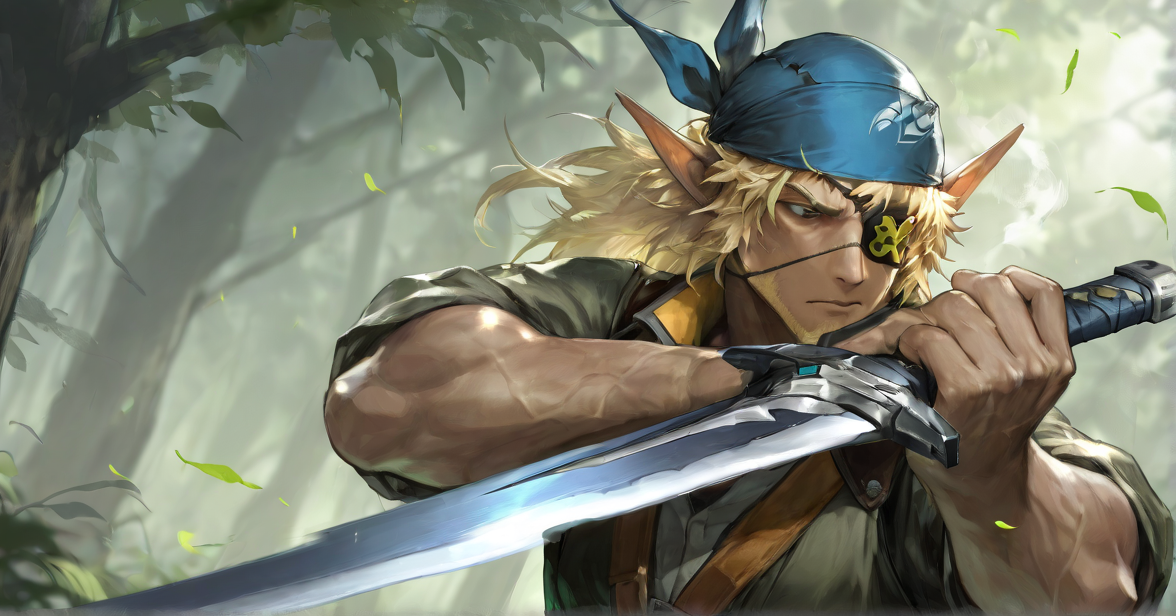
Skipping damage this turn isn’t failure if it sets up a stronger next one.
Positioning, protecting allies, or forcing movement creates future advantage. It buys time. Time creates openings. Openings end fights.
Players who understand this stop feeling rushed. They stop chasing numbers and start shaping outcomes.
If table coordination ever breaks down because everyone’s trying to “do their thing,” May I Interject? How to Share a Plan Without Stealin’ the Turn shows how restraint improves teamwork without slowing play.
Calm Players Win Longer Fights
Choosing control over damage requires patience.
Players who panic when damage isn’t landing often make worse choices next round. Calm players reassess, reposition, and wait for the moment that matters.
This is why emotional control shows up as a combat skill more often than folks like to admit.
If frustration ever starts clouding judgment, Keeping Cool When the Dice and the Party Betray Ya reminds why composure is part of winning.
A Quiet Reminder Before You Swing Again
📌 By me beard, lad, hittin’ ain’t the same as winnin’.
👉 If this way of thinkin’ clicks, you’ll find plenty more practical guidance waitin’ around Mike’s Tavern. And if something still feels off mid-fight, Contact is always open.
Closing the Tab
Damage is a tool, not a goal.
Sometimes the best turn is the one that reshapes the fight instead of ending it immediately. Control first. Finish second.
📌 A fight ends faster when the enemy runs out of good choices.
👉 For follow-up questions and deeper breakdowns, the answers are waitin’ in the FAQ. Same table. Smarter turns.
