Playing Your First RPG: What Happens When Your Plan Falls Apart
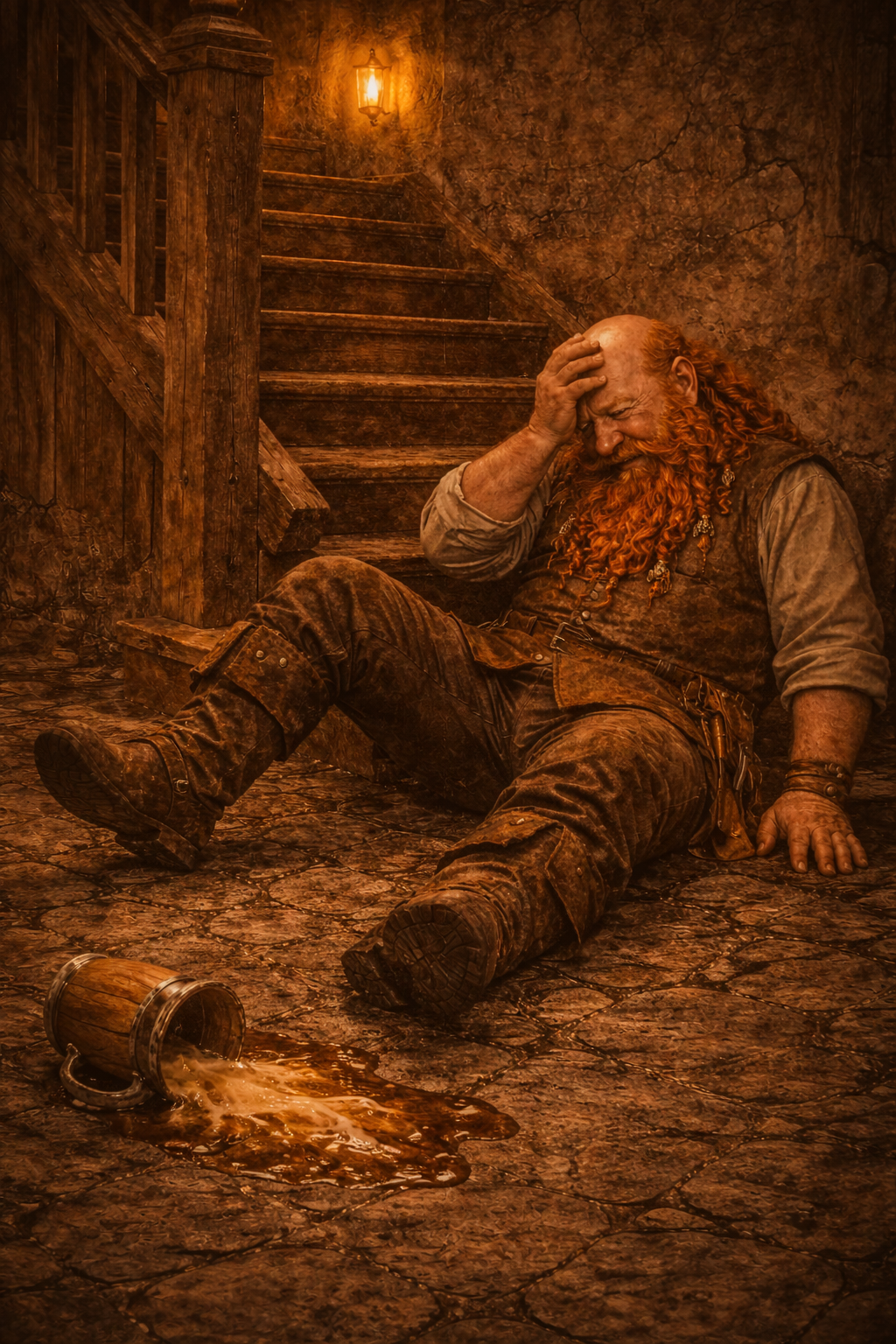
Plans fall apart in tabletop games all the time. Eventually, you will discover that a failed plan is not the same thing as failure. In many cases, a failed plan becomes the beginning of something far more memorable than the original idea ever could have been. A plan that collapses unexpectedly often turns into a moment that makes everyone at the table laugh, adapt, and think in ways they never anticipated.
Humor plays a surprisingly important role in this process. A funny session is often the kind of session players remember long after the campaign ends. It becomes the story they retell to each other months or years later. Those stories rarely come from flawless execution. They come from chaos, surprise, and the sudden need to improvise when everything goes wrong.
A certain amount of uncertainty makes the experience more exciting. When you do not know whether your character will survive or succeed, the outcome becomes meaningful. A single lucky roll at the right moment can change everything. That moment of unexpected success, earned after failure seemed certain, is what makes the table erupt with excitement. Without failed plans, those standing ovation moments would never exist.
If you want to better understand how unpredictability shapes the rhythm of the game, reviewing the fundamentals in the Frequently Asked Questions can help explain why uncertainty is built into the structure of roleplaying games.
Why This Feeling Is Normal
Most beginners feel uncomfortable when plans fail because failure often feels like wasted effort. You spend time thinking through a strategy, imagining how events will unfold, and committing to a course of action. When that plan collapses, it can feel like your preparation did not matter.
In reality, preparation always matters, even when outcomes change. Planning sharpens thinking. It encourages communication. It builds shared expectations among players. When a plan fails, those skills remain. They simply get redirected toward solving a new problem.
Another reason failed plans feel uncomfortable is that many people associate success with control. In roleplaying games, control is intentionally limited. Dice introduce uncertainty. Other players introduce unpredictable decisions. The game world itself introduces obstacles that cannot always be anticipated.
Over time, players begin to understand that uncertainty is not an obstacle to fun. It is the engine that creates it.
If you are interested in how shared uncertainty strengthens group experiences, exploring About Mike’s Tavern provides helpful insight into how unpredictable moments build lasting stories.
What This Moment Actually Looks Like at the Table
Imagine your party preparing carefully for an infiltration mission. You discuss timing, positioning, and entry points. Every detail seems accounted for. The rogue moves forward to unlock a door while the rest of the party waits in silence. Dice roll. The result is lower than expected.
The lock does not open. Instead, a hidden mechanism triggers a loud clicking sound that echoes through the hallway. Footsteps begin approaching from around the corner.
The original plan is no longer possible. The situation changes instantly. Instead of slipping quietly into the building, the party must react to unexpected danger. One player suggests retreating. Another suggests hiding. A third proposes creating a distraction to redirect attention.
Within seconds, a new plan forms from the wreckage of the first one. The tension rises. The table becomes more engaged. Every action feels more important because uncertainty has replaced predictability.
That transformation from order to chaos often creates the most memorable scenes.
What Most New Players Worry About (And What Actually Happens)
When plans fail, new players often imagine the worst possible outcome. They assume that failure signals weakness or poor judgment. In practice, the reality is far less dramatic.
Fear: If my plan fails, the group will blame me.
Reality: Most players understand that failure is part of the game and rarely assign blame.
Fear: Failed plans ruin the story.
Reality: Failed plans often create the most interesting story developments.
Fear: I should always have a perfect strategy.
Reality: Flexibility matters more than perfection.
Fear: Unexpected outcomes mean something went wrong.
Reality: Unexpected outcomes are usually what make sessions memorable.
If you want to see how adaptation often matters more than raw numbers, reading Why Position Timing and Target Choice Matter More Than Weapon Stats can help clarify why reaction and timing matter when plans shift suddenly.
What You Can Do In That Moment
When a plan begins to collapse, the most helpful response is to remain mentally flexible. Instead of clinging to the original strategy, shift your attention toward available options. Look at the current situation rather than the plan that no longer applies.
Communication becomes especially important during unexpected moments. Sharing observations with the group helps everyone adjust quickly. Even simple statements such as describing enemy positions or environmental details can spark new ideas.
Another useful habit is to treat unexpected outcomes as creative opportunities. When the obvious solution disappears, new paths become visible. That moment of uncertainty often leads to inventive actions that feel more exciting than the original plan.
Preparation also helps recovery. Understanding your character’s abilities allows you to improvise confidently when conditions change. Many players rely on structured references found in the RPG Tools section to keep track of options during fast-moving situations.
Improvisation improves with experience, and experience grows through repeated exposure to changing conditions.
What Happens If You Avoid This Moment
Avoiding situations where plans fail can limit your growth as a player. If you only rely on predictable strategies, you may struggle when unexpected events occur. Over time, that hesitation can reduce confidence.
Avoidance also reduces creativity. When players fear failure, they tend to repeat safe actions rather than experimenting with new ideas. That repetition limits storytelling potential and reduces excitement.
More importantly, avoiding failure removes opportunities for learning. Each failed plan reveals information about the world, the rules, and the behavior of other players. That information becomes valuable during future encounters.
Growth depends on experience, and experience depends on trying even when success is uncertain.
What Experienced Players Know That Beginners Don’t
Experienced players understand that failed plans are often the beginning of unforgettable moments. They recognize that unpredictability creates emotional investment. When success becomes uncertain, every decision carries weight.
They also know that humor frequently emerges from failure. A misstep, an unexpected roll, or a misunderstood signal can produce laughter that bonds players together. These moments strengthen relationships and create shared memories.
Another important lesson learned over time is that resilience matters more than perfection. Players who adapt quickly remain effective even when conditions change. That adaptability becomes one of the most valuable skills at the table.
If you want to understand how communication helps groups recover from disruption, reading When Small Tensions Keep Getting Pushed to Later provides useful insight into how group responses shape long-term success.
Your First-Time Player Check-In
Take a moment to reflect on how you react when plans fail.
Do you feel frustrated when outcomes change unexpectedly?
Do you hesitate when the original strategy no longer applies?
Do you worry that others will judge your decisions when things go wrong?
Now consider how you might respond differently.
Are you willing to adapt quickly instead of holding onto the original plan?
Are you willing to see unexpected outcomes as creative opportunities?
Are you willing to embrace uncertainty rather than resist it?
These reflections help transform frustration into adaptability.
What To Remember Before Your Next Session
Failed plans are not dead ends. They are turning points. They create moments where creativity replaces certainty and where teamwork becomes essential. Those moments often produce the loudest laughter and the strongest memories.
The most unforgettable scenes rarely happen when everything goes according to plan. They happen when the unexpected forces players to think differently and act boldly. When your plans fall apart, you are not losing control of the story. You are stepping into the part of the story that people will remember.
Be A Better Player