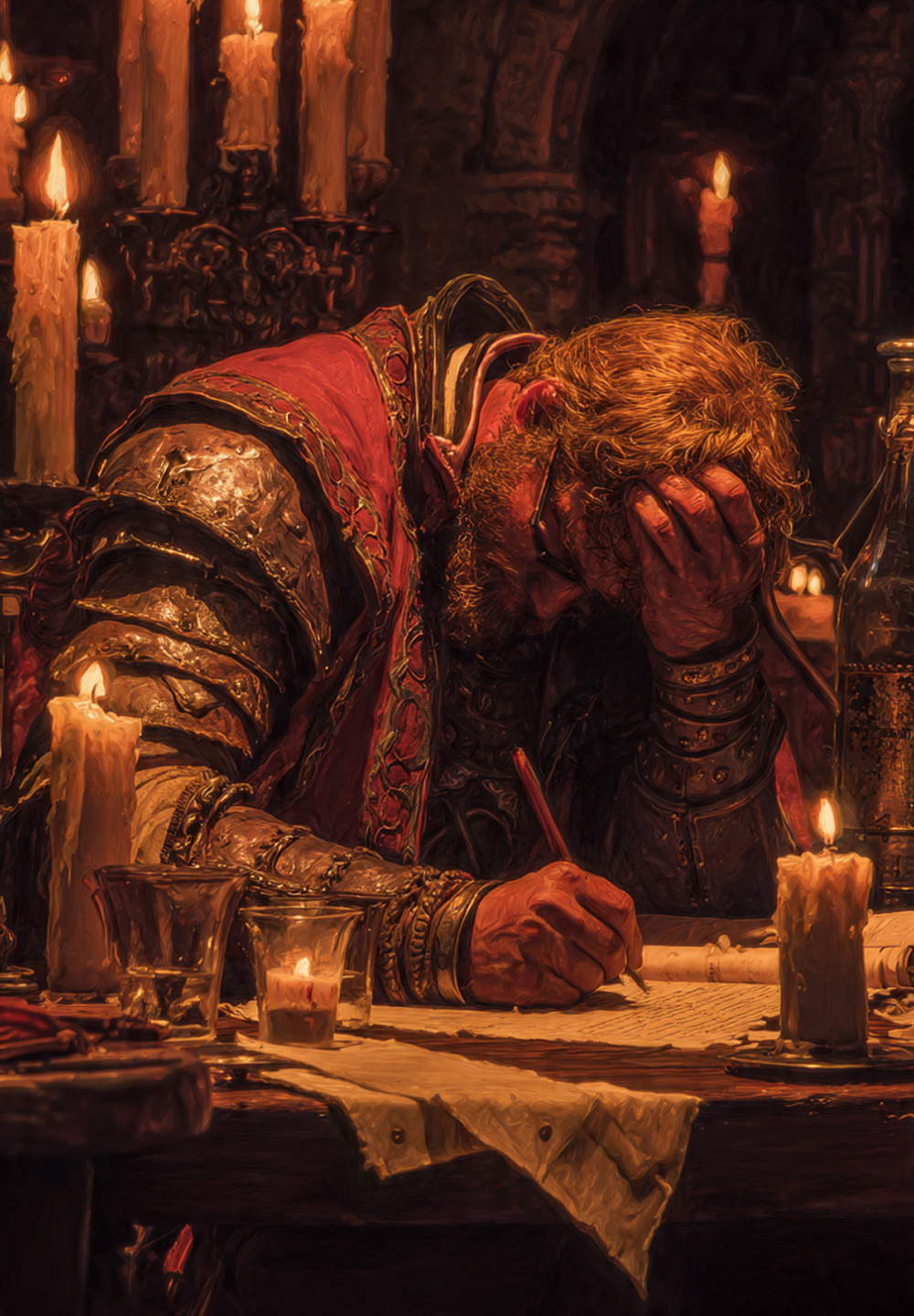
When Small Tensions Keep Getting Pushed to “Later”
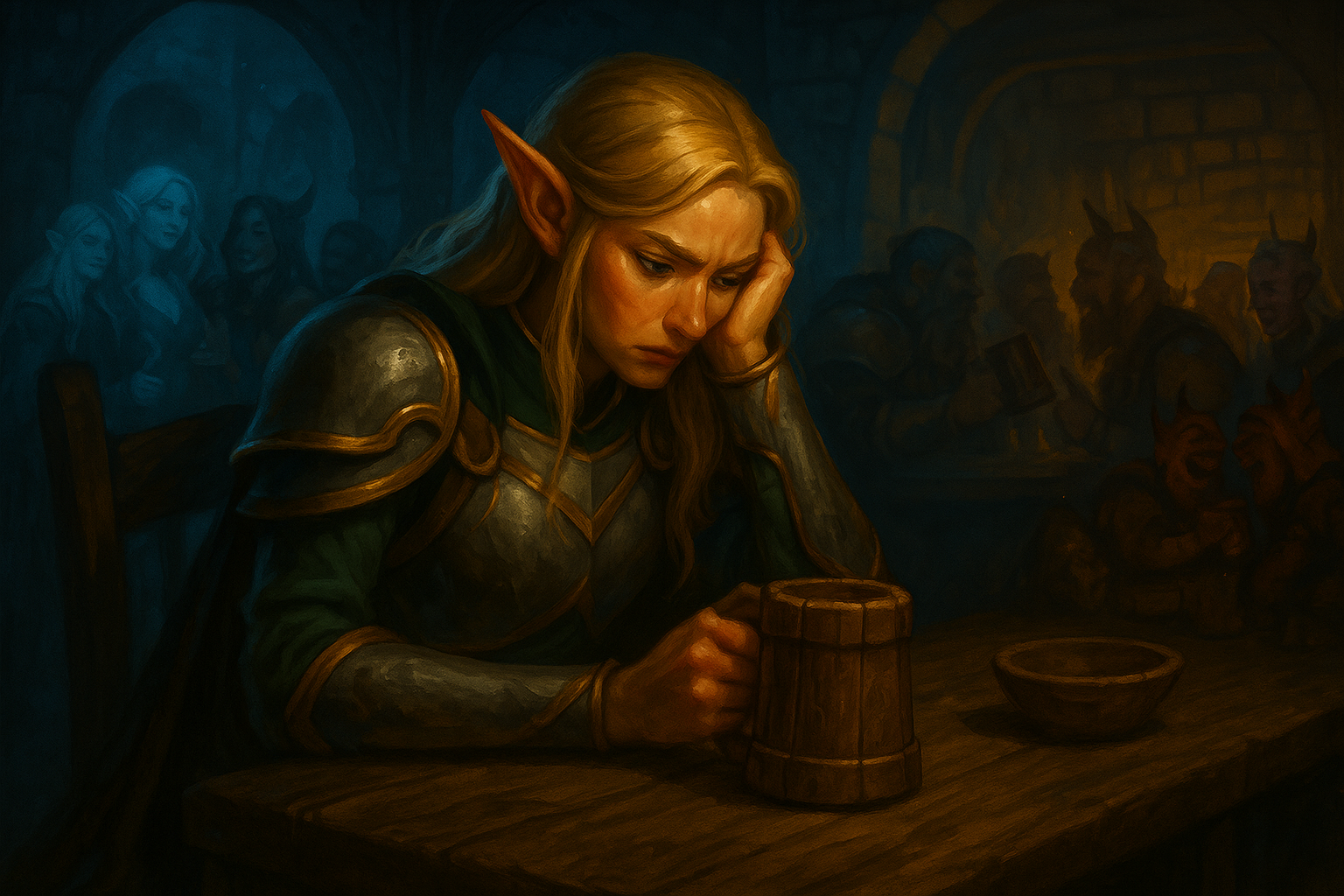
“Later,” eh? I’ve heard that word more times than I’ve heard dice hit a wooden table. ‘We’ll talk about it later.’ ‘Not now.’ ‘After the session.’ Aye, and then later never comes. By Koldron’s flaming apron, I’ve seen grudges age longer than me ale because folk kept pushin’ ‘em down the road like a cracked wagon wheel would fix itself. Listen, me lad, small tensions don’t vanish with time. They either get mended… or they get mean.”
At most tables, tension doesn’t explode.
It lingers.
A comment that rubbed someone wrong.
A ruling that felt unfair.
A joke that landed strangely.
But instead of addressing it, everyone says:
“Let’s deal with it later.”
Later becomes a comfortable promise.
And a dangerous habit.
The Myth of “We’ll Handle It After the Session”
It sounds mature.
It sounds calm.
It sounds responsible.
And sometimes, it is.
But if “later” keeps getting postponed, what you really have isn’t patience — it’s avoidance.
Small tensions don’t dissolve because initiative was rolled.
They wait.
And if they’re not named, they begin shaping how people show up.
You’ll see it in subtle ways — the same slow erosion described in The Small Behaviors That Quietly Push a Party Toward Collapse.
The issue doesn’t grow because it’s dramatic.
It grows because it’s ignored.
Why We Push It to “Later”
Most players don’t postpone conversations because they’re careless.
They postpone because they want to protect the vibe.
“No need to sour the mood.”
“We’re in the middle of something.”
“I don’t want to derail the session.”
So the tension gets shelved.
But here’s the part we don’t talk about:
Shelved tension rarely gets unpacked.
After the session, everyone’s tired.
Or distracted.
Or eager to log off.
And the moment passes.
The next session starts… and the tension is still there.
The Accumulation Effect
One small issue? Manageable.
Two? Slightly uncomfortable.
Five? Now the table feels heavier.
When small tensions are consistently deferred, players begin anticipating discomfort instead of immersion.
The table dynamic starts resembling what’s described in When the Table’s Full but It Feels Empty — technically active, emotionally thinning.
People adapt.
They soften their reactions.
They lower expectations.
They avoid certain topics.
And over time, no one remembers when it started feeling different.
The Five-Minute Rule
If a tension is small, address it while it’s still small.
You don’t need a summit meeting.
Sometimes all it takes is five minutes after the session:
“Hey, quick check — that moment earlier felt weird to me. Can we clarify it?”
That’s it.
Short. Calm. Clear.
If speaking up feels intimidating, revisit ideas in How to Speak Up Without Freezin’ at the Table. The goal isn’t confrontation — it’s maintenance.
Small conversations now prevent large fractures later.
When “Later” Becomes Never
Here’s the harder truth:
When “later” becomes a pattern, trust slowly erodes.
Players begin thinking:
“They don’t really want to talk about this.”
“It’s easier to just deal with it.”
“Maybe it’s not worth it.”
That’s how silence sets in.
And silence, as discussed in The Strongest Character at the Table Is the One Who Listens, isn’t strength unless it’s paired with active attention.
Listening without follow-up isn’t listening.
It’s delay.
Small Tensions Are Signals, Not Threats
Not every discomfort is a crisis.
But every recurring discomfort is a signal.
The signal isn’t:
“This table is broken.”
The signal is:
“Something needs adjusting.”
If you’re worried that addressing a small issue will make you seem dramatic, remember this — most campaign collapses don’t come from a single explosion. They come from unaddressed patterns.
Patterns like the ones explored in Why Your Party Keeps Falling Apart (And How to Stop Being the Reason) often begin as minor frictions that were repeatedly postponed.
Fix It While It’s Still Light
The healthiest tables don’t wait for tension to become unbearable.
They handle it while it’s still manageable.
If something feels off:
Don’t bury it.
Don’t dramatize it.
Don’t weaponize it.
Just clarify it.
Campaign longevity isn’t built on perfect sessions.
It’s built on consistent repair.
If you ever want to understand the philosophy behind this tavern, you can read the About Mike’s Tavern page, browse common concerns in the FAQ, or reach out directly through the Contact Page.
“Later” is a tool.
But if you overuse it, it becomes a trap.
Quick FAQ
Q: Isn’t it better to wait until emotions cool down?
Yes — but cooling down shouldn’t mean indefinitely postponing. Address it once calm, not never.
Q: What if the issue really is small?
Then it should be easy to clarify quickly. Small issues are easier to resolve early.
Q: How soon is too soon to bring something up?
Avoid interrupting active play unless necessary. But after-session check-ins are healthy.
Q: What if someone says I’m overthinking it?
You’re allowed to seek clarity. Calm communication isn’t overthinking — it’s stewardship.
More from the Tavern