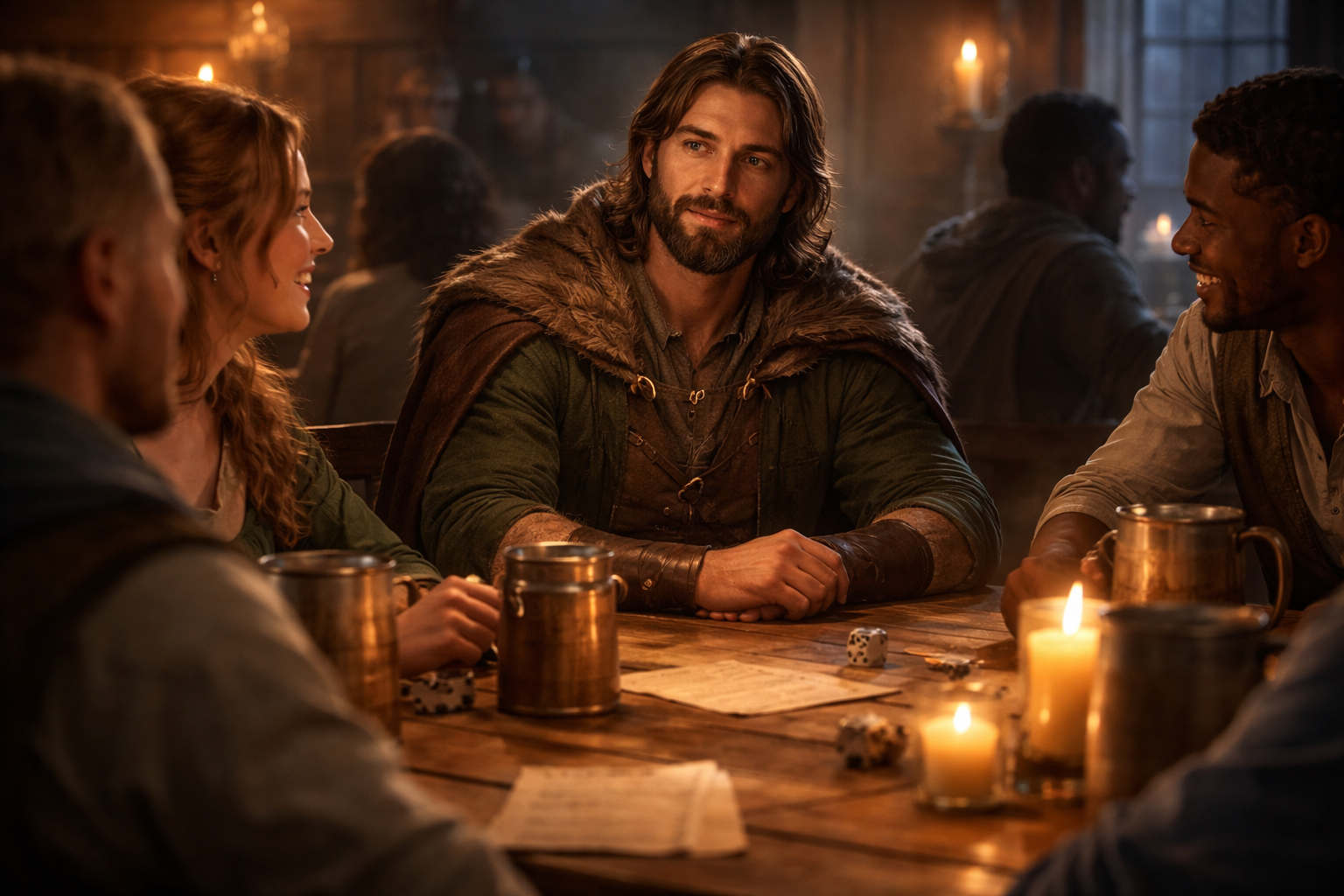
Playing Your First RPG: Why You Will Make Mistakes at First
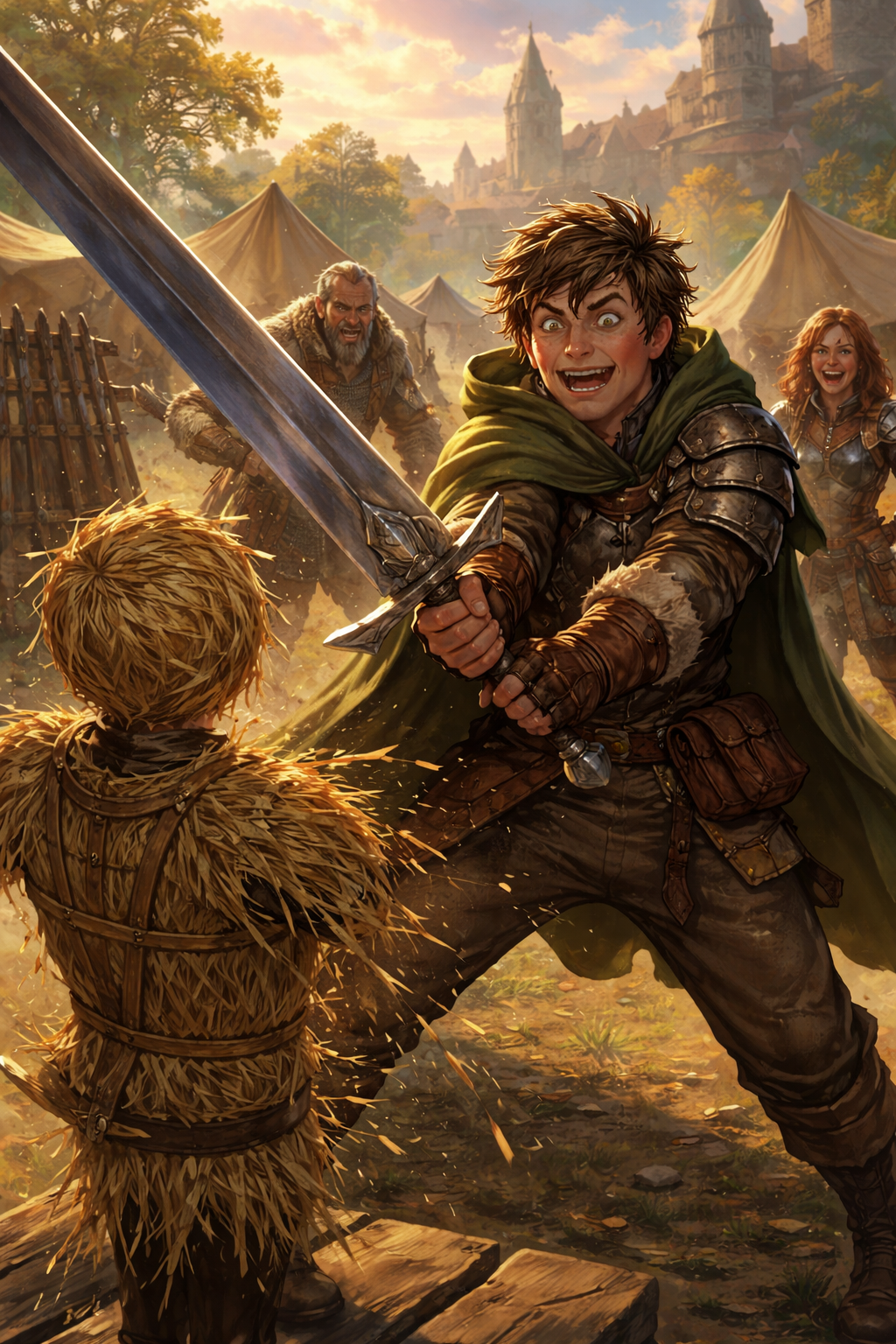
Think about the first time you tried something physical or technical that required coordination. Your first backflip in gymnastics probably felt clumsy and uncertain. Your first thrust in fencing likely lacked control. Your first kick in soccer may not have gone where you intended. When you first sat down at a piano, the notes probably sounded uneven and hesitant. Your first time behind the wheel of a car likely included moments where your reactions were slower than they needed to be.
Everything that requires skill begins with mistakes. Roleplaying games follow that same pattern. They involve imagination, memory, communication, and decision-making all happening at once. That combination makes early mistakes unavoidable. They are not signs that something is wrong. They are signs that something is beginning.
Many new players assume that mistakes will make them look inexperienced or incapable. In truth, mistakes are part of the process that turns unfamiliar actions into confident ones. They are the moments that shape understanding and sharpen awareness.
If you are still learning how sessions unfold and why mistakes are expected early on, reviewing the basics in the Frequently Asked Questions can help you understand how learning develops across multiple sessions rather than appearing instantly.
Why This Feeling Is Normal
Mistakes feel uncomfortable because they draw attention to uncertainty. When you miscalculate a rule, forget an ability, or choose an action that does not work as expected, your brain reacts by focusing on the error rather than the progress surrounding it.
This reaction is natural because humans tend to remember mistakes more vividly than successes. That heightened awareness makes small errors feel larger than they actually are. In reality, most mistakes at the table pass quickly and leave little lasting impact.
Another reason mistakes happen early is the complexity of tabletop games. Unlike simpler forms of entertainment, these games involve layered mechanics and social interaction at the same time. You are learning how to interpret rules while also learning how to communicate with other players. That dual learning process increases the number of small errors during early sessions.
Experienced players understand this pattern because they lived through it themselves. They remember forgetting abilities, misreading dice, and misunderstanding instructions. Those mistakes did not stop them from improving. Instead, those mistakes created the experience that allowed improvement to happen.
If you are interested in how learning environments evolve through patience and repetition, exploring About Mike’s Tavern can help illustrate how gradual growth builds strong communities.
What This Moment Actually Looks Like at the Table
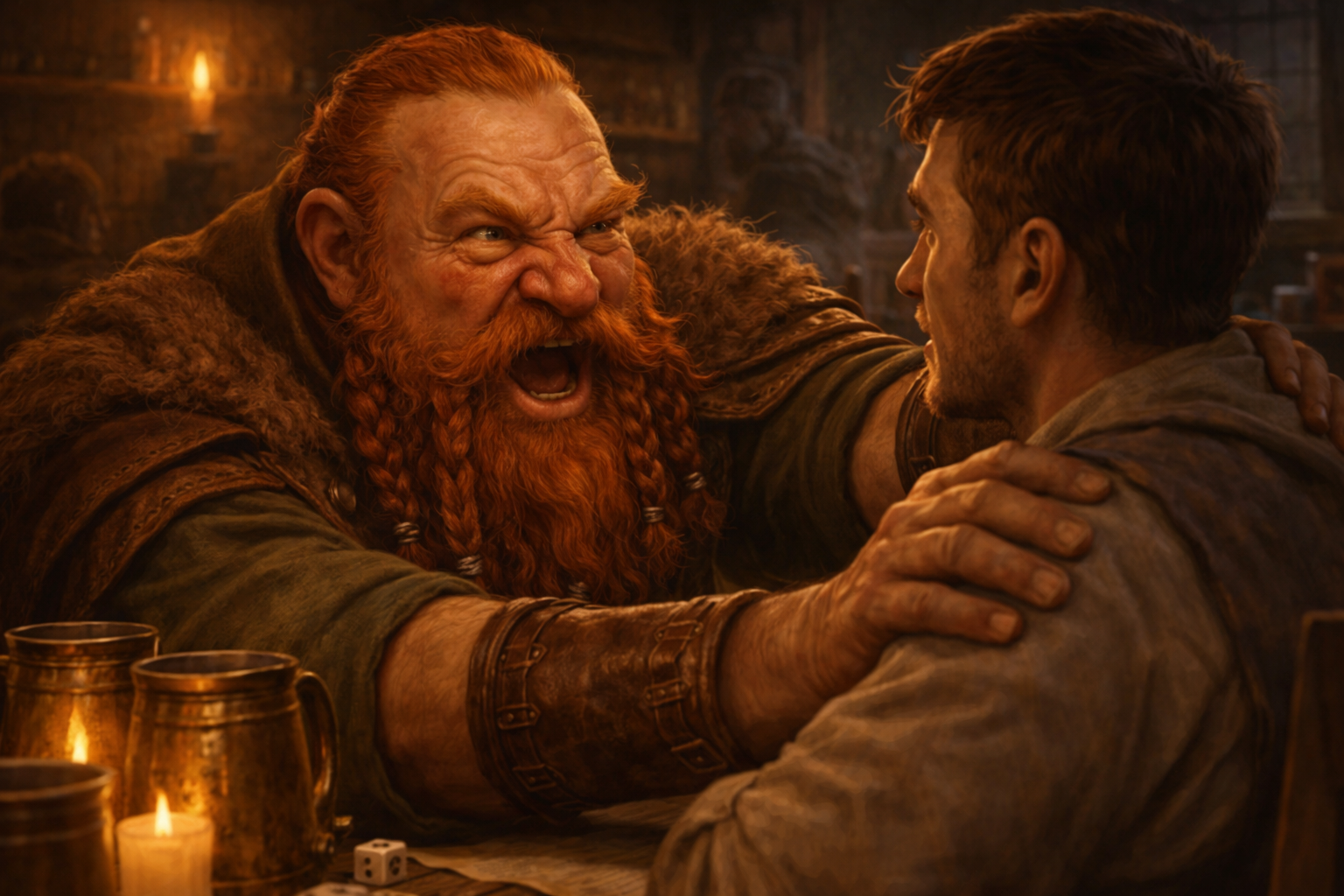
Imagine a typical early-session mistake unfolding in real time. Your character attempts an action during combat. You read your ability quickly and announce your move with confidence. Dice roll across the table, and the GM pauses to review the situation. After a brief moment, the GM gently explains that the ability does not function the way you thought it did.
You feel a moment of embarrassment. You worry that you misunderstood something obvious. Another player offers clarification, showing you where the rule is written. The GM adjusts the outcome and helps you choose an alternative action that fits the situation.
The game continues without disruption. The moment that felt uncomfortable to you fades into the flow of the session. Other players shift their focus to the next turn, and the story moves forward.
What felt like failure in your mind looked like learning in practice. Most mistakes are absorbed into the rhythm of the game rather than becoming defining moments.
What Most New Players Worry About (And What Actually Happens)
Mistakes often trigger fears that feel larger than the situation itself. Understanding the difference between fear and reality helps reduce unnecessary anxiety.
Fear: Making mistakes will ruin the game.
Reality: Most mistakes are corrected quickly and rarely affect the long-term story.
Fear: Other players will think I am unprepared.
Reality: Most players remember making similar mistakes during their own early sessions.
Fear: I should understand everything immediately.
Reality: Understanding grows through repetition and clarification over time.
Fear: Mistakes prove that I am not good at roleplaying.
Reality: Mistakes are the foundation of skill development.
If you want insight into how decisions evolve through trial and error, reading Why Position Timing and Target Choice Matter More Than Weapon Stats can help illustrate how thoughtful corrections lead to stronger performance.
What You Can Do In That Moment
When mistakes happen, the most helpful response is to remain calm and attentive. Instead of focusing on embarrassment, focus on understanding what happened. Asking for clarification immediately turns confusion into knowledge.
One useful habit is to repeat corrected information aloud. When someone explains a rule, restating it in your own words strengthens memory and reinforces understanding. This technique helps transform mistakes into long-term learning.
Another helpful strategy is to review your character’s abilities between sessions. Even brief familiarity reduces hesitation during active gameplay. Over time, repeated exposure turns unfamiliar abilities into comfortable tools.
Some players also benefit from using structured references to keep track of options during play. Exploring resources in the RPG Tools section can provide helpful frameworks that reduce uncertainty and improve decision-making.
Mistakes lose their power when they are treated as information rather than failure.
What Happens If You Avoid This Moment
Avoiding mistakes often leads to hesitation. If you become afraid of making errors, you may stop trying new ideas. That hesitation can reduce creativity and limit your involvement in the story.
Over time, fear of mistakes can create distance between you and the game. Instead of experimenting with new actions, you may repeat safe choices that feel predictable. That pattern reduces excitement and slows personal growth.
Avoidance also prevents learning. Without mistakes, there are fewer opportunities to correct misunderstandings. Without correction, confusion remains hidden beneath the surface.
Participation, even when imperfect, creates opportunity for improvement. Improvement builds confidence. Confidence reduces fear.
What Experienced Players Know That Beginners Don’t
Experienced players understand that mistakes are unavoidable during the early stages of learning. They recognize that every confident action they take today was once uncertain. Confidence was not inherited. It was built.
They also understand that mistakes create memorable moments. Some of the most entertaining scenes in tabletop games begin with unexpected errors. A failed roll, a misunderstood instruction, or a misplaced action can transform an ordinary moment into something unforgettable.
Another important realization among seasoned players is that mistakes deepen engagement. When players recover from errors together, they build trust and resilience. That shared recovery strengthens relationships within the group.
If you are interested in how cooperation transforms uncertainty into strength, reading The Quiet Player vs the Table Hog: How to Keep Both Happy Without Losing Your Mind provides useful insight into how group dynamics adapt during imperfect moments.
Your First-Time Player Check-In
Take a moment to reflect on your relationship with mistakes.
Have you ever felt embarrassed after misunderstanding a rule or choosing an ineffective action?
Have you noticed moments where hesitation followed a previous mistake?
Have you allowed fear of error to reduce your willingness to experiment?
Now consider how you might respond differently.
Are you willing to treat mistakes as learning opportunities rather than failures?
Are you willing to ask questions when confusion appears?
Are you willing to continue participating even after making an error?
These reflections help transform uncertainty into progress.
What To Remember Before Your Next Session
Mistakes are not obstacles that block progress. They are stepping stones that create it. Every skilled player carries a history of small errors that gradually turned into confidence. Those errors were not wasted time. They were essential practice.
Roleplaying games reward persistence. Each mistake adds clarity. Each correction builds familiarity. Each session strengthens understanding in ways that cannot be rushed. Over time, the mistakes that once felt uncomfortable become the foundation of skill, and the uncertainty that once felt intimidating becomes a source of confidence.
Let's Get You Ready For Your First Game