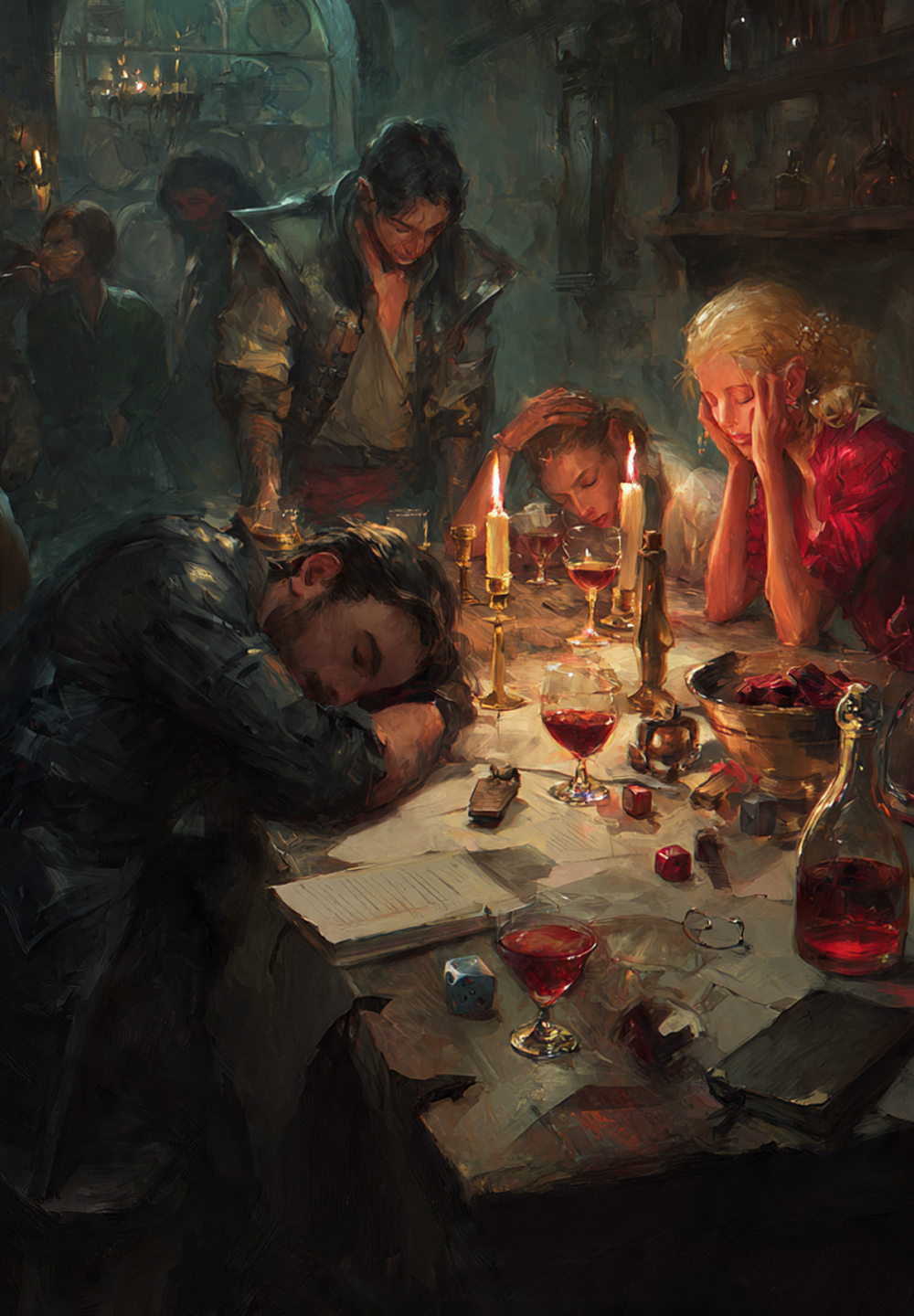
Running Your First Game: Letting Players Fail Without Punishing Them
Why This Skill Matters Before You Ever Roll Dice
Failure is one of the most misunderstood parts of running a game. Many first-time Game Masters fear failure because they assume it will frustrate players, derail the story, or create disappointment at the table. In reality, failure is one of the most important ingredients in memorable storytelling. Without failure, success loses meaning. Without risk, victory becomes routine.
The real danger is not failure itself, but punishment disguised as failure. There is a difference between allowing consequences and delivering punishment. Consequences move the story forward. Punishment shuts the story down. Consequences create tension and opportunity. Punishment creates frustration and fear.
A healthy game teaches players that failure is not the end of their story. It is a turning point. A locked door that refuses to open does not mean progress stops. It means new choices appear. A failed negotiation does not mean the story collapses. It means relationships change, alliances shift, and unexpected paths emerge.
Many pacing problems begin when failure is treated as defeat rather than development. Situations similar to those described in When Running the Game Starts Feeling Like Carrying the Room often arise when players become afraid to take risks because previous failures resulted in harsh consequences instead of meaningful outcomes.
This skill matters before your first die roll because the tone you establish around failure will shape how boldly your players act. If players believe mistakes will destroy their progress, they hesitate. If they believe failure will lead to new opportunities, they act with creativity and courage.
Failure should feel like movement, not punishment.
What This Skill Actually Looks Like at the Table
Letting players fail without punishing them requires intentional design. It means allowing outcomes to matter while ensuring the story remains alive.
Imagine this moment.
The party attempts to sneak into a guarded warehouse. One player rolls poorly on a stealth check. Instead of slipping inside unnoticed, they knock over a crate, sending wooden debris scattering across the floor.
A punitive response might end the attempt immediately.
“You failed the roll. Guards arrive instantly. You are surrounded and captured. The mission is over.”
That outcome shuts the story down and removes agency. The failure becomes final rather than meaningful.
A constructive response transforms failure into complication rather than collapse.
“You knock over the crate, and the noise echoes across the room. Footsteps approach from the far corridor. You have seconds to react. Do you hide behind the stacked barrels or try to bluff your way past the guards?”
The failure creates urgency without ending the mission. The story continues, tension increases, and players remain engaged.
Another example appears during problem-solving. If players attempt to decode a message and fail their investigation roll, the response should introduce new information rather than block progress entirely.
“You cannot decipher the full message, but one symbol stands out repeatedly. It resembles a crescent shape. You suspect it represents a location rather than a person.”
That partial success creates forward motion even in failure.
Approaches like these help prevent frustration from replacing engagement. If failures consistently halt progress, patterns similar to those described in When Everyone Adapts to Issues Instead of Addressing Them may develop, where players avoid risks instead of embracing challenges.
Failure handled correctly builds tension. Failure handled poorly builds hesitation.
The Most Common Mistakes New GMs Make With This Skill
Many early mistakes arise from misunderstanding what failure should accomplish. Recognizing these patterns helps prevent long-term frustration.
Turning failure into immediate defeat.
Ending encounters or missions abruptly removes momentum from the story.
Blocking progress completely.
When failure prevents any forward movement, players feel trapped rather than challenged.
Applying consequences that feel disproportionate.
Small mistakes should not trigger overwhelming punishment.
Allowing repeated failure without meaningful variation.
If every failure leads to the same negative outcome, players begin avoiding creative actions.
Confusing fairness with severity.
Fairness means consistency, not harshness.
If these patterns repeat across multiple sessions, risk-taking decreases. Players begin choosing only the safest options, and creativity fades. Situations similar to those described in When Small Tensions Keep Getting Pushed to Later may emerge, where frustration accumulates quietly rather than resolving naturally.
Failure should feel challenging, not discouraging.
How to Practice This Skill Before Your First Session
Failure design improves when preparation includes alternative outcomes rather than single-point success.
Practice writing multiple results for important actions.
Instead of planning only success or failure, include partial successes, complications, or delays.
Practice using failure to introduce new information.
Design scenes where failed rolls reveal clues, not just obstacles.
Practice balancing risk and recovery.
Ensure that consequences create pressure without removing agency.
Practice responding to failure with new choices.
When an action fails, offer players additional paths forward.
Practice describing failure as a shift rather than a stop.
Use language that emphasizes change instead of termination.
Frameworks available through The Game Master's Table provide helpful tools for designing encounters that support flexible outcomes.
Preparation transforms failure into opportunity.
What Happens If You Punish Failure Instead of Using It
Punishing failure creates hesitation that spreads slowly across sessions.
Session 1 introduces harsh consequences. A failed roll results in immediate setbacks that feel overwhelming.
Session 2 reveals cautious behavior. Players begin avoiding creative actions.
Session 3 produces repetitive choices. Only the safest strategies appear at the table.
Session 4 introduces disengagement. Some players participate less actively.
Session 5 results in reduced excitement. The story continues, but energy fades.
When failure consistently produces punishment, players begin protecting their characters rather than exploring the story. If this pattern continues, situations similar to those described in When the Table Keeps the Peace Instead of Fixing the Problem may develop, where risk disappears and creativity weakens.
Failure should create movement, not fear.
The Readiness Check
Take time to reflect honestly on the following questions.
Can you allow failure to happen without feeling the need to protect players from every setback?
Can you design consequences that introduce new challenges instead of ending progress?
Can you balance tension without overwhelming the table?
Can you encourage risk-taking without removing meaningful stakes?
Can you treat failure as a storytelling tool rather than a punishment?
These questions help measure readiness to guide failure constructively.
Are you ready to let failure become part of the story?
Quick Reference Summary
What this skill does
Letting players fail without punishing them strengthens creativity, builds tension, and keeps the story moving forward.
When to use it
Use this skill whenever dice rolls fail, plans collapse, or unexpected outcomes appear.
One sentence to remember
Failure should create new paths, not closed doors.
If you are developing encounter design skills or exploring tools that support flexible storytelling, resources available through RPG Tools and community insights within The Tavern Network can provide valuable guidance.
The First-Time GM Reality Note
Allowing failure feels uncomfortable at first because it introduces uncertainty. You may worry that mistakes will derail the story or frustrate the group. Over time, you will discover that failure often creates the most memorable moments in your game. Players remember narrow escapes, unexpected setbacks, and the clever solutions that followed. Those moments build confidence, strengthen teamwork, and transform simple encounters into lasting stories
Continue Prepping For Your First Campaign