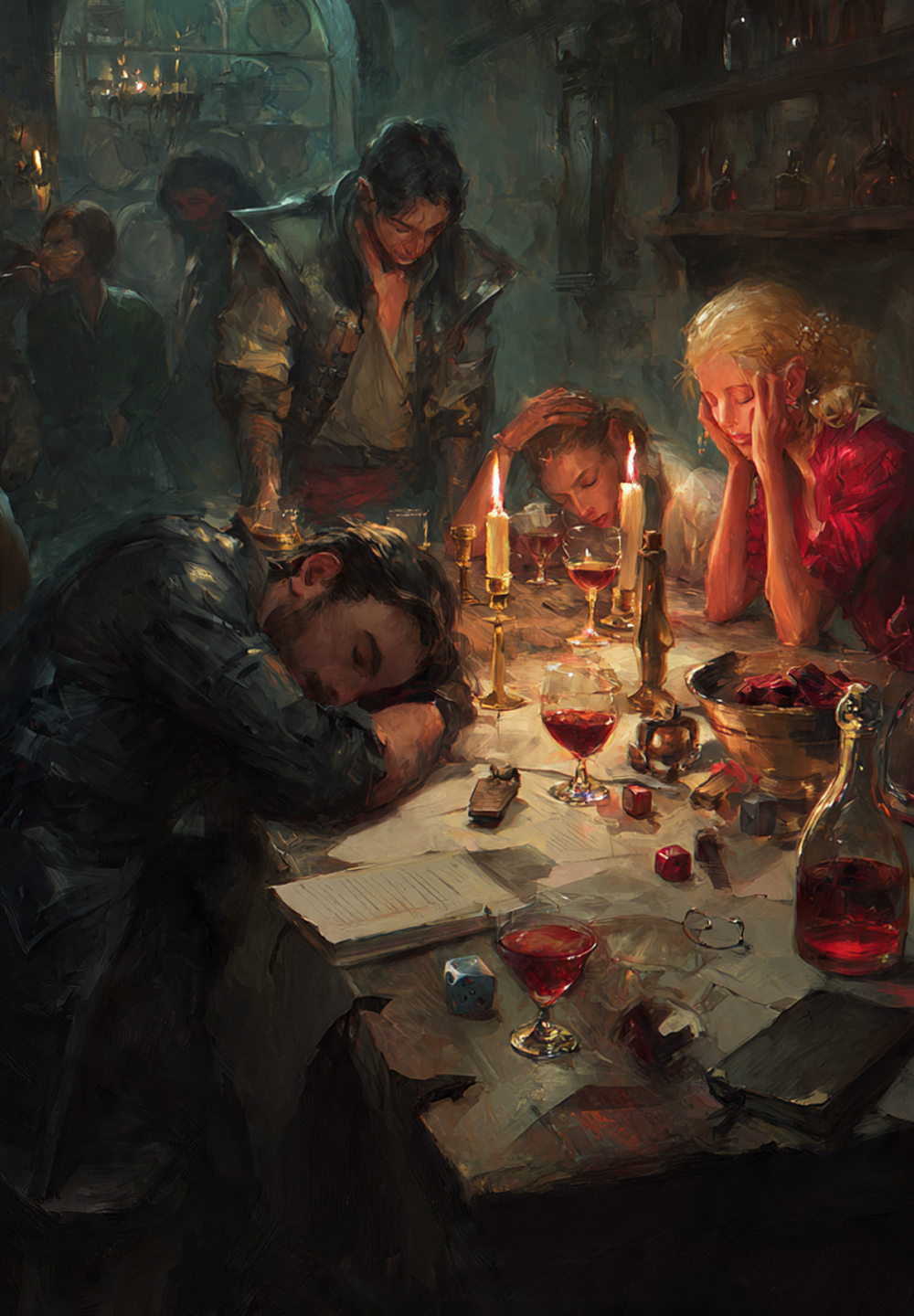
When the Table Keeps the Peace Instead of Fixing the Problem

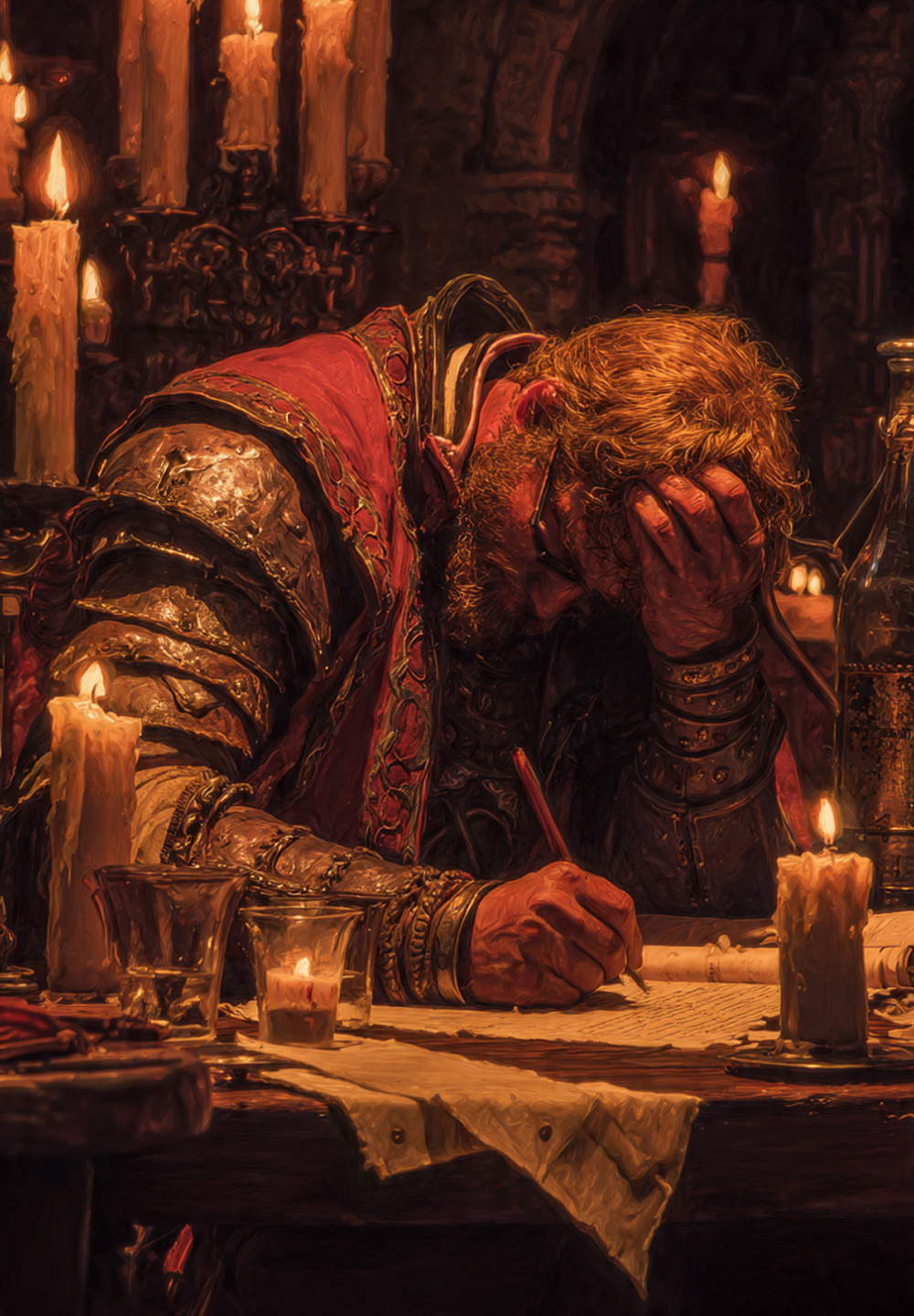
“Ah, there it is again. That polite little nod. That tight smile. That ‘aye, it’s fine’ when it very clearly is NOT fine. By Margann’s crusty beard, I’ve watched whole companies of brave adventurers crumble because they’d rather keep the peace than mend the crack in the shield. Listen, laddie, peace ain’t the same as health. A tavern that’s too quiet usually means someone’s stewin’. And stew left unattended? Burns the pot.”
There’s a difference between harmony and avoidance.
And sometimes at a D&D table, the group chooses quiet over clarity.
No arguments.
No open tension.
No raised voices.
Just… subtle misalignment.
On the surface, everything looks stable. But underneath? Something’s off.
The Illusion of “We’re All Good”
Keeping the peace feels noble.
No one wants to be the one who disrupts the vibe. Especially in a hobby built on shared fun. So instead of addressing the problem, the table gently steps around it.
The player who interrupts? Everyone adjusts.
The GM who steamrolls pacing? Players adapt.
The tone that shifted too dark? Nobody mentions it.
It’s not explosive. It’s quiet.
And that’s exactly why it’s dangerous.
You start to see patterns like the ones discussed in The Small Behaviors That Quietly Push a Party Toward Collapse — nothing dramatic, just small compromises stacking up.
Peace is preserved.
But the problem remains.
Why We Choose Peace Over Resolution
Most players don’t avoid conflict out of laziness.
They avoid it because they value the group.
They think:
“It’s not worth risking the friendship.”
“It’s just a game.”
“I’ll deal with it.”
And sometimes they’ve already struggled with speaking up before — maybe even after reading something like How to Speak Up Without Freezin’ at the Table — but in the moment, it still feels heavy.
So they choose stability.
They choose silence.
They choose peace.
But peace without resolution is fragile.
What Happens When Problems Aren’t Named
When a table consistently avoids naming issues, three things tend to happen:
First, players emotionally withdraw.
Second, assumptions grow.
Third, frustration quietly hardens.
You end up in a dynamic similar to what’s described in The Strongest Character at the Table Is the One Who Listens — except listening becomes passive instead of active.
Everyone hears.
No one addresses.
Eventually someone stops investing as much.
Then someone else.
And then suddenly it feels like what’s described in When the Table’s Full but It Feels Empty — technically intact, emotionally thinning.
The Quiet Fix Beats the Quiet Resentment
If something at your table feels off, the healthiest move isn’t to endure it.
It’s to clarify it.
Not aggressively.
Not publicly.
Not in the middle of initiative order.
But gently.
“Hey, can I check something with you?”
“I’ve been feeling a little weird about this.”
“Can we adjust how we handle that?”
Peace that’s built on honesty lasts longer than peace built on suppression.
And if you’re afraid you’re overreacting, ask yourself this:
Has this bothered me more than once?
If the answer is yes, it’s worth at least a conversation.
The Cost of Endless Adjustment
Here’s the part most people don’t admit:
Constantly adjusting to avoid conflict is exhausting.
You change your expectations.
You change your play style.
You change how much you speak.
And over time, you don’t recognize your own presence at the table anymore.
That’s when you start wondering if you’re the problem — a spiral described in Why Your Party Keeps Falling Apart (And How to Stop Being the Reason).
But not every discomfort is self-inflicted.
Sometimes the bravest act at a table isn’t rolling high.
It’s speaking calmly.
How to Break the “Let’s Just Keep the Peace” Cycle
Resolution doesn’t require drama.
It requires clarity.
Instead of pretending nothing’s wrong, try:
Addressing issues early.
Framing concerns around your experience.
Asking for small adjustments instead of sweeping change.
Healthy tables don’t fracture from conversation.
They fracture from buildup.
And if you’re unsure how to approach your group or GM, reflect on the ideas in The Right D&D GM Won’t Fix Ya — But He’ll Hold Space While Ya Mend. Good leadership isn’t about eliminating discomfort — it’s about creating room to talk through it.
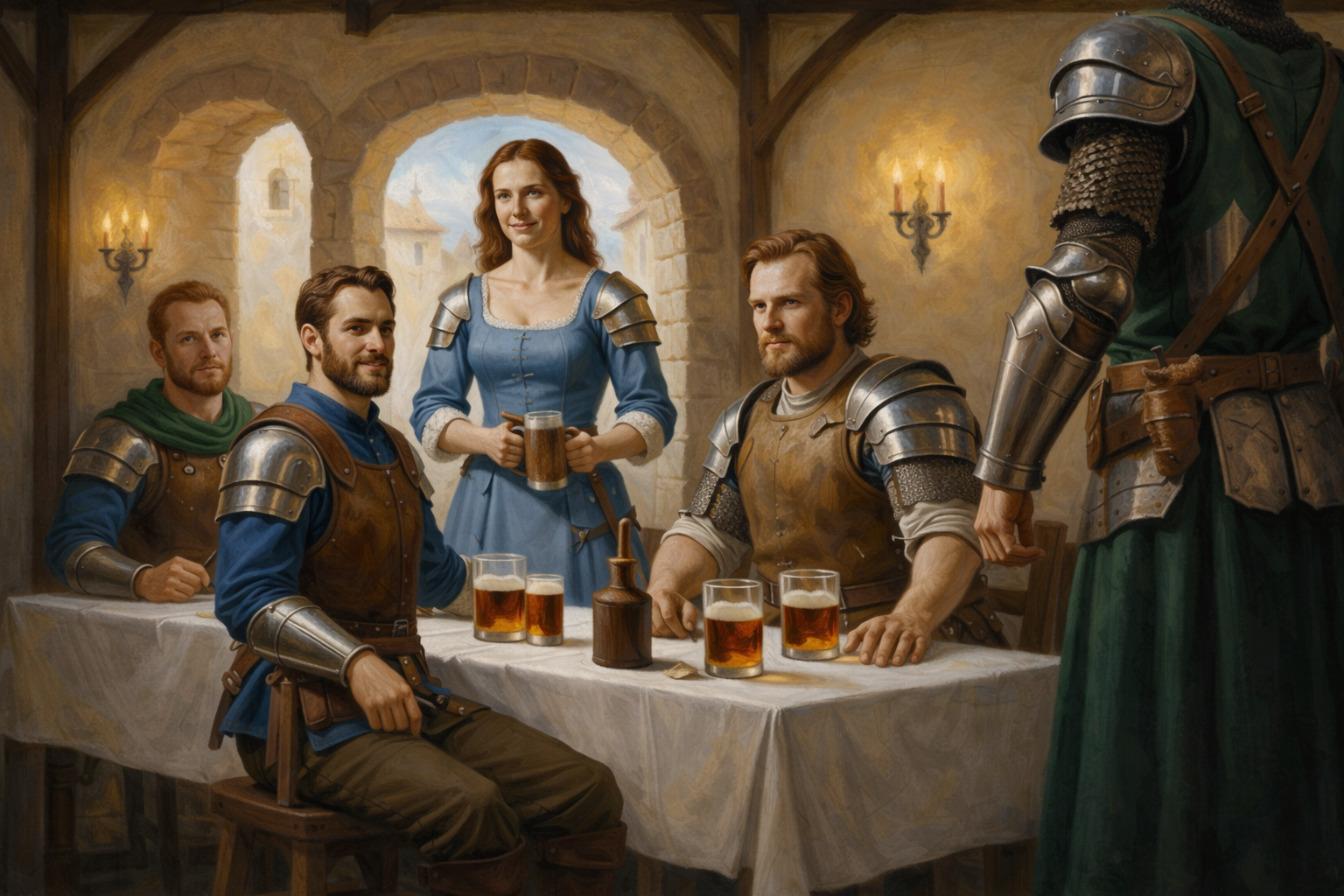
A Strong Table Isn’t a Silent One
If you care about your campaign, don’t confuse calm with health.
A table that can respectfully address tension is far stronger than one that simply avoids it.
If something’s off, say so — kindly.
If someone brings something up, listen — fully.
That’s how campaigns last years instead of seasons.
If you want to understand more about the spirit behind this tavern, you can always read the About Mike’s Tavern page, check common concerns in the FAQ, or reach out directly through the Contact Page.
No table grows stronger by stepping around cracks in the floorboards.
Fix the board.
Then keep adventuring.
Quick FAQ
Q: Isn’t keeping the peace better than starting conflict?
Temporary peace can prevent drama in the short term. But long-term stability comes from resolving issues, not avoiding them.
Q: What if the issue feels small?
Small issues that repeat stop being small. Address patterns, not single moments.
Q: How do I bring something up without sounding accusatory?
Speak from your experience. Focus on how you feel rather than what someone “always” does.
Q: What if everyone else seems okay with it?
You’re still part of the table. Your comfort matters too.
More from the Tavern