Running Your First Game: Keeping the Game Moving When Players Freeze
Why This Skill Matters Before You Ever Roll Dice
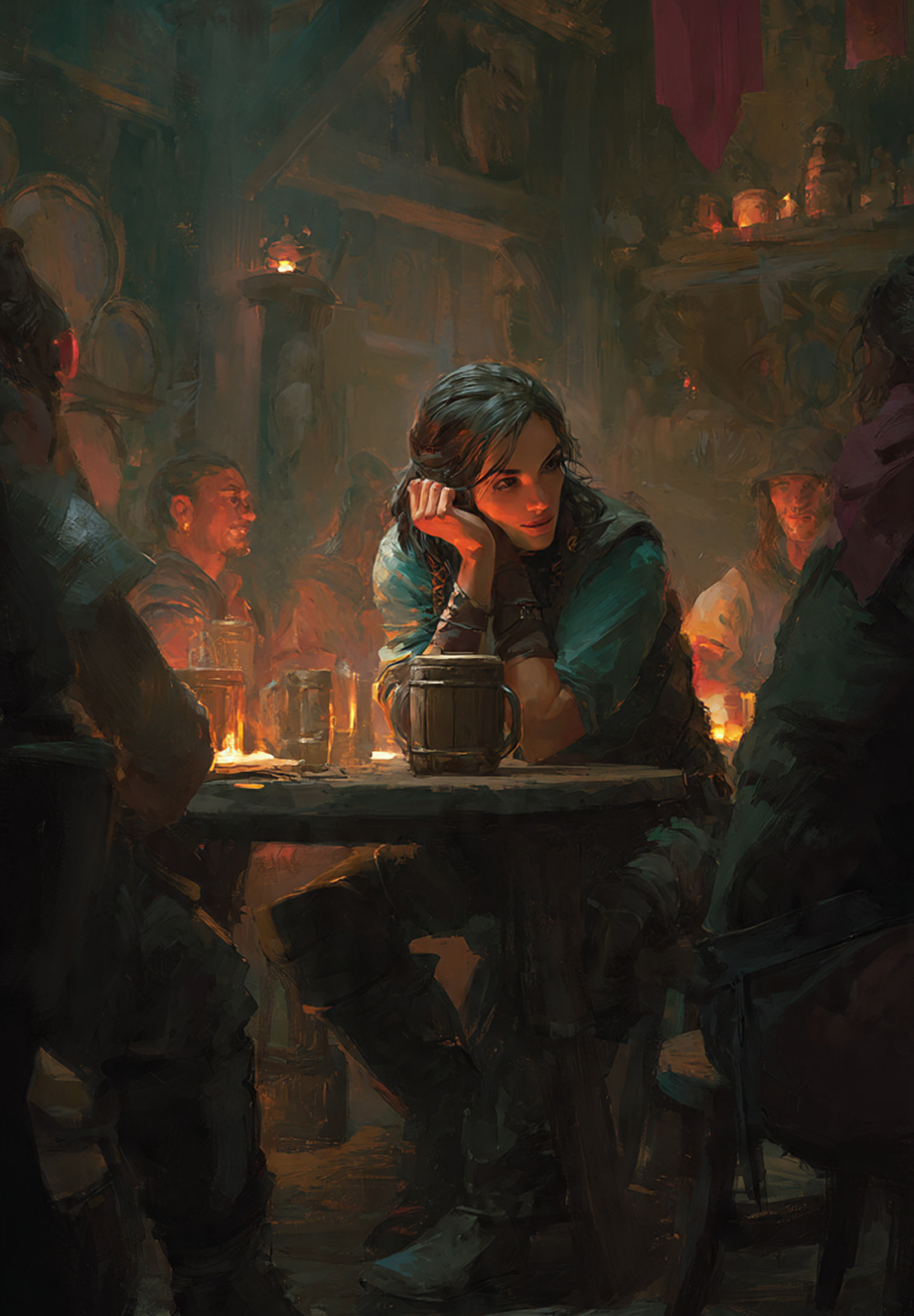
One of the most uncomfortable moments for a new Game Master happens when everything suddenly goes quiet. You describe a scene. You look up. The players stare back at you. No one moves. No one speaks. Dice sit untouched. The room feels heavier than it did a moment ago.
If you are new to running games, this silence can feel like failure. It can feel like you have done something wrong, or that the players are bored, confused, or waiting for you to fix something. In reality, frozen moments are normal. They happen at nearly every table, especially when players are unsure what their options are or afraid of making the wrong move.
Keeping the game moving does not mean forcing players to act. It means helping them feel safe enough to act.
When players freeze, it is rarely because they lack ideas. More often, they are overwhelmed by choices or uncertain about consequences. A listening Game Master notices hesitation, but a steady Game Master also provides direction when hesitation becomes paralysis. That balance keeps the session alive.
If small moments of hesitation are ignored repeatedly, they can quietly grow into long-term problems. Many tables drift into slower and slower pacing because no one addresses early signs of uncertainty. Patterns like those described in When Small Tensions Keep Getting Pushed to Later often begin with moments that feel harmless at first.
This skill matters before your first die roll because frozen players are not rare events. They are expected events. Knowing how to respond calmly allows you to maintain rhythm without pressure. When rhythm stays intact, confidence grows naturally across the table.
You do not need to eliminate silence. You need to guide movement after silence.
What This Skill Actually Looks Like at the Table
Imagine this moment.
The party enters a room. You describe the flickering torchlight, the old stone walls, and the sound of distant dripping water. You finish speaking and wait for their response.
No one says anything.
One player looks at their sheet. Another glances at the others. Someone shrugs slightly. Ten seconds pass. Then fifteen.
A new Game Master might panic here. They might rush to add more description or suddenly introduce danger just to force movement. The moment becomes tense instead of productive.
A steady Game Master responds differently.
They wait briefly, allowing players time to think. Then they offer structure.
“You can check the room, listen at the door, or move deeper into the corridor. What sounds interesting to you?”
That one sentence changes everything.
Instead of forcing action, you provide direction. Instead of overwhelming players, you narrow the field of choices. Movement resumes naturally.
Sometimes, freezing happens during decision-making.
A player whispers, “I don’t know what to do.”
A steady Game Master answers:
“That’s okay. Tell me what your character is worried about right now.”
That question shifts the focus from perfection to intention. The player responds. The game continues.
If pacing has ever felt slow or stalled in games you have observed, you may recognize patterns discussed in When Running the Game Starts Feeling Like Carrying the Room. Many stalled tables are not caused by difficulty. They are caused by hesitation left unaddressed.
Movement is rarely restored through pressure. It is restored through clarity.
The Most Common Mistakes New GMs Make With This Skill
Freezing moments create pressure, and pressure often leads to reactive decisions. Recognizing these mistakes early helps prevent long-term pacing problems.
Talking too much when silence appears.
Many new Game Masters respond to hesitation by adding excessive description. Instead of helping, this often overwhelms players further.
Introducing sudden danger too quickly.
Forcing action through surprise threats can create panic rather than momentum. Fear-driven movement rarely produces good decisions.
Assuming players are bored when they are actually thinking.
Silence does not always mean disengagement. It often means processing information.
Waiting too long without offering direction.
While patience matters, extended silence without structure can make players feel abandoned rather than supported.
Answering questions players never asked.
Sometimes Game Masters try to predict confusion instead of listening for it. This creates unnecessary noise.
If hesitation becomes routine without intervention, tables can drift into patterns similar to those described in Good Tables, Bad Tables Part 3: When “That’s Just How They Play” Isn’t Good Enough. What begins as small delays slowly becomes accepted dysfunction.
Mistakes are not dangerous. Repeated patterns are.

The Tavern Toolset
Lets get you started on your first adventure, Game Master! Take these tools, laddie, these ones are on me!
How to Practice This Skill Before Your First Session
Momentum is a skill that can be practiced without a full group. Small exercises prepare you to guide frozen moments without stress.
Practice offering structured options.
Describe a simple scenario to yourself, such as entering a room or encountering a traveler. Then list three possible actions aloud. This trains you to provide direction without removing freedom.
Practice timing your silence.
Set a timer and wait five seconds before speaking after asking a question. Learn to tolerate thinking space without rushing.
Practice narrowing choices.
Take complex decisions and reduce them to two or three clear possibilities. This makes future in-game prompts easier to deliver.
Practice asking guiding questions.
Instead of telling players what to do, practice asking questions like, “What are you most worried about?” or “What would your character notice first?”
Practice continuing narration gently.
If players remain unsure, learn to move the world forward slightly. Describe a sound, a movement, or a change that invites response instead of demanding it.
If you are building your preparation habits, exploring The Game Master's Table can help you design sessions that naturally support forward motion instead of hesitation.
Momentum begins before the first session ever starts.
What Happens If You Ignore This Skill
Ignoring frozen moments rarely causes immediate collapse. Instead, the pace of the game gradually weakens.
Session 1 — Hesitation appears briefly.
Players pause longer than expected before making decisions. The Game Master waits uncertainly.
Session 2 — Momentum becomes uneven.
Some moments move quickly while others stall completely. Players begin second-guessing choices.
Session 3 — Confidence drops.
Players hesitate before taking risks. They begin looking to others for reassurance before acting.
Session 4 — Engagement weakens.
Energy at the table fluctuates. Some players withdraw while others grow impatient.
Session 5 — Sessions feel heavy.
The game feels slower than expected, even when content is interesting. Momentum disappears without clear explanation.
When hesitation goes unaddressed, it quietly reshapes the table.
If unresolved tension continues accumulating, patterns like those described in When Everyone Adapts to Issues Instead of Addressing Them may begin forming beneath the surface.
Momentum is not about speed. It is about continuity.
The Readiness Check
Take a moment to consider these questions honestly.
Can you recognize when silence means thinking rather than boredom?
Can you offer two or three clear options instead of leaving players overwhelmed?
Can you wait briefly before stepping in to guide movement?
Can you ask questions that help players focus instead of freezing?
Can you move the world forward gently when hesitation lasts too long?
These questions are not meant to create pressure. They are meant to help you recognize readiness.
Are you ready to run a game with this skill in your hands?
Quick Reference Summary
What this skill does
Keeping the game moving when players freeze protects pacing and confidence. It helps players recover from hesitation without feeling forced or embarrassed.
When to use it
Use this skill whenever players hesitate for extended periods, struggle with decisions, or appear overwhelmed by options.
One sentence to remember
When players freeze, provide direction, not pressure.
If you are exploring tools and systems that support smoother pacing, resources available through RPG Tools and the broader Tavern Network can help you discover additional methods used by experienced Game Masters.
The First-Time GM Reality Note
Players freezing does not mean you failed.
It means they are thinking, weighing choices, and stepping into unfamiliar territory. That hesitation is part of the learning process for everyone at the table, including you.
Your role is not to eliminate uncertainty. Your role is to guide movement through it.
If the game slows, do not panic. Offer direction. Provide clarity. Then let the story move again.
Be Prepared Before Your First Campaign