A Great Tabletop Community Is Worth More Than Perfect Rules Knowledge
Perfect rules knowledge is useful.
Nobody is denying that.
A player who knows their class, understands their actions, and does not need twenty minutes to remember how opportunity attacks work is a blessing at any table.
But rules knowledge is not what keeps most campaigns alive.
Community does.
A campaign can survive a mistaken ruling. It can survive someone forgetting a modifier. It can survive a GM needing to check a spell description in the middle of combat while everyone stares into the snack bowl like it holds ancient prophecy.
What a campaign struggles to survive is a cold table.
A table where new players feel judged. A table where nobody helps each other. A table where people care more about being correct than being welcoming. A table where every mistake becomes a trial and every session feels like an exam.
That is why a great tabletop community is worth more than perfect rules knowledge.
Rules Teach the Game, But Community Keeps People Playing
Rules help people understand what they can do.
Community helps them want to return.
A beginner can learn how advantage works. They can learn spell slots. They can learn skill checks, combat turns, initiative, and all the little mechanical bits that make the game function.
But if the table makes them feel foolish for not knowing everything immediately, they may never stay long enough to learn.
That is where good tabletop spaces matter. A welcoming venue, a patient GM, and a forgiving group can turn a nervous first session into the beginning of a long campaign.
This is part of why How the Tavern Network helps players and GMs find better tables matters. Finding a table is not only about finding open seats. It is about finding places where players can actually belong.
Nobody Wants to Be Corrected Into Misery
There is a right way to help.
And there is a way that makes people want to shove their character sheet into a fireplace.
Rules corrections should serve the table, not the ego of the person correcting.
If a player is confused, help them kindly. If a GM makes a tiny mistake that does not matter, maybe let it pass. If a ruling genuinely affects the game, raise it politely and quickly.
Do not turn every moment into a rules lecture.
A campaign is not a university exam guarded by a smug owlbear in spectacles.
Players remember how they felt at the table far more than they remember whether every rule was handled perfectly. If the group feels supported, small mistakes become part of the night. If the group feels judged, even accurate corrections start to feel hostile.
Good Communities Make New Players Brave
New players rarely need perfect explanations.
They need permission to try.
They need someone to say, “That is fine, we will help ya through it.”
They need a table that does not laugh at honest confusion.
They need a space where asking basic questions does not feel like admitting failure.
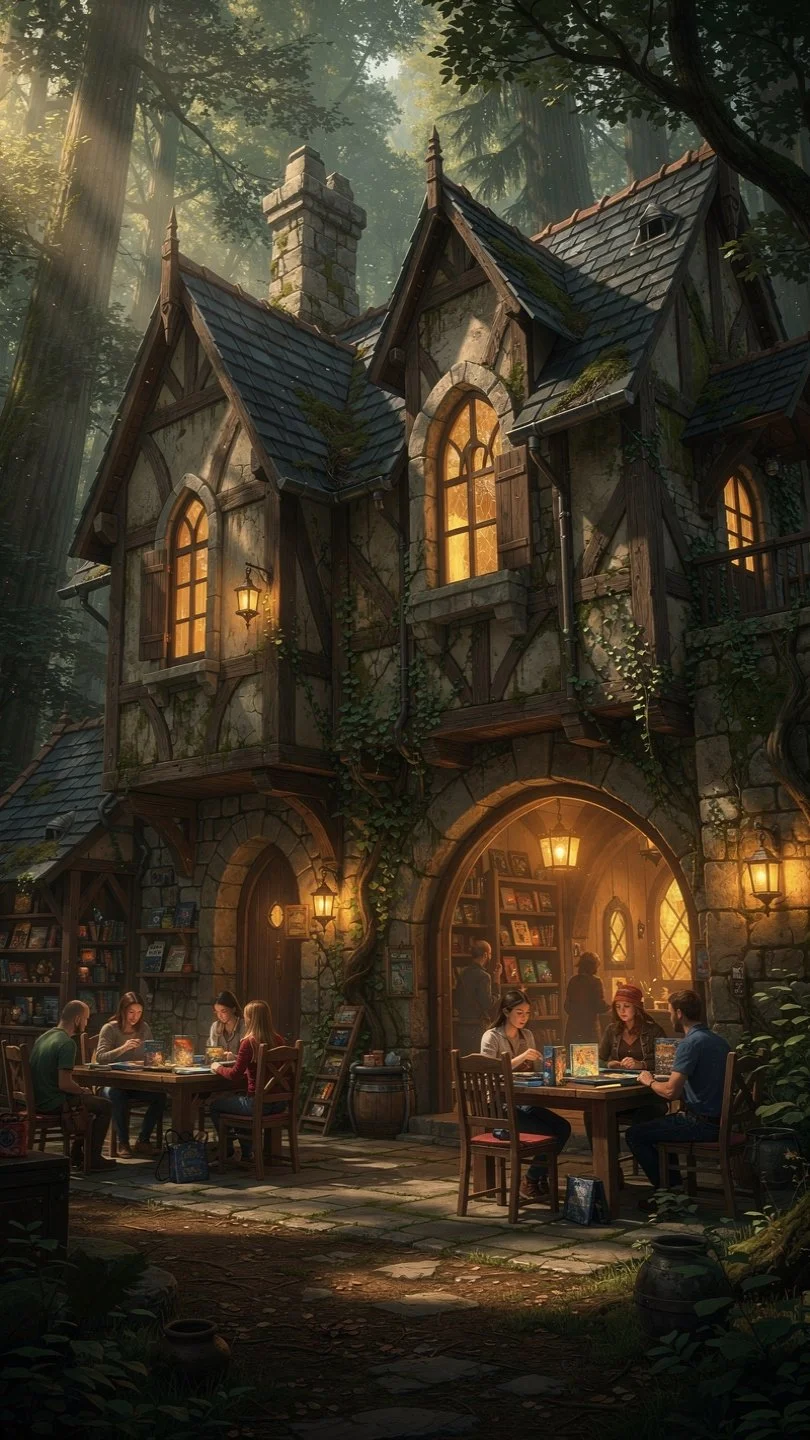
This is where public gaming venues can become powerful entry points into the hobby. Places like ME Café & Games Singapore, Pixels & Pieces Singapore, and Meeples Games show why the surrounding environment matters. The room itself can make tabletop gaming feel approachable instead of intimidating.
A brave new player becomes an engaged player.
An engaged player becomes part of the community.
And a strong community creates more future tables.
The Best Players Share Knowledge Without Showing Off
There is nothing wrong with being experienced.
Veteran players can be one of the greatest gifts at a table, especially when they use their knowledge generously.
The problem starts when knowledge becomes performance.
The player who constantly corrects others. The player who quotes rules to dominate scenes. The player who uses system mastery to make newer players feel small. The player who treats every misunderstanding like proof that someone does not belong.
That kind of knowledge damages the table.
The best veteran players do the opposite. They explain clearly. They step back when needed. They offer options instead of commands. They help the GM keep the game moving. They make the table feel safer, not smaller.
That is the difference between being useful and being unbearable.
Strong Communities Survive Imperfect Sessions
Every campaign has bad sessions.
The pacing drags.
The dice hate everyone.
The GM is tired.
Players are distracted.
The villain speech gets interrupted by someone asking if anyone wants fries.
A weak group treats one rough session like evidence that the campaign is doomed.
A strong community laughs, adjusts, forgives, and returns next week.
That resilience matters more than perfect mechanics. A campaign that can recover from awkward moments has a future. A campaign where every mistake becomes resentment does not.
This is one reason Casual Community Hubs vs Competitive Play Venues is such an important comparison. The emotional texture of the environment shapes how forgiving and sustainable a campaign feels over time.
Venue Culture Shapes Table Culture
A campaign does not exist in a vacuum.
The venue around it influences how people behave.
A welcoming store encourages patience. A cozy café encourages conversation. A respectful community hub encourages players to treat the space and each other better. A chaotic or overly competitive environment may suit some groups, but it can make others feel rushed, tense, or invisible.
That is why choosing the right space matters before the campaign even begins.
What the Tavern Network can actually do before session one even begins gets at this exact point. Good tables are easier to build when the environment supports the kind of campaign ya are trying to run.
Places like Phoenix Comics & Games Seattle and Reckenecke Dresden matter not only because they provide physical space, but because the right venue culture can help campaign culture grow stronger.
The Game Is Better When People Feel Like They Belong
Rules make the game playable.
Belonging makes it memorable.
Players who feel welcome take bigger creative risks. They roleplay more confidently. They ask better questions. They support each other. They forgive mistakes. They stay engaged through slower sessions because the table feels worth returning to.
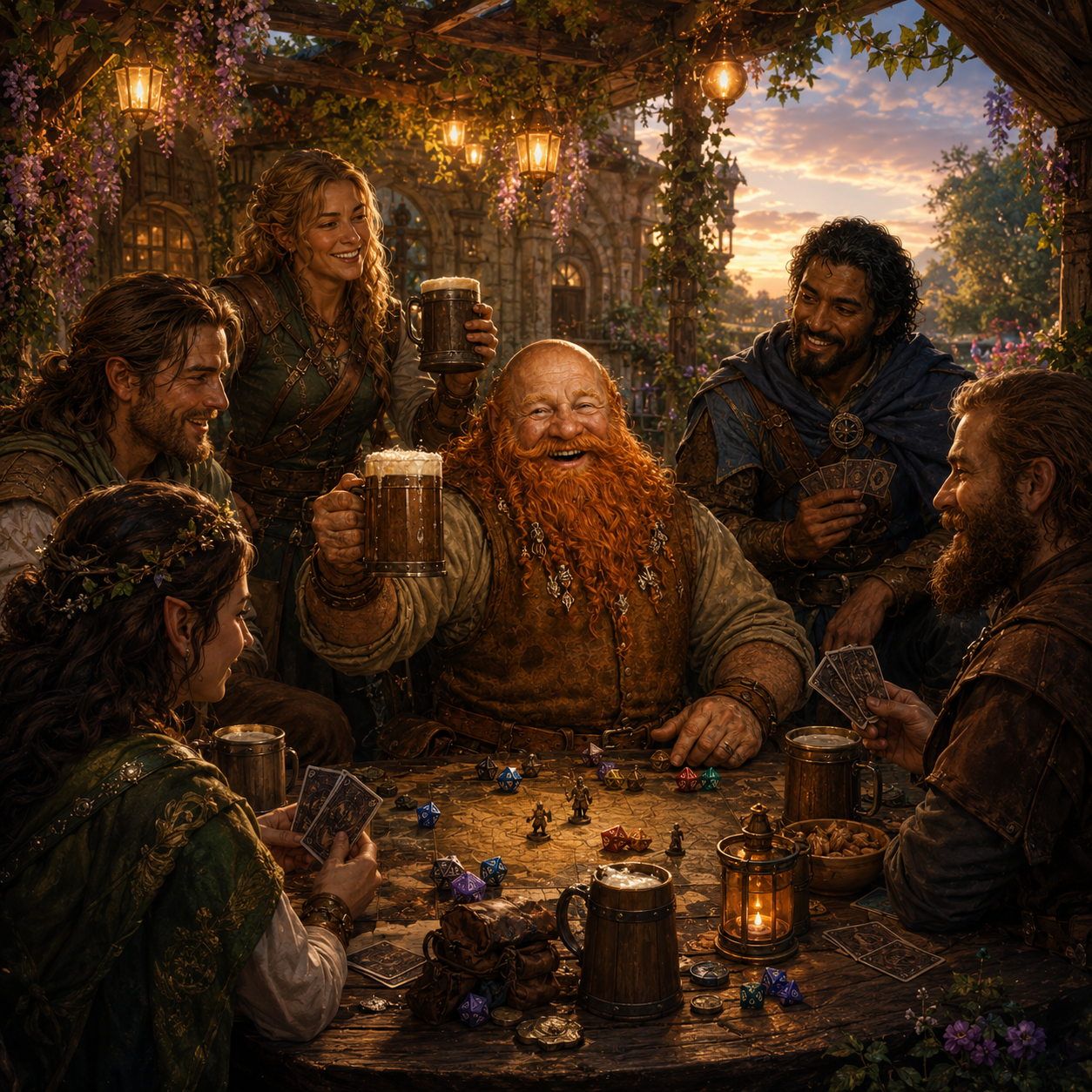
That is what great tabletop communities do.
They turn strangers into party members.
They turn party members into friends.
They turn one campaign into years of stories.
Perfect rules knowledge can sharpen a game.
But community keeps the fire lit.
And any adventurer who forgets that is just polishing a sword while the tavern burns down around them.
More Tavern Goodness For You!