Why Some D&D Campaigns Survive for Years While Others Collapse in Three Sessions

Some D&D campaigns become legends.
Not because every session was perfect. Not because every player knew every rule. Not because the GM never forgot an NPC name and had to pretend “Borgle Candleknees” was important all along.
They survive because the group has roots.
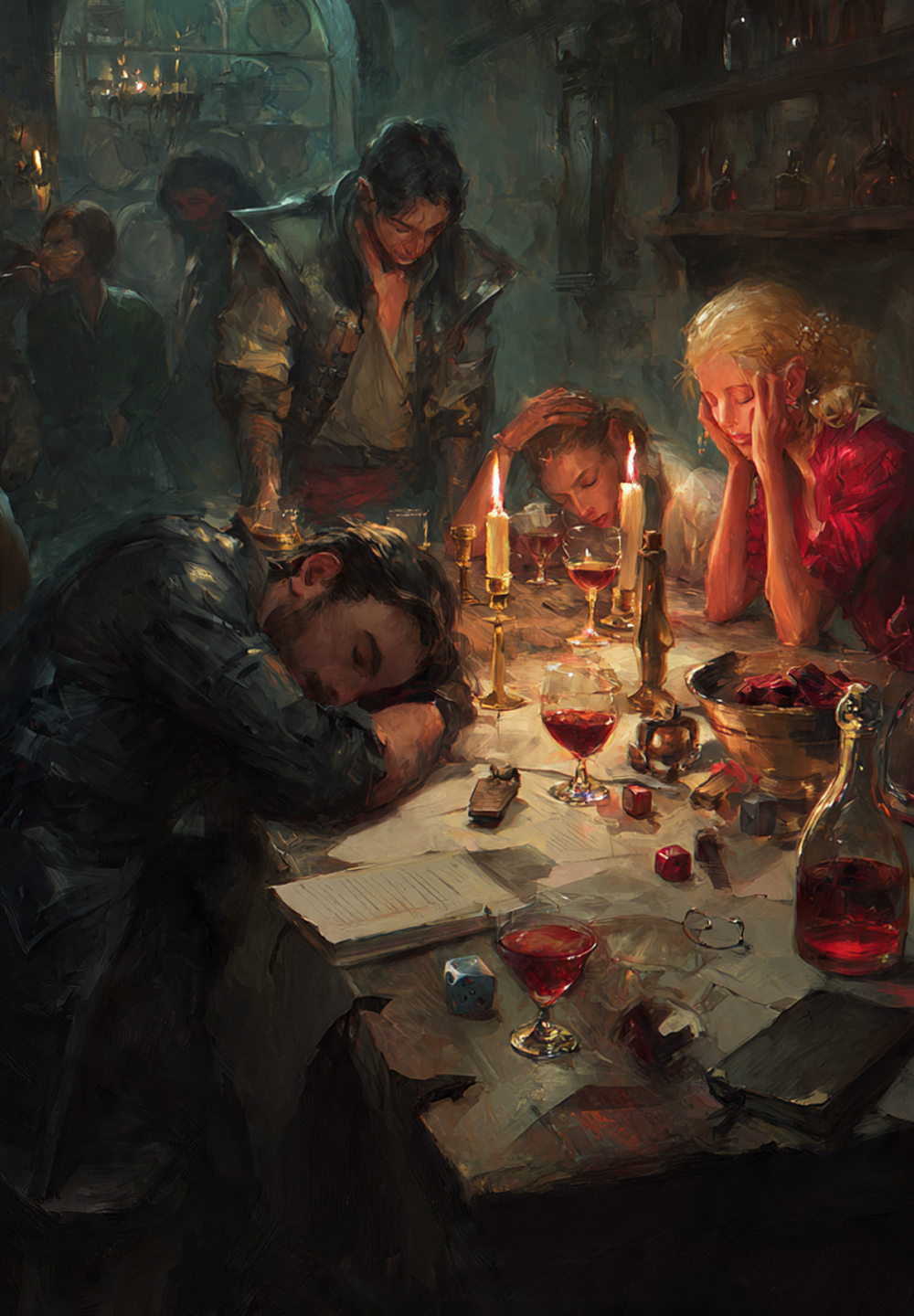
Other campaigns collapse before they have time to grow. Session one feels exciting. Session two gets messy. Session three arrives with awkward silence, missing players, vague excuses, and a GM staring at their notes like a dwarf watching a bridge catch fire.
The difference is rarely one single thing.
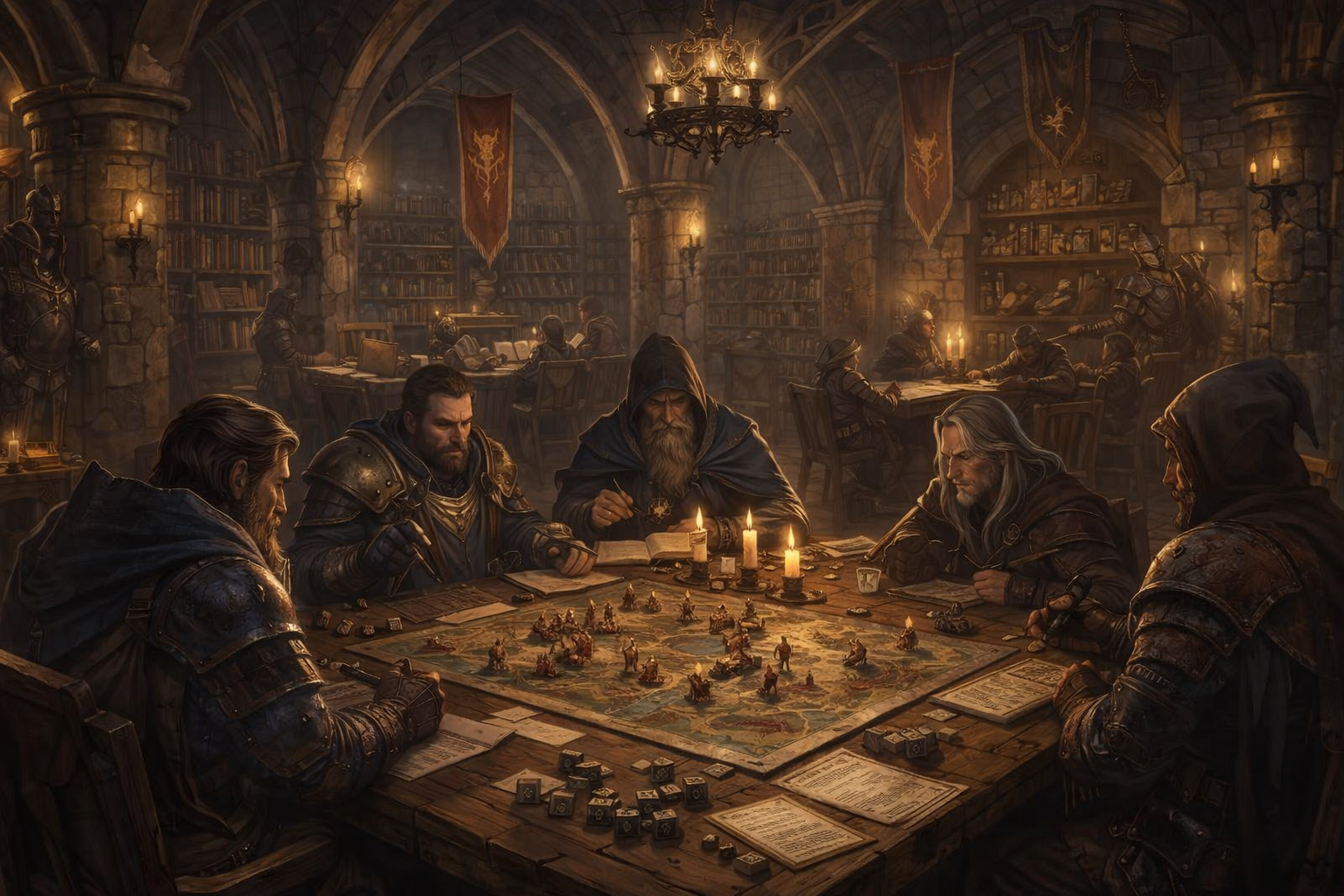
Long campaigns survive because the table, the venue, the expectations, and the people all support each other well enough to keep returning.
Strong Campaigns Have a Place to Belong
A campaign needs more than a calendar invite.
It needs a place where people can imagine themselves coming back again and again.
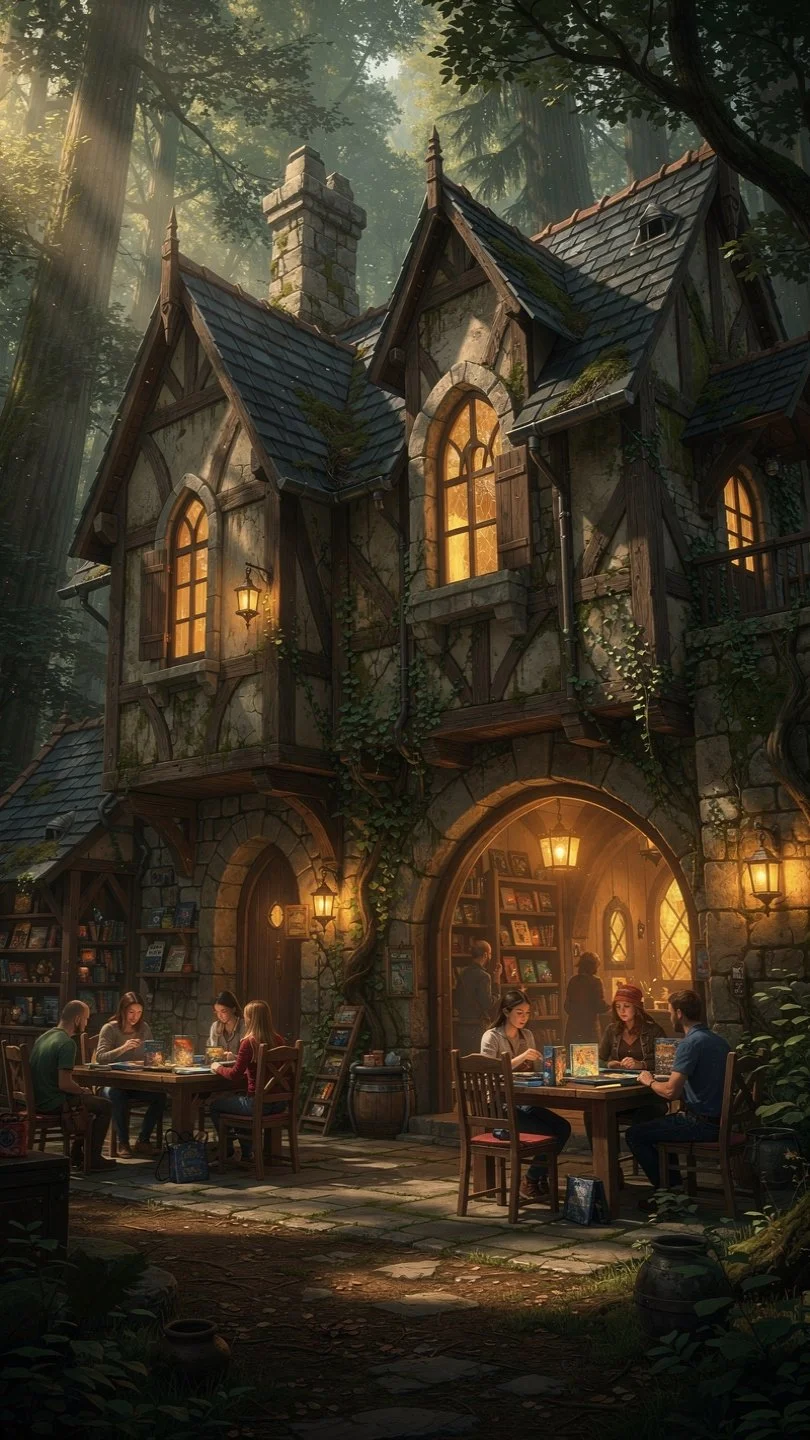
That might be a cozy café, a local game store, a regular community room, or a familiar corner where the group starts to feel anchored. The space becomes part of the ritual.
That is why venue choice matters so much. The Tavern Network exists because finding a tabletop venue is not just about finding chairs. It is about finding a place where stories can survive long enough to matter.
A campaign without a stable home can still work, but it has to fight harder.
Comfort Beats Novelty Over Time
The first session can run on excitement.
The fifth cannot.
By then, the group needs practical comfort. Can everyone get there? Is the table big enough? Is the noise level tolerable? Can players hear each other? Does the venue feel welcoming after the newness fades?
A campaign that begins in an awkward space may still feel fun at first. But inconvenience becomes heavier with time.
That is why articles like Casual Community Hubs vs Competitive Play Venues matter. A venue that suits a one-shot may not suit a year-long campaign.
Long campaigns are not built on one glorious night.
They are built on repeatable comfort.
The Best Groups Share Expectations Early
Many campaigns die because everyone thought they were playing a different game.
One player wants tactical combat.
Another wants emotional roleplay.
Another wants jokes and chaos.
The GM wants a serious political saga.
Nobody says this clearly until frustration has already taken root.
Strong campaigns survive because expectations are handled early. That does not mean every detail needs to be carved into stone. It means the table has enough shared understanding to avoid constant disappointment.
What the Tavern Network can actually do before session one even begins points toward this same truth. A better start often prevents a painful collapse later.
Good Communities Keep Players Coming Back
A campaign survives when players want to return even after an imperfect session.
That depends on community.
A good group forgives rough nights. It makes new players feel welcome. It lets quieter players speak. It does not punish people for asking questions. It supports the GM instead of treating them like a machine built to dispense entertainment.
Public venues can help this happen when their atmosphere supports patience and connection. Places like ME Café & Games Singapore, Pixels & Pieces Singapore, and Phoenix Comics & Games Seattle show why environment and community should never be treated as separate things.
The room shapes the table.
The table shapes the campaign.
Weak Campaigns Ignore Small Friction
Campaign-ending problems often begin as tiny annoyances.
One player is always late.
Another keeps interrupting.
The venue is too loud.
The commute is annoying.
The GM is tired.
Nobody wants to admit the story is not working.
These little things do not feel urgent at first. So the group ignores them.
Then they stack up.
By the time the campaign collapses, everyone acts surprised, even though the warning signs were sitting on the table for weeks like a cursed idol nobody wanted to touch.
Articles like When Session Zero Didn’t Save You and When Yer Table’s Crumblin’ and Yer Torch Is Burnin’ Low exist because many table problems are not dramatic at first. They become dramatic because nobody deals with them early.
Long Campaigns Need Flexible Players
No campaign survives years without change.
Schedules shift. Characters die. Players move. Jobs change. Energy rises and falls. The story takes unexpected turns. Sometimes the group needs a lighter session. Sometimes the GM needs help. Sometimes the campaign needs a break instead of a forced march into burnout.
Strong groups adapt.
Weak groups treat every change like betrayal.
A long campaign needs players who can bend without snapping. Folk who communicate before resentment builds. Folk who understand that keeping the table alive matters more than getting every preference met every week.
That kind of flexibility is not glamorous.
But it is often the reason the campaign survives.
The Right Table Makes the Story Easier to Continue
A great campaign does not need perfect conditions.
But it does need enough support to keep going.
A suitable venue. A respectful group. Clear expectations. Comfortable routines. Shared patience. A GM who is not carrying the entire thing alone. Players who understand that showing up well matters as much as rolling well.
That is why How the Tavern Network helps players and GMs find better tables is more than a convenience idea. Better tables create better odds.
The campaigns that last for years are rarely flawless.
They are simply protected better.
And sometimes, that is enough to keep the fire burning long after weaker tables have gone cold.
More Tavern Goodness For You!