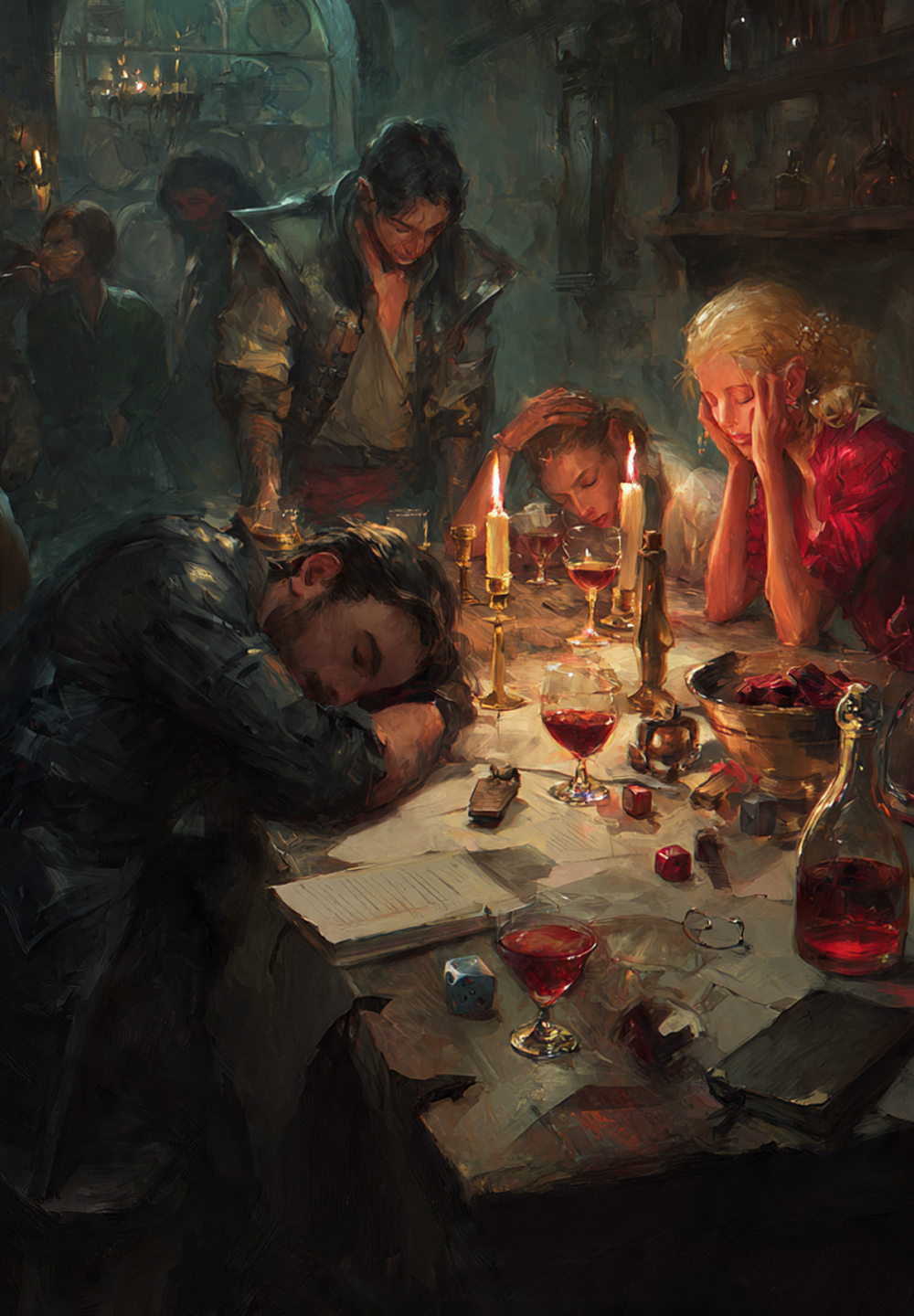
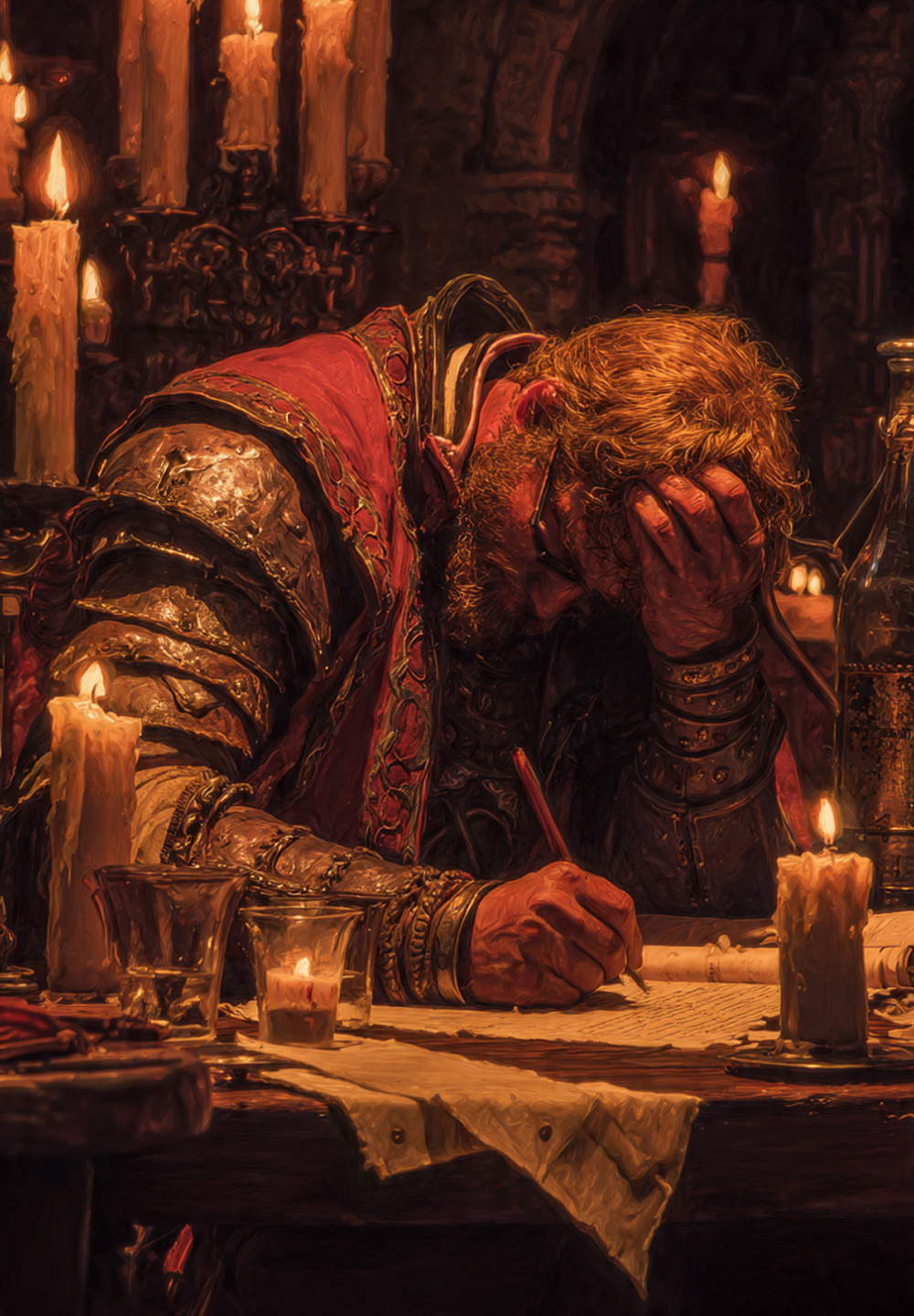
Running Your First Game: Building Tension Without Rushing the Story
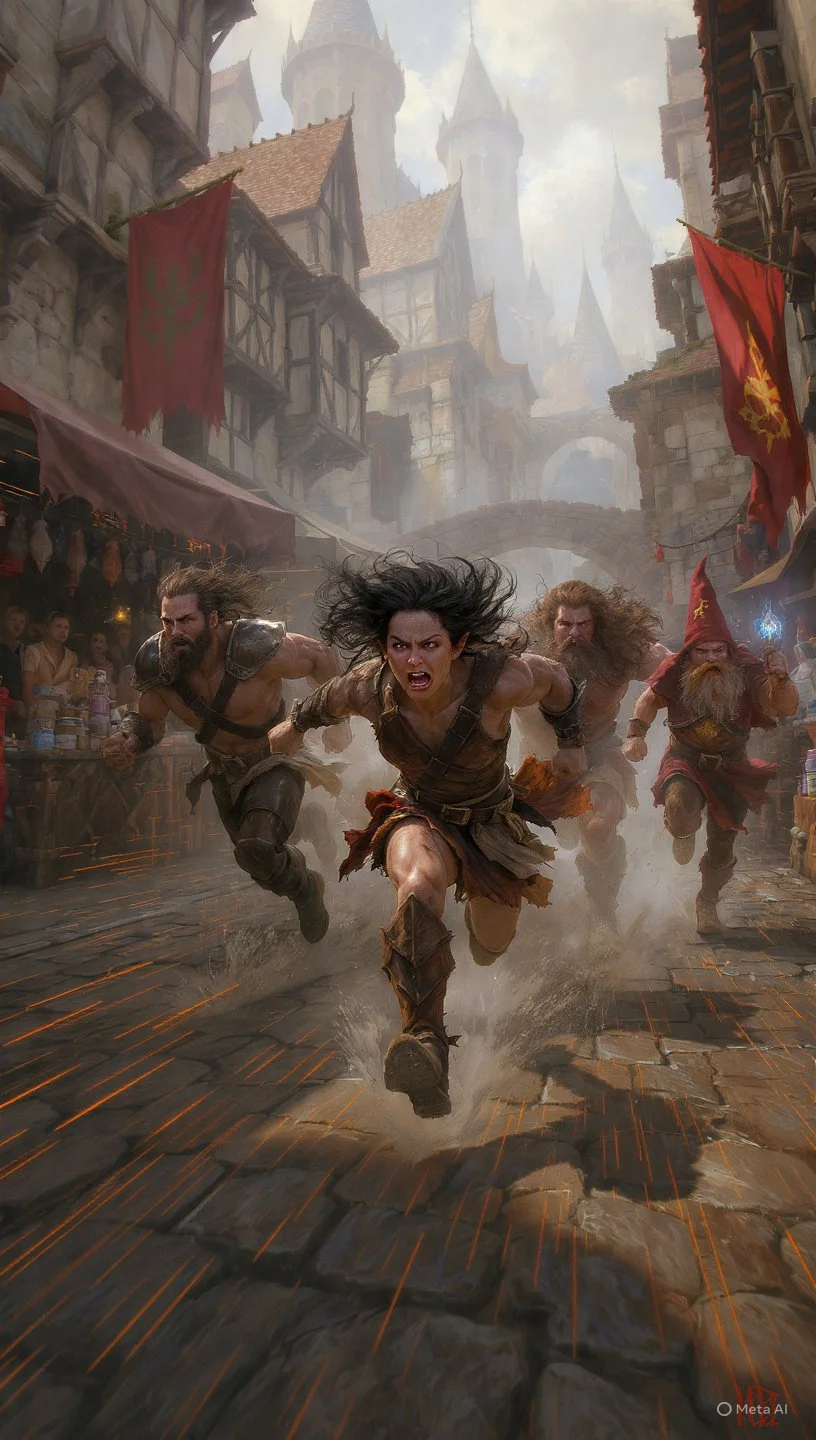
Why This Skill Matters Before You Ever Roll Dice
One of the biggest misunderstandings new Game Masters carry into their first session is the belief that tension comes from speed. When the room gets quiet or players hesitate, there is a strong temptation to push the story forward quickly in hopes of keeping things exciting. Many first-time GMs feel that if something dramatic does not happen every few minutes, the session is failing.
In truth, tension is rarely built through speed alone. It is built through anticipation. Players feel tension when they sense that something is approaching, when danger feels possible, and when consequences feel meaningful. If the story rushes forward too quickly, tension never has time to form. Instead of suspense, the table experiences confusion or exhaustion.
This skill connects directly to the pacing skills you have already been learning. Keeping the game moving when players freeze protects momentum, but building tension protects emotional investment. A game that moves too quickly without tension feels shallow. A game that builds tension patiently feels memorable.
Many long-term pacing problems begin when Game Masters feel pressure to escalate events too quickly. Patterns like those described in When Running the Game Starts Feeling Like Carrying the Room often begin when tension is replaced by urgency, and urgency slowly replaces thoughtful pacing.
This skill matters before your first die roll because tension begins with preparation. It begins with knowing when to slow down, when to reveal information, and when to allow anticipation to grow naturally. When used carefully, tension keeps players leaning forward in their seats, wondering what comes next instead of rushing past moments that deserve attention.
What This Skill Actually Looks Like at the Table
Building tension at the table is rarely about dramatic speeches or sudden violence. It often begins with subtle choices that influence how players experience uncertainty.
Imagine this moment.
The party approaches a massive iron gate deep inside a fortress. The hallway is silent except for the faint sound of metal scraping somewhere beyond the barrier. You pause before describing what lies behind it. Instead of immediately revealing danger, you describe the smell of smoke drifting through the cracks. The torchlight flickers strangely along the stone walls. Someone at the table leans forward slightly.
You roll a die behind your screen.
You do not announce the result. You simply glance down and nod slightly, continuing your description.
Nothing attacks the party immediately. Nothing explodes. Yet the room grows quiet because players sense that something important is happening.
This is one of the first techniques many Game Masters use: controlled die rolling behind the screen. Rolling dice without immediate explanation introduces uncertainty. However, this method requires discipline. If dice are altered too often or outcomes feel artificially manipulated, observant players may begin noticing patterns that weaken trust. Many experienced players pay close attention to probability and pacing, and excessive manipulation becomes visible more quickly than expected. The technique works best when used sparingly and with restraint.
Another powerful method involves letting players know what danger is coming while their characters remain unaware. Imagine describing distant war drums echoing through a valley, while the characters continue marching forward without realizing how close the threat truly is. The players understand what lies ahead, but their characters must continue based on limited knowledge. This creates a unique emotional tension, especially when players know that their characters may soon face overwhelming danger.
That moment, when players understand risk but cannot act on it immediately, often becomes unforgettable. It transforms anticipation into emotional investment.
Other techniques also contribute to tension-building.
One method involves delayed consequences. A player triggers a trap, but instead of immediate damage, you describe the sound of stone grinding somewhere far away. The party realizes something has changed, but they do not yet know how or when the danger will arrive.
Another technique involves environmental storytelling. The battlefield may be empty at first, but signs of struggle appear everywhere. Broken weapons, scattered shields, and bloodstains hint at what happened before the party arrived. Players begin imagining threats before encountering them directly.
If pacing struggles begin replacing anticipation, situations like those described in When Battlemaps Slow Combat Instead of Clarifying It often emerge, where visual clarity exists but emotional tension disappears.
Tension thrives when players feel uncertainty, not confusion.
The Most Common Mistakes New GMs Make With This Skill
Building tension requires restraint, and restraint is difficult when pressure rises at the table. Many early mistakes come from trying to create excitement too quickly instead of allowing anticipation to grow.
Revealing threats too quickly.
When danger appears immediately after being introduced, players have no time to feel anticipation.
Overusing hidden dice rolls.
Rolling dice constantly without explanation may initially create curiosity, but repeated use can lead players to question fairness.
Forcing dramatic events before players are ready.
Sudden chaos without preparation often feels confusing rather than suspenseful.
Ignoring the emotional impact of delayed danger.
If consequences happen instantly every time, players never experience the anxiety of waiting.
Treating tension as constant action.
Nonstop combat does not create tension if players cannot anticipate outcomes.
If these patterns repeat across multiple sessions, pacing problems can slowly evolve into disengagement. Situations described in When Everyone Adapts to Issues Instead of Addressing Them often begin when players adapt to predictable pacing rather than experiencing meaningful suspense.
Tension depends on variation, not repetition.
How to Practice This Skill Before Your First Session
Tension-building improves significantly with preparation and reflection. You can practice these techniques without needing a full group.
Practice rolling dice without immediate explanation.
Roll a die while describing a neutral event, then continue narration without revealing the result. Observe how uncertainty feels when used sparingly.
Practice describing environments gradually.
Instead of revealing everything at once, describe one sensory detail at a time, such as sound, smell, or movement.
Practice writing delayed consequences.
Create short scenarios where an action produces effects several moments later rather than instantly.
Practice revealing partial information.
Describe warning signs before introducing direct danger, such as distant noise or visible damage.
Practice pacing information carefully.
Write short sequences that introduce clues before revealing threats.
If you are preparing encounters and pacing ahead of time, tools found through The Game Master's Table can help you structure events in ways that support anticipation instead of rushing outcomes.
Preparation transforms tension from guesswork into strategy.
The Tavern Network
Whatever it is, the way you tell your story online can make all the difference.
What Happens If You Ignore This Skill
When tension is ignored or replaced by constant urgency, pacing problems begin forming across sessions.
Session 1 begins with rapid action and frequent combat. Players remain engaged but do not feel emotional investment in upcoming events.
Session 2 introduces repeated encounters without warning or buildup. Danger becomes predictable rather than suspenseful.
Session 3 reveals declining anticipation. Players expect events to happen quickly and stop considering long-term consequences.
Session 4 produces reduced emotional stakes. Battles feel routine instead of meaningful.
Session 5 results in fatigue. The table continues playing, but excitement fades because nothing feels uncertain anymore.
Ignoring tension does not immediately stop the game, but it slowly removes the emotional weight that makes victories feel earned. If pacing continues without variation, patterns similar to those described in When the Table Keeps the Peace Instead of Fixing the Problem can emerge, where players accept routine pacing instead of expecting meaningful suspense.
Tension protects emotional investment.
The Readiness Check
Take a moment to reflect on the following questions and consider how comfortable you feel with each one.
Can you slow down your narration when introducing danger instead of rushing toward resolution?
Can you allow players to sense risk before revealing threats directly?
Can you use hidden information carefully without undermining trust?
Can you introduce warning signs that build anticipation rather than confusion?
Can you resist the urge to escalate events immediately?
These questions help you evaluate whether you are prepared to guide tension patiently instead of forcing excitement prematurely.
Are you ready to run a game with this skill in your hands?
Quick Reference Summary
What this skill does
Building tension without rushing the story creates anticipation, strengthens emotional investment, and makes victories feel meaningful.
When to use it
Use this skill whenever introducing danger, mystery, or significant decisions that affect the future of the story.
One sentence to remember
Tension grows when players sense danger before they see it.
If you want to explore more structured pacing strategies or encounter design tools, resources available through RPG Tools and shared experiences across The Tavern Network can help strengthen your pacing instincts.
The First-Time GM Reality Note
Many first-time Game Masters feel pressure to keep things exciting at all times, but excitement does not come from speed alone. It comes from anticipation, uncertainty, and meaningful risk. As you gain experience, you will learn to recognize the moments when slowing down creates more excitement than rushing forward, and those moments often become the ones players remember long after the session ends.
Be The Best GM You Can Be