Why This Skill Matters Before You Ever Roll Dice
Conflict between players is one of the hardest moments a Game Master will face, especially during a first campaign. It is not just about rules, pacing, or storytelling anymore. It becomes about people, personalities, emotions, and trust. That makes it far more complicated than a simple rules mistake or narrative confusion.
Not all conflict looks the same. Some disagreements appear suddenly and fade just as quickly. Others develop quietly over multiple sessions, building tension that no one addresses openly. Sometimes two personalities simply clash, even when both players mean well. Other times, frustration about the game spills into personal feelings.
This is where emotional awareness becomes one of the most valuable skills a Game Master can have.
You do not need to become a counselor or mediator, but you do need to recognize tension before it turns into disruption. Many long-term table problems begin exactly the way everyday misunderstandings do, through small frustrations that are ignored instead of acknowledged. Situations like those described in When No One Ever Says What's Actually Bothering Them rarely begin as explosive arguments. They begin as silence, discomfort, and quiet irritation.
Handling conflict calmly protects the table, protects the players, and protects your confidence as a Game Master. It also helps you decide when to step in and when to allow minor disagreements to resolve naturally.
The goal is not to eliminate disagreement. The goal is to prevent disagreement from turning into lasting damage.
What This Skill Actually Looks Like at the Table
Conflict does not always arrive loudly. Often, it begins quietly.
Imagine this moment.
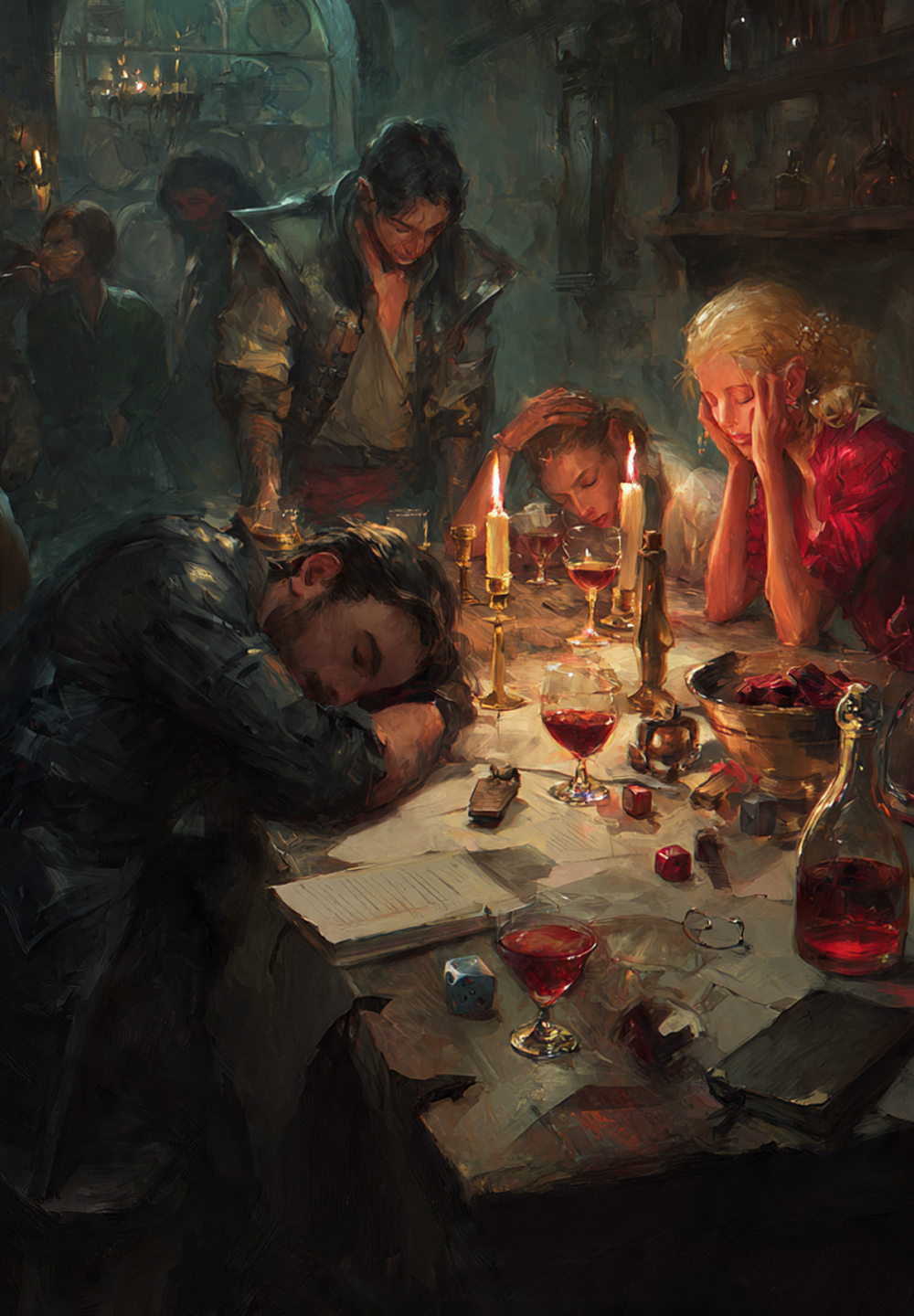
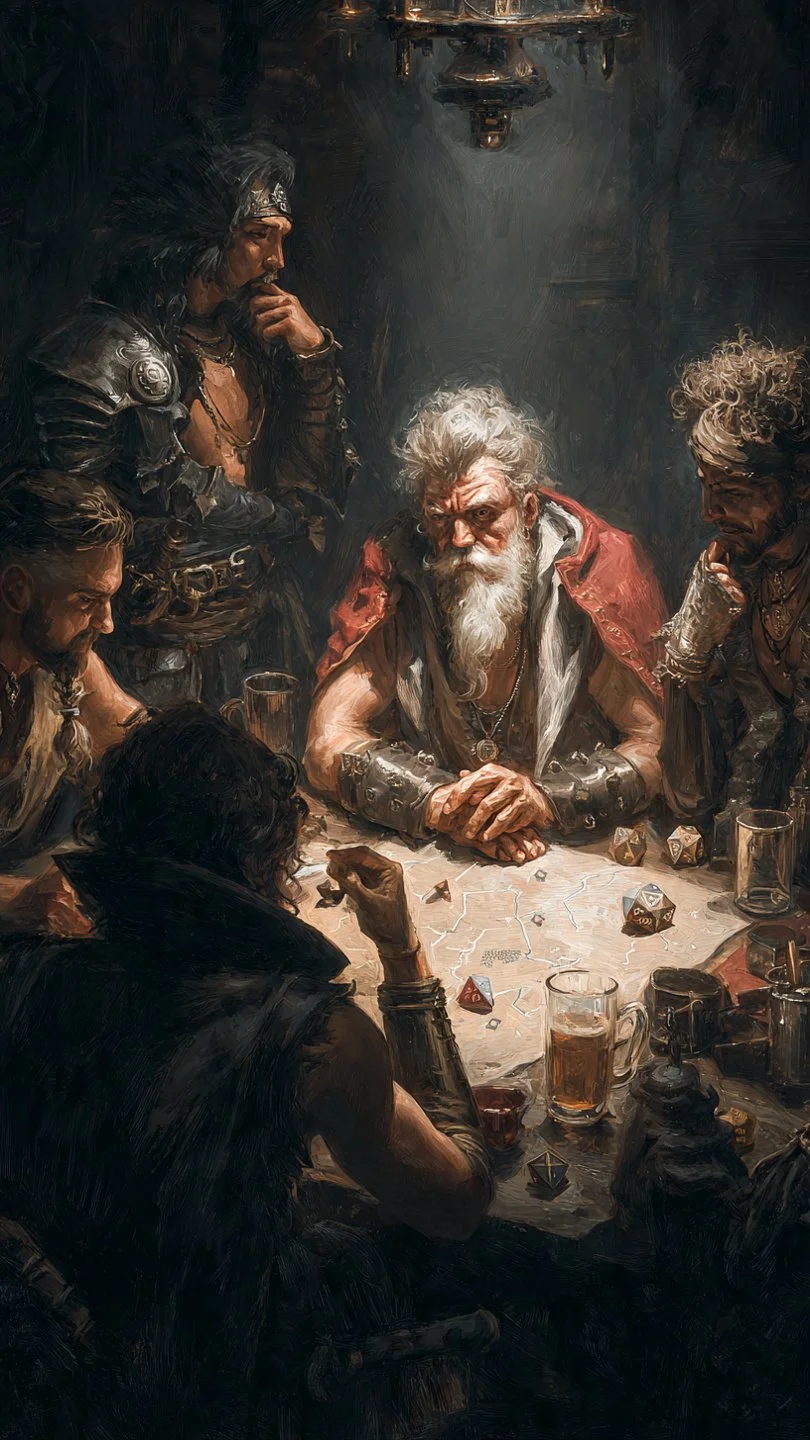
Two players begin debating how to handle an encounter. One wants to charge into combat immediately. The other insists on creating a detailed plan. Their voices grow sharper, and their responses become shorter. The rest of the table watches, unsure whether to intervene.
A reactive Game Master might ignore the situation and hope it resolves itself.
A calm Game Master observes carefully first.
They watch body language. Tone. Pace of speech. Interruptions. These signals matter more than words alone. If the disagreement remains respectful, the Game Master allows the conversation to continue. Sometimes tension releases naturally once players feel heard.
But if the disagreement grows louder or more personal, the Game Master steps in.
Not aggressively. Not emotionally. Calmly.
They might say, “Let’s pause for a moment. I want to make sure both of you get heard, but we also need to keep the game moving.”
This response does three important things at once. It acknowledges both players. It protects the table’s pacing. It prevents escalation.
If conflict continues outside of game decisions and begins affecting relationships, the Game Master may need to move the conversation away from the table entirely. Private discussion often prevents embarrassment and reduces pressure.
Situations that remain unresolved can eventually resemble patterns described in When Everyone Adapts to Issues Instead of Addressing Them, where tension becomes normalized instead of corrected.
Calm intervention prevents escalation.
Recognizing the Signs Before Conflict Explodes
One of the most important responsibilities of a Game Master is noticing warning signs before conflict becomes visible to everyone.
Conflict rarely begins with shouting. It begins with subtle changes in behavior.
Shorter responses during conversation.
Frequent interruptions between the same players.
Visible frustration after certain rulings.
Repeated disagreements about small decisions.
Players avoiding interaction with specific individuals.
These signals are easy to miss when you are focused on running the story, but they matter deeply.
Sometimes tension fades naturally. A disagreement resolves itself once players understand each other. When this happens, the Game Master still has a responsibility to perform quiet damage control. That might mean checking in with players after the session to ensure that no lingering frustration remains.
Other times, tension builds slowly across sessions. These situations require earlier intervention.
Patterns like those described in When Small Tensions Keep Getting Pushed to Later often become dangerous precisely because no one steps in early.
Awareness prevents escalation.
When to Step In and When to Let Things Settle
Not every disagreement requires intervention. Some players simply enjoy debate. Strategic discussion is a normal part of many tabletop games. The key difference lies in tone and respect.
If players disagree but remain respectful, allow space for discussion. Debate often strengthens teamwork when handled properly.
If players interrupt each other repeatedly or dismiss ideas without consideration, begin watching more closely.
If voices rise, frustration becomes personal, or tension spreads to the rest of the table, intervention becomes necessary.
Stepping in does not mean shutting down conversation. It means guiding it into safer territory.
You might say, “Both ideas are worth considering. Let’s choose one approach now and revisit the other later.”
This keeps momentum moving while preserving respect.
In rare cases, stepping in becomes unavoidable. If one player repeatedly disrupts the group, refuses to cooperate, or creates tension that damages the experience for others, stronger action may be necessary. Removing a player from the group is rarely the first solution, but in extreme situations, it becomes necessary to protect the table.
Situations like those explored in Good Tables, Bad Tables Part 3: When “That’s Just How They Play” Isn’t Good Enough demonstrate how harmful patterns can persist when decisive action is avoided.
Leadership sometimes requires difficult decisions.
How to Practice This Skill Before Your First Session
Conflict management improves with preparation, even before you encounter your first disagreement.
Practice listening without interrupting.
Allow someone to finish speaking before responding. This builds patience and awareness.
Practice neutral language.
Avoid phrases that assign blame. Use language that encourages collaboration instead.
Practice identifying emotional signals.
Pay attention to tone, posture, and facial expression during everyday conversations.
Practice private conversation techniques.
Rehearse how you would speak to someone one-on-one about a concern without embarrassment or accusation.
Practice calming your own reactions.
Your emotional response influences the entire table. Staying calm encourages others to do the same.
Many preparation tools available through The Game Master's Table include session structures that help reduce tension by keeping expectations clear from the beginning.
Preparation builds emotional readiness.
The Tavern Network
Ya probably want to find a table now, ay lad? Ya can start yer search at The Tavern Network!
What Happens If You Ignore This Skill
Ignoring conflict does not make it disappear. It allows frustration to grow quietly beneath the surface.
Session 1 introduces mild disagreement.
Players argue briefly, then continue playing.
Session 2 reveals lingering tension.
Small disagreements appear more frequently.
Session 3 increases frustration.
Players begin avoiding conversation or responding defensively.
Session 4 damages trust.
Communication becomes strained, and participation declines.
Session 5 fractures the group.
Players disengage, leave, or lose interest entirely.
Once trust breaks, recovery becomes significantly harder.
Patterns like those seen in When Running the Game Starts Feeling Like Carrying the Room often emerge when unresolved tension shifts emotional responsibility onto the Game Master alone.
Ignoring conflict rarely protects the table. Addressing conflict calmly often does.
The Readiness Check
Take a moment to reflect on these questions honestly.
Can you recognize signs of tension before they become obvious?
Can you remain calm when voices grow louder?
Can you guide conversation without dismissing anyone’s ideas?
Can you step in when necessary without creating embarrassment?
Can you make difficult decisions when the health of the table requires it?
These questions measure emotional readiness more than technical skill.
Are you ready to run a game with this skill in your hands?
Quick Reference Summary
What this skill does
Handling conflict calmly protects trust, maintains cooperation, and preserves the stability of your table.
When to use it
Use this skill whenever tension appears between players or disagreements begin affecting group morale.
One sentence to remember
Calm leadership prevents small conflicts from becoming lasting damage.
If you want to strengthen your awareness and leadership habits, tools available through RPG Tools and shared experiences within The Tavern Network can support your continued growth as a Game Master.
The First-Time GM Reality Note
Handling conflict between players is one of the most demanding responsibilities you will face as a Game Master, but it is also one of the most meaningful. Your ability to stay calm, observe carefully, and intervene thoughtfully creates a safe environment where players feel respected and heard. Over time, this calm leadership builds confidence not only in your players but in yourself, proving that even difficult moments can strengthen the table when handled with care.
More Tavern Advice For Your First Campaign