
The Helpful Player vs. the “Helpful” Backseat GM — How to Tell the Difference
Mike’s Personal Thoughts
By Brunlin’s missing eyebrow… there’s helpful, and then there’s “helpful.”
One warms the table.
One melts it down like a cursed forge left running overnight.
A helpful player offers a reminder, a nudge, a bit of cheerin’ when the barbarian forgets which end of the axe to swing. The other kind—the dreaded backseat GM—tries to run the whole blasted game from their chair. Always explainin’, always correctin’, always mutterin’ table laws like they’re the keeper of ancient secrets.
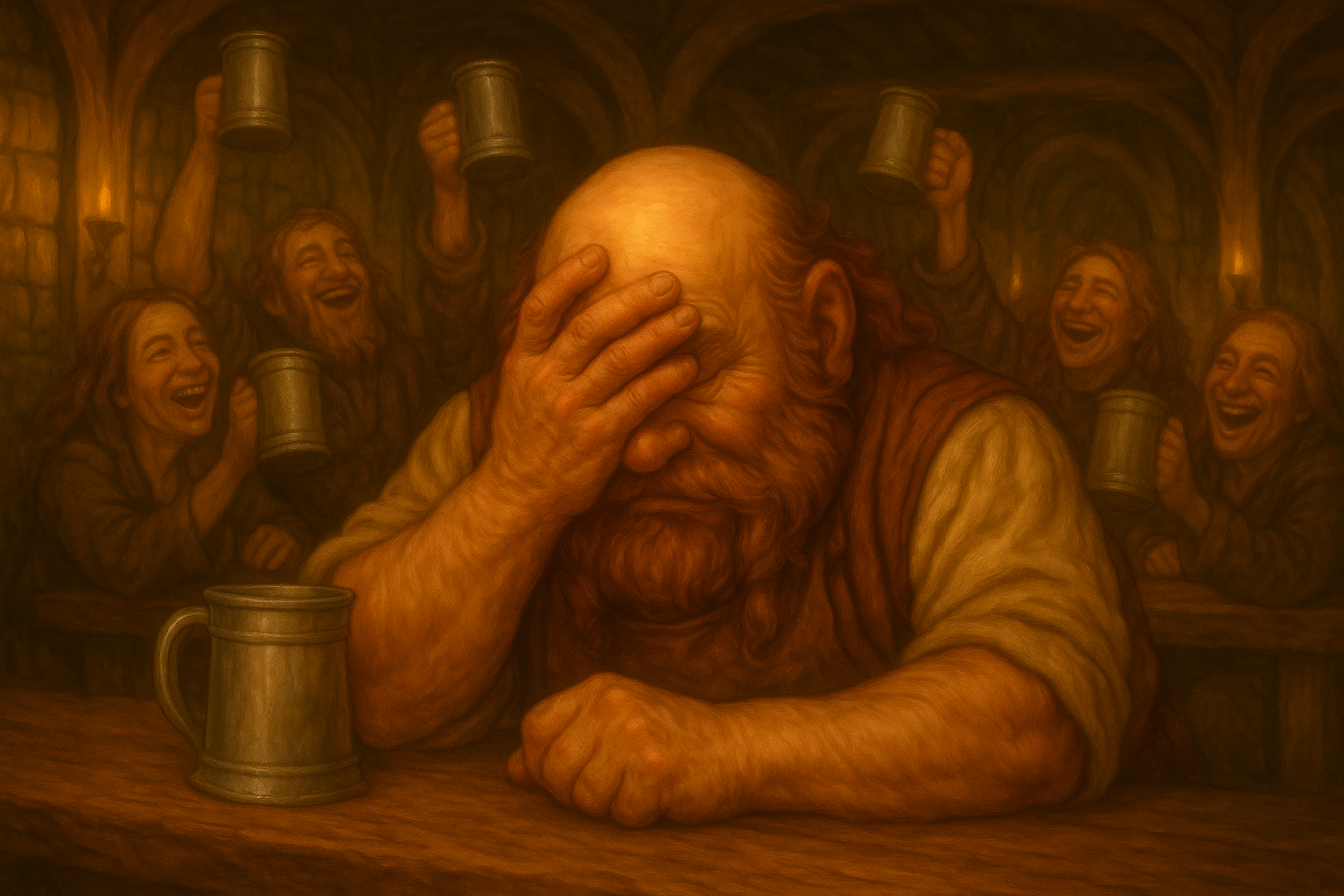
I once had a lad named Torbin. Good heart, sharp mind, voice louder than a troll with a stubbed toe. Every session he’d shout rules, call out hidden triggers, and “accidentally” explain my plot twists before the other fools even got to touch ’em. That’s when I yelled—
“LET ME BLOODY RUN THE GAME, YA STONE-STUMBLIN’ PICKAXE-BENDIN’ MILK DRINKER!”
(Then I apologized. Mostly.)
Helpful players improve a table.
Backseat GMs control it.
If you’re unsure which one’s sittin’ at your table, don’t worry—ya ain’t the only one who’s faced this. The GM Wisdom hall’s full of scrolls about meddling players, like this one about when nobody prepares but you and this guide about tables falling apart. You’ll find comfort there, lad.
“If they’re helpin’ the table, bless ’em. If they’re helpin’ themselves to your job, that’s another story.”
👉 Come refill your tankard at the GM Wisdom hall—plenty of advice for wranglin’ stubborn, loud, or over-eager players.
The Difference, Nice and Clean
Handling the Helpful Player
A helpful player makes your job easier—but only if you give ’em guardrails.
What they do right:
They support new players
They catch forgotten details
They keep people engaged
What they need from you:
Clear signals
Recognized contributions
Occasional delegation (“Mind keepin’ an eye on initiative for me, lad?”)
Let them shine, but don’t let them overshadow the quieter folk.
If yer learning to strengthen the polite players, the lesson in the strongest character being the one who listens is worth study.
Handling the Backseat GM
Now this one—this is where a gentle hammer swing is needed.
A backseat GM isn’t wicked. They’re anxious. They think if they don’t fix the table, no one will.
But they harm the table without knowin’.
How to fix ’em (kindly):
Acknowledge their knowledge.
“Yer sharp, lad. I appreciate it.”Set boundaries.
“Let the others make their choices first.”Redirect them with roles.
“Can ya help the new player understand their spell list instead?”Stay friendly but firm.
Because if you let ’em run wild, your session turns into a weird duet nobody asked for.
If their meddlin’ pulls the table in too many directions, the scroll on fractured tables will serve you well.
“By me beard—take command of your table or it’ll sprout three more GMs before the night is done.”
👉 When you’re ready for sturdier tools, pour yourself a drink and step into the GM Wisdom hall.
⚠️ And when in doubt, remember: kindness first, firmness second, ale third.
FAQ
Q: Should I call out a backseat GM during the game?
A: Keep it light, lad. Redirect kindly in the moment. Save any direct talk for after the session.
Q: How do I stop a helpful player from accidentally dominating?
A: Give ’em jobs, not control. Delegation channels their energy without letting them spread over the whole table.
Q: Can a backseat GM turn into a co-GM?
A: Aye—but only if you choose it. Structure comes before titles.
