The Hidden Reason So Many Tabletop Groups Quietly Fall Apart
Most tabletop groups do not fall apart with shouting.
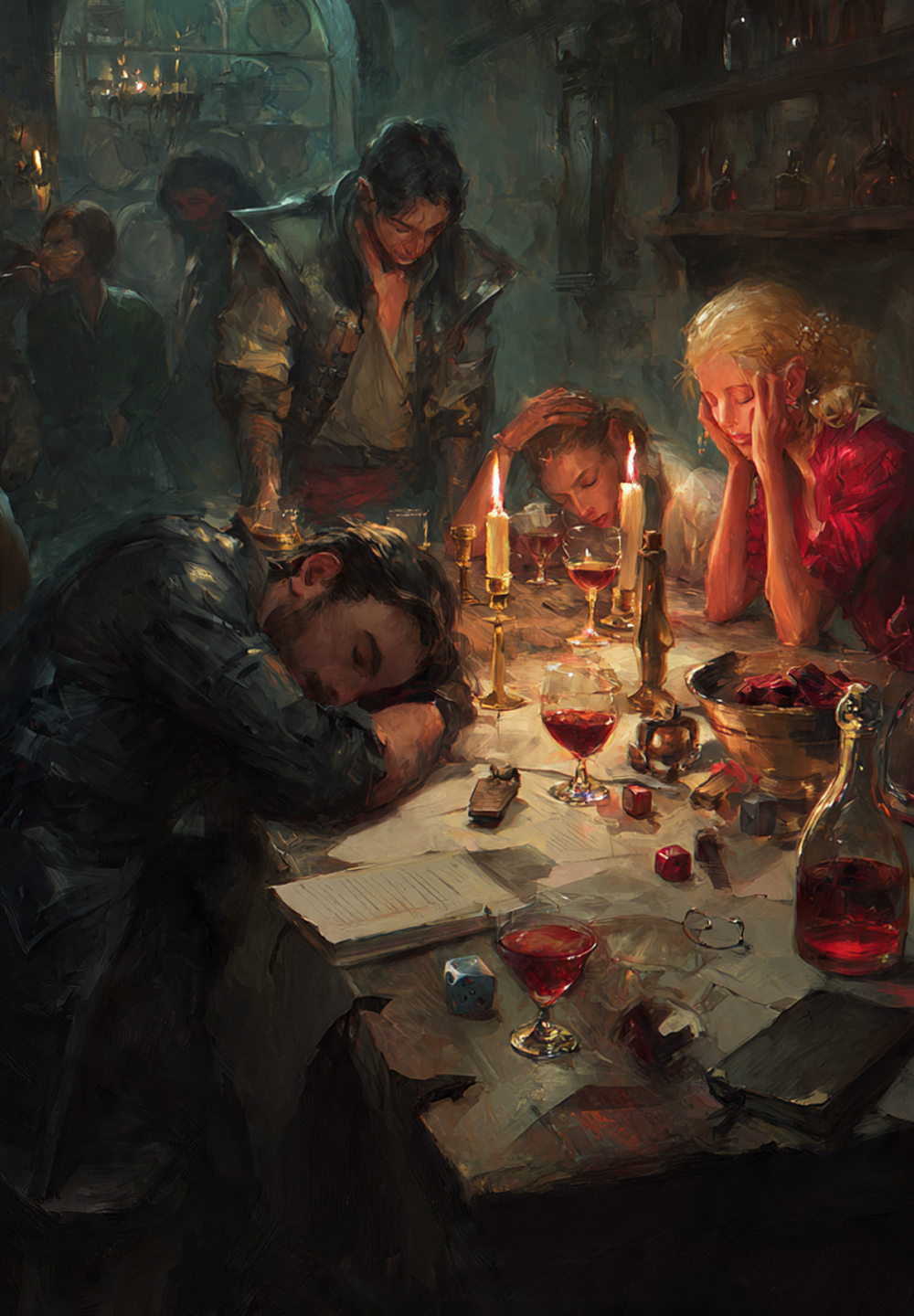
They fall apart quietly.
One player starts replying slower.
Another cancels twice in a row.
The GM says they are “just busy for a bit.”
The group chat goes still.
Then one day, everyone realizes the campaign has been dead for weeks, lying there like a forgotten tavern stew nobody wants to admit has gone bad.
It feels sudden, but it rarely is.
Most tabletop groups collapse because small tensions were ignored for too long. Not dramatic betrayals. Not one terrible session. Just mismatched expectations, poor communication, tired players, and environments that made the group harder to keep alive.
Nobody Says What Is Actually Wrong
The most dangerous problems are often the ones everyone politely avoids.
One player feels ignored.
Another thinks the campaign has become too serious.
The GM feels unsupported.
Someone dislikes the venue.
Someone else is tired of the loud jokes during emotional scenes.
Nobody says it clearly because they do not want to cause trouble.
So the trouble grows anyway.
That is why good table culture matters before problems become poison. What the Tavern Network can actually do before session one even begins points to a simple truth: better expectations at the start can prevent uglier conversations later.
Bad Environments Make Small Problems Worse
A campaign can survive a lot when the environment supports it.
But when the venue is too loud, too cramped, too far away, or too uncomfortable, every other problem feels heavier.
A tired player becomes more irritable.
A quiet player speaks even less.
A distracted table loses focus faster.
A GM burns through more energy just trying to hold the room together.
This is why venue choice is not a small matter. Casual Community Hubs vs Competitive Play Venues matters because different spaces create different kinds of pressure. The wrong room can slowly grind down even a decent group.
Good venues do not fix every table problem.
But bad venues make every problem louder.
Players Drift Before They Quit
Most players do not announce, “I am leaving because this campaign no longer meets my emotional, logistical, and recreational needs.”
They just drift.
They become less engaged.
They stop taking notes.
They roleplay less.
They cancel more easily.
They say things like “no worries, continue without me.”
By the time someone openly leaves, they may have been halfway gone for months.
Strong groups notice drift early. They ask questions before resentment hardens. They check whether people are still enjoying the game. They adjust before silence becomes abandonment.
How the Tavern Network helps players and GMs find better tables matters here because finding a better fit early can save players from forcing themselves into tables that never suited them.
The GM Often Burns Out Quietly
GM burnout does not always look dramatic.
Sometimes it looks like shorter prep.
Less enthusiasm.
Delayed session reminders.
Fewer recaps.
More pauses.
A GM saying, “I just need a week,” then another week, then another.
Many GMs do not want to admit they are tired because they feel responsible for everyone’s fun. So they keep carrying the table until the whole thing becomes too heavy.
Players can help more than they realize.
Show appreciation. Remember details. Arrive prepared. Handle scheduling cleanly. Do not make the GM chase everyone like a tavern bouncer rounding up drunk goblins in an alley.
Articles like When Yer Table’s Crumblin’ and Yer Torch Is Burnin’ Low and When Session Zero Didn’t Save You exist because sometimes the table is already cracking long before anyone admits it.
Community Keeps Campaigns Alive Longer Than Rules Do
Rules matter.
But a group that cares about each other can survive imperfect rules.
A group that does not care will not survive perfect mechanics.
Good communities forgive awkward sessions. They make space for quieter players. They welcome beginners. They respect the venue. They support the GM. They treat table problems like shared problems, not personal attacks.
That is why public spaces with strong community energy can matter so much. Venues like ME Café & Games Singapore, Pixels & Pieces Singapore, and Meeples Games are useful examples because the wider environment helps shape how comfortable players feel around the table.
A campaign is easier to protect when the space itself supports the group.
Most Groups Need Smaller Fixes Earlier
A collapsing table does not always need a grand speech.
Sometimes it needs a short check-in.
“Is the tone still working for everyone?”
“Is the venue still okay?”
“Are we too loud for the kind of campaign we want?”
“Does anyone feel left out?”
“Should we change session length?”
“Is the GM getting enough support?”
These are not dramatic questions.
That is the point.
Small questions asked early can prevent hard conversations later.
The mistake is waiting until everyone is already tired, resentful, and halfway out the door.
A Group Falls Apart When Returning Stops Feeling Worth It
That is the hidden reason.
Not one rules mistake.
Not one bad combat.
Not one missed session.
A group quietly falls apart when returning no longer feels worth the effort.
The game becomes too tiring.
The venue becomes too annoying.
The communication becomes too awkward.
The group chemistry becomes too strained.
The GM feels too unsupported.
The players feel too disconnected.
Then people stop fighting to keep it alive.
The best tabletop groups survive because they protect the reasons people return. Comfort. Trust. Laughter. Respect. Clear expectations. A good place to gather. A feeling that the table is still worth coming back to.
Lose those things, and even a brilliant campaign can fade.
Protect them, and even an imperfect campaign can last for years.
More Tavern Goodness For You!