
High-Prep GMs vs. Wing-It GMs — Which Style Actually Fits the Game You’re Running?

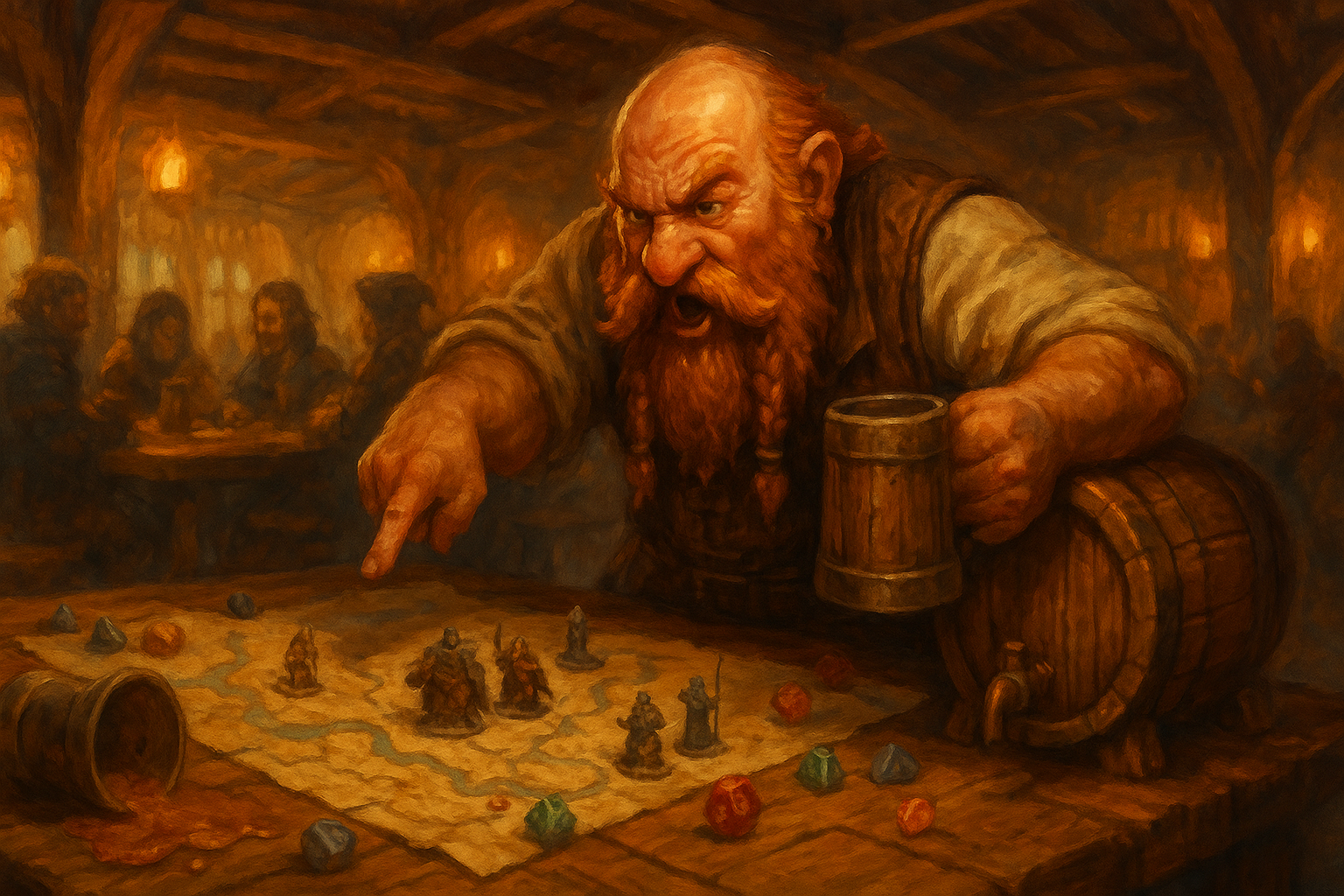
Mike’s Personal Thoughts
By Elgrin’s empty scrollcase, if there’s one argument I’ve heard more than “Who ate my rations?” it’s this blasted debate:
“Should a GM prepare everything?”
or
“Should a GM improvise everything?”
Every tavern’s got both kinds. The high-prepper walks in with folders, subfolders, backup subfolders, and a weather chart for every region. The wing-it GM strolls in with a half-finished map they sketched on the back of a receipt and a prayer that none of the players ask what the NPC’s name is.
Once, I saw a high-prep wizard-GM build an entire dungeon ecosystem—creatures, cycles, daylight patterns. Then the party said, “We take the left tunnel” instead of the right. He looked at me like someone stabbed his soul. Another lad—an improviser—made up an entire city on the spot, complete with political factions, spy networks, and a bakery cult. I asked him later where it came from.
He shrugged and said, “Dunno. Felt right.”
Both styles are brilliant.
Both can sink a table if misused.
If you’re unsure where you fall, or if your style is failing your campaign, take a look at the GM scrolls on pacing and table trouble—like when your battles feel like a board meeting or when the story matters to you but not to your players. Might save your hide.
“If yer prep is heavier than a stone golem or thinner than a goblin’s beard, yer game’s gonna wobble.”
👉 Come steady your hand in the GM Wisdom hall—plenty of lessons there for both planners and improvisers.
High-Prep vs. Wing-It: The Real Differences
How to Help a High-Prep GM Succeed
A high-prepper thrives on structure. They need clear directions and a campaign with predictable beats.
But they struggle when the players zig instead of zag.
How to support them:
Remind them not all prep is meant to be used
Let them build broad strokes instead of minute details
Encourage flexible branching options
Teach them that improvisation is not failure
If they’re stressing about players ignoring all their work, show ’em the scroll on games starting to fall apart. Helps loosen the iron grip.
How to Help a Wing-It GM Succeed
A wing-it GM is brilliant at reacting. They create gold out of thin air.
But sometimes, lad… they forget what blasted voice they gave that bartender three sessions ago.
How to support them:
Encourage keeping a running session log
Help them anchor their improvisation to consistent themes
Suggest prepping just enough: names, factions, conflicts
Teach them to build continuity, not chaos
They’re at their best when they can adapt without contradicting themselves.
And if their looseness causes chaotic table pulls, show them the scroll about fractured tables. A lifesaver.
The Truth: Neither Style Works Alone
A high-prepper with no improvisation is inflexible.
A wing-it GM with no prep is incoherent.
The best GMs—aye, even this grumpy dwarf—mix both.
Prep bones.
Improv flesh.
Story heart.
Logic spine.
Find your middle, lad, or your table finds it for you.
“By me beard—prep enough so yer not lost, improv enough so yer not chained.”
👉 When you’re ready to grow sharper still, step into About Mike’s Tavern or tap the tavern door through the contact board.
⚠️ Yer game deserves structure—but it also deserves breath.
FAQ
Q: Which style is better for beginners?
A: Wing-it is easier to start with. High-prep pays off later. But both need each other to avoid disaster.
Q: Should I force myself into one style?
A: Nay. Build the style that fits your campaign and players, not the other way around.
Q: Why do my players keep going off my planned path?
A: Because they’re alive, lad. Paths are for goats and caravans. Stories breathe—they wander.
