Running Your First Game: Balancing Spotlight So No One Feels Ignored
Why This Skill Matters Before You Ever Roll Dice
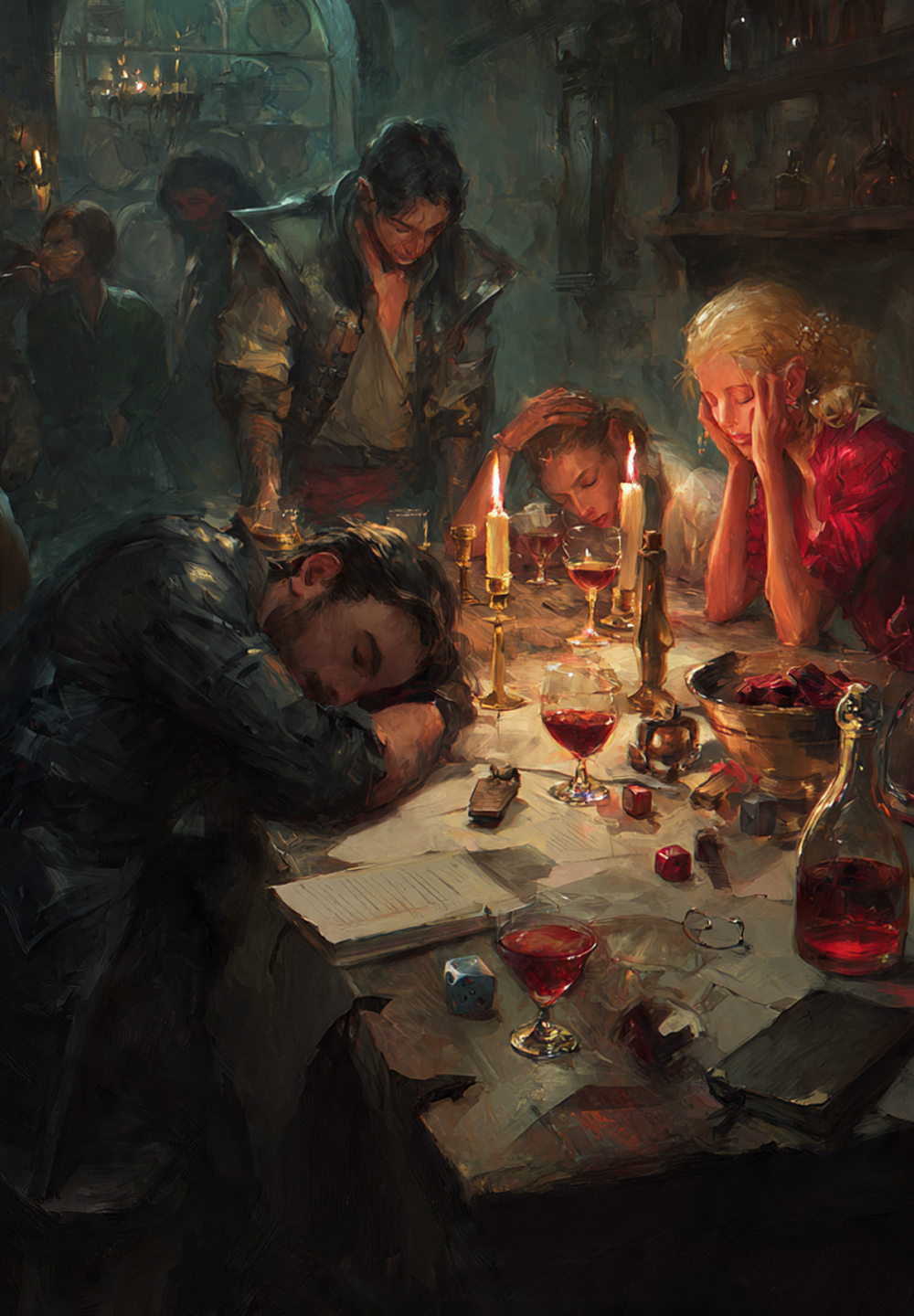
One of the quiet responsibilities of a Game Master is managing attention. Not just the attention given to the story, but the attention given to people. Every player arrives at the table with a different level of confidence. Some speak quickly and often. Others hesitate, even when they have good ideas. If attention is left unmanaged, those differences can grow into imbalance, and imbalance slowly weakens the table.
Balancing spotlight is not about controlling personalities. It is about creating opportunities. When players feel seen and heard, they become more invested in the story. When they feel overlooked, their participation shrinks, sometimes so gradually that no one notices until engagement has already dropped.
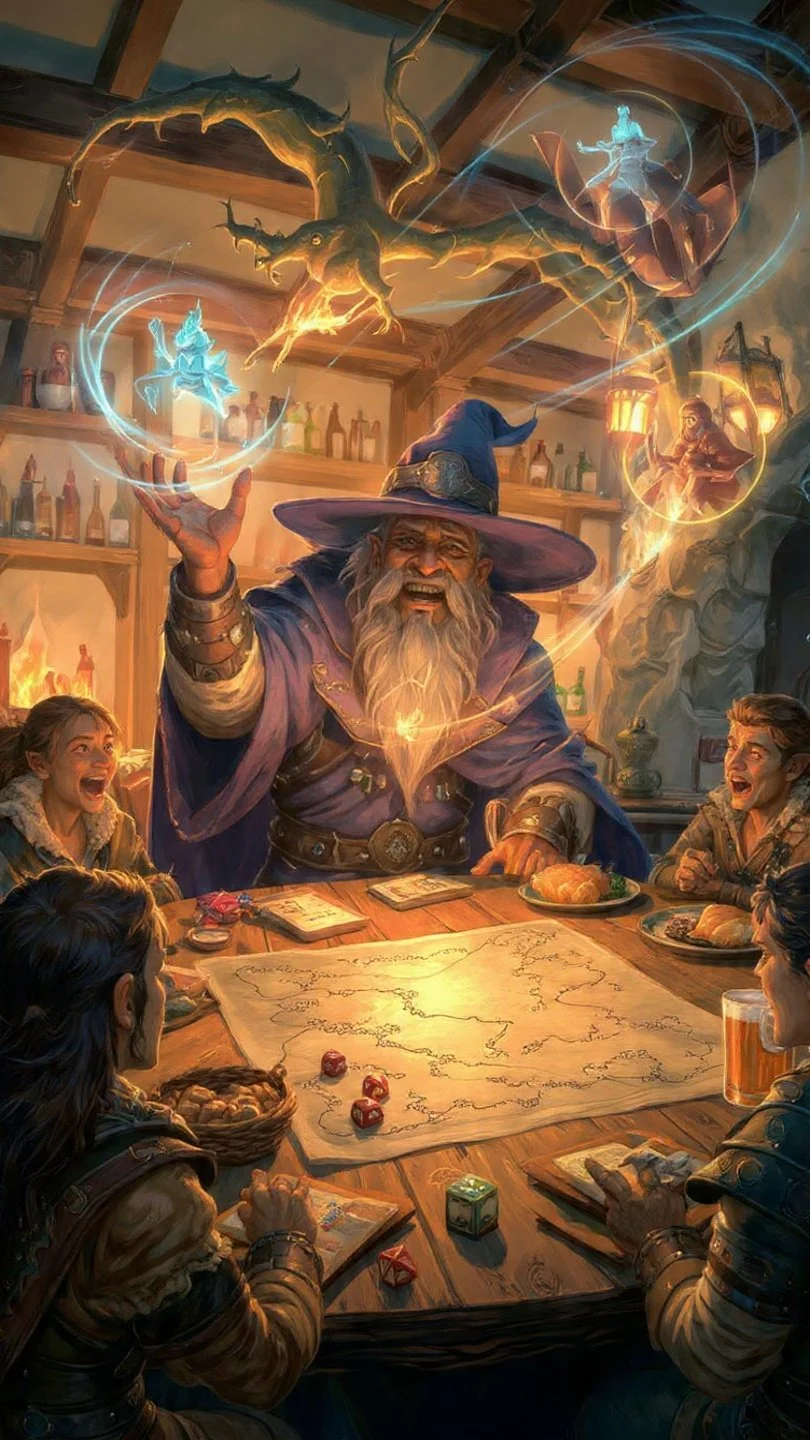
Encouraging table synergy is one of the most powerful outcomes of balanced spotlight. A group that shares attention learns to support one another. Players begin celebrating each other’s successes instead of competing for narrative space. The story becomes richer because it belongs to everyone, not just the loudest voice.
This skill matters before your first die roll because attention patterns begin forming immediately. The first few sessions teach players what kind of participation is expected. If one player speaks constantly while another stays silent, the table slowly adapts to that pattern unless you intervene early. Situations described in The Quiet Player vs The Table Hog: How to Keep Both Happy Without Losing Your Mind often begin with small imbalances that were never corrected.
Balancing spotlight does not silence strong personalities. It protects the quieter ones. In doing so, it strengthens the group as a whole.
What This Skill Actually Looks Like at the Table
Spotlight balance often begins with noticing who speaks and who does not. The difference between a healthy table and an uneven one is rarely dramatic. It usually appears through repeated patterns of participation.
Imagine this moment.
A confident player begins outlining a detailed plan for the group. They speak quickly, connecting ideas with enthusiasm. The rest of the table listens. One quieter player glances down at their notes, clearly thinking, but never speaks up. The plan continues without pause, and eventually the group agrees without hearing from everyone.
A new Game Master might assume agreement means satisfaction. The session moves forward, but the quieter player remains in the background.
A more attentive Game Master pauses the discussion and gently redirects attention.
They say, “Before we commit to this plan, I want to check with everyone. I haven’t heard from you yet. What does your character think about this?”
That invitation creates space without pressure. It signals that participation is expected, not optional.
Sometimes, quiet players struggle to speak in front of others even when invited. In those moments, flexibility becomes important. You might say quietly, “If you prefer, you can tell me your idea privately, and I can help present it to the group.”
That approach allows the player to share their thoughts without immediate social pressure. Over time, repeated invitations help them grow more comfortable speaking on their own. Gradual exposure builds confidence. The table becomes a place where participation feels safer each session.
Balancing spotlight also involves managing players who speak frequently. Enthusiastic players are valuable. Their energy drives momentum and often inspires others. However, that energy must be guided so that it supports the group rather than overshadowing it.
Imagine a player who eagerly responds to every situation before others have time to react. Their excitement is genuine, but their speed unintentionally limits participation.
A steady Game Master responds respectfully but firmly.
They might say, “That’s a strong idea, and I like where you’re going with it. Let’s pause for a moment so everyone else can share their thoughts before we move forward.”
This approach preserves enthusiasm while protecting fairness. It also communicates an important truth: the game belongs to everyone.
If imbalance continues unchecked, the table can drift into patterns similar to those described in When Everyone Adapts to Issues Instead of Addressing Them, where players adjust silently instead of expressing frustration openly.
Balanced spotlight creates cooperation instead of competition.
The Most Common Mistakes New GMs Make With This Skill
Balancing attention requires intention, and mistakes are common when focus is placed primarily on rules or pacing. Recognizing these patterns early helps maintain fairness across the group.
Allowing one player to speak repeatedly without pause.
This often happens because enthusiasm feels productive, but over time it limits space for others.
Assuming quiet players are comfortable remaining silent.
Silence does not always mean satisfaction. It can indicate hesitation or uncertainty.
Correcting dominant players too harshly.
Abrupt correction can discourage enthusiasm rather than redirect it productively.
Ignoring participation imbalance because the game appears to be moving smoothly.
Momentum alone does not guarantee fairness.
Failing to celebrate contributions from quieter players.
Recognition reinforces participation and encourages continued engagement.
When these mistakes repeat across sessions, participation patterns become fixed. Tables may begin reflecting behaviors described in Good Tables, Bad Tables Part 3: When “That’s Just How They Play” Isn’t Good Enough, where imbalance becomes normalized instead of corrected.
Fairness requires awareness and adjustment.
How to Practice This Skill Before Your First Session
Spotlight balance is easier to manage when preparation includes intentional communication strategies. These practices can be developed before your first game begins.
Practice asking inclusive questions.
Instead of directing questions to one player, invite responses from the group. Use phrases like, “What does everyone think?” or “Does anyone see another option?”
Practice tracking participation mentally.
During conversations outside of gaming, notice who speaks most frequently and who speaks least. Develop awareness of speaking patterns.
Practice encouraging quieter responses.
If someone speaks briefly, follow up with a supportive question such as, “Can you tell me more about that?”
Practice redirecting dominant conversation respectfully.
Use calm language to shift attention without embarrassment, such as, “Let’s pause for a moment and hear from someone who hasn’t spoken yet.”
Practice reinforcing shared success.
Celebrate group achievements rather than individual victories. Statements like, “That was a great team decision,” strengthen collective identity.
Preparation spaces such as The Game Master's Table can help you build habits that support balanced participation and consistent group engagement.
Confidence grows when fairness becomes predictable.
What Happens If You Ignore This Skill
Ignoring spotlight balance rarely causes immediate conflict. Instead, the effects appear gradually across sessions.
Session 1 introduces mild imbalance. One player contributes frequently while others participate less often.
Session 2 creates predictable speaking patterns. The same voices lead most decisions.
Session 3 produces visible disengagement. Quieter players begin waiting passively rather than offering suggestions.
Session 4 increases frustration. Dominant players feel responsible for carrying the session, while quieter players feel disconnected.
Session 5 reduces group cohesion. The story continues, but collaboration weakens and energy declines.
If imbalance remains unresolved, the table may gradually reflect behaviors described in When the Table Keeps the Peace Instead of Fixing the Problem, where silence replaces communication and dissatisfaction grows quietly.
Balanced spotlight strengthens teamwork and protects long-term enjoyment.
The Readiness Check
Take a moment to reflect honestly on these questions.
Can you recognize when a player has not spoken for an extended period and create space for them to contribute?
Can you support quieter players by helping them share ideas in ways that feel comfortable?
Can you redirect enthusiastic players respectfully when their participation becomes overwhelming?
Can you reinforce teamwork by acknowledging shared successes?
Can you maintain fairness without discouraging enthusiasm?
These questions help you evaluate how prepared you are to guide attention across the table in a balanced way.
Are you ready to run a game with this skill in your hands?
Quick Reference Summary
What this skill does
Balancing spotlight ensures that every player has an opportunity to participate, strengthening cooperation and maintaining consistent engagement across the group.
When to use it
Use this skill whenever conversation becomes uneven, when some players dominate discussion, or when others hesitate to speak.
One sentence to remember
The best stories grow when every voice has space to be heard.
If you want to explore tools and resources that support balanced participation and structured play, you may find helpful guidance through RPG Tools and the wider community found in The Tavern Network.
The First-Time GM Reality Note
Balancing attention at the table does not require constant correction. It requires awareness, patience, and a willingness to adjust when patterns become uneven. Every small invitation to speak strengthens confidence. Every respectful redirection builds fairness. Over time, these moments create a table where participation feels natural, shared, and rewarding for everyone involved.
A Great GM Is A Prepared GM