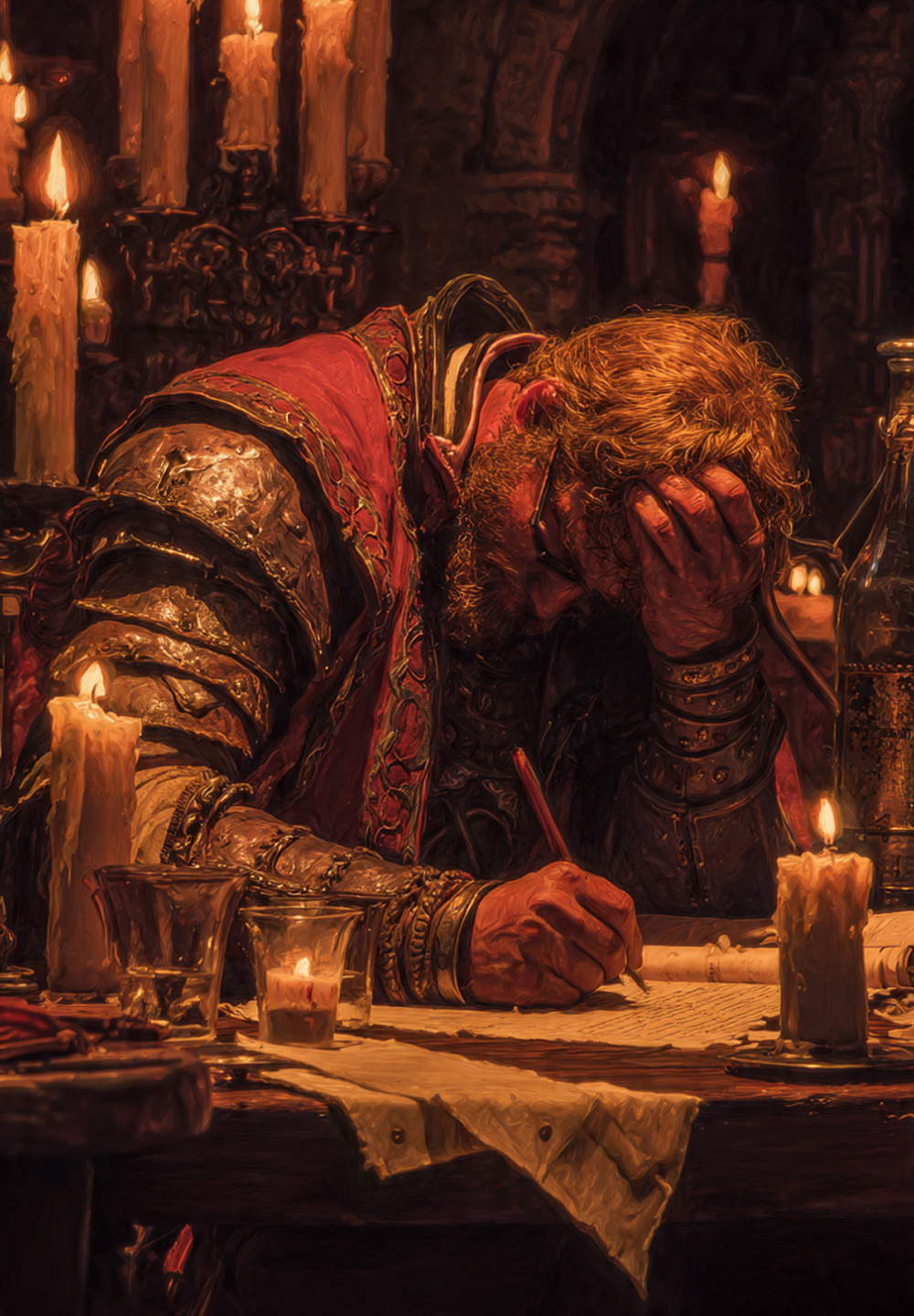
Running Your First Game: Understanding the Difference Between Control and Leadership
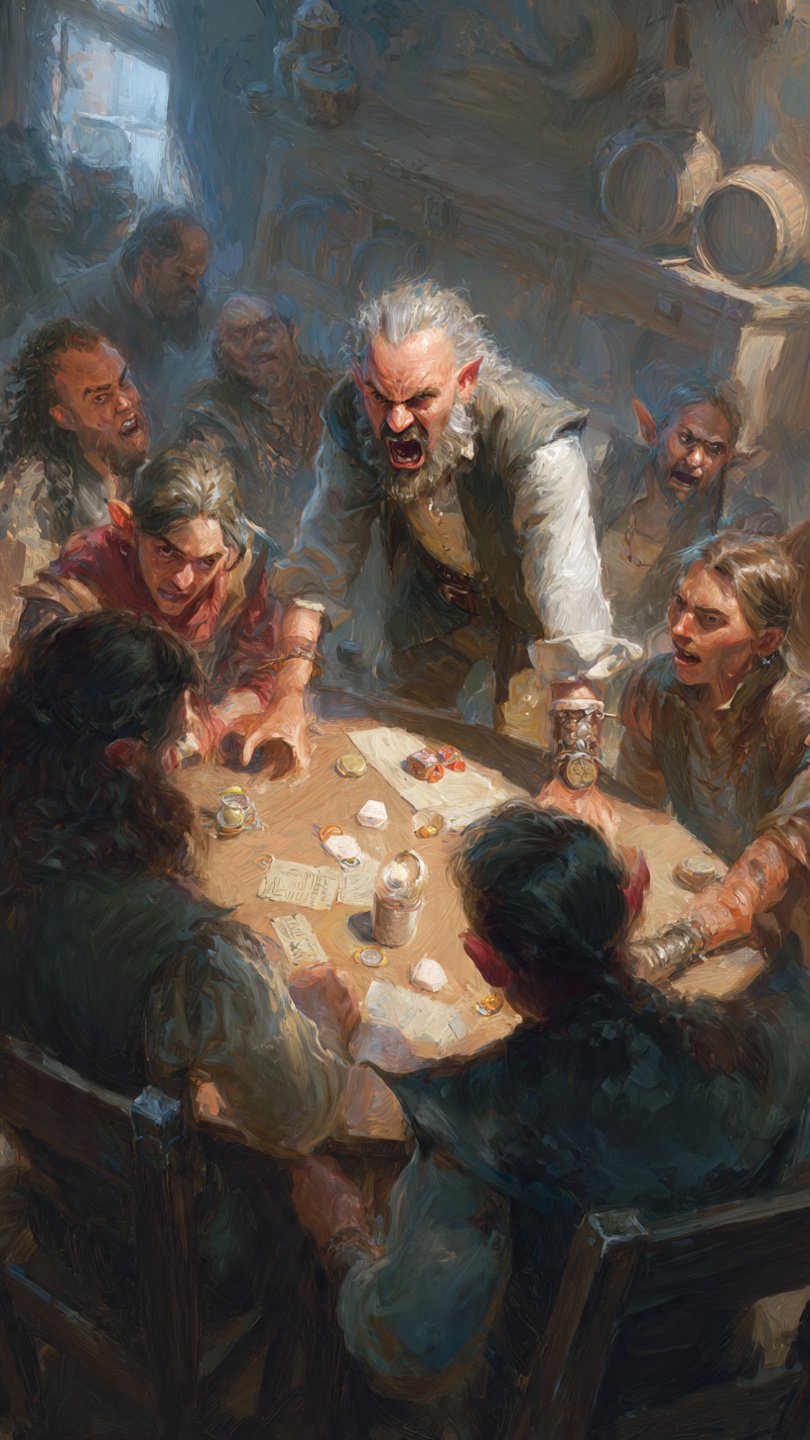
Why This Skill Matters Before You Ever Roll Dice
Leadership is one of the most misunderstood skills in Game Mastering. Some people believe leadership is something you are born with, as if certain individuals are naturally meant to guide others while the rest must simply follow. That belief discourages many first-time Game Masters before they even begin. They assume leadership is a personality trait rather than a skill that can be learned, practiced, and refined over time.
The truth is simpler and more encouraging than that. A leader is not born. A leader is built. The same is true for Game Masters. No one begins their first session fully confident, fully composed, or fully prepared for every situation that may arise. Growth comes from experience, reflection, and care for the people at the table.
Understanding the difference between control and leadership protects your table from becoming rigid or uncomfortable. Control attempts to force behavior. Leadership guides behavior. Control demands compliance. Leadership creates trust. Control often produces tension. Leadership produces safety.
A great leader, like a great Game Master, is someone who gradually disappears into the moment. Not in the sense of losing authority, but in the sense that their presence feels natural rather than heavy. The players feel safe. The story flows. The table feels welcoming rather than pressured. The byproduct of good leadership is not fear or obedience, but peace, engagement, friendliness, and enjoyment.
Many long-term table conflicts begin when authority is mistaken for control. Situations similar to those described in When the Table Keeps the Peace Instead of Fixing the Problem often arise when players feel managed rather than supported.
This skill matters before your first die roll because leadership sets the tone before the game begins. It shapes expectations, relationships, and the emotional environment where the story unfolds.
Leadership creates space for the story to thrive.
What This Skill Actually Looks Like at the Table
Leadership in Game Mastering does not mean controlling every detail. It means creating conditions where players feel respected, valued, and willing to participate fully.
Consider this contrast.
A controlling Game Master reacts to unexpected behavior with restriction. If a player misses a session, they may respond with frustration, penalties, or rigid consequences. They might insist that attendance is mandatory regardless of real-life responsibilities. The focus becomes enforcement rather than understanding.
A leader approaches the same situation differently. They recognize that players have lives outside the game. If someone cannot attend, the response becomes cooperative rather than punitive.
“You can’t make it this week? That’s all right. We’ll keep your character safe, and when you’re ready to return, your seat will still be here.”
That response does not weaken authority. It strengthens trust.
Leadership also appears during moments of disagreement. When players propose unexpected ideas or challenge existing plans, a controlling Game Master shuts down discussion quickly. A leader listens, considers options, and searches for compromise where possible.
Leadership does not mean agreeing with everything. It means responding thoughtfully rather than defensively.
Many tables experience long-term harmony when leadership replaces control. Approaches similar to those discussed in When Everyone Adapts to Issues Instead of Addressing Them demonstrate how healthy communication prevents small issues from growing into larger conflicts.
Leadership creates belonging. Control creates resistance.
The Story That Defines the Difference
There was once a Game Master who believed authority meant total control. Every rule was enforced without flexibility. Every decision required approval. Attendance expectations became so strict that missing a session triggered confrontation rather than understanding.
At one point, the situation escalated beyond reason. Instead of addressing concerns directly with the player involved, the Game Master attempted to involve family members in a dispute about attendance. An adult asking to speak to another adult’s mother over a game is not leadership. It is control in its most extreme form.
The result was predictable. Trust collapsed. Respect vanished. The table fractured.
That moment illustrates a simple truth. Control seeks power. Leadership seeks understanding.
A leader facing the same situation would approach it with compassion. They would recognize that life circumstances change and that flexibility preserves relationships.
“You can’t make it this week? That’s all right. We’ll find a way to keep your character involved, and whenever you return, you’ll always have a place here.”
That response communicates care without surrendering structure.
Leadership keeps doors open. Control closes them.
The Most Common Mistakes New GMs Make With This Skill
Many first-time Game Masters unintentionally lean toward control because they fear losing authority. That fear is understandable, especially when responsibility feels overwhelming.
Trying to control player behavior instead of guiding it.
Strict enforcement without explanation often creates tension instead of cooperation.
Mistaking firmness for inflexibility.
Firm decisions can still include empathy and understanding.
Responding to mistakes with punishment instead of conversation.
Dialogue builds trust. Punishment builds distance.
Taking player disagreements personally.
Differences in opinion are not threats to authority.
Attempting to manage every detail instead of trusting the group.
Over-control prevents players from contributing creatively.
If these patterns repeat across sessions, emotional distance begins forming between players and Game Master. Situations similar to those described in When Small Tensions Keep Getting Pushed to Later may develop, where unresolved issues accumulate rather than resolve naturally.
Leadership prevents problems before they grow.
How to Practice Leadership Before Your First Session
Leadership grows through intentional practice rather than spontaneous inspiration. Small adjustments in communication create noticeable improvements in table atmosphere.
Practice listening without interrupting.
When players speak, allow them to finish before responding. This demonstrates respect and strengthens communication.
Practice explaining decisions clearly.
When ruling against an action, explain the reasoning behind the decision. Transparency builds trust.
Practice offering alternatives instead of refusals.
If something cannot happen, suggest another path forward that supports creativity.
Practice acknowledging player contributions.
Recognize thoughtful ideas, creative solutions, and roleplay efforts.
Practice separating authority from ego.
Leadership decisions should serve the group, not personal pride.
Preparation methods found through The Game Master's Table support leadership by providing structure without removing flexibility.
Leadership is built through repetition, not talent alone.
What Happens If You Confuse Control With Leadership
Confusion between control and leadership creates gradual damage that may not appear immediately.
Session 1 introduces rigid rules. Players follow directions but hesitate to experiment.
Session 2 reveals reduced creativity. Players wait for permission rather than proposing ideas.
Session 3 produces emotional distance. Conversations become cautious instead of enthusiastic.
Session 4 introduces frustration. Players feel managed rather than supported.
Session 5 results in declining participation. Some players disengage quietly, while others leave entirely.
Once trust erodes, rebuilding it becomes difficult. If controlling behavior continues unchecked, patterns similar to those described in When Running the Game Starts Feeling Like Carrying the Room may appear, where the Game Master feels alone rather than supported by the group.
Leadership strengthens unity. Control weakens it.
The Readiness Check
Take time to reflect honestly on the following questions.
Can you make firm decisions without raising your voice or creating tension?
Can you explain rulings clearly without becoming defensive?
Can you allow flexibility without losing structure?
Can you support players during challenges instead of reacting with frustration?
Can you prioritize relationships over rigid enforcement?
These questions help measure whether your leadership instincts are developing in healthy ways.
Are you ready to lead rather than control?
Quick Reference Summary
What this skill does
Understanding the difference between control and leadership builds trust, strengthens cooperation, and creates a welcoming environment where creativity can thrive.
When to use it
Use leadership skills whenever making decisions, resolving disagreements, or guiding player behavior.
One sentence to remember
Leadership builds trust that allows the story to flow naturally.
If you are strengthening leadership skills or exploring resources that support healthy table culture, tools available through RPG Tools and community insights found within The Tavern Network can provide valuable guidance.
The First-Time GM Reality Note
Leadership feels intimidating at first because responsibility feels heavy. You may worry about making mistakes or losing control of the table. Those fears are natural, especially during early sessions. Over time, you will discover that leadership does not require perfection. It requires care. When players feel respected and supported, they respond with trust, creativity, and cooperation. That trust becomes the foundation upon which memorable stories are built.
Become The Secure And Fair Game Master