The Spotlight Thief - Players Who Interrupt Every Big Moment Without Realizing It
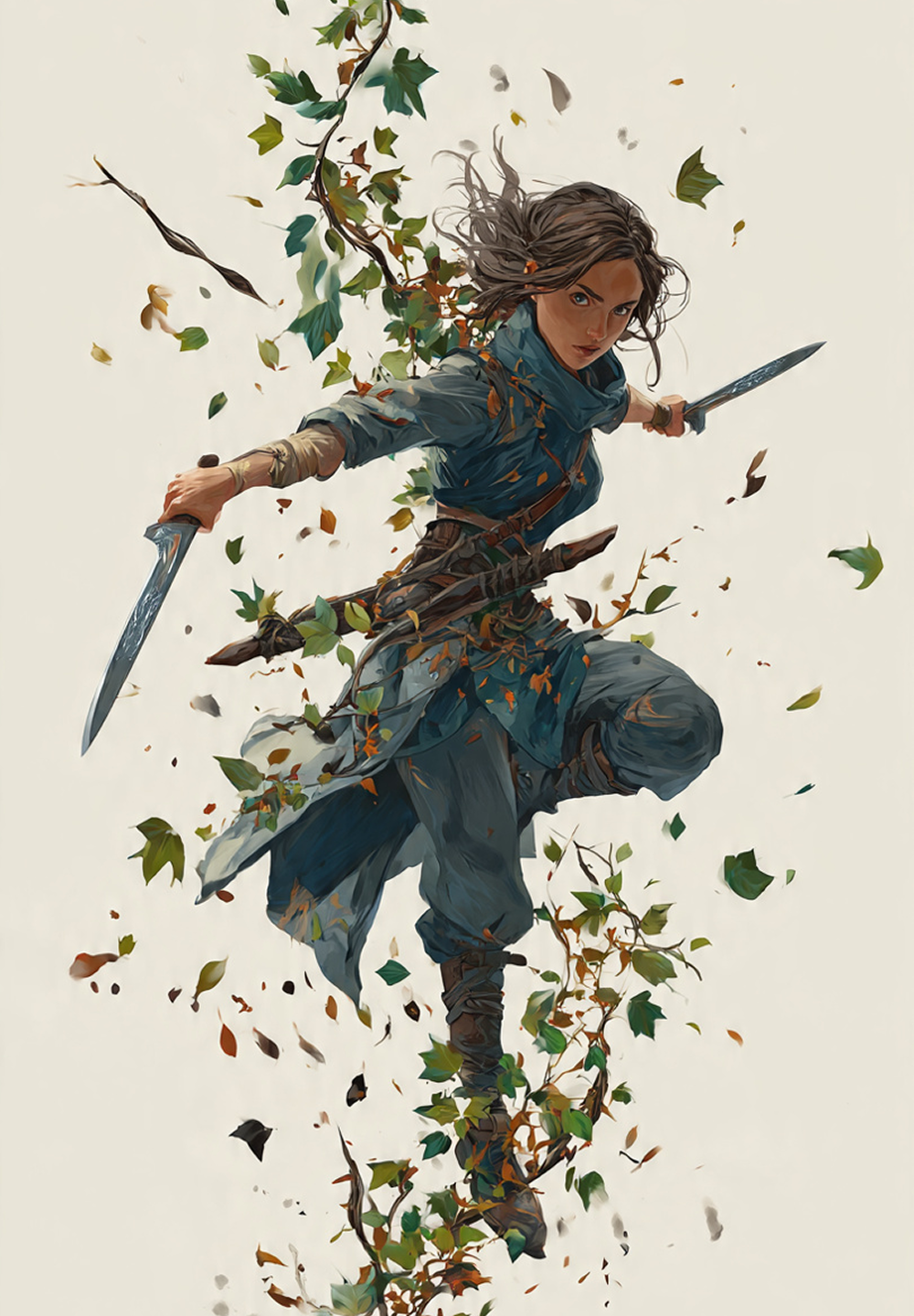
Some players do not mean to steal the spotlight.
That is what makes this problem tricky.
They are not always cruel.
They are not always selfish.
Sometimes they are excited. Sometimes they are nervous. Sometimes they think they are helping. Sometimes they genuinely do not notice that every important moment somehow ends with them talking.
But intention does not erase impact.
A Spotlight Thief can quietly drain the life out of a campaign by making every emotional scene, tactical plan, dramatic reveal, and character moment bend back toward themselves.
And if nobody names the problem, other players slowly stop trying.
The Spotlight Thief Usually Looks Fun at First
At the beginning, this player often seems like a gift.
They are energetic.
They talk easily.
They make jokes.
They react quickly.
They fill awkward silences.
For a new GM, that can feel helpful.
A lively player keeps the table moving, especially when everyone else is still nervous.
But then the pattern starts to show.
Another player gets a serious character scene.
The Spotlight Thief interrupts with a joke.
The rogue starts explaining a careful plan.
The Spotlight Thief talks over it with a louder idea.
The cleric has a quiet emotional moment.
The Spotlight Thief jumps in to make it about their own backstory.
Once is nothing.
Every session becomes poison.
The Damage Is Quiet at First
Most players will not immediately complain.
They will simply become smaller.
The quiet player stops volunteering ideas.
The roleplayer stops trying emotional scenes.
The tactician stops explaining plans.
The new player assumes, wrongly, that this is just how the table works.
That is the real danger.
A Spotlight Thief does not merely take attention.
They teach everyone else that attention is not worth fighting for.
And once players stop reaching for the story, the campaign starts losing emotional depth.
Interruptions Break Trust
A good tabletop group needs trust.
Players need to believe that when their moment arrives, the table will let them have it.
Not forever.
Not endlessly.
Just long enough to matter.
When one player interrupts every meaningful scene, the table learns the opposite.
It learns that vulnerability will be punished by noise.
It learns that patience loses to volume.
It learns that the loudest adventurer gets the most story.
That is how campaigns become shallow.
Not because the GM failed to write good material.
Because the table stopped feeling safe enough to care deeply.
Public Tables Make This Worse
Spotlight stealing becomes especially dangerous in public tabletop spaces.
Why?
Because public groups often include people who are still building comfort with each other.
A shy player at a home table might eventually say, “Hey, can I finish?”
A shy player at a public table may simply disappear next week.
That is why the venue and community matter so much.
A healthy environment helps players learn table rhythm, social patience, and shared spotlight naturally.
Articles like Casual Community Hubs vs Competitive Play Venues and Quiet Tavern or Loud Game Hall? matter because the room itself affects how much space people feel allowed to take.
Some rooms reward loudness.
Better rooms encourage balance.
Excitement Is Not an Excuse
This is important.
Being excited is good.
Being passionate is good.
Reacting strongly to the story is good.
But excitement still needs manners.
A good player learns to ask:
“Is this my moment?”
“Am I adding to the scene, or taking it over?”
“Has someone quieter been trying to speak?”
“Did I just interrupt a character moment?”
That little bit of self-awareness can save an entire table from frustration.
Because strong players do not only know when to speak.
They know when to make room.
The Best Players Help Others Shine
A great player does not need every scene to prove they matter.
They know how to pass the lantern.
They ask the ranger what they think.
They let the warlock finish their creepy monologue.
They wait while the paladin wrestles with a moral choice.
They notice when the new player has an idea but lacks the confidence to say it.
That kind of player strengthens the whole party.
And those are the players good communities remember.
Venues like ME Café & Games Singapore, Meeples Games Seattle, and The Attic Fürth Germany matter because good tabletop spaces are not just about tables. They help create cultures where players learn how to share the room.
GMs Should Not Let Volume Become Leadership
A loud player can accidentally become the table’s unofficial leader.
Not because they are the best leader.
Because they speak first, loudest, and most often.
The GM has to watch for this.
If one player keeps answering questions meant for others, redirect gently.
“Let’s hear what the cleric thinks.”
“Hold that thought, I want to give the rogue a moment.”
“Before we move on, I think the wizard was saying something.”
Small corrections protect the whole table.
They also teach the Spotlight Thief that the campaign is shared space, not a personal stage.
Spotlight Stealing Can Be Fixed
This behavior is annoying, but it is not always hopeless.
Many Spotlight Thieves improve once they understand what they are doing.
The conversation does not need to be cruel.
It can be simple.
“Yer bringing good energy, but sometimes other players are getting interrupted before they can finish their moments.”
That sentence can save months of resentment.
The key is catching the pattern early.
Once other players have already checked out emotionally, recovery becomes much harder.
The Campaign Belongs to the Whole Party
Every player deserves moments.
The brave speech.
The foolish plan.
The quiet confession.
The terrible joke.
The dramatic mistake.
The hard choice.
The campaign becomes richer when everyone gets room to leave fingerprints on the story.
That is why The Tavern Network matters beyond simply finding venues. The larger goal is helping players and GMs find places where better table culture can grow. And if ye want the broader mission behind the old tavern, About Mike’s Tavern explains it. If ye know a venue, community, or gaming space worth sharing, ye can contact Mike’s Tavern and send it in.
More Tavern Goodness For Ya!