
How to Make a Strong D&D 5e Character Without Min-Maxing
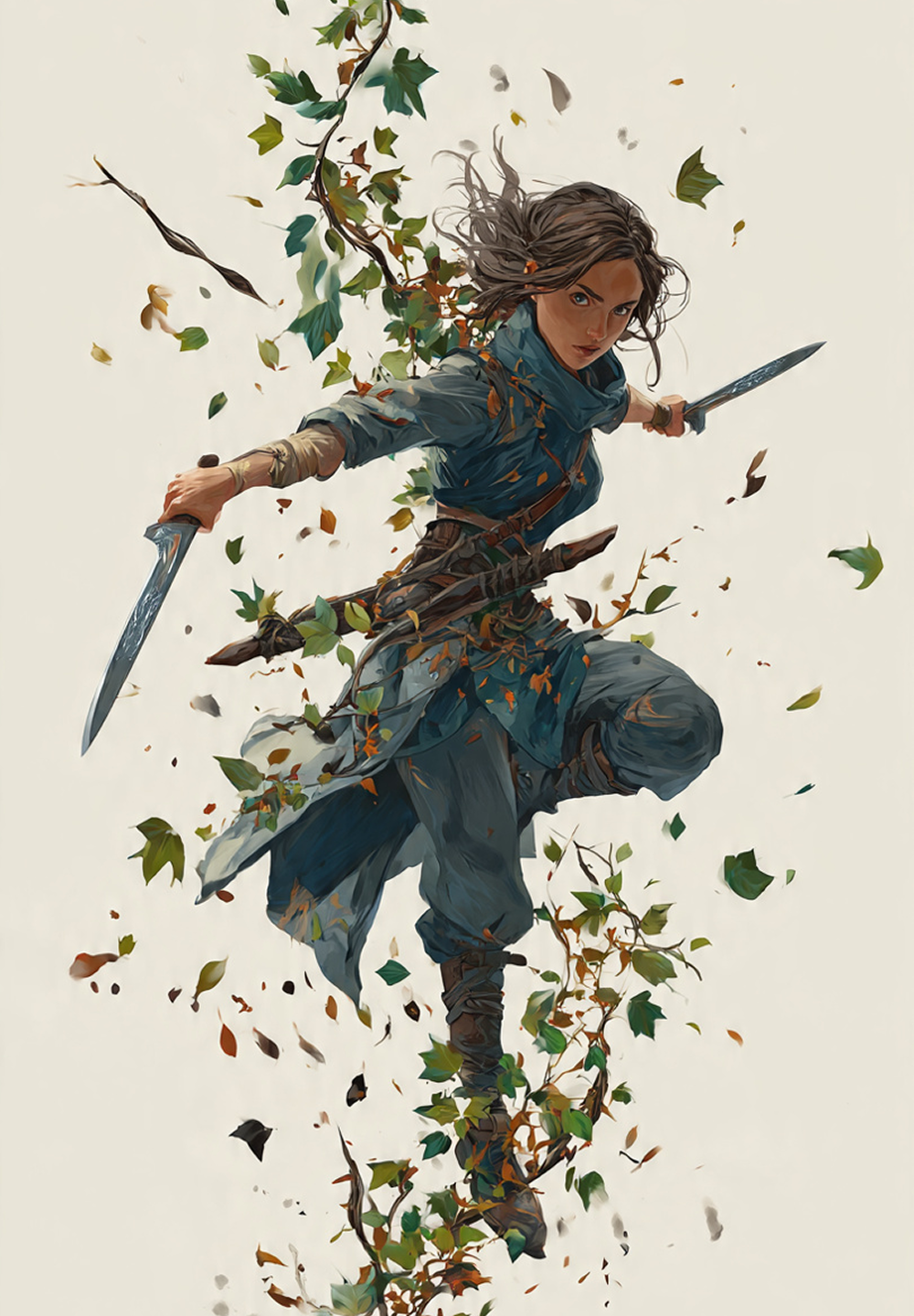
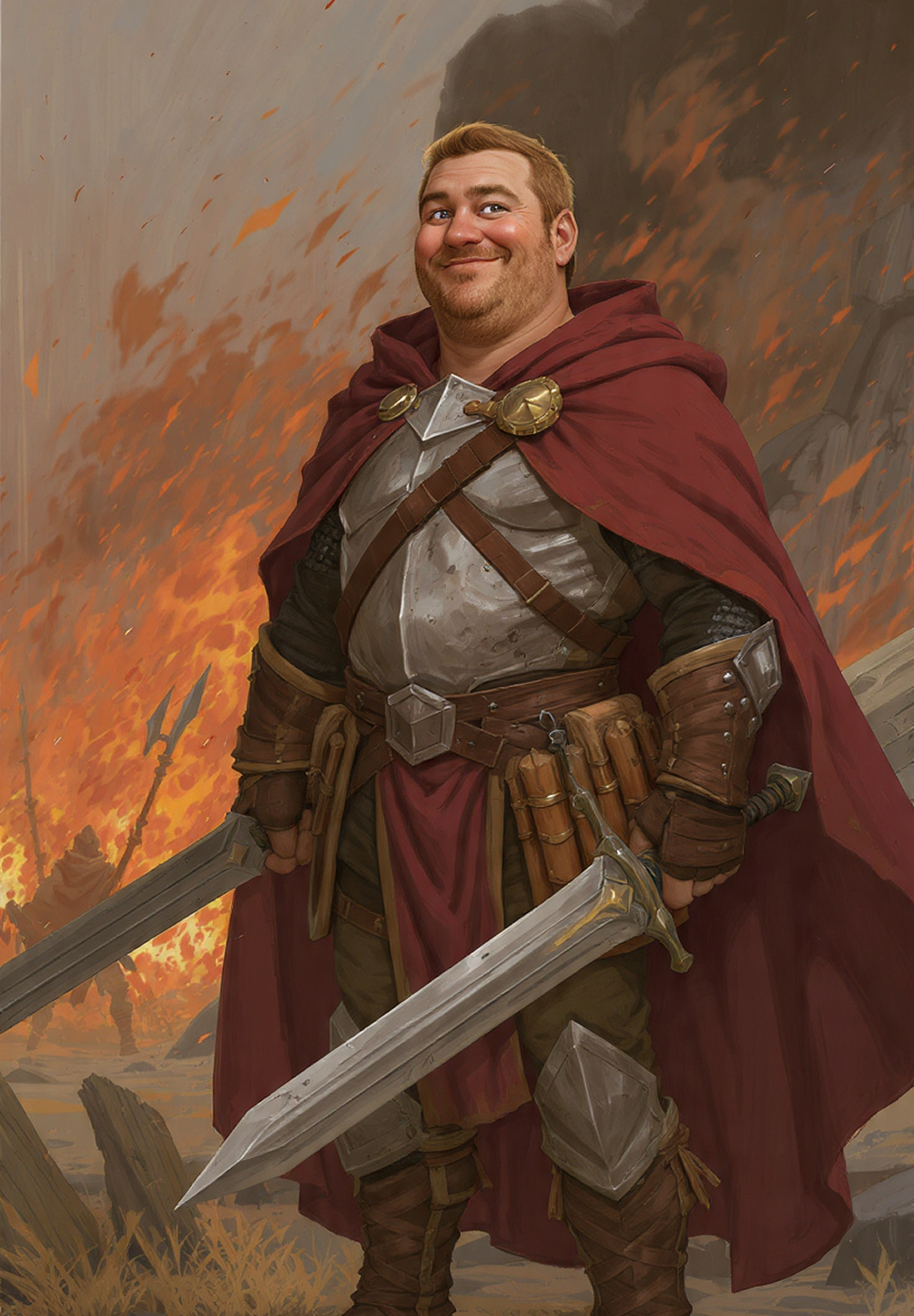
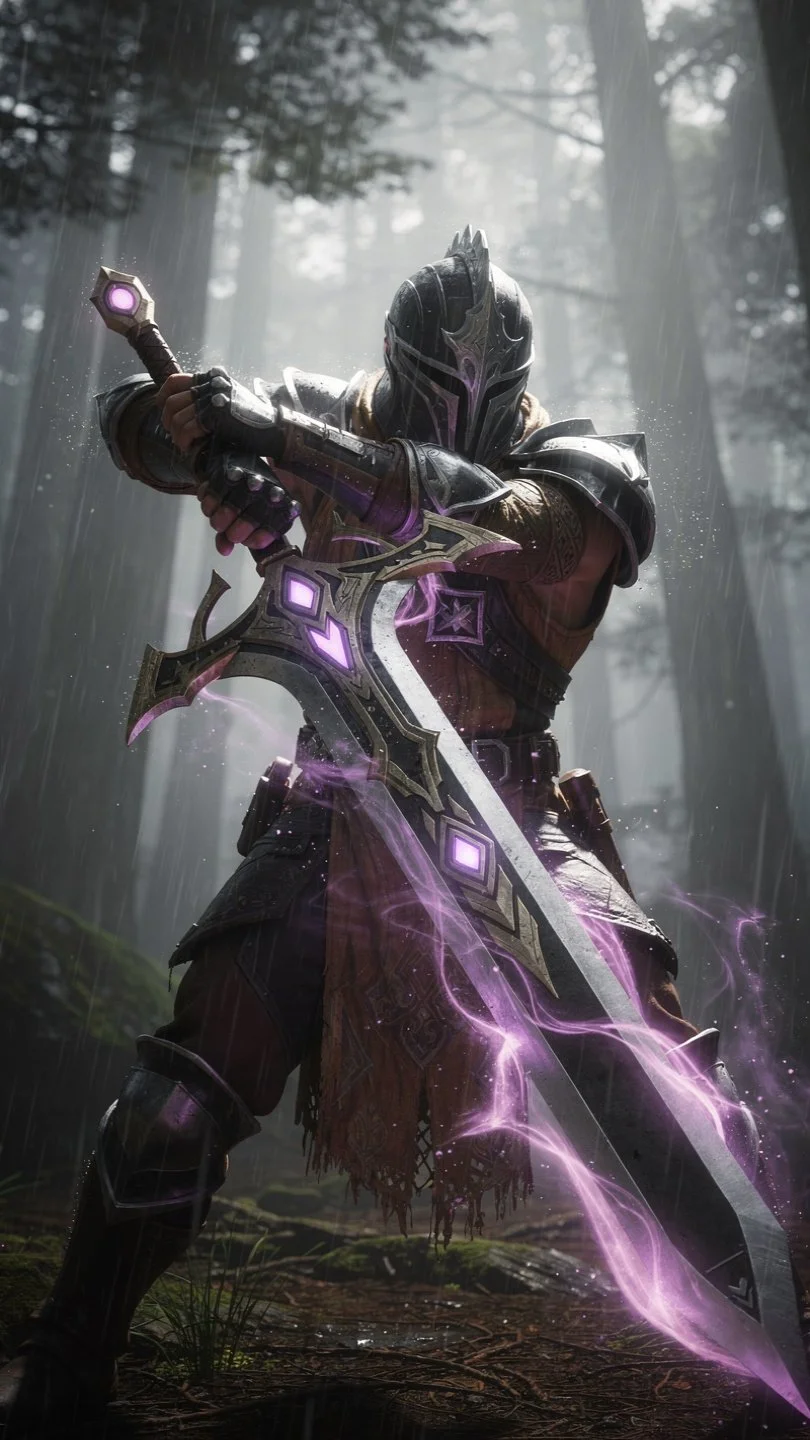
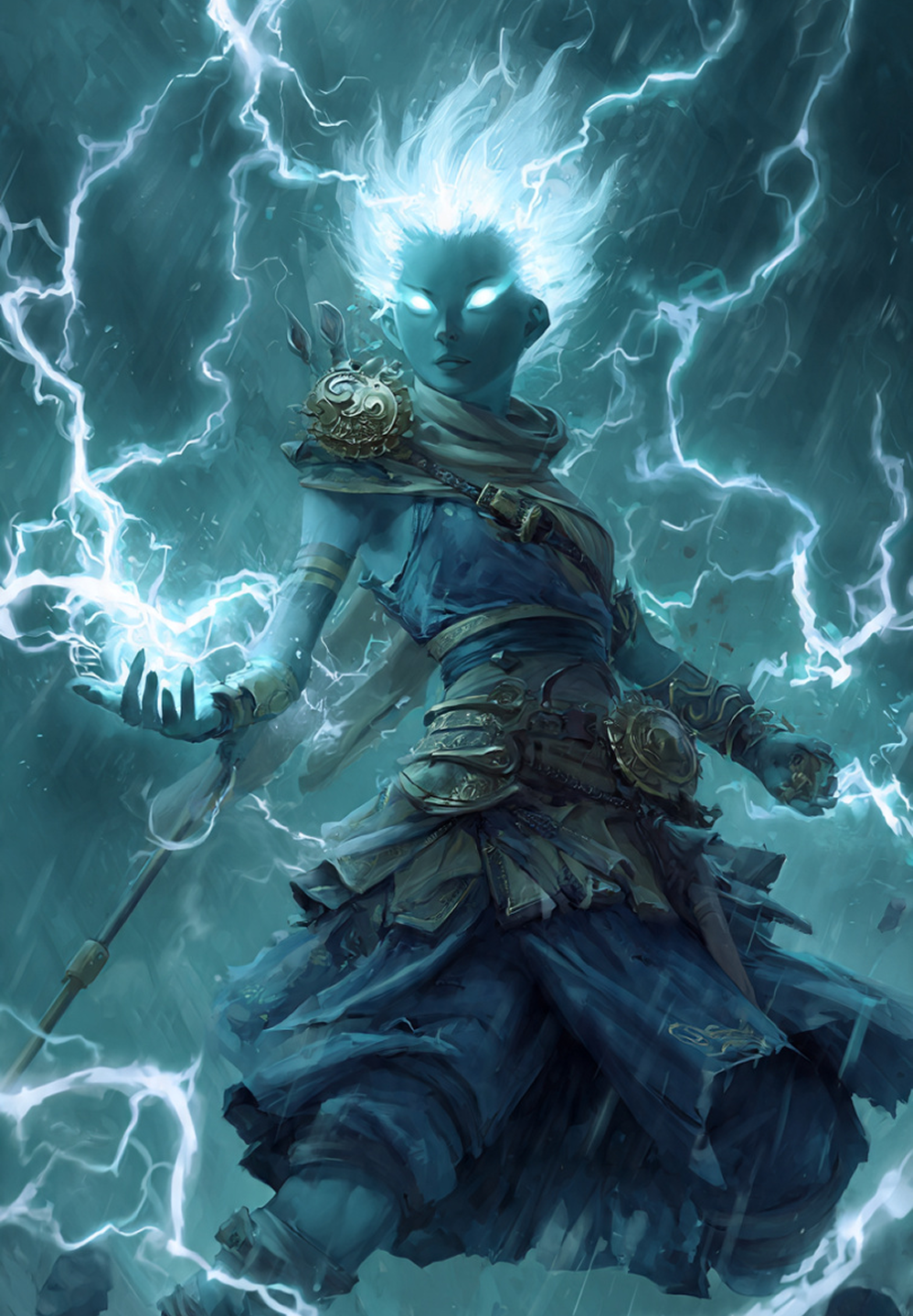
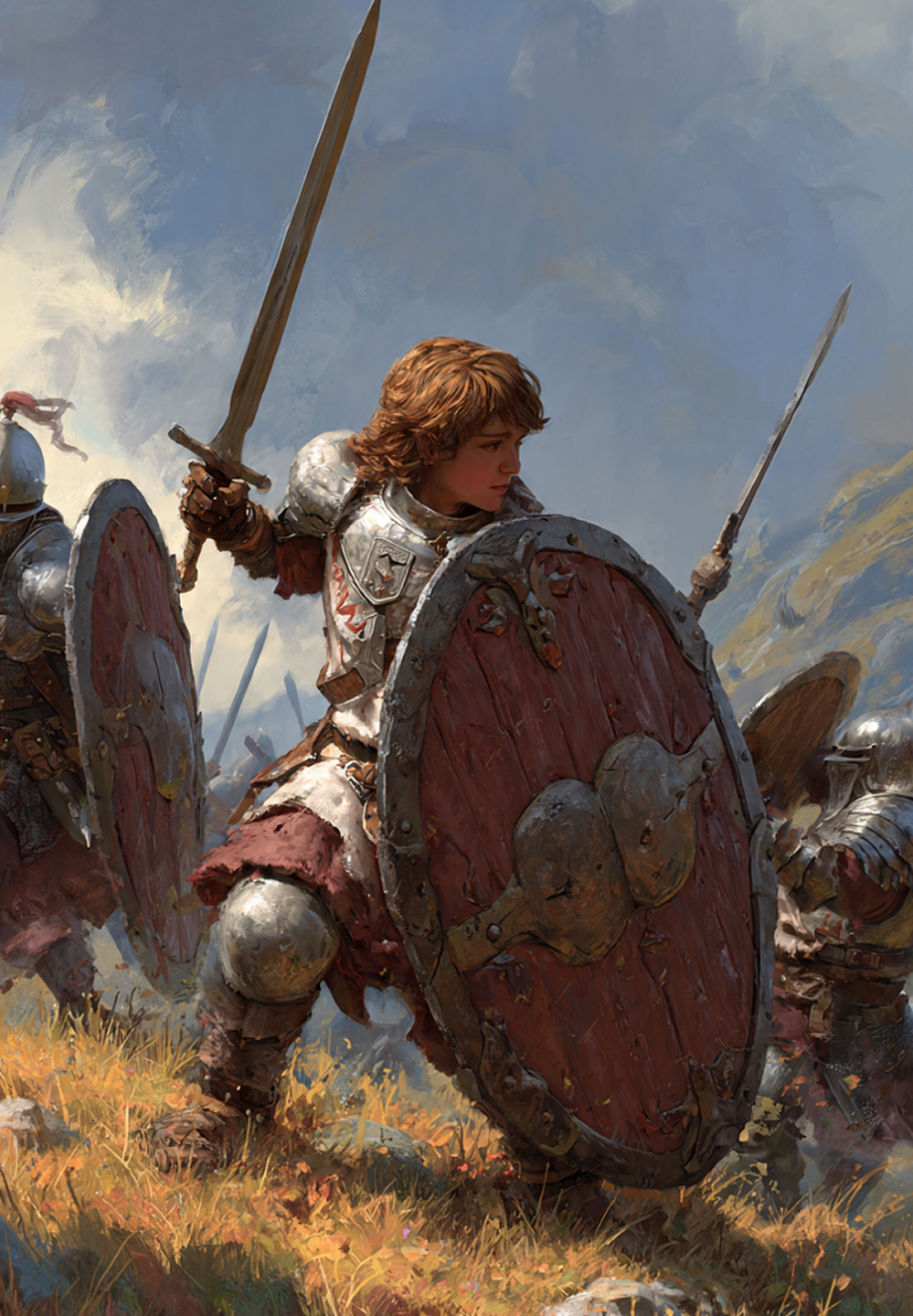
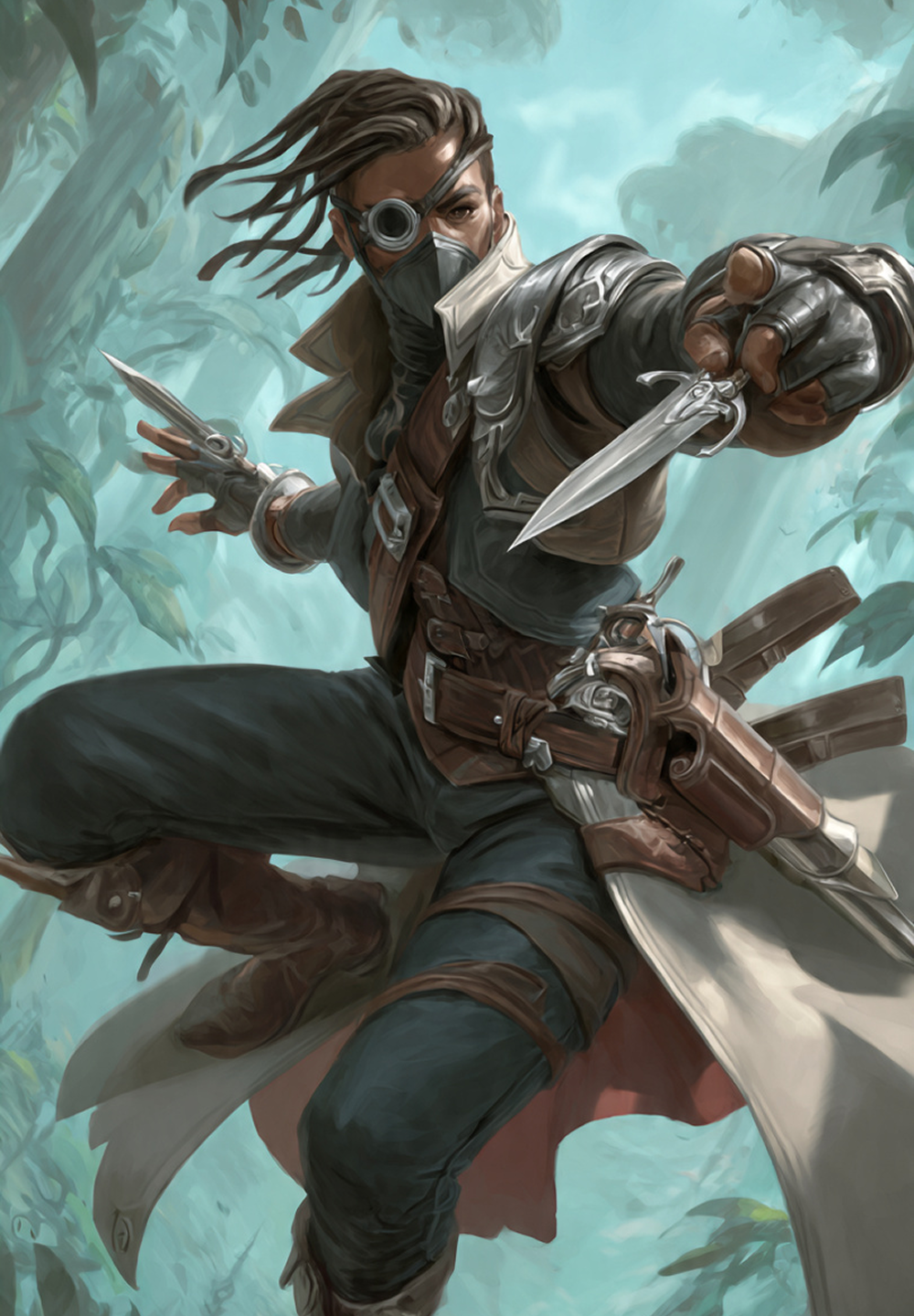
When people search for "strong D&D builds," they're usually looking for one thing.
More damage.
Higher numbers.
Bigger critical hits.
There's nothing wrong with enjoying powerful characters.
But here's something many experienced players eventually discover:
The strongest character at the table isn't always the one dealing the most damage.
It's often the one making everyone else stronger.
That's the difference between optimization and synergy.
If you want to build a genuinely strong character without falling into heavy min-maxing, start by thinking about your party—not your damage output.
Strength Isn't Just Damage
It's easy to measure damage.
You either hit the monster or you don't.
It's much harder to measure things like:
Creating opportunities.
Solving problems.
Protecting allies.
Controlling the battlefield.
Helping the party escape.
Preventing disasters before they happen.
Those don't usually appear on a damage chart.
But they win campaigns.
Start With One Question
Before you even write down your ability scores, ask yourself:
"What am I trying to help this party do better?"
Not:
"How do I become the strongest?"
Instead ask:
Am I protecting the back line?
Am I creating openings?
Am I controlling movement?
Am I solving problems outside combat?
Am I keeping people alive?
Am I helping everyone else shine?
That question changes everything.
Build Around the Party
A character never adventures alone.
So don't build as though they do.
Look around the table.
Ask:
What classes are already here?
What jobs are already covered?
What weaknesses does the party have?
Where can I contribute the most?
For example:
Perhaps your party already has a loud, fearless barbarian.
Instead of competing with him for attention, you become the stealth expert.
While the barbarian keeps every guard looking the wrong way...
...you're already inside the fortress unlocking the gate.
Neither character could accomplish that nearly as well alone.
Together?
They're far stronger than either build by itself.
That's synergy.
Think Beyond Damage
Many players judge every ability by one question:
"How much damage does this do?"
Try asking different questions instead.
Can this create opportunities?
Can this prevent damage?
Can this reposition enemies?
Can this rescue an ally?
Can this avoid combat entirely?
Sometimes the strongest spell isn't the one that kills enemies.
It's the one that changes the battlefield.
Battlefield Control Wins Fights
Take Web, for example.
It doesn't throw exploding fire everywhere.
It doesn't look impressive compared to Fireball.
Yet experienced players love it.
Why?
Because controlling where enemies can move often matters more than hurting them immediately.
A hallway filled with webs.
A doorway blocked by difficult terrain.
An escape route suddenly sealed behind your party.
Those moments win encounters.
Not because enemies died faster.
Because they couldn't fight on their own terms.
Many control spells work this way.
They're not flashy.
They're smart.
Sometimes surviving the fight is a bigger victory than finishing it quickly.
Your Best Ability Might Be Teamwork
A powerful party doesn't consist of four heroes trying to outshine each other.
It consists of four heroes making each other stronger.
Think about combinations.
A fighter knocks an enemy prone.
The rogue attacks with advantage.
The cleric keeps everyone standing.
The wizard blocks reinforcements with battlefield control.
Nobody is carrying the fight alone.
Everyone is contributing.
That is what strong D&D looks like.
Build Around the Campaign
Every Dungeon Master runs a different game.
Some love political intrigue.
Some run brutal survival campaigns.
Some hand out legendary magic items.
Others keep treasure rare.
Before you spend hours planning a complicated build, have a conversation with your Dungeon Master.
Ask questions like:
What kind of campaign are you planning?
Will magic items be common?
Will the campaign focus more on combat, exploration, or roleplay?
Are there homebrew rules I should know about?
Are there subclasses or options you discourage?
How dangerous is the world?
Those answers can shape your character far more effectively than another optimization video.
Let Magic Items Complete the Character
Many players build as though magic items don't exist.
But many Dungeon Masters enjoy rewarding characters with unique equipment.
Perhaps your Dungeon Master loves:
Intelligent weapons.
Ancient relics.
Powerful rings.
Magical armour.
Homebrew artifacts.
Story-driven treasures.
If you already know the style of campaign your Dungeon Master enjoys running, you don't necessarily need every strength built into your character sheet.
Sometimes the campaign itself will provide opportunities for growth.
That doesn't mean expecting specific treasure.
It means leaving room for your character to evolve naturally alongside the story.
Leave Room to Grow
One mistake many players make is trying to finish their character at Level 1.
But D&D is about progression.
Your character should grow.
They should discover new strengths.
Gain new allies.
Find new equipment.
Develop new tactics.
Some of your favourite abilities may not even exist yet.
That's part of the fun.
Don't Chase Perfect Numbers
A perfectly optimized build doesn't automatically create memorable moments.
The stories players remember usually involve:
Clever teamwork.
Creative plans.
Narrow escapes.
Unexpected victories.
Sacrifices.
Funny failures.
Those moments don't come from numbers.
They come from people working together.
Final Thoughts
A strong D&D character isn't the one with the highest damage per round.
It's the one that helps the entire party succeed.
Think about your teammates.
Think about the campaign.
Think about the Dungeon Master's style.
Build someone who creates opportunities instead of simply chasing bigger numbers.
Because the strongest adventuring parties rarely consist of four optimized characters.
They consist of four characters whose strengths fit together like pieces of the same puzzle.
That's far harder to build.
And far more rewarding to play.
Continue Yer Adventure
If you're looking to become a stronger player—not just build a stronger character—these Mike's Tavern guides pair well with this one:
Why Position, Timing, and Target Choice Matter More Than Weapon Stats
Learn more About Mike's Tavern, visit the FAQ, or Contact the Tavern if you've got a question.
