
Why Power Builds Fail When the Party Falls Apart
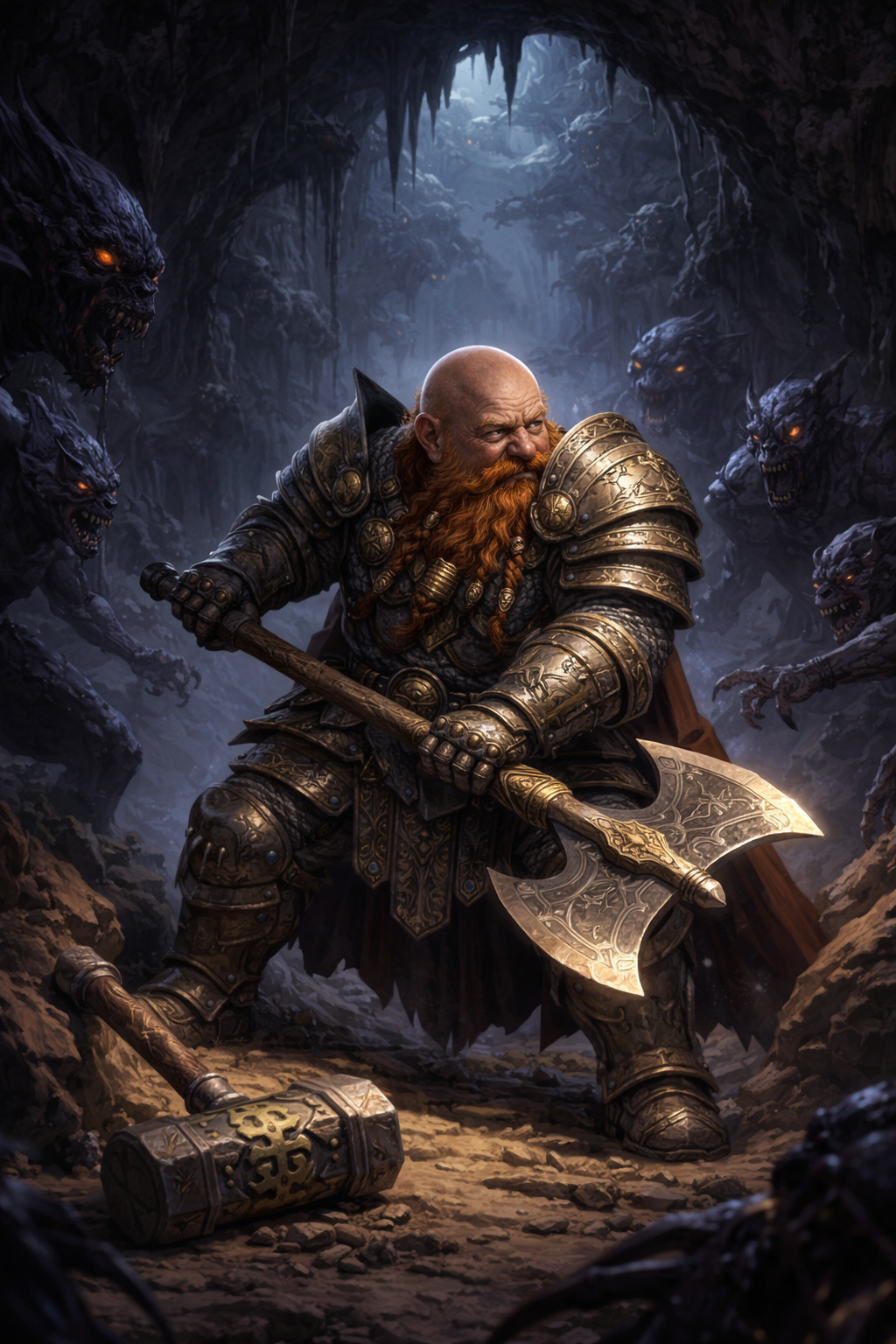
Most folk come into a campaign starry-eyed and sharp-toothed, chasin’ big numbers and bigger damage. Perfect builds. Optimized feats. Turn-by-turn math that’d make a dwarven bookkeeper weep with pride. And yet, somehow, the party still falls apart. Arguments start. Combat drags. People stop showin’ up.
This ain’t because power builds are bad. It’s because power without party awareness is brittle. And brittle things shatter the moment the table gets stressed.
This entry goes into Mike’s secret logbook for a reason. It’s the kind of lesson most learn too late.
Power Is Built in a Vacuum, Parties Are Not
A power build assumes ideal conditions. Clean positioning. Predictable enemies. Teammates who always act when you expect them to.
A real table is none of that.
Someone hesitates. Someone panics. Someone’s playing a quiet support character who needs half a beat to speak up. Someone else charges early because they’re tired of waiting. When that happens, a hyper-optimized build that needs setup starts tripping over its own boots.
This is why parties crumble when one player builds for dominance instead of cooperation. Damage spikes pull threat. Spotlight pulls resentment. Predictability pulls boredom.
If this sounds familiar, you might want to read why your party keeps falling apart and how to stop being the reason before blaming the dice.
Action Economy Beats Raw Damage Every Time
Most power builds focus on personal output. Big turns. Big hits. Big moments.
But parties survive on flow. Who locks enemies down. Who creates space. Who buys time when things go wrong.
A single character ending fights early is useful. A character who lets the whole table function is invaluable. If you want to understand how restraint actually wins encounters, take a look at how to end a fight early without stealing anyone’s spotlight.
Damage ends battles. Control ends campaigns badly if it’s hogged.
When Builds Ignore Table Temperament
Every table has a personality. Some are tactical and quiet. Some are loud and emotional. Some freeze up when choices pile too fast.
A build that demands perfect timing punishes hesitant tables. A build that floods the turn order overwhelms new players. A build that dominates every fight silences quieter voices.
This is how mechanical strength turns into social friction.
If you’ve ever watched someone stop contributing mid-session, this might help explain why. The quiet player vs the table hog lays this problem bare from the other side of the screen.
Mike Butts In With a Mug and a Scowl
“By Margann’s crusty beard, I’ve seen it more times than I’ve got missing teeth. Some lad rolls in with a build sharp enough ta shave stone, struts through the first two fights like a peacock in plate, then looks shocked when the table starts STARIN’ instead of cheerin’. Lemme tell ya somethin’, ya daft harpy. If yer strength makes the rest feel small, it ain’t strength. It’s noise. A real fighter keeps the line steady so the folk beside him don’t break. Any milk-drinker can swing hard. Takes a proper bastard to swing smart.”
Optimization Often Assumes a Perfect GM
Power builds also assume encounter pacing that rarely exists. Not every GM tunes fights to challenge peak output. Some are exhausted. Some are experimenting. Some are juggling real life stress.
When every fight starts feeling like a spreadsheet with dice, burnout isn’t far behind. If you’ve ever felt that creeping dread mid-campaign, when every battle feels like a board meeting with dice explains why this style drains tables dry.
The Hidden Cost of Being “The Carry”
Players who carry too hard create dependency. Others stop planning. Stop taking risks. Stop caring if they fail because someone else always cleans it up.
That’s not teamwork. That’s erosion.
Eventually, when the carry stumbles, the party collapses because nobody practiced holding the line together.
If this thought makes you uneasy, you’re not alone. When you’re afraid you’re draggin the party down explores the emotional side of this imbalance from the quieter seat.
The Tavern Ledger Break
At this point, it’s worth asking a hard question. Are you building to win encounters, or to keep the table alive for six months?
If you care about the second answer, spend some time with the folk behind the bar. Wander through the old notes. Learn how systems bend without snapping.
Start with how to get more damage from the same weapon without changing your build. Not to hit harder, but to hit smarter.
And if you ever find yourself tempted to chase every dirty trick in the book, remember there’s a difference between clever and corrosive. The tavern remembers.
If you want to know what this place is really about, the doors are always open at about Mike’s Tavern, and if you’ve got questions, the FAQ will save you a round of shouting.
Power That Serves the Party Lasts Longer
The strongest builds adapt. They leave room. They watch the table breathe. They make quieter players feel safer, not smaller.
That’s why some campaigns last years with unoptimized characters, while others implode under perfect math.
If you want to play the long game, learn to read the room as well as the rules.
Mike Has the Last Word
“Listen, laddie. I don’t care how shiny yer numbers look on parchment. If the table goes quiet when ya take yer turn, that’s a bad sign. A real party laughs, argues, recovers, and keeps movin’. Yer build should feel like a sturdy bench in a tavern, not a throne no one else can sit on. By Durven’s last tankard, build for the folk beside ya, and ye’ll never drink alone.”
If this entry stirred somethin’ uncomfortable or familiar, don’t stew on it alone. Reach out through the contact page or keep wanderin’ the tavern halls. There’s always another lesson carved into the wood, if you know where to look.
