
Mike’s Tavern Definitive Longsword Guide for D&D 5e and Pathfinder 2e - Part 6
This article is part of the Mike’s Tavern Definitive Longsword Guide for D&D 5e and Pathfinder 2e. You can explore the rest of the series here:
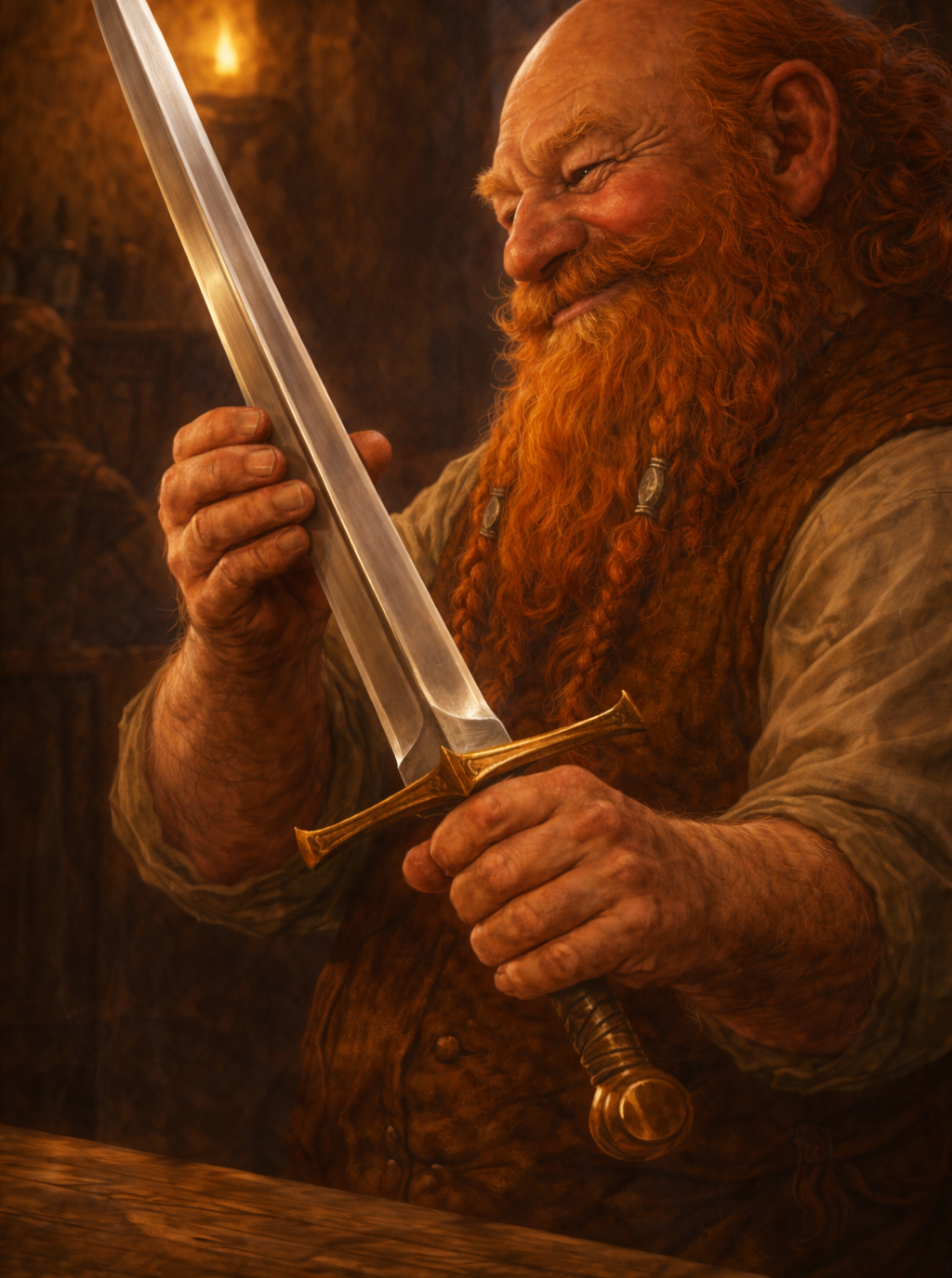
Part Six: Mastery, Restraint, and Knowing When the Sword Has Already Done Its Job
By the time folk start askin’ about mastery, most of them are already lookin’ the wrong way.
They want a trick. A signature move. Somethin’ they can point at and say, that’s what makes me good. They think mastery announces itself loud, sharp, and obvious.
It doesn’t.
Real mastery is quiet. It’s boring to watch and terrifying to fight against. It’s the player who never panics. The one who does the right thing even when nobody’s clappin’. The one who knows when the sword has already done its job and does not need to swing again.
A longsword won’t teach you that. It will only show you whether you’ve learned it.
This part isn’t about gettin’ better at combat. It’s about knowin’ when you already are. When restraint matters more than effort. When consistency matters more than brilliance.
If you’ve made it this far, this isn’t a lesson. It’s a mirror.
Mastery Is Not Flash. It Is Consistency.

By the time players reach for mastery, most of them are chasing the wrong thing.
They want cleaner techniques. Sharper tricks. A move they can point to and say, that is what makes me good.
That is not how mastery looks at the table.
In D&D 5e and Pathfinder 2e, mastery shows up as consistency under pressure. It shows up as the player who still makes good decisions when the fight is ugly, the dice are cold, and the party is tired.
A longsword does not turn you into a master. It reveals whether you already are one.
If this philosophy feels different from what you are used to, it is explained clearly on About Mike’s Tavern. The tavern has always been about judgment first and mechanics second.
Duels, Skirmishes, and Battles Are Different Problems
One of the biggest mistakes players make is treating every fight the same.
A duel is about timing and patience.
A skirmish is about space and coordination.
A battle is about survival, morale, and knowing when to stop pushing.
The longsword adapts to all three, not because it has special rules, but because it does not lock you into one solution.
In duels, restraint wins.
In skirmishes, positioning wins.
In battles, endurance wins.
If you ever feel like every encounter blends together into noise, revisit The High Ground Isn’t Just for Archers: How Position Wins Fights. It reinforces how context changes everything.
Knowing When the Sword Is a Threat Without Swinging
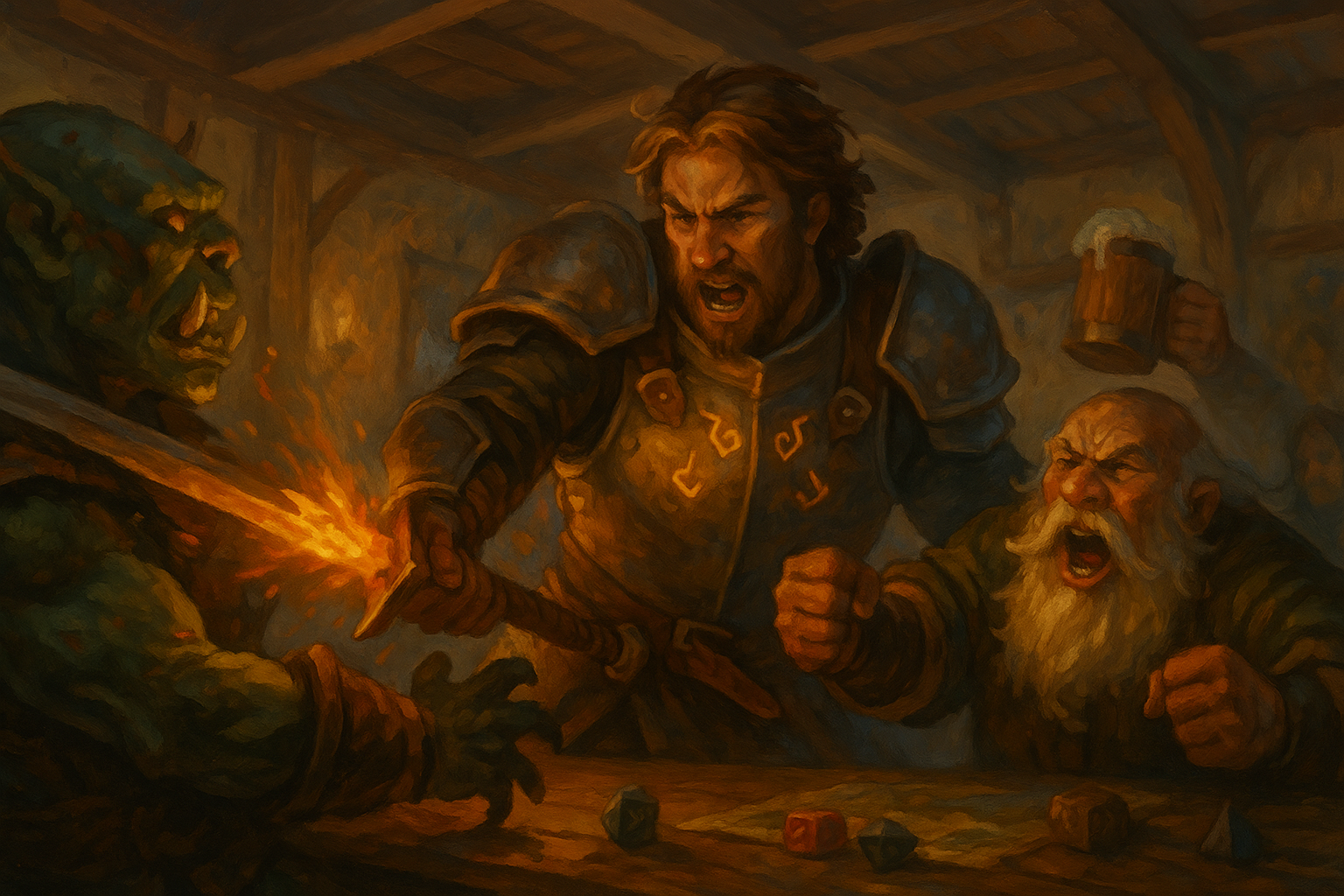
At the highest level of play, the longsword does not need to hit to matter.
Standing in the right place.
Holding a reaction.
Blocking a lane.
These choices shape the battlefield without rolling dice.
Many players never learn this because they measure success only by damage. That mindset burns out characters and tables alike.
If your group keeps escalating fights that should already be decided, How to End a Fight Early Without Stealing Anyone’s Spotlight remains the clearest lesson on restraint paying off.

Restraint Is What Keeps Campaigns Alive
Campaigns do not die because monsters are strong. They die because players refuse to slow down.
Overextending.
Chasing kills.
Ignoring fatigue.
A longsword user who understands restraint becomes a stabilizing force across sessions, not just encounters.
This is why some tables last years while others burn out in months.
If your group feels exhausted instead of excited, When Too Much of a Good Thing Kills the Game explains why pulling back often saves the fun.
Teaching Without Lecturing
True mastery is contagious, but it is never loud.
You teach others by where you stand, not by what you say.
You teach by setting up allies instead of correcting them.
You teach by staying calm when things go wrong.
This matters because not everyone at the table learns the same way. Some players need space to act. Some need time to think.
If your table struggles to let quieter players contribute under pressure, Let the Quiet Player Speak Before I Cast Silence on Ya is as much a combat lesson as it is a social one.
Failure Is Not the Opposite of Mastery
Even skilled fighters fail. The difference is how they respond.
They reset.
They reposition.
They keep the fight from unraveling.
A longsword user who understands this does not panic when things go wrong. They simplify. They stabilize. They survive.
If death or failure hangs over your table and makes people play worse, Learn to Lose Like a Legend: Why Death Ain’t the End of Yer Story helps players keep perspective without cheapening consequences.
The Longsword as a Philosophy
By now, the longsword should feel less like equipment and more like a way of thinking.
You choose it not for damage, but for options.
You wield it not for flash, but for control.
You master it not through tricks, but through restraint.
That is why it works across systems.
That is why it rewards good judgment.
That is why it keeps parties alive.
If you want a quick reference for how all six parts fit together, the FAQ lays out the structure clearly.
If anything on the site needs attention or correction, the Contact page is always open.
Closing the Guide
You have reached the end of the Definitive Longsword Guide.
If you have read all six parts, you are no longer asking how to swing a sword. You are asking when not to.
That question is the difference between playing a fighter and playing a veteran.
Finish your drink.
You have earned it, yer milk drinker!
