
What Veteran Players Stop Caring About (And Why New Players Should Too)
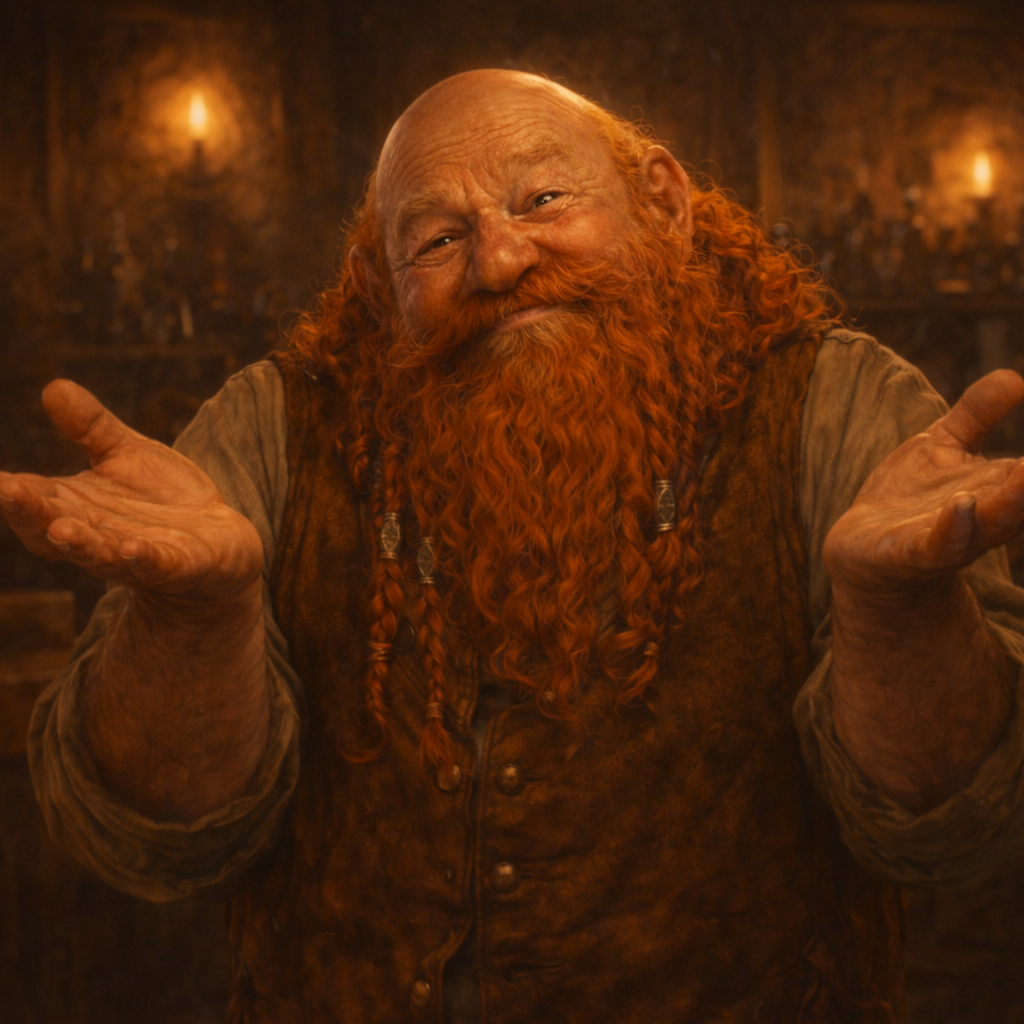
New players worry about everything. Rules. Builds. Accents. Whether they’re playing “right.” Whether the table is judging them. Whether they’re slowing things down.
Veteran players worry about almost none of that. And that difference is why they last.
This entry goes into Mike’s secret logbook because it’s the kind of wisdom that only comes from years at the table, scraped knuckles, dead characters, and campaigns that quietly faded without anyone saying goodbye.
Perfect Rules Mastery
Veterans stop caring about knowing every rule cold. Not because rules don’t matter, but because flow matters more.
They know when to look something up and when to shrug and keep moving. They trust the GM to fix it later. They trust the table not to exploit a temporary ruling. They understand that stopping the game to be correct often kills the fun faster than getting something slightly wrong.
New players think mastery earns respect. Veterans know momentum does.
If you’ve ever frozen mid-turn afraid of making a mistake, you’re not alone. When every battle feels like a board meeting with dice explains exactly how overprecision drains the table.
Being the Strongest at the Table
Veterans stop caring about being the most powerful character. They’ve seen what that does to parties. Spotlight tension. Quiet resentment. Bored encounters warped around one build.
They still build competent characters. Dangerous ones, even. But they build for contribution, not domination.
They care more about whether everyone feels useful than whether their DPR chart looks impressive.
If this feels counterintuitive, it helps to read why your party keeps falling apart and how to stop being the reason. Power imbalance rarely stays mechanical for long.
Sounding Cool All the Time
Veterans stop caring about always sounding clever, funny, or dramatic.
They’ve learned that forced roleplay is worse than quiet presence. That some sessions are heavy on combat. Some are awkward. Some are tired. Some are brilliant. And that’s fine.
They don’t panic when a line falls flat. They don’t chase laughs. They let moments breathe.
New players often think silence equals failure. Veterans know silence often means the table is thinking.
This is why they instinctively leave space, especially for quieter voices. Let the quiet player speak before I cast silence on ya exists for a reason.
Mike Slams the Mug Down
“By Brunlin’s missing eyebrow, I’ve seen green lads twist themselves into knots tryin’ ta be impressive. Fancy voices, grand speeches, whole soliloquies in a goblin cave while the rest wait with crossed arms. Listen here, lad. Ya don’t need ta perform. This ain’t a stage play. Half the best moments I’ve ever seen came from a quiet ‘I step forward’ said at the right time. Anyone mockin’ that ain’t worth sharin’ ale with.”
Winning Every Fight Cleanly
Veterans stop caring about flawless victories.
They know messy fights are memorable. Retreats are stories. Near-wipes forge bonds faster than easy wins.
They don’t sulk when things go sideways. They adapt. They protect each other. They understand that survival, not elegance, is the point.
New players often think failure reflects badly on them. Veterans know failure is the campaign’s heartbeat.
If you want to reframe loss entirely, learn to lose like a legend will change how you see character death and defeat.
Always Agreeing With the Party
Veterans stop caring about constant consensus.
They voice concerns early. They argue respectfully. They know that quiet resentment kills games faster than disagreement.
They also know when to let things go. When the table chooses chaos, they strap in and make it fun instead of sulking.
This balance is hard-earned. If you’ve ever worried you’re dragging things down by speaking up, when you’re afraid you’re draggin the party down speaks directly to that fear.
The Ledger Between the Chapters
Here’s the part new players miss. Veterans aren’t careless. They’re selective.
They’ve learned what matters long-term and what burns out fast. They care deeply about table trust, pacing, and emotional safety. They stop caring about the rest.
If you want to sharpen your play without sharpening the tension, wander through the old notes. How to get more damage from the same weapon without changing your build isn’t about numbers. It’s about efficiency without ego.
If you’re new around here, you might want to understand the tavern itself. Start with about Mike’s Tavern or skim the FAQ before the night gets loud.
What Actually Replaces All That Worry
Veterans care about whether people show up next week. Whether laughter outweighs tension. Whether someone feels safe enough to try something new.
That’s it.
They know campaigns end, but tables last if you tend them.
Mike Has the Last Say, As Usual
“Look here, me lass. Me lad. The dice’ll betray ya. Rules’ll change. Characters’ll die ugly. But if the table feels steady, if folk feel heard, you’ll keep comin’ back. That’s the real victory. By Harnak’s shattered pickaxe, stop frettin’ over nonsense and mind the folk beside ya. That’s how legends last.”
If this eased a worry or stirred a question, don’t keep it bottled. You can always reach out through the contact page or pull up a stool and keep readin’. There’s always another lesson scratched into the wood, waitin’ for the right pair of eyes.
