
Most folk think more damage means better gear, higher numbers, or rebuildin’ their whole character from scratch. That’s how merchants get rich and parties get sloppy. Truth is, if yer weapon feels weak, it’s rarely the steel’s fault. It’s how ye’re usin’ it.
I’ve watched plenty of adventurers swing legendary blades like they were stirrin’ soup. Same weapon, same build, same turn every round, and then they wonder why the fight drags on longer than a bad song at last call.
This guide’s about squeezin’ more damage out of what you already have. No respeccing. No rebuilds. No fancy tricks that make the GM sigh into his notes. Just smarter play, better habits, and a bit of tavern-earned sense.
A Word From Behind the Bar
Once saw a lad with a perfectly fine axe complain he couldn’t keep up with the party’s damage. Two rounds later, I noticed he’d been hittin’ the biggest, toughest enemy every single turn while standin’ in the worst spot imaginable. Never moved. Never helped anyone else. Just kept swingin’ and hopin’.
That axe didn’t need replacin’. The thinkin’ did.
If this sort of lesson sounds familiar, you’ll find plenty more like it tucked away around About Mike’s Tavern. I didn’t survive this long by trustin’ sharp objects to do all the work.
Damage Starts Before You Roll
Most damage is decided before the dice ever hit the table.
Who you hit matters more than how hard you hit them. Strikin’ the toughest enemy might feel heroic, but droppin’ a weaker foe early often swings the entire fight. Fewer enemies means fewer attacks comin’ back at yer party, which means more freedom to press the advantage.
Mike’s rule of thumb: if an enemy can still act next round, they’re still a problem. If you can remove one from the board now, do it. Dead enemies don’t flank, don’t cast, and don’t crit.
This is where patience beats bravado. High damage turns often come from waitin’ half a round for the right opening instead of rushin’ the first thing in reach.
Position Is a Damage Multiplier in Disguise
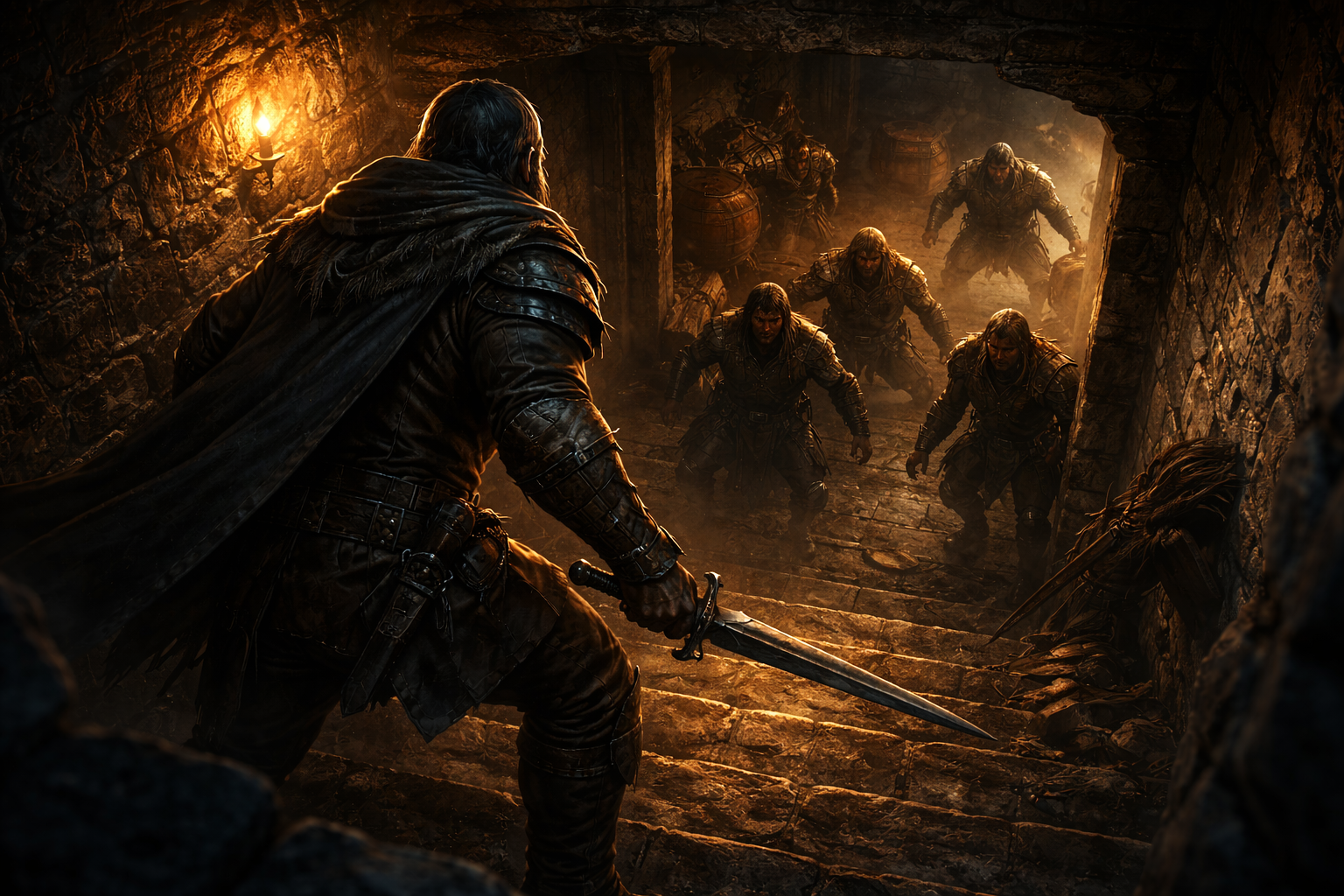
Players love talkin’ about damage dice. They forget how often good position adds damage without addin’ a single number.
Standing where you force enemies to choose between bad options is worth more than a bonus die. If an enemy has to turn, move, or split attention, you’ve already won a small victory. Even simple things like blockin’ a path, threatenin’ a retreat, or settin’ up an ally matter more than folks admit.
And if you’re standin’ somewhere “because that’s where I ended my last turn,” you’re already behind.
If this habit shows up at yer table, there’s a gentle reminder over in Keeping Cool When the Dice and the Party Betray Ya. Fights get messy. Good position keeps yer head clear when they do.
Timing Turns Damage Into Pressure
Swingin’ first isn’t always swingin’ best.
Consider when your attack actually matters. Hittin’ before an ally sets something up might feel productive, but hittin’ after that setup often hits harder. Waitin’ one beat to strike when it counts can turn an average blow into a fight-ending one.
This doesn’t mean stallin’ or overthinkin’ every turn. It means watchin’ the flow of the fight. Who’s about to act. Who’s exposed. Who’s already on the back foot.
Damage that lands at the right moment applies pressure. Pressure breaks enemies faster than raw numbers ever will.
Stop Wasting Attacks on Bad Targets

If an enemy’s already controlled, distracted, or forced into a bad position, you might not need to hit them again. Too many players keep pile-driving the same target out of habit while another threat goes untouched.
Smart damage spreads fear. When enemies realize no one is safe, they start makin’ mistakes.
If you’ve ever wondered why some parties feel smooth and others feel chaotic, How to Celebrate Wins That Aren’t Yours touches on this mindset shift. Lettin’ go of personal glory often leads to more effective violence overall.
Use the Whole Weapon, Not Just the Sharp End
A weapon isn’t just for hittin’. It’s for threatenin’, blockin’, pinning, cornerin’, and makin’ space.
If yer only question each turn is “who do I hit,” you’re missin’ half its value. Sometimes the most damage you can deal is denyin’ an enemy a clean turn. Forcin’ them to move, hesitate, or choose poorly adds up fast.
I once saw a shield-bearing fighter out-damage a flashy striker simply by controlin’ space so well the enemy never got a clean swing. Didn’t look impressive. Worked like a charm.
If you want examples of characters who shine through smart play rather than raw stats, take a look at Brenna Barrelgut, Ale-Sworn Shieldmaiden or The Rogue Who Hates Stealing. Both hit harder than they look on paper.
Mid-Fight Adjustments Win Fights
The biggest damage mistake is stickin’ to the original plan when it’s clearly not workin’.
If yer swings aren’t landin’, change something. Shift position. Change targets. Set up an ally instead. A fight is a livin’ thing, not a script.
Mike’s advice: every two rounds, ask yerself one question. “Is what I’m doin’ right now makin’ this fight end sooner?” If the answer’s no, adjust.
You’d be surprised how many fights turn around the moment someone does.
A Quick Note Before You Swing Again
📌 By me beard, lad, if all this sounds familiar, it’s because you’ve already felt it go wrong.
👉 If you want more practical combat sense without rebuildin’ yer whole character, poke around Mike’s Tavern or ask a question straight through Contact. Better to learn here than mid-fight.
Wrappin’ It Up
More damage doesn’t always come from better builds. It comes from better decisions.
Who you hit. When you hit. Where you stand when you do it. Those choices stack quietly until suddenly the fight feels easier, faster, cleaner.
And if you’re ever unsure whether it’s the weapon or the wielder that needs work, the answer’s almost always the same.
📌 Steel only does what the hand tells it to.
👉 For more guides like this, common questions, and lessons learned the hard way, you’ll find answers waiting over at the FAQ. Pull up a chair. The next round’s on experience, not luck.
