
The Small Behaviors That Quietly Push a Party Toward Collapse
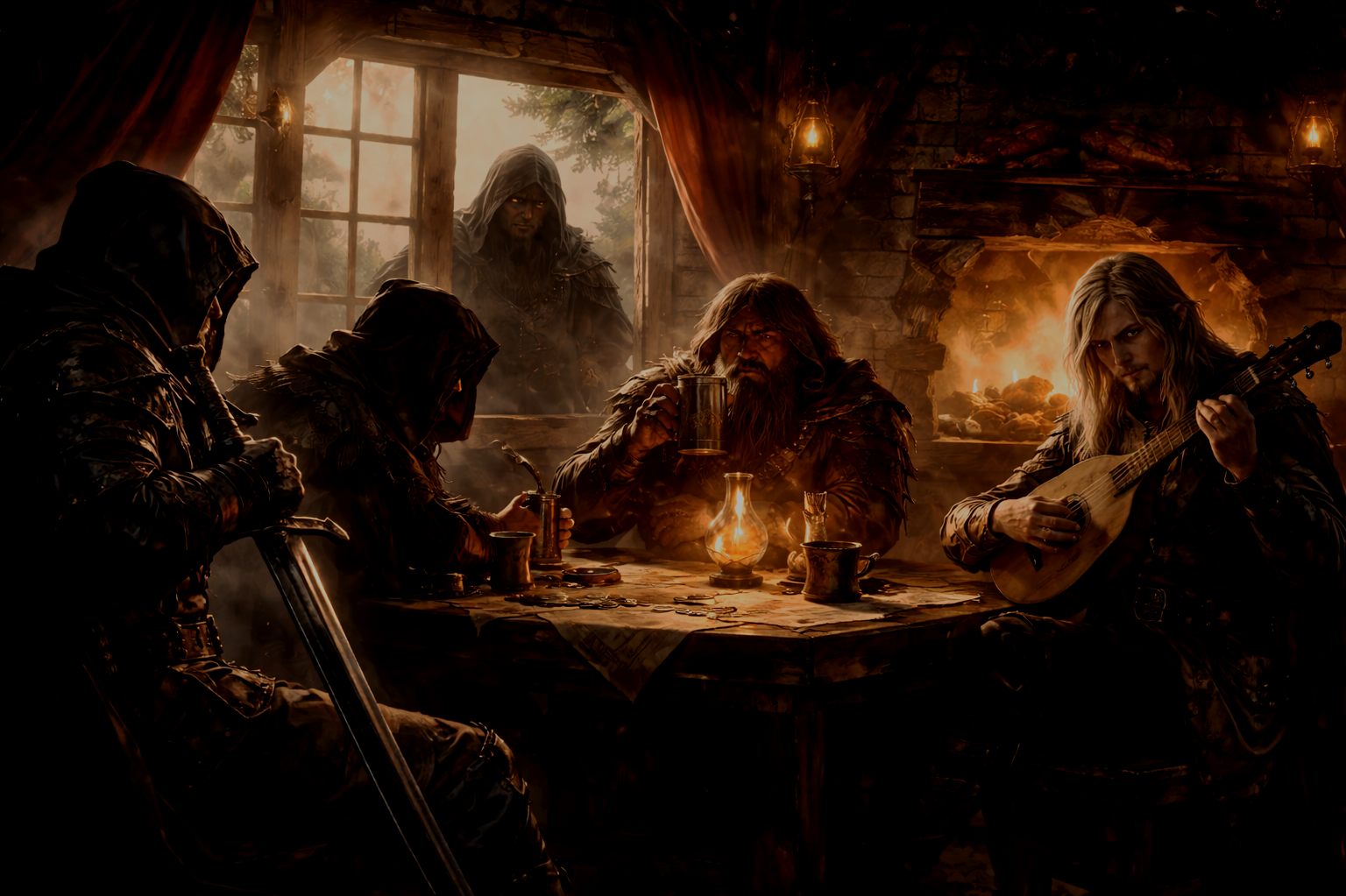
Most parties don’t fall apart because of one big mistake.
They fall apart because of dozens of small, unexamined behaviors that stack up over time. Nobody notices them at first. Nobody means harm. Everyone assumes someone else will say something — until the table feels brittle, resentful, or strangely empty.
By the time people realise the game isn’t fun anymore, the damage is already done.
This article isn’t about calling anyone out. It’s about spotting the quiet habits that slowly poison a table — especially when they come from good intentions.
Collapse rarely starts with conflict
The earliest signs of a failing party are almost invisible:
A player stops pitching ideas.
Another fills the silence without noticing.
The GM over-preps to compensate for low energy.
Sessions end with polite smiles instead of laughter.
No arguments. No blow-ups. Just a slow draining of joy.
If you’ve ever felt unsure whether the problem was the game itself or the people around it, When you can’t tell if you’re burnt out or just tired of them digs into that exact confusion — the moment when frustration turns inward and clarity disappears.
Behavior #1: Talking more when others talk less
One of the most common accidental harms at a table is imbalance, not hostility.
When one player consistently:
Explains plans “to help”
Talks through other people’s turns
Jumps in to keep things moving
…it can slowly train quieter players to disappear.
Not because they’re weak — but because they’ve learned there’s no space for them.
This is why Let the quiet player speak before I cast silence on ya resonates so strongly. Silence at the table is rarely disinterest. It’s often resignation.
Behavior #2: Treating efficiency like virtue
Many players — especially experienced ones — mistake efficiency for leadership.
They optimise turns.
They streamline decisions.
They push the party forward when things get messy.
But tabletop games aren’t productivity tools. When everything starts to feel procedural, players disengage emotionally. Combat becomes mechanical. Roleplay dries up.
That creeping sense of obligation is at the heart of When every battle feels like a board meeting with dice, where play stops feeling like play and starts feeling like work.
Mike slams a tankard on the table
“By Durven’s last tankard, I’ve seen more tables die from folk tryin’ ta be ‘helpful’ than from goblins with blades. A game ain’t a ledger, lad. If yer countin’ turns like coin and rushin’ folk along, don’t be shocked when they stop bringin’ their hearts to the table.”
Behavior #3: Never naming discomfort
Another slow killer is politeness without honesty.
When players avoid saying:
“That scene made me uncomfortable”
“I feel left out lately”
“I’m not enjoying this as much as I used to”
…the discomfort doesn’t vanish. It goes underground.
Eventually, someone quietly leaves. Or the table dissolves with vague excuses and no closure. This is why The right D&D GM won’t fix ya, but he’ll hold space while ya mend matters — because safe tables aren’t silent ones. They’re honest ones.
Behavior #4: Assuming “the vibe” will fix itself
“The vibe feels off” is one of the most dangerous sentences in tabletop gaming.
It names a problem without responsibility. If the vibe is the issue, no one knows what to change — so nothing changes.
This is where parties start fracturing without knowing why. That’s why Why Your Party Keeps Falling Apart (and How to Stop Being the Reason) exists: to turn vague discomfort into something actionable, without blame.
You can’t fix what you refuse to examine.
A hard truth worth sitting with
Most party collapse isn’t caused by bad people.
It’s caused by:
Unchecked habits
Uneven emotional labor
Fear of being “difficult”
Silence disguised as harmony
If your table feels fragile, don’t look for villains. Look for patterns.
Articles like Why your party keeps falling apart and When you’re afraid you’re draggin’ the party down both circle the same truth: awareness is what saves tables — not perfection.
Mike grumbles one last time … again
“Listen close, lad. Parties don’t need heroes who fix everything. They need folk who notice when someone’s gone quiet, when laughter’s thinner than it used ta be. A table that can’t look at itself with honest eyes won’t survive the winter.”
Before the chairs start going empty
If you recognise even one of these behaviors at your table, don’t panic.
Awareness is the moment before collapse — the last good chance to course-correct.
You don’t need to accuse anyone.
You don’t need a dramatic confrontation.
You just need to stop pretending nothing’s happening.
And if you’re wondering where to start, Mike’s Tavern keeps its doors open for exactly these moments. You can learn more about the old dwarf behind the bar over at the About Mike’s Tavern page, check how the place runs in the FAQ, or reach out directly through the Contact page.
A party doesn’t stay together because everyone plays perfectly.
It stays together because someone noticed the cracks early — and cared enough to speak.
