
Daggers Ain’t Small Weapons, Lad They’re Precision Tools for Players Who Know What They’re Doing
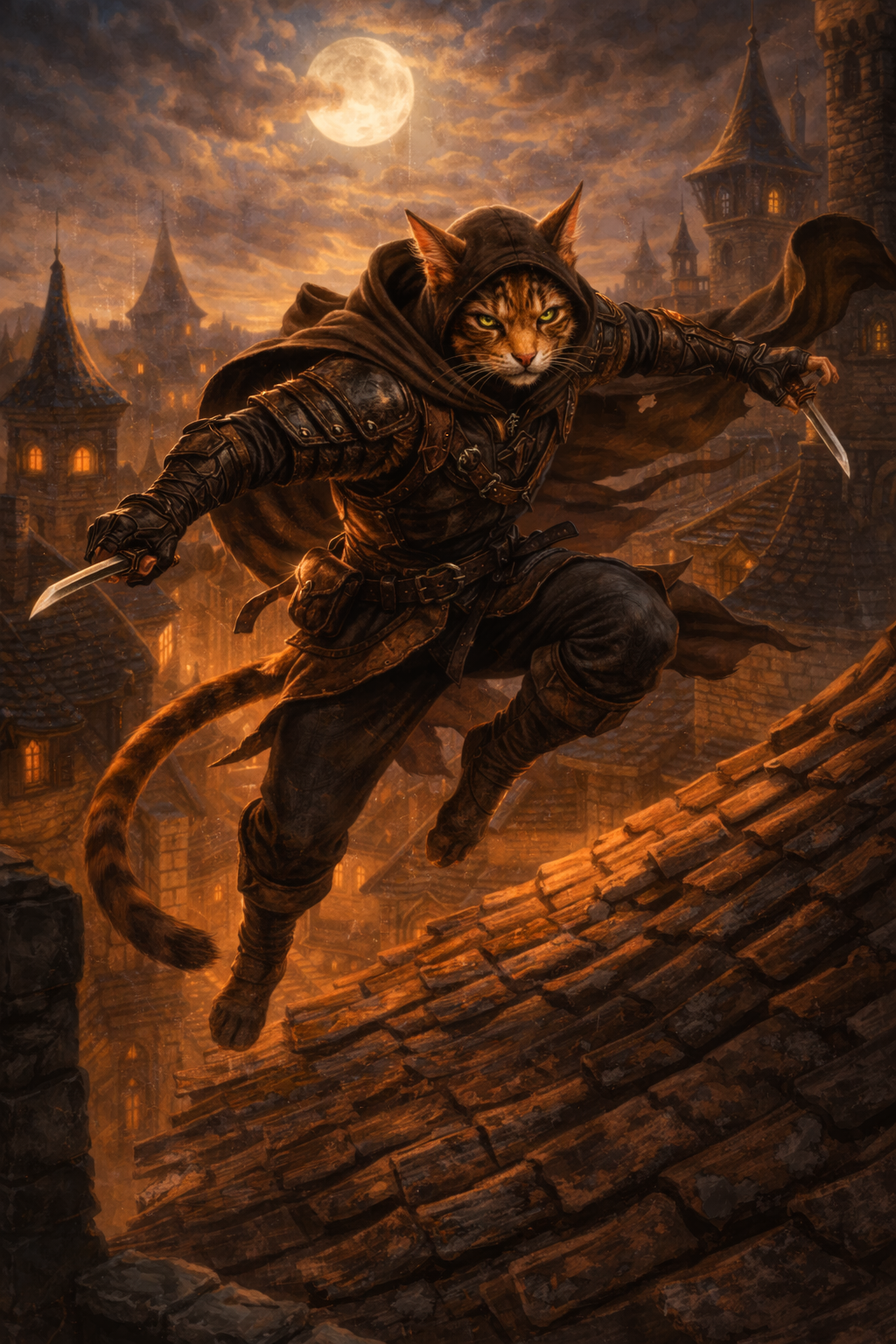
Most folk hear “dagger” and think backup blade. Last resort. Something ya pull when yer sword’s gone missing or yer spell slots are drier than last week’s bread. That kind of thinking gets adventurers buried.
A dagger ain’t a consolation prize. It’s a choice. A statement. And when used right, it’s one of the most dangerous tools at the table.
This guide digs into when a dagger shines, what kind of character should carry one on purpose, and why party structure, campaign tone, and even the temperament of yer GM matter more than raw damage dice. If yer wondering whether a dagger build fits yer game, pull up a stool and listen close.
Why Choose a Dagger at All
A dagger’s power isn’t in how hard it hits. It’s in where, when, and how often it hits.
Daggers thrive in games where positioning matters, where advantage and disadvantage swing fights, and where clever play beats brute force. They reward players who think ahead, read the battlefield, and understand the rhythm of combat.
If yer table treats every fight like a straight line brawl, a dagger will feel weak. But if yer GM uses cover, elevation, ambushes, darkness, and mixed objectives, daggers suddenly become terrifying. This kind of encounter design is explored in When Every Battle Feels Like a Board Meeting With Dice, where fights stop being slugfests and start becoming problems to solve.
Daggers are light, subtle, concealable, and often interact with class features that heavier weapons cannot. In many systems they qualify for bonus action attacks or thrown weapon tricks, which makes them ideal for players who care about action economy more than raw numbers.
The Kind of Character Who Should Carry a Dagger
A dagger belongs in the hands of a character who solves problems sideways.
Rogues are the obvious pick, but dagger specialists tend to focus less on big cinematic turns and more on repeatable advantage. They finish fights early without stealing the spotlight, a concept broken down clearly in How to End a Fight Early Without Stealing Anyone’s Spotlight.
Monks and mobile fighters can also make daggers sing when they understand positioning, reactions, and movement. Even some spellcasters carry daggers deliberately, not for damage, but for control, survivability, and silent problem solving when things get close and ugly.
If yer character values patience, awareness, and timing over brute force, a dagger will reward ya far more than a heavier weapon ever could.
Party Structure Matters More Than Damage
Daggers shine brightest when the party already has noise covered.
If yer party has front liners drawing attention and spellcasters reshaping the battlefield, the dagger user becomes the pressure valve. You finish wounded enemies, punish overextension, and stop fights from dragging on. That role keeps parties healthy and is closely tied to the ideas discussed in Why Your Party Keeps Falling Apart and How to Stop Being the Reason.
In smaller parties or narrative driven campaigns, daggers enable stealth, infiltration, and surgical solutions that avoid turning every problem into open combat. This also helps quieter players contribute meaningfully, which pairs well with lessons from Let the Quiet Player Speak Before I Cast Silence on Ya.
A Word from Behind the Bar
“By Margann’s crusty beard, I’ve seen more yellow bellied milk drinkers laugh at a dagger than I can count. Listen here, laddie. A dagger don’t announce itself. It don’t clang and preen for applause. It waits. It watches. Then it ends things while the rest of the table’s still flexin’.
I’ve seen goblin lovers sneer at a blade like it were a toy, then stand there like startled harpies wonderin’ why the enemy’s already bleedin’ on the floor. If yer lookin’ to show off, grab a bigger weapon. If yer lookin’ to win, sharpen the small one and learn where to stand.”
Campaign Tone and the Dagger’s Role
Daggers thrive in gritty, political, or low magic campaigns where subtlety matters. They feel right in alleyway ambushes, tense negotiations gone wrong, and dungeon crawls where noise carries consequences.
In high fantasy power romps, daggers can still work, but only if the system rewards positioning and smart play. Understanding that difference prevents frustration, much like learning when spectacle starts hurting the game rather than helping it, a theme explored in When Too Much of a Good Thing Kills the Game.
If surprise, environment, and timing matter at yer table, a dagger is almost always a strong choice.
The GM’s Style Changes Everything
Some GMs reward clever positioning. Others reward bold declarations. Neither is wrong, but daggers lean toward tables that value intent and planning.
If yer GM runs encounters like puzzles instead of punch ups, daggers thrive. If every fight turns into a static brawl, you’ll work harder for the same payoff. That mismatch of expectations is exactly why You’re Not Matt Mercer, Lad, and That’s a Bloody Good Thing exists.
Knowing yer GM is part of knowing yer build.
Before You Commit to the Blade
Daggers aren’t for everyone. But in the right hands, at the right table, in the right campaign, they are brutally effective.
Before locking in the build, talk to yer group. Ask about tone. Ask about spotlight balance. Ask what kind of victories matter in this story.
If yer still unsure, take a look at About Mike’s Tavern, check the FAQ, or reach out through the Contact page. This place exists to keep good players from making the same mistakes twice.
By Grabgar’s hammer, a dagger ain’t flashy. But for players who know what they’re doing, it’s one of the deadliest promises ya can make.
