
Playing Your First RPG: Understanding What It Means to Be Part of a Party

Being part of a party is not about being the strongest, the most dramatic, or the most intimidating character at the table. That is a common misunderstanding among beginners. Many new players believe they need to stand out in order to belong. They try to make their characters mysterious, edgy, or unusually powerful because they assume attention equals contribution.
Tabletop roleplaying games are not built around individual dominance. They are built around cooperation. The foundation of most successful groups is not skill, power, or cleverness. It is trust. It is companionship. It is the willingness to support people you barely know and gradually come to understand.
If you ever find yourself at a table where no one trusts each other, where one player dominates every conversation while another refuses to cooperate, it is important to recognize what kind of environment you are in. Sometimes you can improve the situation by being patient and supportive. Sometimes, when the environment becomes too toxic, the healthiest choice is to leave and find a better group. Healthy tables share certain traits that appear again and again. They value understanding, forgiveness, shared laughter, and a sense of belonging that grows over time.
If you are still trying to understand how group-based storytelling works in practice, reviewing the basics in the Frequently Asked Questions can help clarify how cooperation shapes the overall experience.
Why This Feeling Is Normal
Many beginners enter tabletop games expecting competition rather than cooperation. This expectation often comes from video games, movies, or stories that focus on individual heroes. In those formats, one character often stands at the center while others support from the background.
Tabletop roleplaying works differently. Every player shares responsibility for shaping the story. That shared responsibility can feel unfamiliar at first, especially if you are used to environments where success depends on personal achievement.
Another reason this confusion happens is that many new players worry about how they are perceived. They want their characters to be impressive because they want to feel accepted. That pressure sometimes leads to exaggerated personalities or overly dramatic decisions that unintentionally disrupt group harmony.
Over time, most players realize that belonging does not come from standing apart. It comes from standing together. The strongest parties are not defined by individual brilliance but by collective trust.
If you are curious how strong communities grow through shared experiences, exploring About Mike’s Tavern provides useful context on how cooperation builds lasting group identity.
What This Moment Actually Looks Like at the Table
Picture a typical early session where the party faces a difficult decision. The group stands outside a locked door that leads into an unknown space. One player suggests forcing the door open. Another suggests searching for traps first. A third player proposes listening carefully before acting.
You watch the discussion unfold and realize that no one is acting alone. Every suggestion builds on the previous one. The final decision does not belong to a single person. It belongs to the group.
In another moment, combat begins and one character becomes surrounded by enemies. Instead of focusing only on their own actions, other players move into position to help. One character blocks an incoming attack. Another heals damage. A third distracts an enemy to create an escape route.
From the outside, this looks like strategy. From the inside, it feels like trust. Players begin to recognize that survival often depends on helping each other rather than chasing personal glory.
That is what being part of a party truly looks like in practice. It is not loud heroics. It is steady cooperation.
What Most New Players Worry About (And What Actually Happens)
New players often misunderstand what makes a party strong. These misunderstandings create tension that fades once group dynamics become clearer.
Fear: I need to make my character stand out to be valuable.
Reality: Characters become valuable through cooperation, not isolation.
Fear: If I do not act independently, I will feel overshadowed.
Reality: Working with others creates stronger moments than acting alone.
Fear: Strong personalities dominate successful parties.
Reality: Balanced communication creates sustainable teamwork.
Fear: Trust must be earned slowly before cooperation begins.
Reality: Small supportive actions build trust surprisingly quickly.
If you want to understand how teamwork influences the outcome of difficult situations, reading Why Position Timing and Target Choice Matter More Than Weapon Stats offers insight into how coordinated decisions shape victory.
What You Can Do In That Moment
Learning to function as part of a party begins with simple habits that encourage cooperation. One effective technique is to listen actively when others speak. Paying attention to their plans allows you to build on their ideas rather than compete with them.
Another useful strategy is to look for opportunities to assist others. Helping an ally succeed often strengthens the group more than focusing exclusively on personal achievements. This assistance might involve sharing information, protecting vulnerable teammates, or supporting plans that benefit everyone.
Communication also plays a major role in building trust. Asking questions such as "How can I help?" or "What do you need from me?" encourages collaboration. These questions signal that you are invested in the group rather than focused only on yourself.
Preparation between sessions also strengthens group cohesion. Reviewing your character’s abilities and understanding how they interact with others allows you to contribute more confidently. Many players find that structured references available in the RPG Tools section make it easier to recognize supportive opportunities during intense moments.
Small actions performed consistently build strong relationships over time.
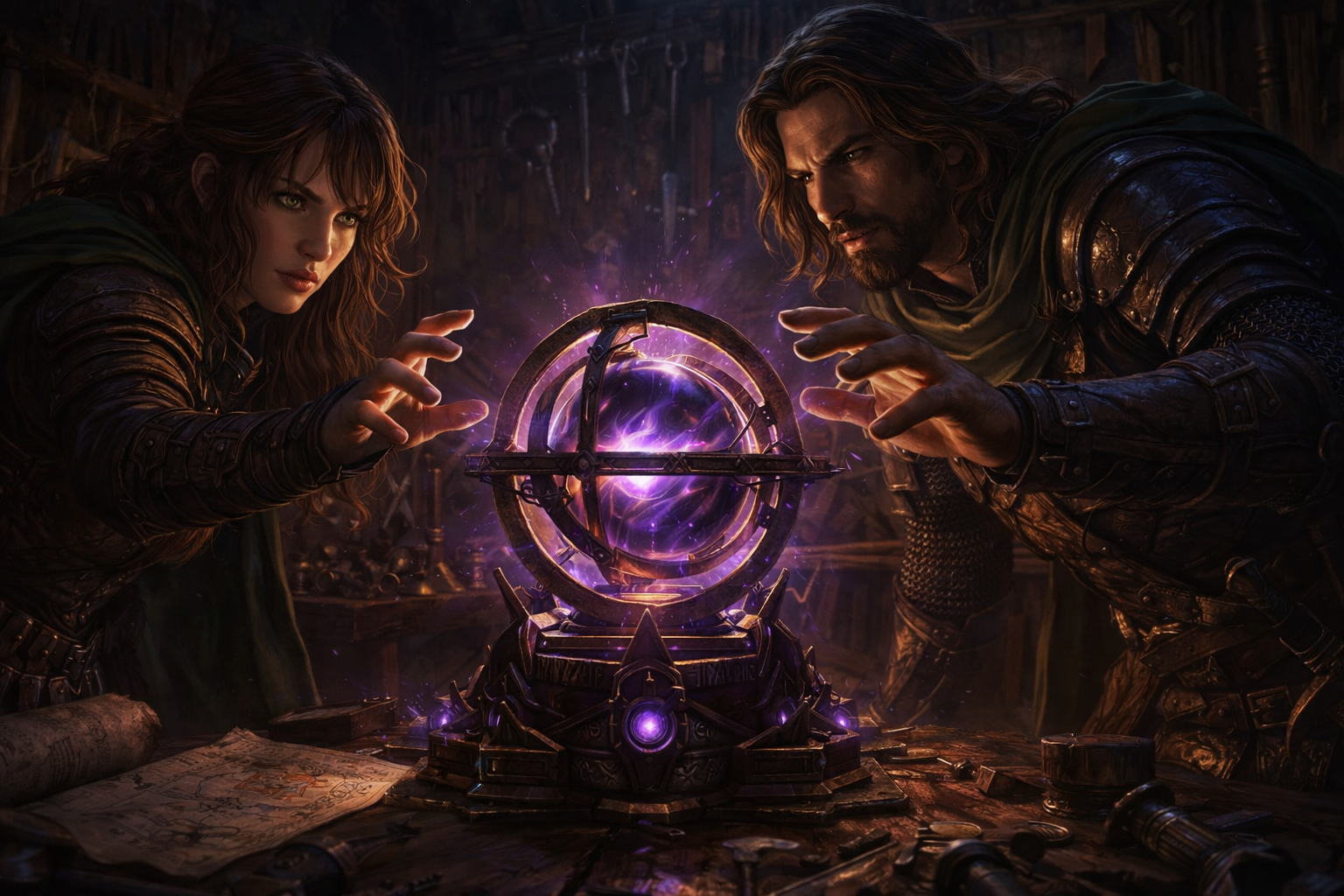
The Tavern Toolset
Lets get you started on your first adventure! Take these tools, laddie, these ones are on me!
What Happens If You Avoid This Moment
Avoiding cooperation can slowly weaken group cohesion. If players focus only on personal goals, the party begins to fragment. Communication becomes strained. Decisions take longer. Trust becomes fragile.
Over time, this fragmentation affects enjoyment. Players may feel disconnected from the group and less invested in shared outcomes. Without cooperation, victories feel less satisfying and failures feel more frustrating.
In extreme cases, unresolved tension can create environments that feel uncomfortable or even toxic. Recognizing these patterns early allows players to make healthier decisions. Sometimes that means improving communication. In other cases, it means finding a new group that better matches your values.
If you want to recognize early warning signs of unhealthy group dynamics, reading When Small Tensions Keep Getting Pushed to Later provides valuable insight into how unresolved issues grow over time.
What Experienced Players Know That Beginners Don’t
Experienced players understand that party strength comes from unity rather than individual performance. They recognize that small supportive actions often determine whether the group succeeds or fails.
They also understand that trust grows gradually. It begins with simple cooperation and develops through repeated positive interactions. Over time, players begin to anticipate each other’s needs and adapt naturally to changing situations.
Another important realization among seasoned players is that strong parties create memorable stories. Moments of cooperation often feel more meaningful than moments of individual triumph. These shared victories become the foundation of long-lasting friendships and memorable campaigns.
If you are interested in understanding how experienced players balance individual expression with group harmony, reading The Quiet Player vs the Table Hog: How to Keep Both Happy Without Losing Your Mind provides deeper perspective on how cooperation shapes successful groups.
Your First-Time Player Check-In
Take a moment to reflect on how you approach group dynamics.
Have you focused more on standing out than fitting in?
Have you hesitated to support others because you wanted to prove your own value?
Have you noticed moments where teamwork created stronger outcomes than individual effort?
Now consider how you might adjust your approach.
Are you willing to listen more closely to your fellow players?
Are you willing to prioritize group success over personal spotlight?
Are you willing to support others, even when the benefit to you is not immediate?
These reflections help shift attention from competition to collaboration.
What To Remember Before Your Next Session
Being part of a party means more than sharing the same adventure. It means sharing responsibility, trust, and support. The strongest parties are not defined by the loudest characters or the highest damage numbers. They are defined by players who care about each other’s success and work together toward common goals.
When you approach the game with patience, generosity, and willingness to cooperate, you help create an environment where everyone can thrive. That environment becomes the foundation for memorable stories, meaningful friendships, and adventures that remain vivid long after the campaign ends.
