Top 7 Ways to Start Session One Without Freezing Up Behind the Screen

Every new Dungeon Master remembers the fear.
The silence before the first sentence.
The moment everybody looks at ye waiting for the adventure to begin.
The panic.
The sweating.
The sudden feeling that maybe becoming a GM was a terrible mistake after all.
That feeling is normal.
Even veteran Game Masters still feel a little spark of nervousness before Session One begins.
The difference is that experienced GMs learn something important:
Players do not need perfection.
They need confidence, momentum, and emotional direction.
Session One is not about proving ye’re a master storyteller.
It’s about convincing the table that the adventure is alive.
1. Start With Movement, Not Lore
Many new GMs begin Session One by explaining:
world history
kingdoms
ancient wars
political systems
pantheons
trade routes
Meanwhile the players slowly drift into mental death.
Veteran GMs usually start with movement instead.
Something is happening immediately.
A caravan crashes.
A tavern erupts into chaos.
A messenger bursts through the door bleeding.
A bell starts ringing somewhere outside.
Motion creates focus.
Players relax once they have something concrete to react to.
The lore can come later.
Adventure first.
Explanation second.
2. Give Every Player One Easy Win Early
Nothing settles nerves faster than small success.
Especially for new players.
Session One should make players feel:
useful
noticed
competent
welcomed into the world
This does not require huge victories.
A rogue successfully sneaks somewhere.
A bard charms an NPC.
A barbarian intimidates a thug.
A cleric notices something others missed.
Small victories build emotional investment.
And emotionally invested players forgive nervous GMs far more easily.
3. Stop Trying to Sound Like a Voice Actor
This one destroys countless first-time GMs.
They believe every NPC must sound theatrical.
So they panic.
Then every conversation becomes stressful.
Truth is, most veteran GMs barely change their voice at all.
Players care more about clarity, confidence, and personality than perfect accents.
A memorable NPC is usually memorable because:
they want something
they behave consistently
they react emotionally
they create tension
Not because the GM sounded like a professional actor.
Relax.
Half the table probably cannot do voices either.
4. Build One “Safe” NPC Early
A trusted NPC stabilizes Session One enormously.
Especially for nervous groups.
This NPC acts like social glue.
They:
answer basic questions
guide pacing
redirect confusion
help shy players engage
reconnect lost momentum
Veteran GMs use this trick constantly.
A friendly bartender.
A mercenary captain.
A nervous scholar.
A tired innkeeper.
The NPC does not need to be flashy.
They simply need to help the players feel anchored inside the world.
5. Keep Session One Smaller Than Ye Think
Many new GMs accidentally try to launch:
world-ending plots
giant political conspiracies
twenty named NPCs
massive cities
complicated faction systems
Then their brain explodes halfway through the night.
Veteran GMs usually start much smaller.
One village.
One dungeon.
One crisis.
One emotional hook.
Smaller beginnings create stronger foundations.
Players remember emotional clarity more than giant complexity.
6. Control the Energy of the Room
This matters far more than new GMs realize.
A chaotic environment makes nervous GMs freeze harder.
Too much noise destroys concentration.
Bad seating slowly drains morale.
Crowded public spaces make shy roleplayers disappear entirely.
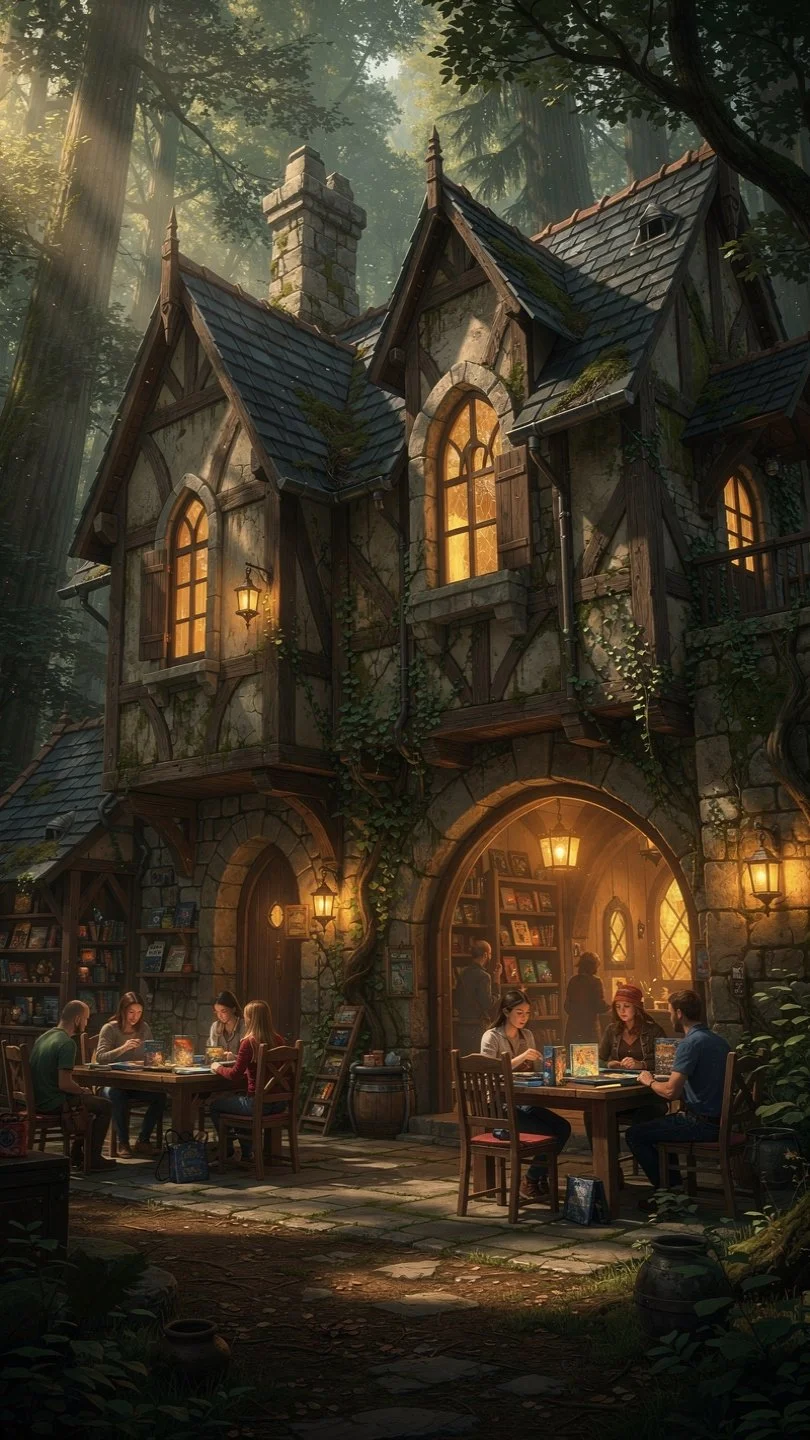
That’s one reason experienced groups often care deeply about where they play.
Articles like Quiet Tavern or Loud Game Hall? and Casual Community Hubs vs Competitive Play Venues exist because environment affects Session One enormously.
Comfortable rooms create calmer GMs.
Calmer GMs create calmer players.
That emotional chain matters more than fancy terrain ever will.
7. Remember That Players Want Ye to Succeed
This is the biggest thing nervous GMs forget.
The table is not waiting for ye to fail.
Most players desperately want the campaign to work.
They want adventure.
They want laughs.
They want memorable moments.
They are rooting for ye far more than ye realize.
Even experienced players understand how frightening Session One can feel.
That’s why healthy communities matter so much in tabletop gaming.
Good gaming spaces create patience.
Strong communities create encouragement.
Supportive venues create safer first experiences for new GMs.
Places like ME Café & Games Singapore, Meeples Games Seattle, and Good Game Banbury tend to leave lasting impressions because they help nervous players and GMs settle into the hobby instead of feeling judged by it.
Session One Ain’t About Perfection
It’s about momentum.
Players forgive awkward pauses.
Players forgive nervousness.
Players forgive mistakes.
What they remember is how the adventure made them feel.
Did the world feel alive?
Did the table feel welcoming?
Did the group feel excited to come back next week?
That is the real goal of Session One.
Not perfection.
Just enough spark to convince everybody that the story is worth continuing.
And truth be told, most legendary campaigns begin with a GM who was secretly terrified behind the screen.
More Tavern Goodness For Ya!