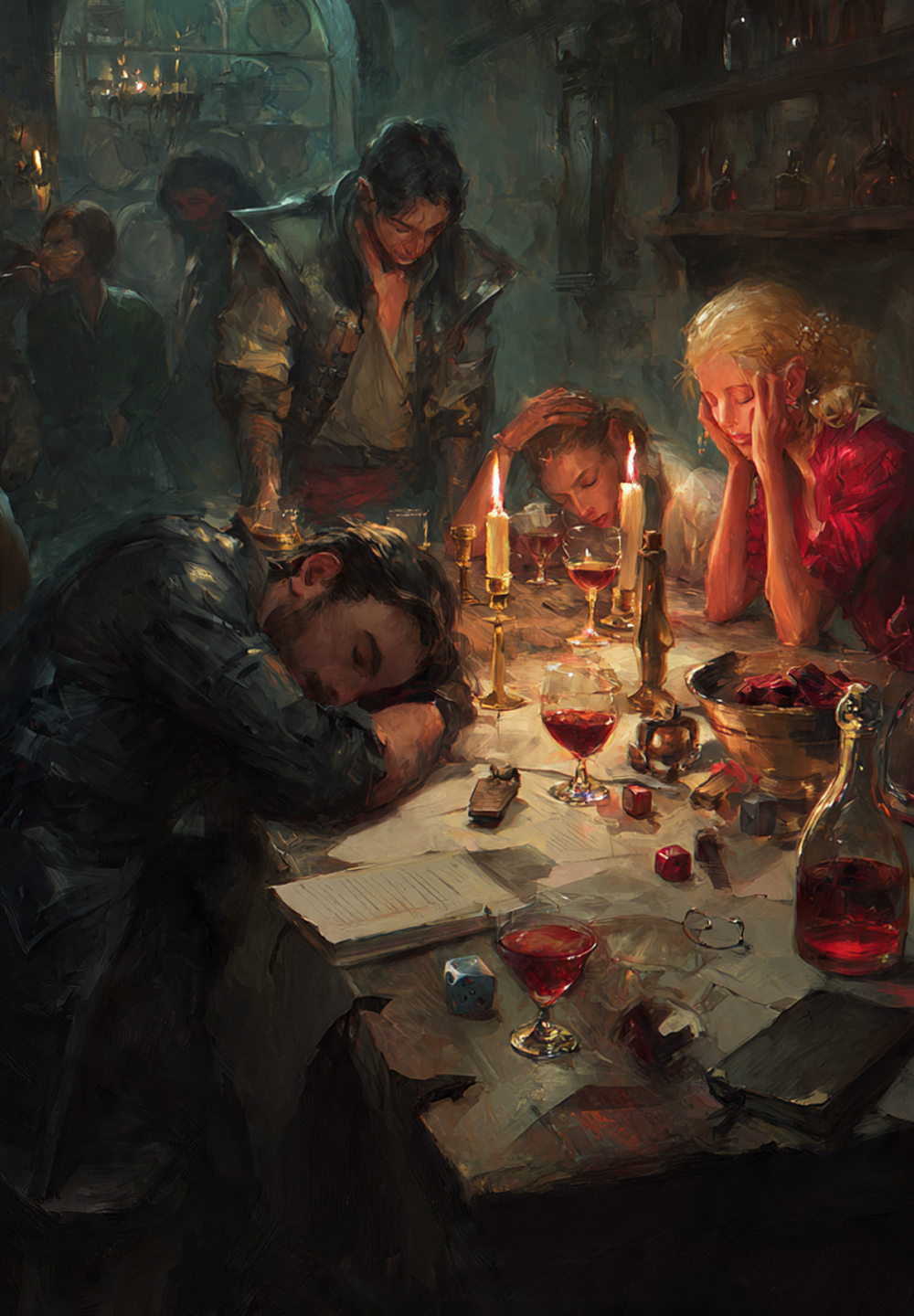
Straightforward Builds vs. Complex, Combo-Heavy Characters — Which Ones Break Your Session Flow?
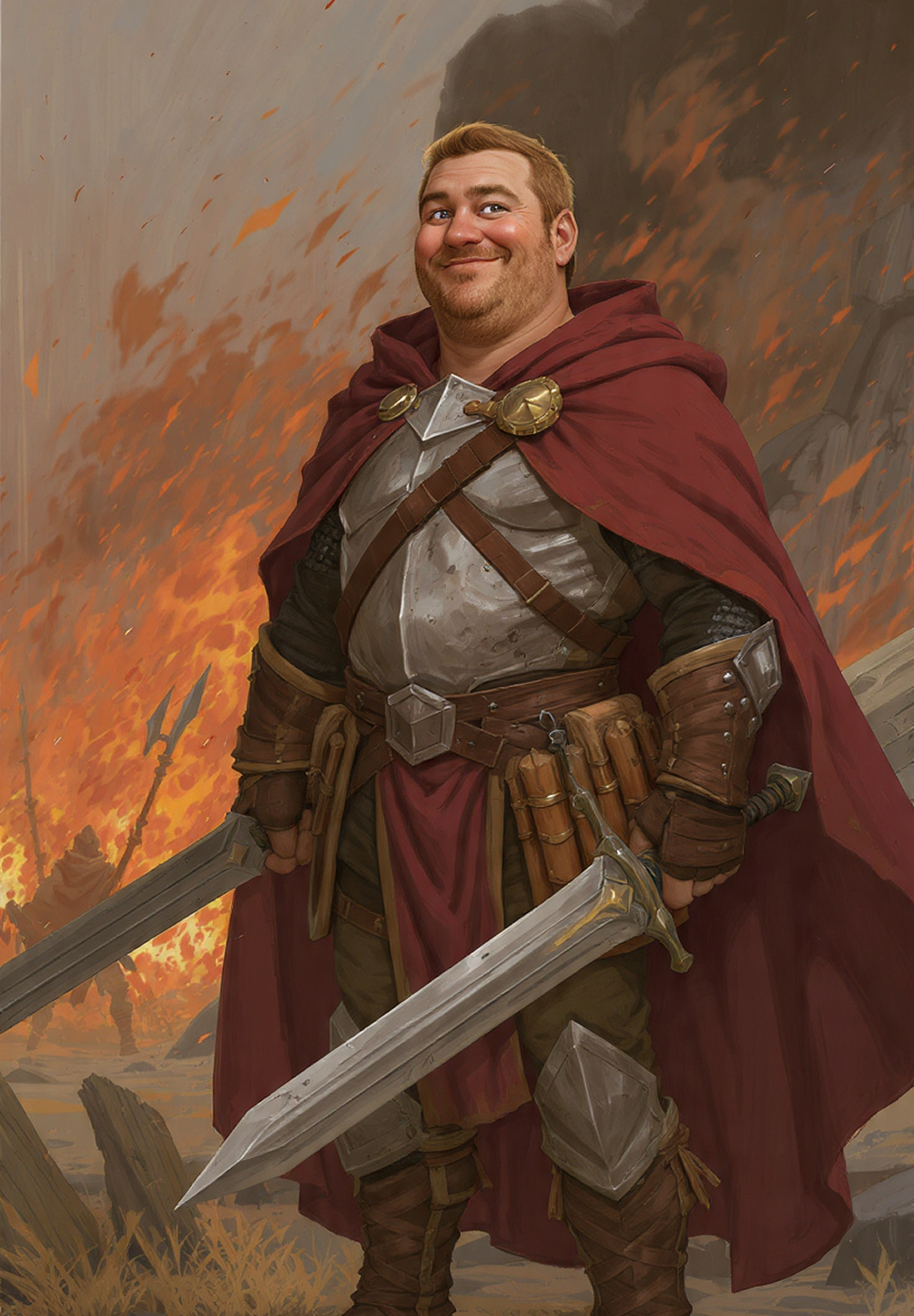

Mike’s Personal Thoughts
By Koldron’s flaming apron, I’ve run enough tables to know one truth:
the character sheet is often louder than the player.
Some players build straightforward characters—swing sword, cast bolt, heal friend, done. Others show up with a twelve-step combo chain, three conditional triggers, and a move that only works if the moon’s in the right phase and the goblin is facing east.
Neither is wrong.
Both can break your session flow if ya don’t keep a steady hand.
I had a barbarian once who said his entire turn with a single sentence:
“I hit the troll.”
Boom. Fast. Clean. Refreshing.
And then there was a wizard named Elwick who, I swear on Bahlin’s bent fork, took five minutes to explain a single spell rotation. The troll died of boredom before Elwick finished his first sentence.
If this sounds like your table, lad, breathe easy. You’re not alone. Take a stroll through the GM Wisdom hall—scrolls like this guidance on when your table pulls in different directions or this warning about fights turning into board meetings will remind you this chaos is common.
“Simple builds keep the fire hot. Complex builds slow the stew. Know when you’re cookin’ which.”
👉 Grab more balancing tricks from the GM Wisdom hall so your game flows smoother than dwarven ale.
The Core Difference
How to Keep Straightforward Builds Engaged
These players love efficiency.
But they can drift when scenes get too talky or too puzzle-heavy.
What boosts them:
Clear stakes
Punchy outcomes
Descriptions that reward simple actions
Occasional spotlight moments (“Yer axe lands first—describe the hit!”)
Show them examples of sharp, emotional moments like in the tale of the Knight Who Bled for Peace. Simple actions can carry heavy weight.
How to Keep Combo-Heavy Builds Under Control
These players are brilliant—but dangerous.
Their turns can take longer than a dwarven wedding speech.
What controls the chaos:
Turn timers (soft, not strict)
Asking them to summarize their action first
Encouraging preplanning before their turn
Clarifying triggers before combat starts
A well-managed combo build can feel cinematic.
A poorly-managed one feels like a tax audit with dice.
If fights feel slow, the scroll on combat turning into a board meeting is essential reading.
The Real Secret: Mix Both Build Types
Never load a table entirely with simple builds—things feel static.
Never load it entirely with complex builds—you’ll grow a beard waitin’ for turns.
A good table has:
1–2 combo players for spice
2–3 straightforward players for pacing
Just like a stew—too much pepper ruins it, too little makes it bland.
If your table’s build mix starts tearing itself apart, look at this scroll for fractured tables. It’ll put your head straight.
“By me beard—simple characters keep the wheels turnin’, complicated ones keep the sparks flyin’.”
👉 When you want stronger GM instincts, come read the story behind the Tavern atAbout Mike’s Tavernor send a message through thecontact board.
⚠️ Control the pacing, lad, or the pacing will control you.
FAQ
Q: Should I ban combo-heavy characters for new players?
A: Aye—usually. Let new players build confidence before juggling flaming daggers.
Q: How do I stop a combo player from taking forever?
A: Ask them to declare their plan in one sentence first. It cuts rambling by half.
Q: Should I force simple players to build more complex characters?
A: Never. Let ’em grow at their own pace—or they’ll resent the game.
More Tavern Goodness For Ya!