D&D 5e Character Build Checklist
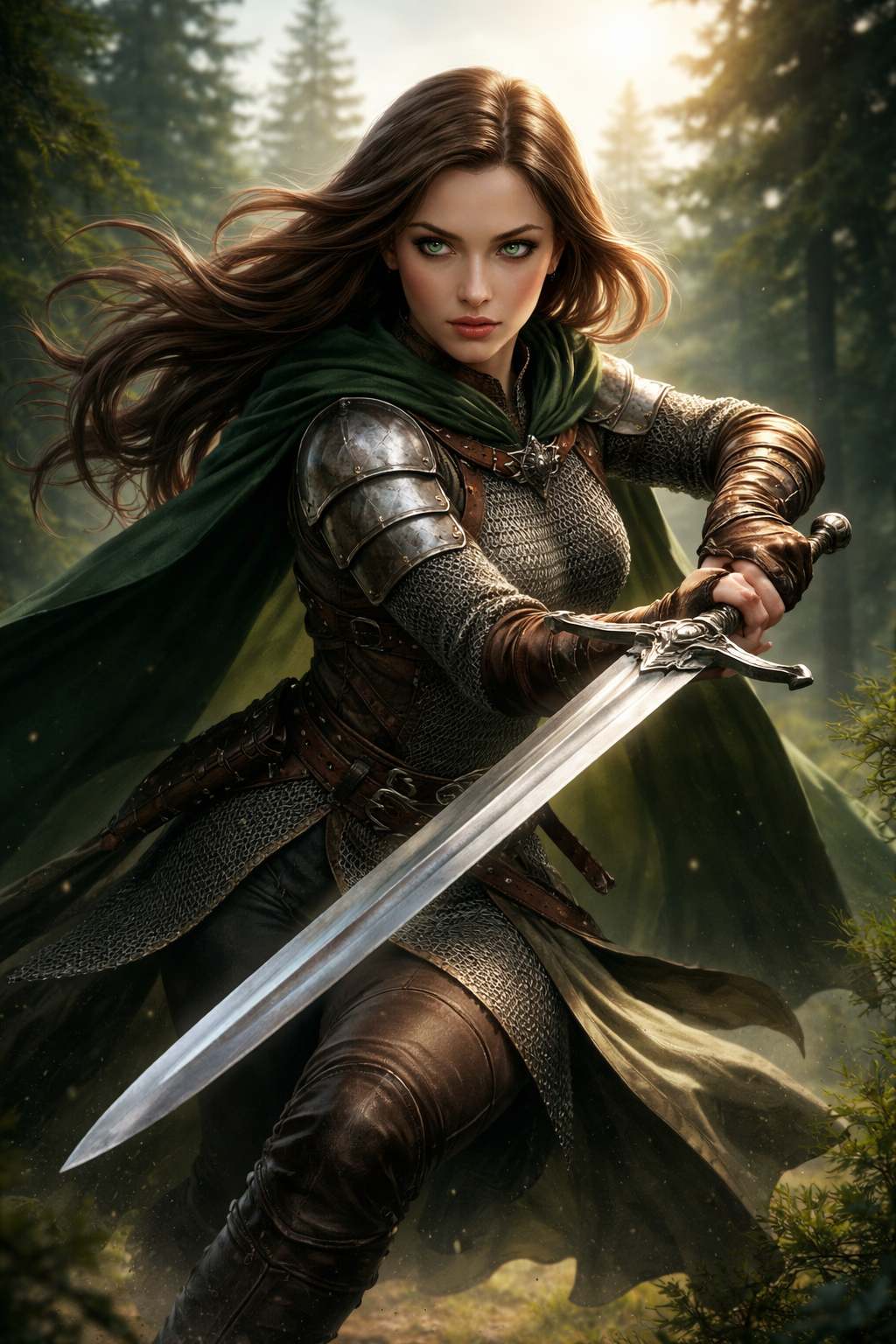
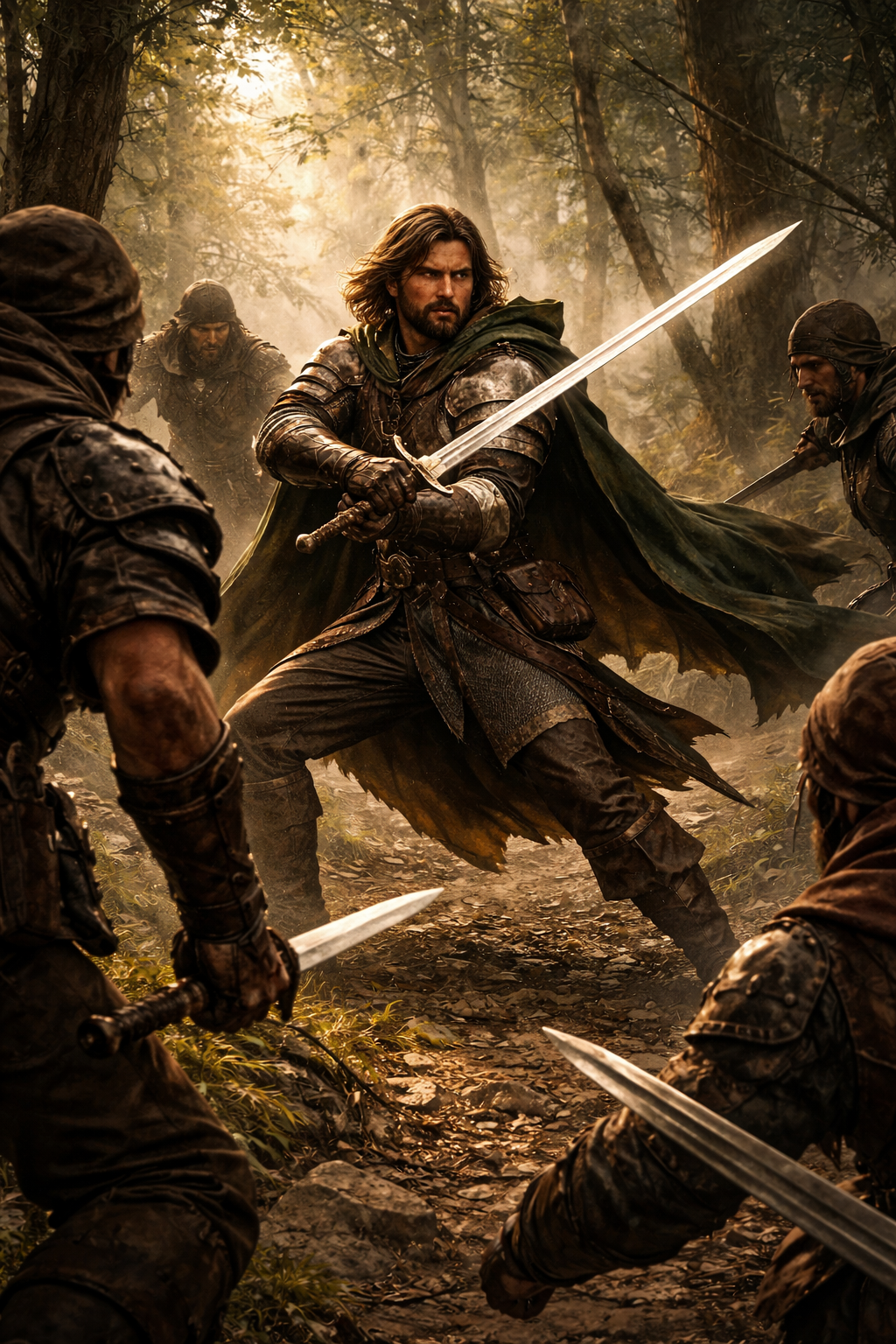
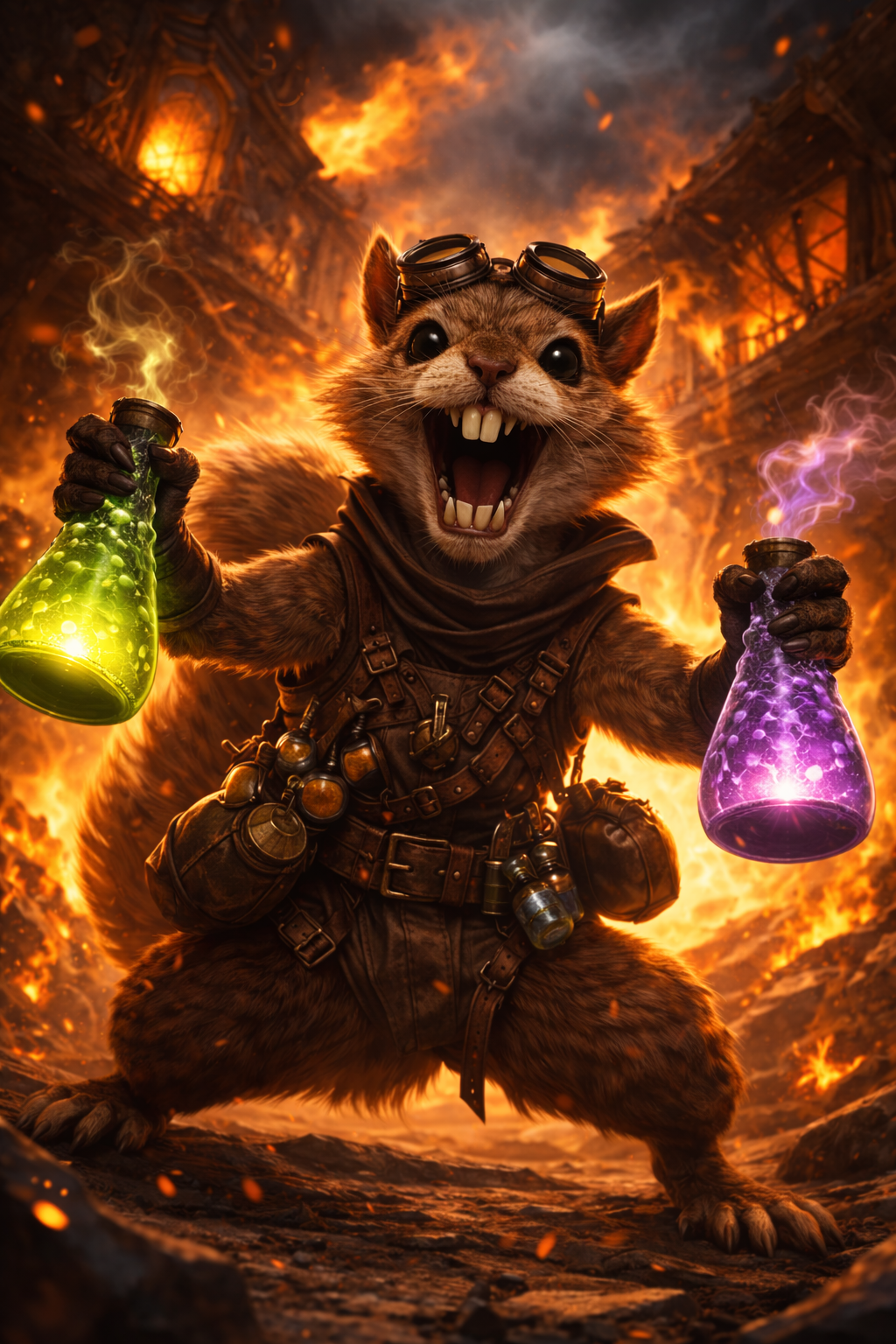
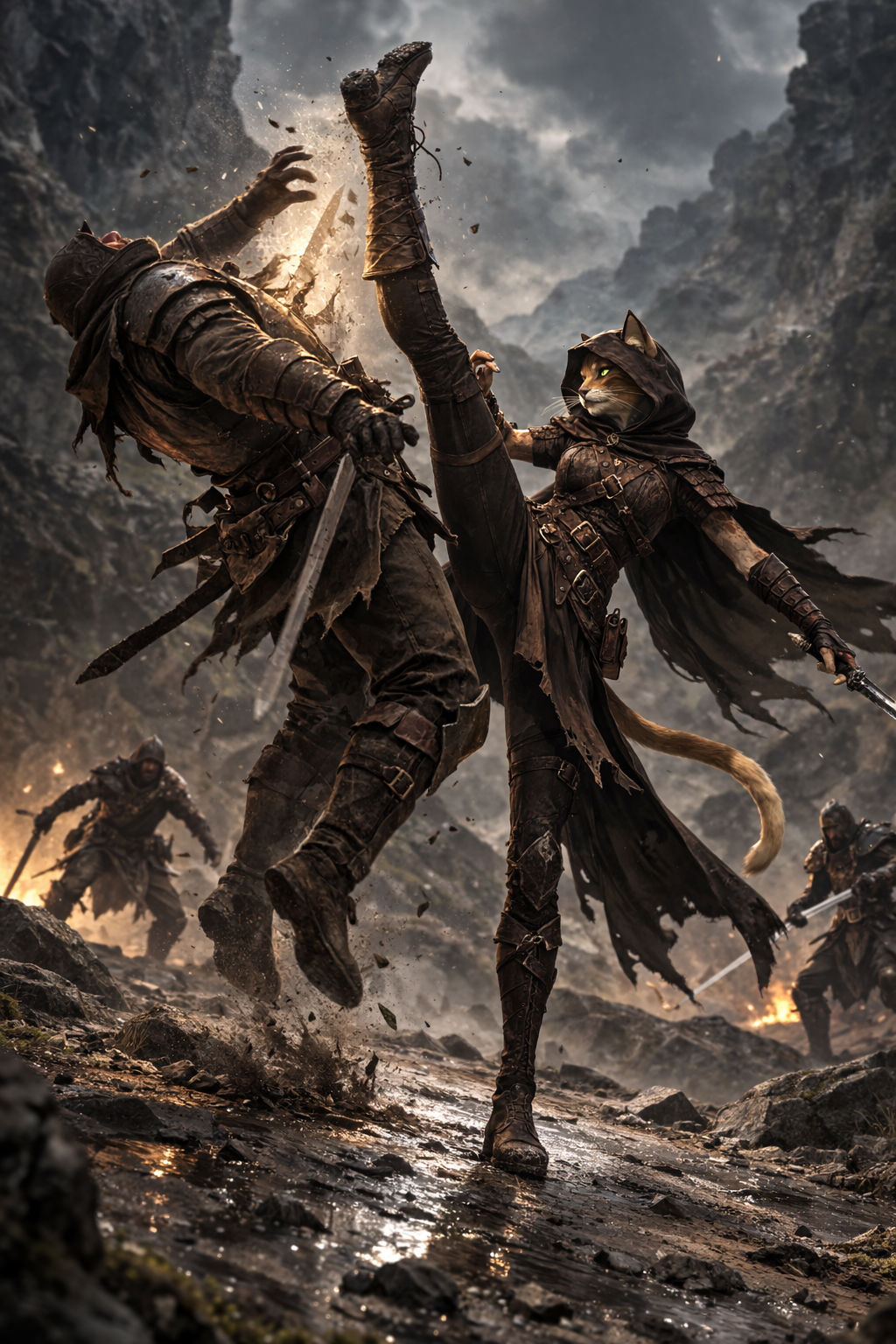
Building a D&D character is exciting.
It's also surprisingly easy to forget something.
Maybe you forgot to choose your background.
Maybe you never bought a spellcasting focus.
Maybe your character has no reason to travel with the party.
Or perhaps you've built a brilliant character who doesn't fit the campaign at all.
That's why experienced players often work through a simple checklist before Session 1.
Use this guide to make sure your character is ready for adventure.
Step 1 — Understand the Campaign
Before building anything, ask your Dungeon Master:
✅ What level are we starting at?
✅ What books are allowed?
✅ Are feats allowed?
✅ Is multiclassing allowed?
✅ Are there any banned classes, species, subclasses, or spells?
✅ Are homebrew options allowed?
✅ Is this a serious campaign, a light-hearted campaign, or somewhere in between?
A good character fits the campaign.
Step 2 — Know Your Party
D&D is a team game.
Before finalising your character, ask:
✅ What classes is everyone else playing?
✅ Does the party already have healing?
✅ Does the party already have someone good at stealth?
✅ Does someone enjoy being the party's spokesperson?
✅ Are there any important skills the party is missing?
Remember:
You are building for the party, not against it.
Step 3 — Build the Character, Not Just the Numbers
Before touching your ability scores, answer:
✅ Who is this character?
✅ What do they want?
✅ Why did they become an adventurer?
✅ What are they good at?
✅ What are they afraid of?
✅ Why would they stay with this party?
If you can't answer these questions, the character probably isn't finished yet.
Step 4 — Choose Your Class
Now decide:
✅ Does this class sound fun?
✅ Do I understand how this class works?
✅ Is it suitable for a beginner?
✅ Will I still enjoy this character twenty sessions from now?
Don't choose a class because someone online called it S-Tier.
Choose it because you'll enjoy playing it.
Step 5 — Assign Ability Scores
Before continuing, check:
✅ Is my primary ability high enough?
✅ Have I avoided unnecessary weaknesses?
✅ Does my character still feel believable?
✅ Have I accidentally created a character who can only solve one type of problem?
Strong characters usually have clear strengths without becoming completely helpless elsewhere.
Step 6 — Choose Skills Carefully
Ask yourself:
✅ Which skills fit my character?
✅ Which skills fit the campaign?
✅ Which skills help the party?
A skill isn't valuable because it's popular.
It's valuable because you'll actually use it.
Step 7 — Pick Equipment
Before Session 1, make sure you know:
✅ Your main weapon.
✅ Your armour.
✅ Your shield (if applicable).
✅ Your spellcasting focus (if needed).
✅ Your basic adventuring gear.
You don't need to memorise every item.
You just need to know what you're carrying.
Step 8 — If You're a Spellcaster...
Double-check:
✅ Do I understand my spells?
✅ Which spells require concentration?
✅ Which spells require attack rolls?
✅ Which spells require saving throws?
✅ How many spell slots do I have?
✅ Have I actually read what my spells do?
Reading your spells before Session 1 will make the game much smoother for everyone.
Step 9 — Check Your Character Sheet
Before you leave home, make sure you've filled in:
✅ Ability scores.
✅ Saving throws.
✅ Skill proficiencies.
✅ Armour Class.
✅ Initiative.
✅ Hit Points.
✅ Speed.
✅ Passive Perception.
✅ Equipment.
✅ Languages.
✅ Features.
✅ Traits.
You'd be surprised how often experienced players forget one of these.
Step 10 — Talk to Your Dungeon Master
This step is often skipped.
It shouldn't be.
Ask:
✅ Does my character fit your campaign?
✅ Does anything need changing?
✅ Is my backstory too long?
✅ Are there any house rules I should know about?
Five minutes of conversation now can save hours of confusion later.
Step 11 — Talk to Your Party
Before Session 1 begins:
✅ Does everyone have a reason to work together?
✅ Do our personalities clash in a fun way rather than a destructive one?
✅ Does every character have a reason to stay with the group?
Characters don't have to be best friends.
But they should have a reason not to walk away after the first adventure.
Step 12 — Check Your Expectations
Finally, ask yourself:
✅ Am I trying to build the strongest character...
...or the most enjoyable one?
Those aren't always the same thing.
The best characters usually leave room to grow.
Final Thoughts
Building a great D&D character isn't about ticking every box perfectly.
It's about making sure you've thought about the things that matter.
A character who fits the campaign, works well with the party, understands their own abilities, and leaves room to grow will almost always be more enjoyable than one built purely around numbers.
So before Session 1 begins, take five minutes to work through this checklist.
Future you—and probably your Dungeon Master—will be glad you did.
Continue Yer Adventure
Once your character is ready, these Mike's Tavern guides can help you become a stronger player:
Playing Your First RPG: Why Everyone Seems More Experienced Than You
Playing Your First RPG: What It Feels Like When You Don't Know What to Do
Learn more About Mike's Tavern, visit the FAQ, or Contact the Tavern if you've got a question.
More Tavern Goodness For Ya!