Best D&D 5e Character Builds for Beginners
Your first D&D character doesn't need to be powerful.
It doesn't need to deal the highest damage.
It doesn't need to break the game.
It needs to help you learn.
That's the mistake many new players make.
They spend hours watching videos about "the strongest build" before they've even played their first session.
The result?
A character that's incredibly powerful in one situation... and completely helpless everywhere else.
For your first campaign, don't build the strongest character.
Build the easiest character to learn.
What Does "Min-Maxing" Mean?
You'll hear experienced players talk about min-maxing.
Min-maxing means making your character exceptionally good at one thing while intentionally making them very weak at others.
For example, a player might push Strength as high as possible while leaving Intelligence or Charisma extremely low because "the barbarian doesn't need those."
Sometimes that works.
Sometimes it's incredibly effective.
But for a beginner, it can create problems.
If your character has huge weaknesses, you'll often find yourself in situations where there's very little you can contribute.
Experienced players usually know how to roleplay around those moments.
New players are still learning.
And that's perfectly normal.
Your First Character Should Be Flexible
Your first character doesn't need to be amazing at everything.
But it should usually be able to participate in almost everything.
Think of it this way.
You're not just learning your character.
You're learning D&D itself.
Combat.
Exploration.
Roleplay.
Teamwork.
Problem-solving.
The more situations your character can comfortably participate in, the faster you'll learn.
Keep Your Main Strength Strong...
If you're playing a barbarian, it's perfectly reasonable for Strength to be your best ability.
If you're playing a wizard, Intelligence should probably be your highest score.
Your character should still be good at the thing they're built to do.
That's part of the fun.
...But Avoid Huge Weaknesses
Where beginners often get into trouble is creating enormous blind spots.
If one ability is so low that it constantly prevents you from joining conversations, solving problems, or reacting to unexpected situations, the game can feel frustrating.
Instead, try to build someone who has:
One clear strength.
A couple of supporting strengths.
No crippling weaknesses unless you're intentionally choosing them for roleplaying reasons.
That gives you more chances to participate while you're still learning.
Later, once you've played a few campaigns, you'll have a much better idea of which weaknesses you're happy to embrace.
Why Martial Characters Are Easier
There's a reason many experienced Dungeon Masters recommend martial characters for first-time players.
Not because spellcasters aren't fun.
Because spellcasters ask you to manage far more information.
A wizard might need to think about:
Which spells to prepare.
Which spell slot to use.
Concentration.
Spell ranges.
Components.
Saving throws.
Area effects.
Upcasting.
Friendly fire.
That's a lot for someone who's still learning what an initiative roll is.
A fighter, barbarian, or similar martial character usually has a much simpler turn.
Move.
Attack.
Roll to hit.
Roll damage.
Done.
That simplicity gives you room to learn everything else that's happening around the table.
Simple Doesn't Mean Boring
Some new players worry that martial characters are less interesting.
They're not.
Interesting characters come from decisions.
Not spell lists.
Some of the most memorable heroes in tabletop RPGs barely cast a single spell.
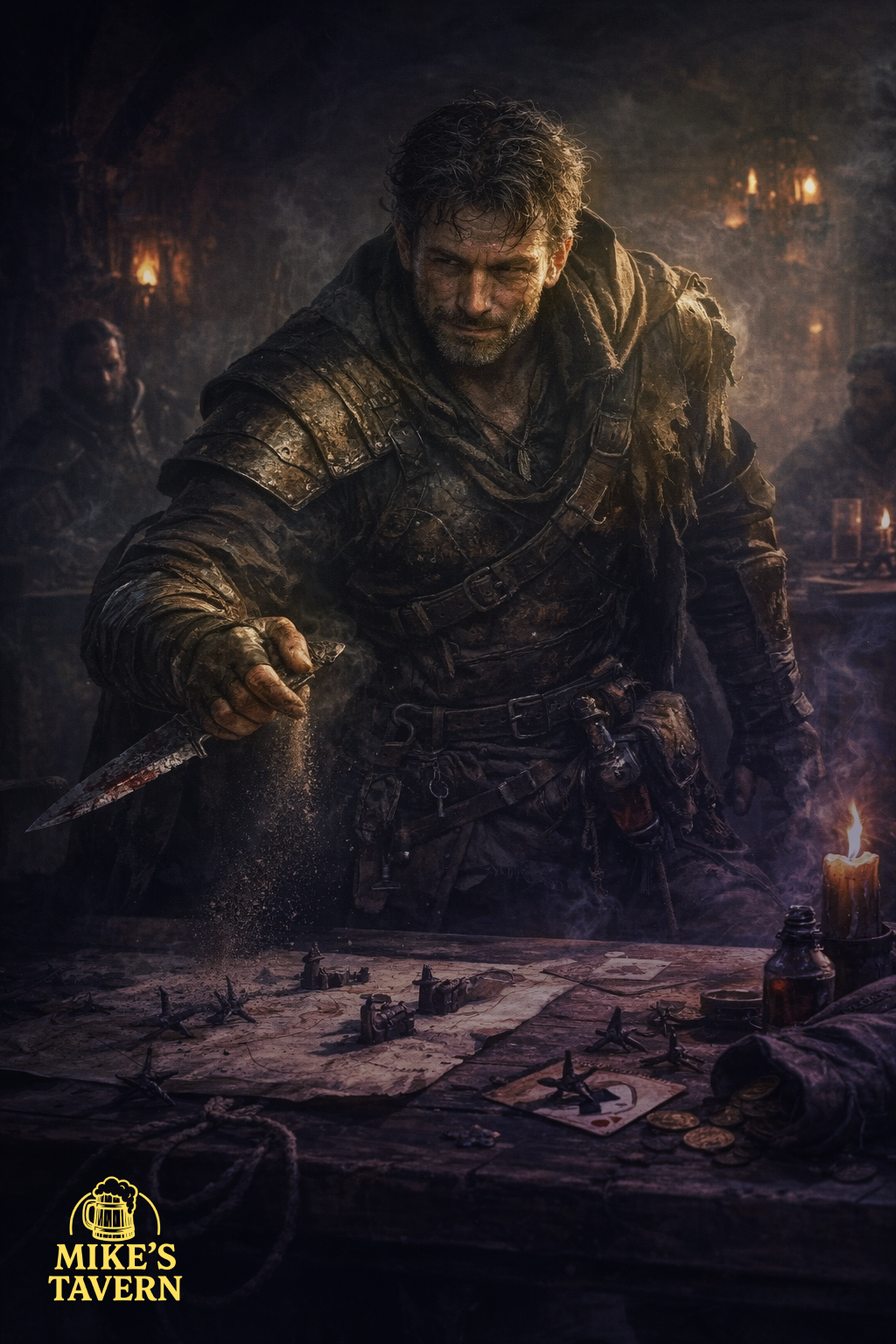
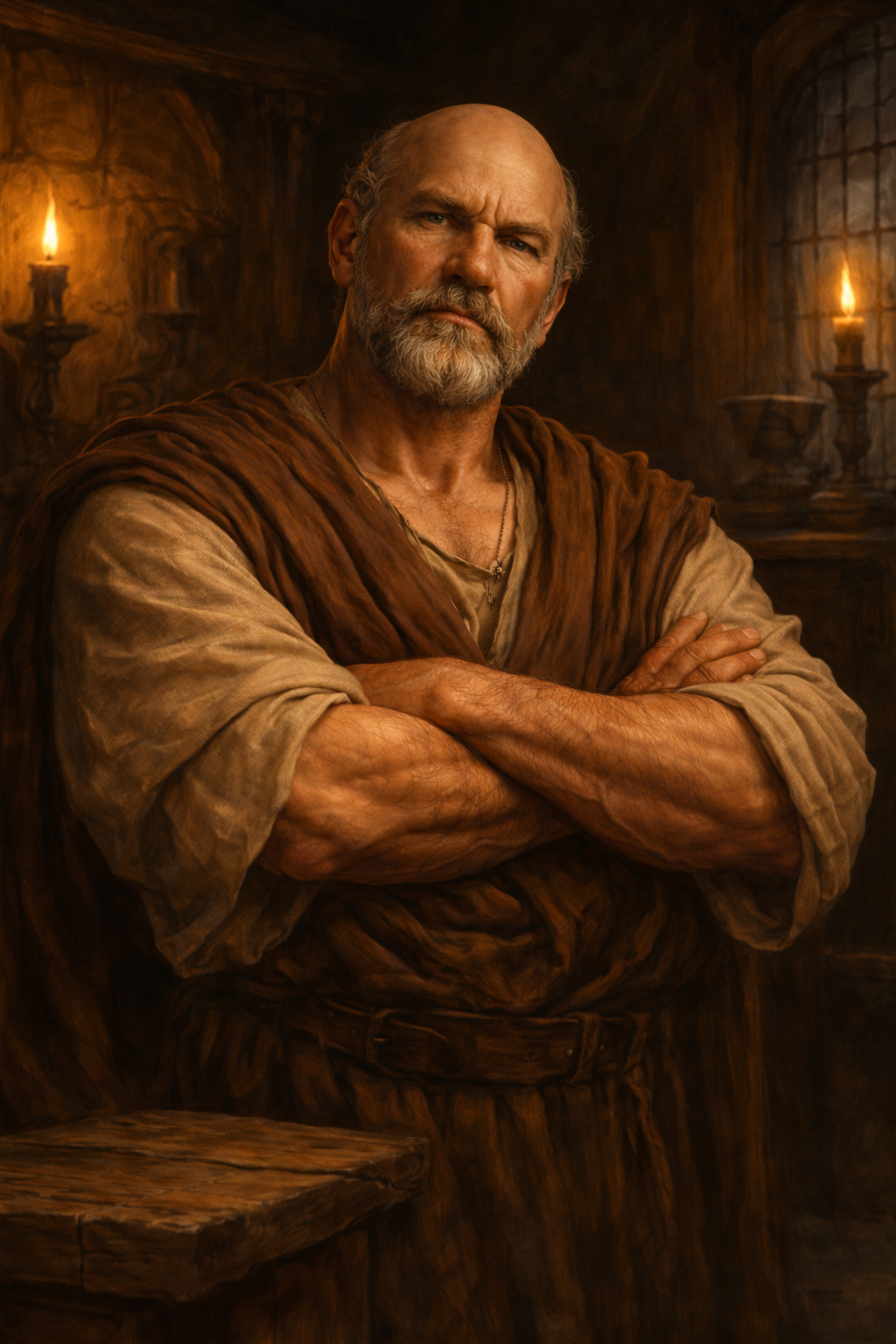
A brave fighter protecting the party.
A barbarian learning to trust strangers.
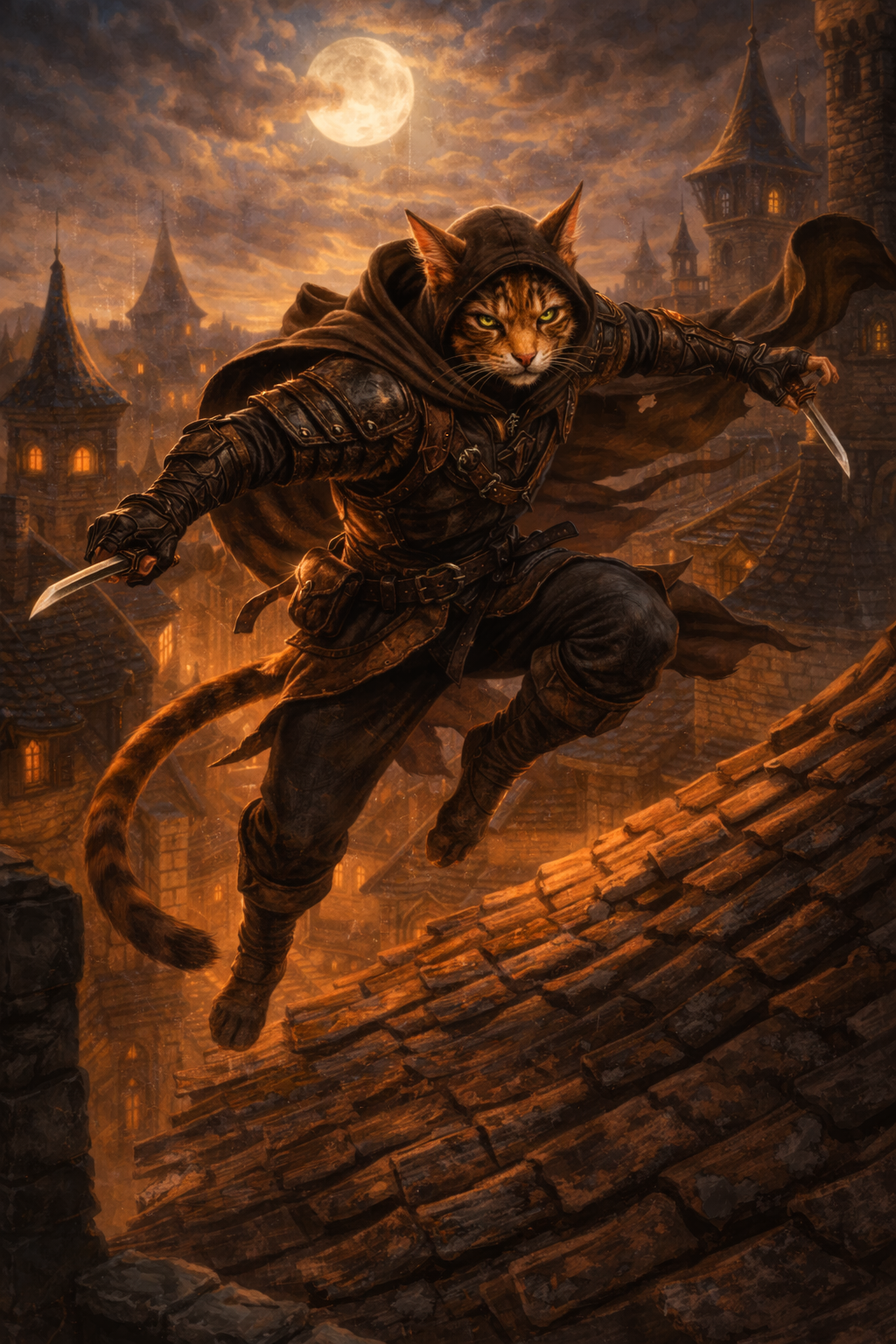
A rogue discovering loyalty.
Those stories don't require complicated mechanics.
They require good roleplaying.
Learn One Thing at a Time
Every campaign teaches different skills.
Your first campaign might teach you:
How combat works.
How initiative works.
How ability checks work.
How teamwork works.
How to speak in character.
How to solve problems creatively.
Trying to master every rule at once usually makes the game feel harder than it really is.
Instead, build a character that lets you focus on learning the game.
The fancy builds can come later.
Don't Be Afraid to Grow
Your first character doesn't have to be your forever character.
After one campaign, you'll know far more than you do today.
You'll understand what parts of D&D excite you most.
Maybe you'll fall in love with spellcasting.
Maybe you'll enjoy tactical combat.
Maybe you'll discover that roleplaying is your favourite part of the game.
That's when you can start experimenting with more specialised builds.
There's no rush.
Building your RPG instincts takes time.
Just like learning any other hobby.
Baby steps today often become great stories tomorrow.
Final Thoughts
The best beginner build isn't the one with the highest damage or the cleverest combination of feats and subclasses.
It's the one that lets you enjoy the game while you're learning it.
Choose a character with a clear identity.
Keep your greatest strength strong.
Avoid unnecessary weaknesses while you're still finding your feet.
Learn the fundamentals first.
Once you've built those RPG muscles, you'll have the confidence to try more specialised, more complex, and even heavily optimised characters.
There's plenty of time for that.
Right now, your only job is to have fun and learn the game.
Continue Yer Adventure
These Mike's Tavern guides pair well with your first character:
Playing Your First RPG: Why Everyone Seems More Experienced Than You
Playing Your First RPG: What It Feels Like When You Don't Know What to Do
How to Enjoy D&D Without Being the Loudest Person in the Room
Learn more About Mike's Tavern, visit the FAQ, or Contact the Tavern if you've got a question.
More Character Builds & Tips For Ya!