
Why Chasing DPR Is the Fastest Way to Burn Out
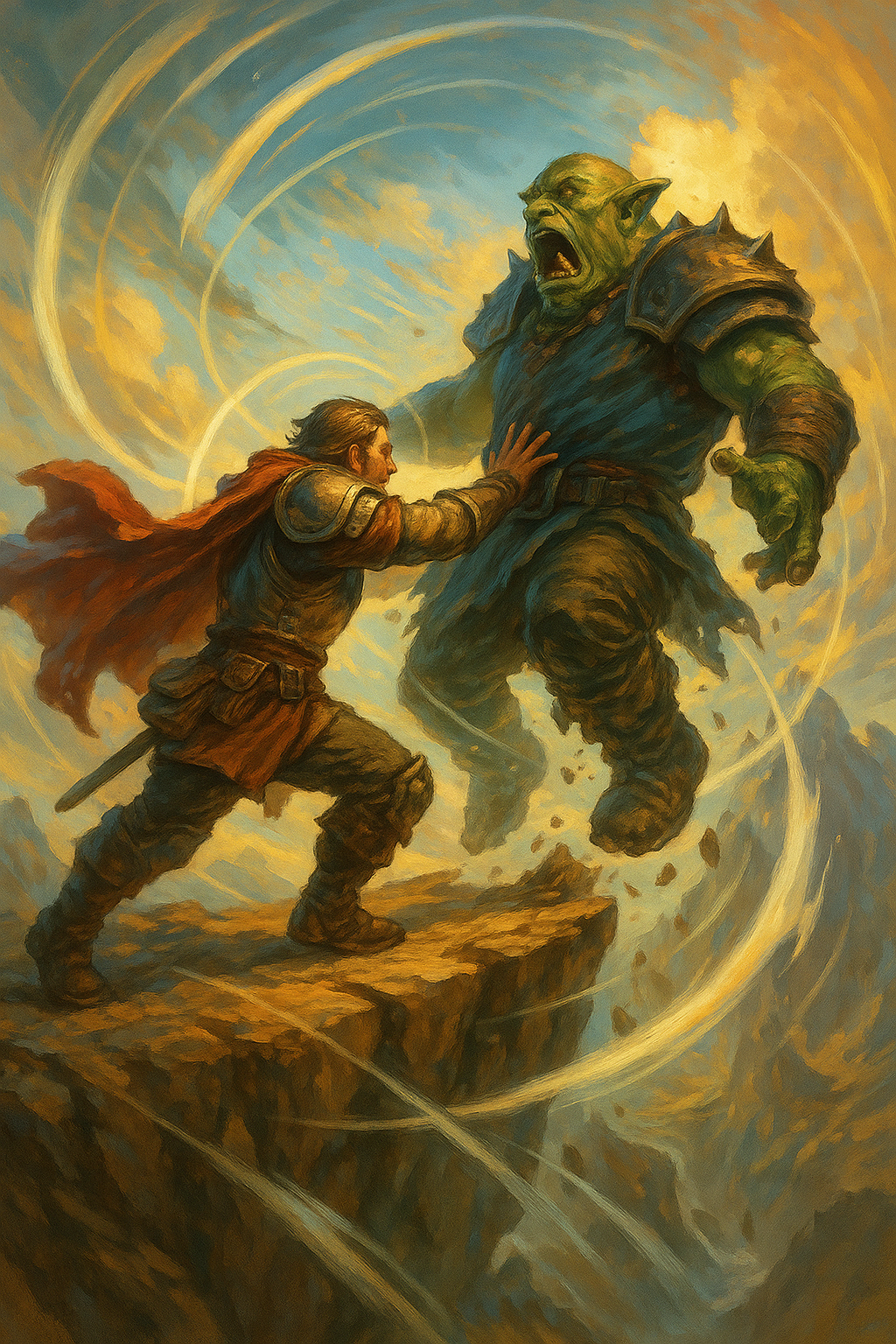
DPR gets whispered like a holy number at a lot of tables. Builds are ranked by it. Characters are judged by it. Entire party expectations quietly bend around it. And more campaigns burn out because of it than most folk realize.
This entry goes into Mike’s secret logbook because DPR obsession doesn’t just hurt characters. It drains players, stresses GMs, and slowly turns a game into a job.
What DPR Actually Is (And What It Isn’t)
DPR means Damage Per Round. It’s a math shortcut used to estimate how much damage a character can reliably deal in a single combat round.
On parchment, it’s tidy. You add average weapon damage, modifiers, bonus damage, extra attacks, and probabilities. You get a number. Bigger number, stronger character. Simple.
Except the table isn’t parchment.
DPR assumes:
You always get to attack
Enemies stand where you want them
Allies set you up perfectly
You’re never stunned, grappled, frightened, or blocked
The fight lasts long enough for averages to matter
Real play laughs at those assumptions.
Veteran players understand this early. New players often don’t, and it’s not their fault. DPR is seductive because it feels objective. Clean. Safe.
Why DPR Feels So Important at First
DPR gives certainty in a messy game. When you’re new, it feels like armor against embarrassment.
If your number is high, you must be useful. If the fight goes poorly, at least you “did your job.”
That mindset is understandable, but it quietly rewires how you play. Turns become performances. You stop reacting to the table and start protecting your output.
This is where tension creeps in, especially when every fight starts feeling like a spreadsheet review instead of an adventure. When every battle feels like a board meeting with dice exists because too many tables drift here without noticing.
DPR Optimization Trains You to Ignore the Table
Chasing DPR trains you to value personal turns over party flow.
You start caring more about whether you attacked twice than whether the wizard needed space. You measure success by damage totals instead of outcomes. You feel annoyed when control, terrain, or roleplay interrupts your rotation.
This is how high-output characters become exhausting to sit beside.
If you’ve ever wondered why parties fall apart even when no one is “bad,” why your party keeps falling apart and how to stop being the reason digs into this exact fracture.
Mike Explodes Mid-Ledger
“By Durven’s last tankard, if I had a copper for every lad who strutted in crowin’ about DPR, I’d own three taverns by now. Listen here, ya milk-drinker. Damage don’t mean a blasted thing if the healer’s panickin’, the rogue’s boxed in, and the wizard’s got nowhere ta stand. I’ve seen fighters swing like thunder and still lose the scrap because no one minded the line. Ya ain’t fightin’ alone, no matter how shiny yer numbers look.”
DPR Creates Invisible Pressure on GMs
When one or two players chase DPR hard, the GM feels it immediately.
Encounters get warped. Enemies get tougher not because the story demands it, but because someone melts everything too fast. Other players feel weaker by comparison, even if they’re playing well.
The GM starts balancing around a single build, and suddenly the whole table is tired.
This spiral shows up often right before burnout, when preparation starts feeling heavier than play. If that line sounds familiar, when you can’t tell if you’re burnt out or just tired of them puts words to that exhaustion.
DPR Doesn’t Measure What Actually Wins Fights
Here’s the quiet truth. Most fights aren’t won by raw damage.
They’re won by:
Positioning
Target priority
Timing
Denying enemy actions
Protecting weaker allies
A character who deals less damage but ends fights early through smart choices often contributes more than a DPR monster locked into a routine.
If you want proof, look at how to end a fight early without stealing anyone’s spotlight. Efficiency beats raw output every time.
The Tavern Ledger Checkpoint
This is where veterans recalibrate.
They don’t ignore DPR entirely. They just stop worshipping it. They build characters who function under stress, not just in simulations.
If you want to sharpen without burning out, learn how to squeeze value without obsession. How to get more damage from the same weapon without changing your build is about awareness, not greed.
If you’re new around here, it helps to understand the tavern’s philosophy. Start with about Mike’s Tavern or skim the FAQ before you chase numbers you don’t need.
What Veterans Replace DPR With
Veterans track different things.
Who’s having fun.
Who needs space.
When to push.
When to pull back.
They care about whether the table feels alive, not whether the damage chart peaks.
That’s why they last longer. That’s why their campaigns feel lighter, even when the stakes are high.
Mike Grumbles the Final Word
“Look here, lad. DPR’s a tool, not a crown. Swing it when it helps, drop it when it don’t. If yer chasin’ numbers so hard ya forget the folk beside ya, ye’ll burn out faster than a wet torch in a storm. By Grabgar’s hammer, mind the party, and the damage’ll take care of itself.”
If this entry hit a nerve or eased a worry, don’t keep it bottled. You can always reach out through the contact page or keep wanderin’ the tavern shelves. There’s always another lesson scratched into the wood, waitin’ for the right moment.
