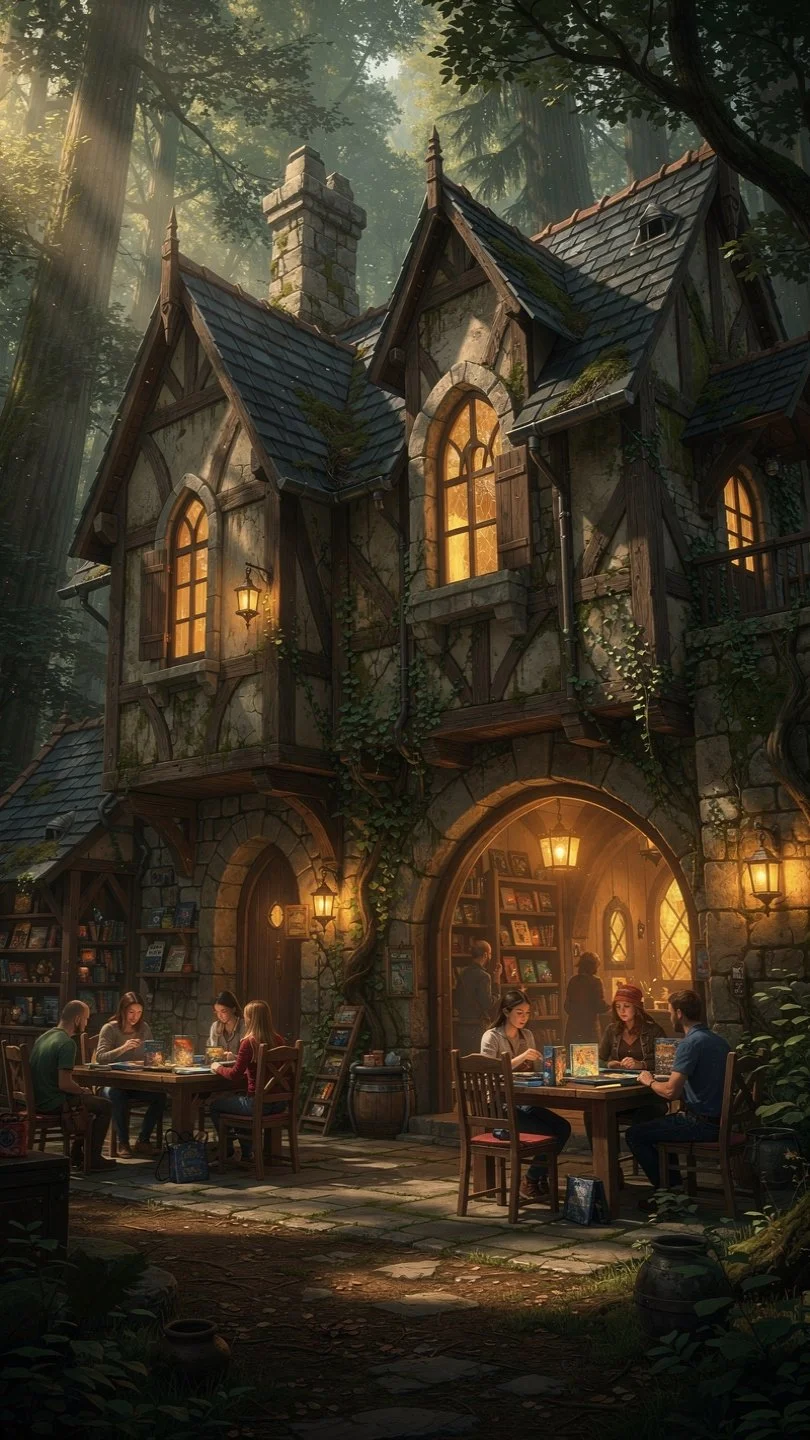
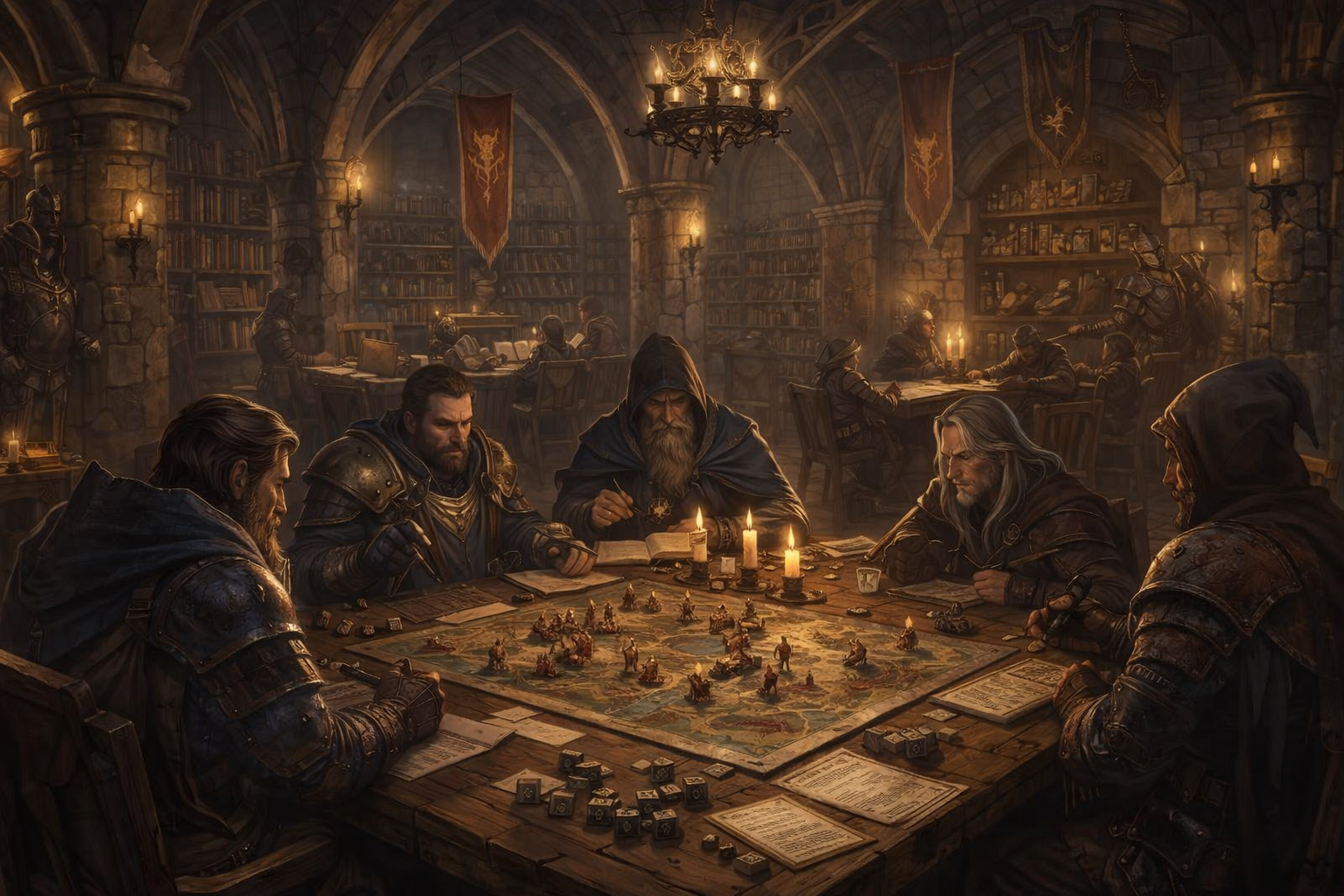
The Hidden Difference Between a Place to Play and a Campaign Habitat
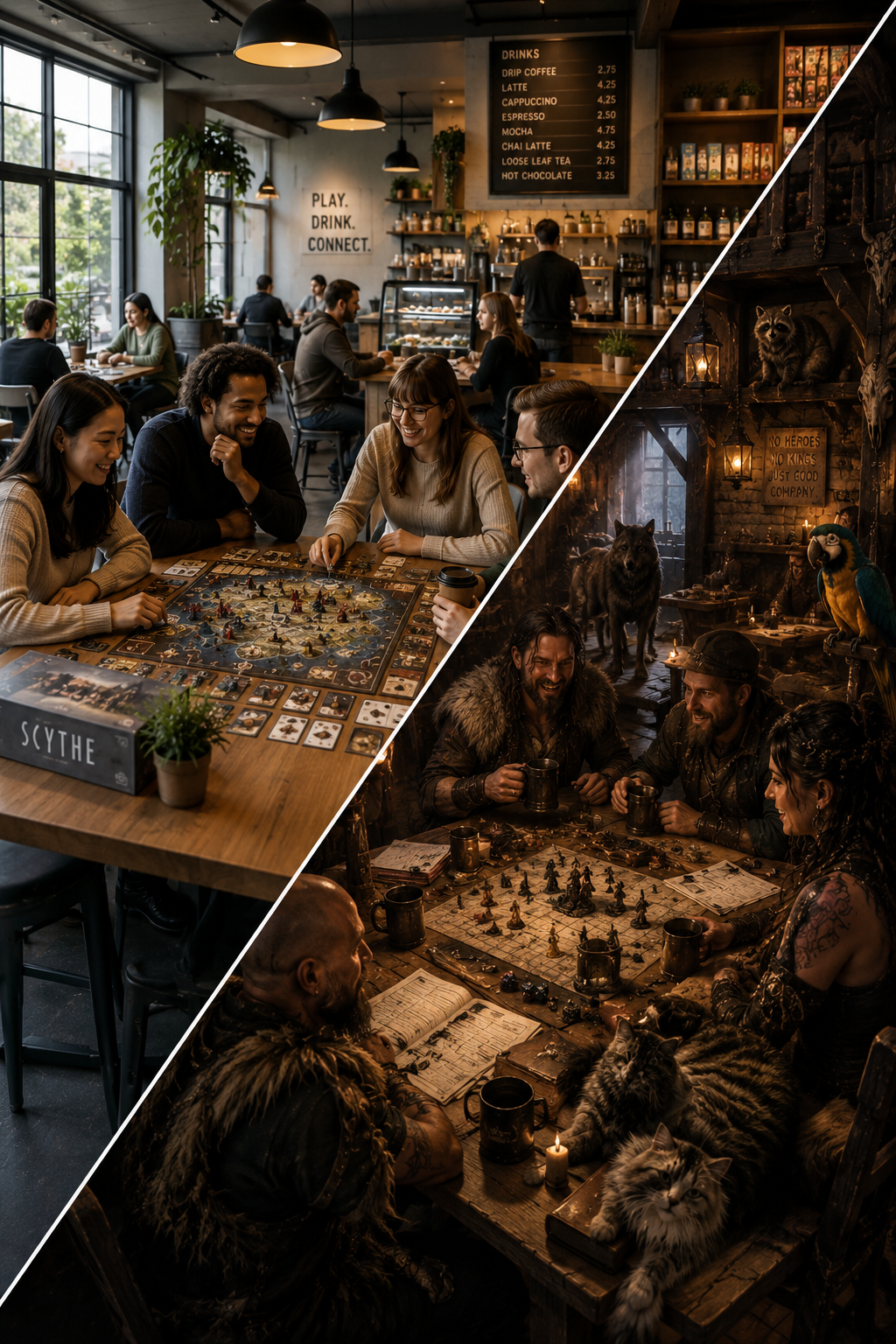
New players often think all tabletop venues are basically the same.
A table is a table.
Dice are dice.
Chairs are chairs.
If the game runs, the venue must be “good enough.”
Veteran players know better.
Because eventually every long-time adventurer discovers something important:
Some places merely host games.
Other places quietly help campaigns survive.
And the difference between those two things is enormous.
A Place to Play Is Temporary
A place to play usually handles the basics.
There are tables.
There is lighting.
There are people.
Games happen there.
That’s enough for casual sessions.
Maybe even enough for short campaigns.
But these places often feel emotionally thin.
Players arrive.
Play.
Leave.
The environment does not encourage connection.
The atmosphere does not support immersion.
The room feels functional rather than welcoming.
Nobody lingers afterward discussing theories, laughing about character deaths, or planning next week’s adventure.
The campaign exists at the table.
Not inside the environment itself.
And eventually many groups quietly drift apart.
A Campaign Habitat Feels Different Immediately
Veteran players notice campaign habitats almost instantly.
The energy feels calmer.
Players settle into conversations naturally.
People arrive early instead of late.
Groups remain after sessions end.
The environment encourages campaigns to breathe instead of merely function.
Campaign habitats support:
long conversations
emotional investment
recurring schedules
player comfort
social trust
community memory
And those things matter far more than many new GMs realize.
Because most campaigns do not collapse from bad combat mechanics.
They collapse from emotional exhaustion, logistical friction, and social instability.
The Room Quietly Shapes Player Behavior
This is something experienced GMs learn the hard way.
Noisy chaotic rooms create different players than calm welcoming ones.
In loud environments:
shy players disappear
roleplay weakens
interruptions increase
tension rises faster
focus collapses earlier
Meanwhile calmer environments often encourage:
deeper roleplay
patient conversations
slower storytelling
emotional scenes
stronger player trust
That’s one reason articles like Quiet Tavern or Loud Game Hall? and Casual Community Hubs vs Competitive Play Venues resonate with so many veteran players.
Because the environment itself quietly changes how campaigns evolve over time.
Comfort Is Part of Immersion
New GMs often obsess over:
terrain
minis
maps
ambient music
visual immersion
Veteran GMs eventually become obsessed with:
chair comfort
table spacing
lighting
sound levels
emotional atmosphere
Why?
Because physical discomfort slowly drains imagination.
Once players become tired, cramped, overstimulated, or distracted, immersion begins dying quietly in the background.
A campaign habitat protects player energy.
That protection matters enormously during:
long roleplay scenes
emotional storytelling
political intrigue
horror campaigns
multi-hour sessions
The strongest venues understand this instinctively.
Community Is What Transforms a Venue Into a Habitat
This is the real secret.
Campaign habitats are not built from furniture alone.
They are built from culture.
Healthy communities create:
patience for new players
encouragement for nervous GMs
safer social environments
emotional stability
stronger campaign retention
A room filled with experienced but hostile players can feel colder than an empty tavern.
Meanwhile a smaller welcoming community can create campaigns people remember for years.
That’s part of why venues like ME Café & Games Singapore, The Attic Fürth Germany, and Univers Parallèle Toulouse leave such strong impressions on veteran players.
They do not merely provide tables.
They create emotional permanence.
Campaign Habitats Reduce Social Exhaustion
This matters more than people admit.
Many players quietly leave the hobby because playing begins feeling draining instead of restorative.
Bad environments slowly create:
overstimulation
social fatigue
scheduling stress
emotional tension
performance anxiety
Players begin associating the hobby with exhaustion instead of excitement.
Healthy campaign habitats reverse that feeling.
They allow players to settle mentally.
To relax socially.
To feel welcomed instead of evaluated.
That emotional difference often determines whether campaigns survive past Level 5 at all.
Veteran GMs Eventually Prioritize Stability Over Spectacle
This surprises many newer players.
They assume experienced GMs chase:
giant convention halls
massive game stores
expensive setups
flashy production value
But many veterans eventually prioritize:
reliable environments
respectful communities
comfortable spaces
recurring groups
emotionally sustainable campaigns
Because long-term campaigns require stability more than spectacle.
A giant beautiful room means very little if players leave emotionally drained every session.
That’s one reason How the Tavern Network Helps Players and GMs Find Better Tables Without Wasting Weeks Searching matters to so many tabletop players in the first place.
Finding the right environment is often harder than learning the rules.
A Campaign Habitat Makes Players Want to Return
That’s the true difference.
A place to play hosts a session.
A campaign habitat creates attachment.
Players begin associating the environment with:
friendships
memories
victories
emotional moments
long-running stories
The room itself becomes part of the campaign.
And once that happens, the adventure gains something powerful:
A sense of home.
That is why veteran players care so deeply about atmosphere, comfort, and community.
Not because they are picky.
Because they’ve already learned that the strongest campaigns are not merely built on rules and dice.
They are built on environments people genuinely want to return to week after week.
More Tavern Goodness For Ya!