Running Your First Game: Rewarding Players Without Breaking Balance

Why This Skill Matters More Than the Treasure Itself
Rewards are one of the most powerful tools a Game Master has, but they are often misunderstood. Many first-time Game Masters assume that rewards are simply about power — stronger weapons, better armor, more gold, or higher numbers on a character sheet. While those things do matter, the true power of rewards lies not in statistics, but in meaning.
Game balance is important, but it should never become so rigid that it strangles excitement. Your main goal is to keep the game fun, and sometimes that means allowing players to feel a little stronger than expected at exactly the right moment. That sense of triumph — of earning something powerful through hardship — is what transforms a simple item into a legendary memory.
Consider a weapon like the Flaming Sword of a Thousand Suns.
The moment you introduce that name, players lean forward. The name alone carries weight. It sounds dangerous. It sounds powerful. It sounds like something worth chasing.
You introduce the enemy who wields it. He defeats them once. They retreat, wounded and shaken. Later, they return with preparation, strategy, and determination. The battle is brutal. Another near total-party defeat looms. Then, at the final moment, a single critical strike turns the tide. The enemy falls.
Victory feels earned.
But you do not immediately place the sword into their hands.
Instead, you describe the flames still raging along its blade. The hilt burns too hot to touch. The sword calls to them, yet refuses to be claimed. They must plunge it into an icy lake, where it will cool slowly over time — not game time, but real time. Seven days must pass before they can wield it.
Now the reward becomes something more than equipment.
Every day that passes, players think about the sword. They talk about it. They imagine how it will feel to finally hold it. The anticipation builds emotional value far beyond mechanical strength.
If you had handed them the sword immediately after defeating the enemy in three turns, the reward would feel ordinary. Just another item. Just another number.
Instead, it becomes a story.
That difference — between reward as equipment and reward as memory — is what this skill is truly about.
If rewards lack emotional meaning, the campaign risks drifting into patterns similar to those described in Running Your First Game: Keeping Players Invested Across Sessions, where engagement depends on meaningful anticipation rather than raw mechanics.
Rewards are not just objects. They are promises fulfilled.
What This Skill Actually Looks Like at the Table
Rewarding players effectively requires patience and theatrical timing. It means understanding that anticipation can sometimes matter more than possession.
Imagine your players finally defeating a powerful enemy after multiple encounters. The battle feels tense, desperate, and exhausting. Dice clatter across the table. Health totals drop dangerously low. The final blow lands, and silence follows before cheers erupt.
You describe the battlefield slowly.
The fallen enemy lies still. Smoke rises from the blade that nearly ended their journey. The weapon pulses faintly, radiating heat.
One player reaches for it.
You pause, then describe the burning heat radiating from the hilt. Their character recoils, unable to hold it.
Now the reward is not denied, but delayed.
The party must find a solution. They search for water, ice, magic, or patience. Eventually, they discover a way to cool the blade — perhaps by submerging it into a frozen lake or placing it inside enchanted stone.
And then you add one more detail.
“It will take time. Not hours. Not days in-game. A full week must pass before it can be safely wielded.”
Now the players carry anticipation between sessions.
They talk about the sword during the week. They imagine its effects. They wonder what it can do. They build excitement without ever touching it.
By the time they finally receive it, the sword is no longer just a weapon. It is a symbol of survival, struggle, and victory.
Moments like this reflect the same principle discussed in Running Your First Game: Knowing When to Bend the Rules — sometimes small adjustments serve the experience better than strict mechanical timing.
Rewards gain value through anticipation.
The Tavern Network
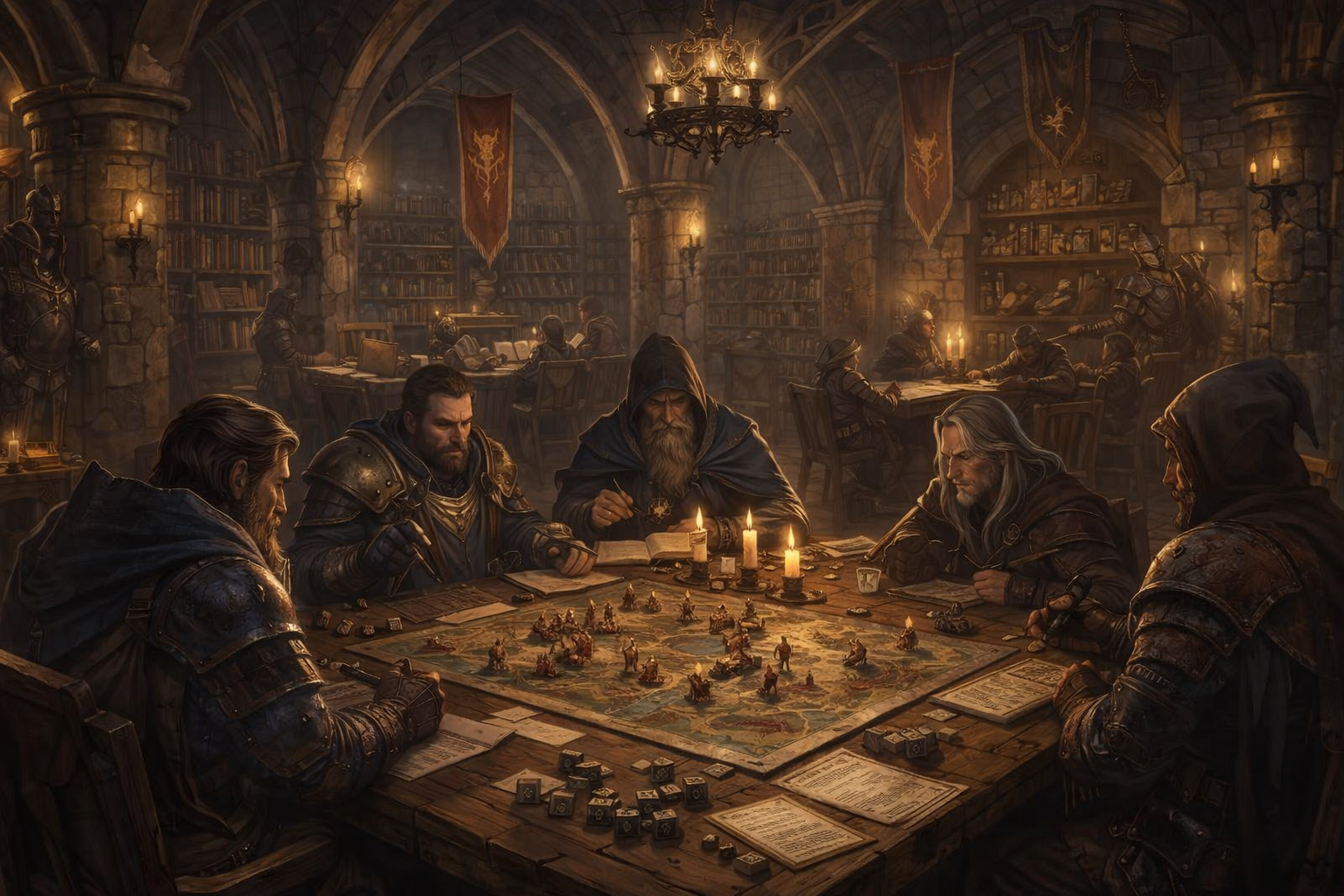
Ya probably want to find a table now, ay lad? Ya can start yer search at The Tavern Network!
The Most Common Mistakes New GMs Make With This Skill
Most problems with rewards do not come from giving too little. They come from giving too quickly or without meaning.
Giving powerful rewards too easily.
When players receive strong items without effort or risk, those items feel disposable rather than memorable.
Ignoring emotional buildup.
Rewards delivered without tension lack dramatic weight.
Over-restricting rewards out of fear.
Being overly cautious about balance can make progress feel slow or unrewarding.
Giving rewards unevenly across players.
Favoring one character repeatedly creates imbalance and weakens group cohesion.
Skipping narrative framing.
Presenting rewards as numbers rather than story elements reduces their impact.
If rewards become mechanical rather than meaningful, the campaign may begin to resemble patterns described in Running Your First Game: Keeping Players Invested Across Sessions, where emotional continuity becomes more important than mechanical upgrades.
Meaning matters more than magnitude.
How to Practice This Skill Before Your First Session
Reward pacing can be planned just like encounters. The key lies in designing anticipation rather than instant gratification.
Plan rewards as story milestones.
Instead of placing powerful items randomly, connect them to memorable events such as boss battles or major discoveries.
Use delay to build anticipation.
Allow time — sometimes even real-world time — to pass before rewards become usable.
Attach history to powerful items.
Give items names, legends, or visible scars from past battles. These details make rewards feel alive.
Allow temporary glimpses of power.
Let players see what an item can do before they obtain it. This builds curiosity and motivation.
Balance strength with challenge.
Ensure that powerful rewards come after meaningful struggle, not routine victories.
Preparation spaces like The Game Master's Table can help organize reward pacing so that items appear at the right moment rather than randomly.
Rewards should feel earned, not handed out.
What Happens If You Ignore This Skill
Ignoring reward pacing does not destroy a campaign immediately. Instead, it weakens excitement slowly over time.
Session 1 introduces frequent rewards. Players feel excited initially.
Session 2 introduces stronger rewards earlier than expected. Challenges feel easier.
Session 3 introduces imbalance. Enemies become less threatening.
Session 4 introduces boredom. Victory feels predictable rather than earned.
Session 5 introduces detachment. Players stop valuing rewards because nothing feels rare.
On the other hand, withholding rewards entirely creates a different problem.
Session 1 introduces limited progress. Players remain hopeful.
Session 2 introduces frustration. Effort feels unrewarded.
Session 3 introduces disengagement. Players stop expecting meaningful outcomes.
Session 4 introduces doubt. Players question whether advancement matters.
Session 5 introduces abandonment. Players lose interest in continuing.
Balance does not mean equal distribution of power. It means thoughtful distribution of meaning.
If rewards feel hollow or inconsistent, the table may gradually resemble patterns described in Running Your First Game: Making Players Feel Safe Enough to Act, where motivation depends on meaningful feedback and visible progress.
Meaning sustains momentum.
The Readiness Check
Take a moment to reflect honestly on the following questions and consider how comfortable you feel with each one.
Can you create anticipation before delivering powerful rewards?
Can you delay gratification without denying progress?
Can you make rewards feel earned through difficulty and story?
Can you balance emotional excitement with mechanical fairness?
Can you recognize when giving something later creates more excitement than giving it now?
These questions help determine whether you are ready to reward players in ways that build both excitement and balance.
Are you ready to turn rewards into memories rather than numbers?
Quick Reference Summary
What this skill does
Rewarding players without breaking balance transforms mechanical upgrades into emotional milestones that strengthen long-term engagement.
When to use it
Use this skill when planning major victories, introducing powerful items, or pacing progression across multiple sessions.
One sentence to remember
A reward becomes legendary not when it is given, but when it is earned and anticipated.
If you want structured tools that help organize reward pacing and progression timing, resources available through RPG Tools and The Tavern Network can help maintain consistency across longer campaigns.
The First-Time GM Reality Note
It is easy to worry about balance, especially when introducing powerful rewards. Many new Game Masters fear giving something too strong and breaking the game permanently. In reality, balance is more flexible than it appears. Players occasionally feeling powerful does not ruin the game — it often enhances it.
What matters most is not the strength of the reward, but the journey required to obtain it. When players struggle, adapt, fail, and return stronger, the reward becomes part of their shared history. It stops being a number on a sheet and becomes a symbol of survival.
That is the difference between giving treasure and creating legend.
It’s Time To Craft That Amazing First Campaign