
The Good Stuff That Keep the Tavern Standing: A Curated Guide for GMs & Players Who Care

Alright, listen up, me lads and lasses!
Before ya go wanderin’ off like a pack of goblin-chasin’ milk-drinkerin’ buffons, let me save ya some time and a bit of grief. Folk keep askin’ me the same questions, different tables, different nights, same tired looks in their eyes. So I’ve pulled together the pieces that actually hold a table together, the ones worth readin’ when things start feelin’ off. No fluff, no grandstanding, just the bloody good stuff that’ve kept more campaigns alive than fancy dice ever did. Take a seat, read slow, and don’t pretend none of this applies to ya!
I’ve seen too many good games die from that kind of nonsense.
Every tavern has its loudest stories, and every good one has a few that get passed hand to hand without much fuss. Mike’s Tavern is no different. Some pieces get read because they’re flashy. Others get read because someone needed them right then, whether they knew it or not.
This isn’t a list of “best-performing posts” or some marketing tally. This is a curated table of the articles that regulars keep coming back to when the table feels tense, combat drags on too long, or a campaign needs steadier footing.
If you’re new here, this is a good place to start.
If you’ve been around a while, chances are you’ve already leaned on one or two of these without realizing it.
Why Listening Beats Any Build at the Table
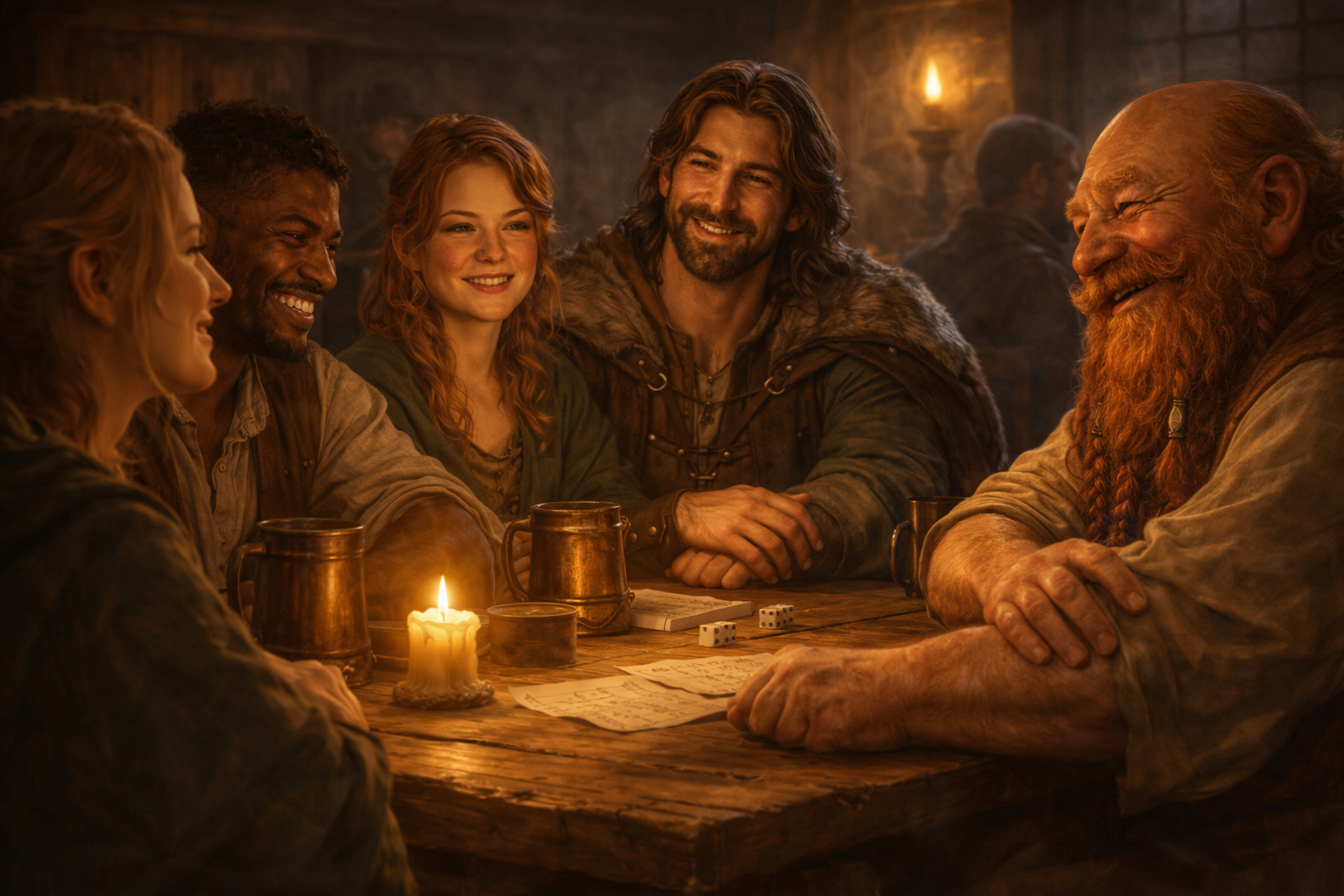
One of the quiet truths of long-running games is that raw power doesn’t keep a table together. Awareness does. The Strongest Character at the Table Is the One Who Listens lays down that truth without sugarcoating it.
This is Tavern Etiquette at its purest. It’s not about optimizing damage or spotlight time. It’s about understanding that a campaign survives on attention, restraint, and respect far more than on clever mechanics. Many readers don’t click away from this one because it doesn’t demand the next step. It asks you to sit with it, and that’s exactly why it belongs in this list.
Living Long Enough to Matter in a Fight
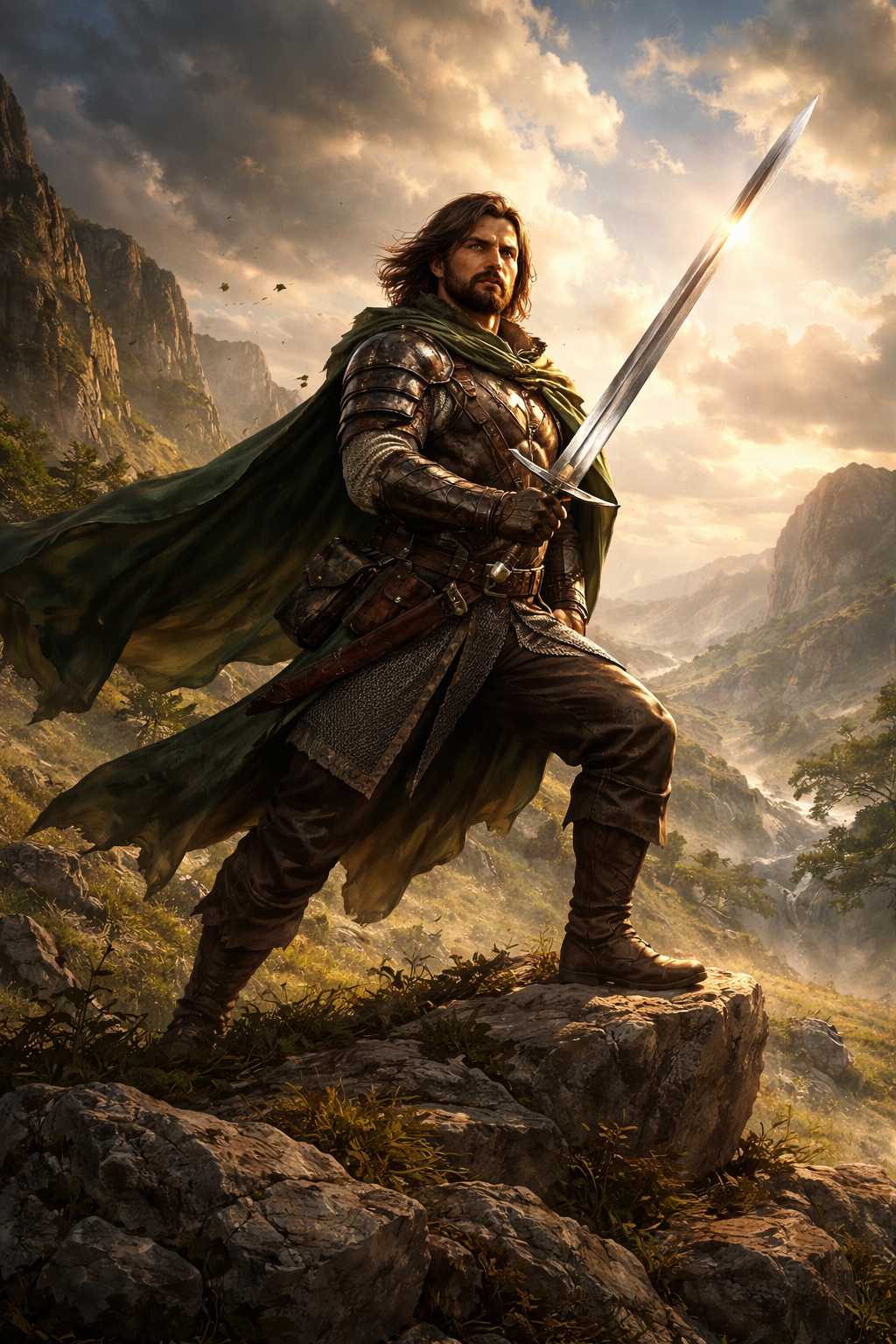
Some tactics don’t look heroic until you realize they saved the campaign. The Disengage Gambit: Living to Fight Another Day comes straight out of Mike’s Secret Logbook, where experience outweighs bravado.
This piece reframes retreat not as cowardice, but as control. It’s the sort of insight players rarely seek out until they’ve lost a character they liked. When they do find it, they tend to remember where it came from.
Power Without Trinkets or Excuses
There’s a persistent myth at many tables that effectiveness is bought with gear. Top 5 D&D 5E Builds That Dominate Without a Single Magic Item quietly dismantles that idea.
This isn’t about breaking the game. It’s about understanding it deeply enough that your character still shines when resources are scarce. It’s one of those articles players don’t stumble into by accident, but when they do, they tend to pass it along.
When Combat Stops Feeling Like Adventure
If there’s one article that consistently pulls people deeper into the tavern, it’s When Every Battle Feels Like a Board Meeting with Dice.
This piece names a frustration almost every GM has felt but rarely articulates. Combat slows. Decisions stall. The energy drains out of the room. The article doesn’t scold or prescribe a single fix. It reminds GMs what combat is supposed to feel like when it works, and that recognition alone often gets people reading further.
Choosing the Right Tools Without Breaking the Table
Not every problem is solved by imagination alone. Sometimes you need the right support. When Maps Collide: Owlbear Rodeo vs Roll20 vs 2-Minute Tabletop lives in the Tavern Toolshed for a reason.
This isn’t about hype or trends. It’s about choosing tools that serve your table rather than dominate it. GMs who find this piece usually do so mid-problem, and that context is exactly where it shines.
When the Real Problem Isn’t the Dice
Some tables don’t fall apart because of rules or balance. They fall apart because of people. Why Your Party Keeps Falling Apart and How to Stop Being the Reason is blunt by design.
This is a Player Tip that asks for honesty, not perfection. Readers who stick with it tend to be the ones who care enough to change, and that makes it one of the most quietly important articles on the site.
Understanding the Space You’ve Walked Into
If this list resonates, it helps to know what kind of place this is. About Mike’s Tavern explains why the site values table health, long campaigns, and shared fun over spectacle.
And if you’re wondering how things work behind the bar, the FAQ covers the practical questions most readers eventually ask.

Pull Up a Chair and Start Where It Hurts
If you’re feeling stuck as a GM or uneasy as a player, don’t try to read everything at once. Start with the article that sounds closest to what’s happening at your table right now. That’s how most regulars found their footing here.
If you want a broader look at how these ideas connect behind the screen, The Game Master’s Table is where many GMs begin tying the pieces together. Some prefer the alternate layouts found at this version or this one, depending on how they like to read and plan.
Why These Articles Sit Together
None of these pieces promise instant fixes. They’ve earned their place because they respect the reality of long games, imperfect people, and tables that want to last. They don’t shout. They don’t rush. They simply hold their ground.
That’s the kind of writing this tavern was built on.
Keep the Conversation Going
If something here helped, or if you’ve got a story that belongs behind these doors, you’re always welcome to speak up. Contact Mike’s Tavern and let the barkeep know what’s been happening at your table. The best wisdom in this place has always come from lived games & hard lessons.
