
Story-First Players vs. Strategy-First Players — Which One Is Dragging Your Game Off Course?
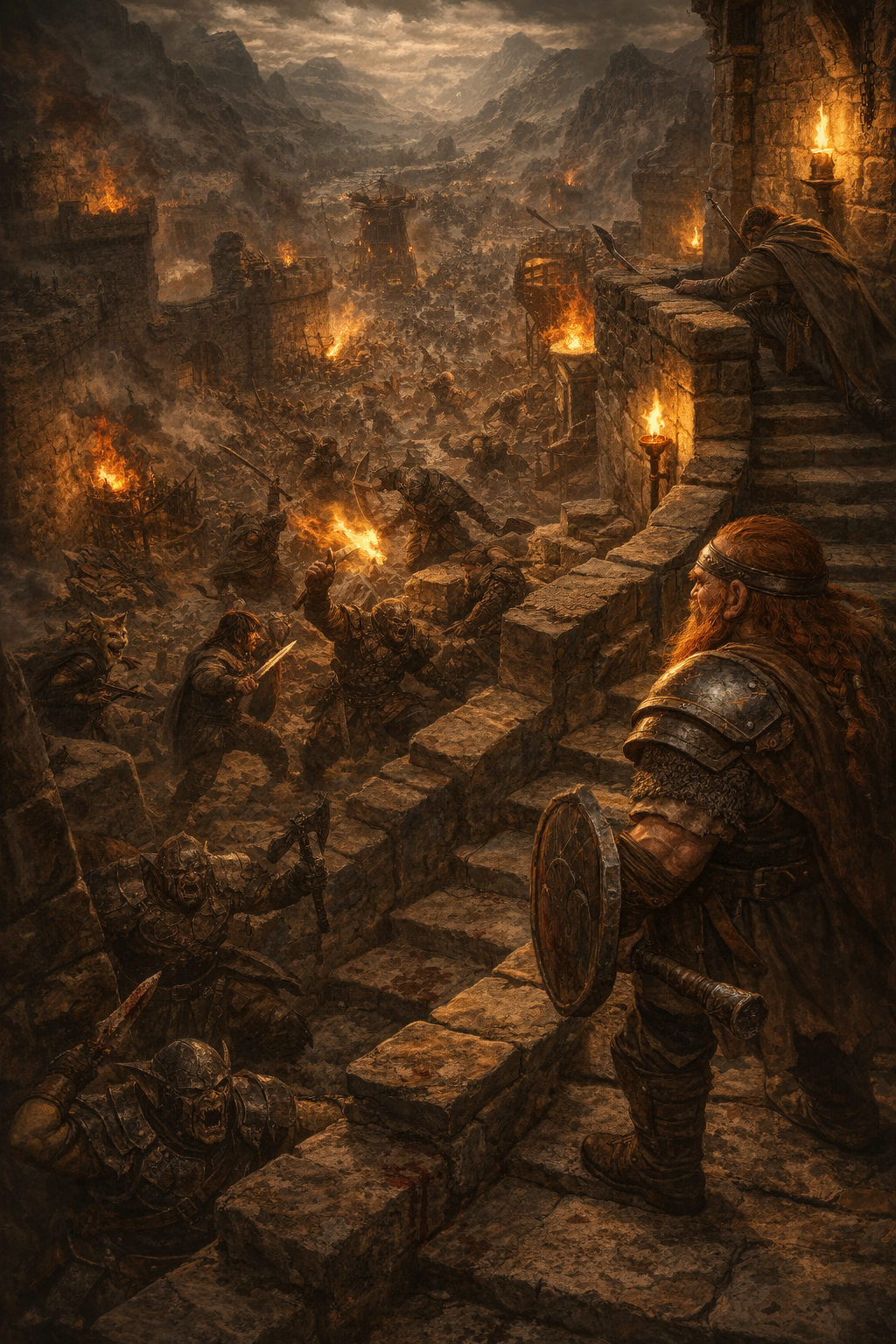
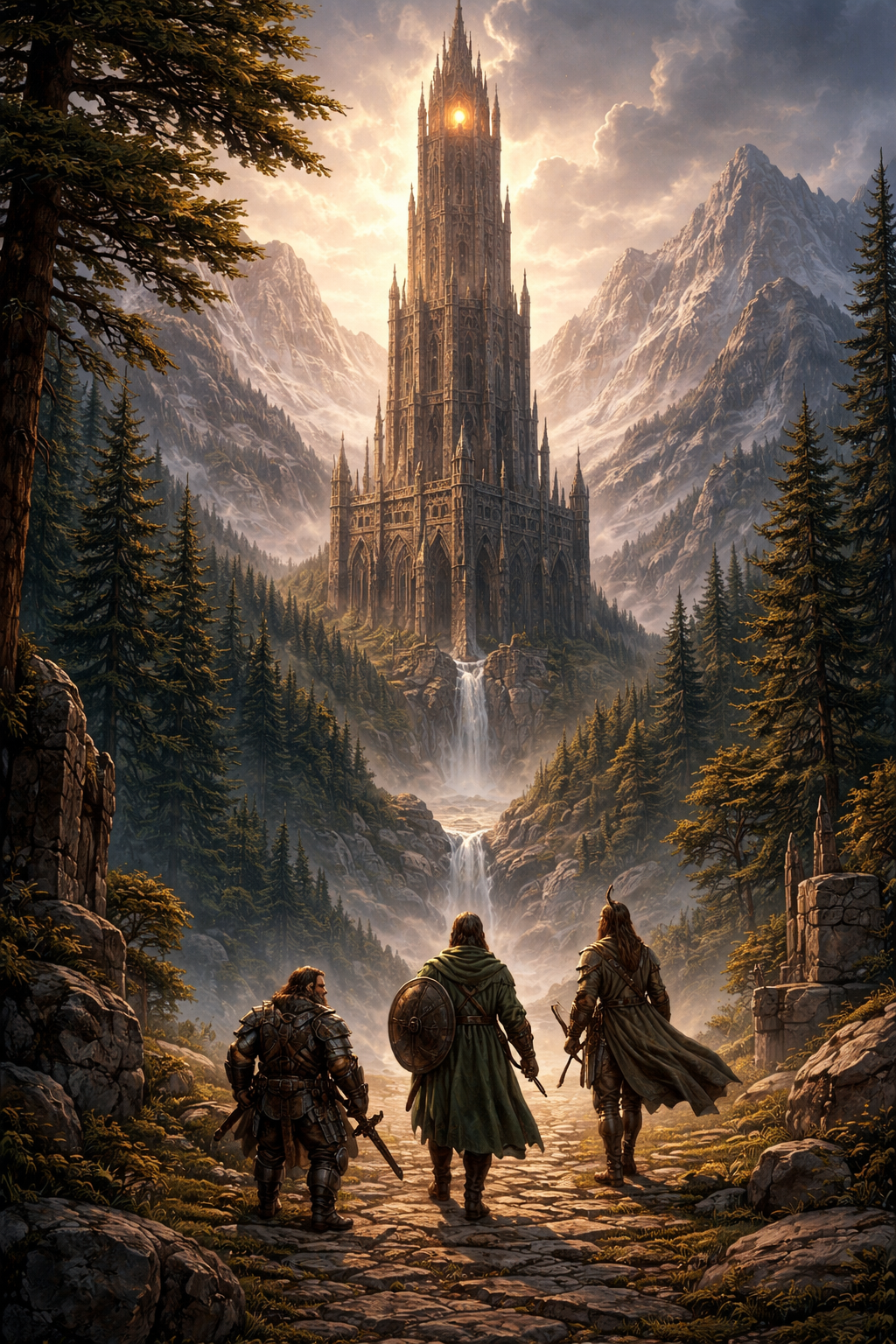
Mike’s Personal Thoughts
By Grabgar’s hammer, if I had a silver piece for every time a table split itself between “I’m here for the story” and “I’m here to shatter the battlefield,” I’d finally fix the crack in my roof. Every party’s got one of each. One lad wants to monologue about destiny while the ogre is still swingin’. Another lad wants to count squares on the floor like they’re divinin’ the future.
Neither is wrong—but by the cracked tankard I’ve been drinkin’ from since my adventuring days, they sure can pull a table in two directions if ya don’t tame ’em.
I once ran a session where the story-first bard tried to negotiate with a sentient tree spirit for twenty minutes… while the strategy-first ranger kept whisperin’, “Just shoot it, just shoot it, just shoot it.” Long story short, the bard hugged the tree, the tree hugged back (too hard), the ranger fired anyway, and the whole forest tried to eat us. Brilliant roleplay. Terrible plan. Memorable night.
If you’re wrestling with a mixed table, you’re not alone. And if you need wider guidance on balancing table personalities, have a look at the GM Wisdom hall or peek at this scroll about tables pulling in different directions. You’ll see you’re not the only fool dancing between drama and tactics.
“If half yer table’s recitin’ poetry and the other half’s sharpenin’ axes, no wonder your prep burns faster than dwarven kindling.”
👉 Grab more GM-saving scrolls from the GM Wisdom hall to keep the story and strategy from fistfighting behind yer screen.
Two Playstyles, One Table
A story-first player wants meaning, emotion, personal arcs, big choices, and character moments.
A strategy-first player wants efficiency, clarity, strong positions, optimal actions, and clever tactics.
Both are powerful.
Both are valuable.
Both can ruin a session if ya let them run wild without a leash.
Here’s a clean comparison to map out who’s who and what they do to your poor brain.
How To Keep Story Players Engaged (Without Letting Them Drown the Table)
A story-first player thrives on scenes where their character’s choices matter. But if you let them, they’ll talk to every ghost, every tree, every pebble with a tragic backstory. Give them drama—but make it focused.
Try things like:
“You get one question the spirit must answer.”
“Your rival steps forward. What do you say before blades clash?”
“Give me the emotion in one sentence—what do you want from this scene?”
This trims rambling without killing their fire.
If you want good examples of meaningful character tension handled with precision instead of chaos, take a look at the knight who bled for peace and its follow-up at Ashtrail Field. That’s how you do drama with teeth.
How To Keep Strategy Players Happy (Without Letting Them Run the Table)
Strategy-first players need clarity. They need grid lines in their heads, even when there is no map.
They want:
Clear stakes
Clear consequences
Clear choices
If you’re vague, they panic. If the rules feel loose, they tighten up. So instead of fighting them, feed them what they need:
“This route is risky but fast. This one is safe but slow.”
“If you take this position, you’ll have advantage. If not, the ogre has reach.”
“You can win clean, or win messy. Pick.”
Tidy, concise options keep their brains humming without letting them dominate the scene.
If you want guidance on tightening your battles, see my scroll on speeding up long fights without butchering them. It’s built for tables like this.
The Real Secret: Make Their Strengths Feed Each Other
Pair them.
Let the story-first player decide why the party goes into the cursed tomb.
Let the strategy-first player decide how they survive it.
One provides heart.
The other provides spine.
Together, they make a session memorable without tearing your sanity in half.
You can also give each player type different moments:
Give the story-first one the emotional decision.
Give the strategy-first one the clutch tactical move.
Make both consequences matter.
And if a table ever feels ready to tear itself apart, look at this cautionary scroll: when your table pulls in three directions at once. You’ll see you’re not alone.
“By me beard, lad—if you balance these two, your table will run smoother than a dwarf sliding down a mine shaft.”
👉 If you’re ready for stronger tools, deeper tricks, and sturdier prep, come by the Tavern. Read the tale behind the bar at Mike’s story and send a raven through the contact board.
⚠️ And if your players start arguing again, remember: heart without brains is a tragedy, and brains without heart is a lecture.
FAQ
Q: How do I stop strategy players from interrupting dramatic scenes?
A: Give them structure, lad. Promise them clarity after the roleplay moment. They relax when they know their turn is coming.
Q: How do I keep story players from monologuing forever?
A: Define the emotional goal and trim the fat. A single sharp sentence often hits harder than a rambling speech.
Q: Can a player be both story-first and strategy-first?
A: Aye, and they’re the best kind. But most people lean one way. Your job is to keep the table balanced, not identical.
