When You’re Putting in More Prep and Getting Less Energy Back
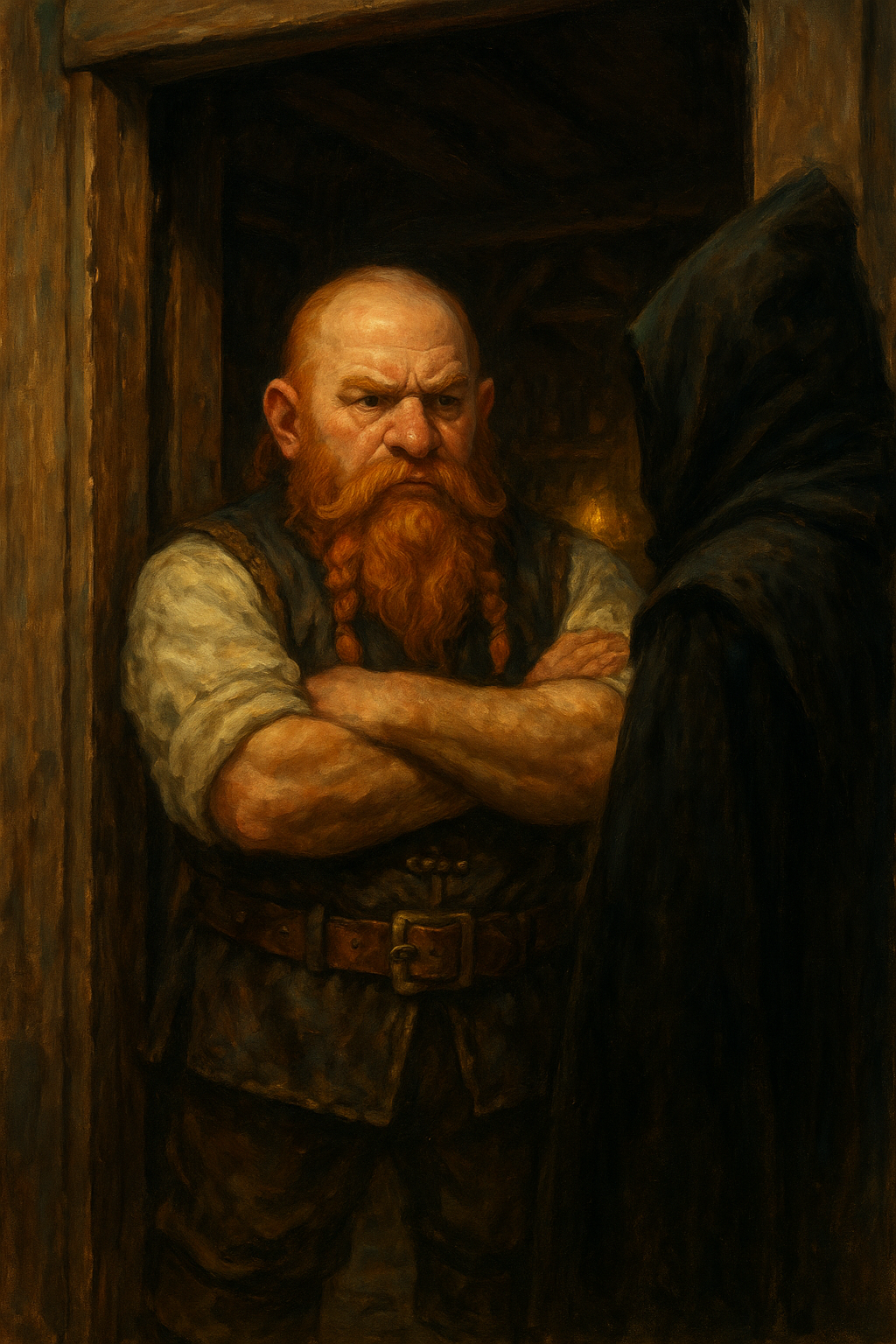
“If Yer Notes Are Gettin’ Thicker but the Applause Ain’t, Sit Down a Moment.”
You’re prepping more.
More NPCs.
More maps.
More hooks.
More layered plot threads.And somehow…
The energy coming back from the table feels thinner.
Not hostile.
Not ungrateful.
Just… muted.If you’re pouring in effort and feeling less return each week, this isn’t about laziness.
It’s about imbalance.
Let’s get honest about it.
The Prep-to-Energy Ratio
Every GM runs on a kind of invisible exchange rate.
You invest:
Time.
Creativity.
Emotional bandwidth.
And you receive:
Engagement.
Excitement.
Player initiative.
Midweek messages.
When that ratio shifts, something starts to feel off.
You add more detail.
You polish harder.
You tighten pacing.
But the room doesn’t rise with you.
That disconnect is exhausting.
If you’ve ever wondered whether you’re misreading the table entirely, you might find clarity in When You Can’t Tell If You’re Burnt Out or Just Tired of Them.
Sometimes it’s not the prep.
It’s depletion.
When More Prep Isn’t the Solution
There’s a quiet trap GMs fall into:
“If I prepare better, they’ll engage more.”
So you:
Build deeper lore.
Add cinematic descriptions.
Craft layered villains.
Engineer clever twists.
But energy doesn’t scale with complexity.
In fact, sometimes it drops.
If your combats feel increasingly structured but emotionally flat, revisit When Every Battle Feels Like a Board Meeting With Dice.
Energy drains when encounters feel procedural instead of participatory.
Prep should create possibility.
Not paperwork.
Mike Slams His Tankard Down
Listen here, lad.
By Tharn’s itchy chainmail, if yer writin’ twenty pages of backstory for a shopkeeper who sells rope, ye might be diggin’ yer own grave.
I’ve seen GMs stack prep like firewood hopin’ the flame gets bigger.
But sometimes?
The table don’t need more wood.
It needs air.
If ye feel like yer carryin’ the whole tavern on yer back, read When You’re the Only One Who Cares If It All Falls Apart.
Because sometimes the problem ain’t lack of prep.
It’s lack of shared ownership.
And that’ll grind even the toughest dwarf down.
The Hidden Shift: From Collaboration to Performance
Prep starts to feel heavy when you move from:
“We’re building this together.”
To:
“I must deliver.”
That shift is subtle.
But it changes everything.
When you become the sole engine of momentum, your energy depletes faster than it refills.
If you’re constantly adjusting to keep louder and quieter players balanced, you may want to revisit The Quiet Player vs the Table Hog — How to Keep Both Happy Without Losing Your Mind.
Because uneven spotlight often drains prep satisfaction.
You don’t just want them present.
You want them invested.
Signs the Issue Isn’t Your Preparation
Before you double your prep time again, ask:
Are players initiating scenes?
Do they reference past hooks?
Do they message midweek?
Do they speculate about plot?
If the answer is “not really,” the issue may not be your notes.
It may be engagement structure.
If the table feels full but oddly hollow, explore When the Table’s Full but It Feels Empty.
Energy fades when participation fades.
Not when prep is insufficient.
Rebalancing the Energy Exchange
Here’s what often works better than “more prep”:
Ask players what they’re pursuing next session.
Let them define one complication.
Build from their declared goals.
Reduce over-detailed contingencies.
Shift from architect to collaborator.
You don’t need to shrink your standards.
You need to redistribute responsibility.
And if you’re tempted to scrap the campaign entirely, pause.
Read Top 5 Ways to Up Yer GM Game Without Tearin’ the Whole Thing Down.
Refinement beats reinvention.
Every time.
Structural Check Before Emotional Collapse
Sometimes prep fatigue isn’t emotional at all.
It’s logistical.
If you’re wrestling with platforms, map tools, or digital pacing issues, revisit When Maps Collide — Owlbear Rodeo vs Roll20 vs 2-Minute Tabletop.
Technical friction quietly drains enthusiasm.
Fixing the structure can restore the spark.
Quick Questions Before You Rewrite Everything
Does increased prep automatically improve engagement?
No. Engagement responds to agency, not complexity.
Is this burnout?
Possibly. But first determine whether it’s exhaustion from carrying too much alone.
Should I scale back prep?
Often, yes. Replace detail with shared direction.
More from Around the Tavern


Tools, Tactics & Mechanical Confidence