
When Combat Has Rules, Turns, and Numbers … But No Pulse
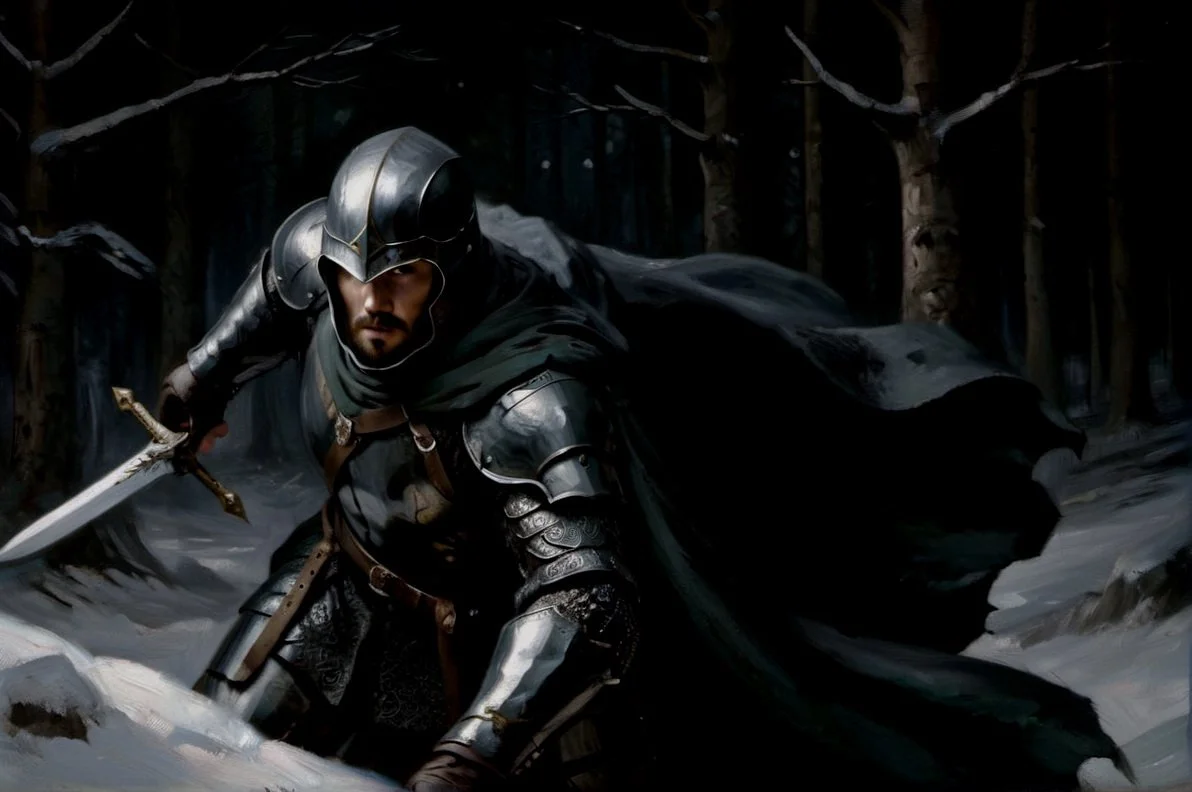
Some combats fail loudly.
This isn’t about those.
This is about the fights where everything works correctly — and nobody cares.
Initiative is clean.
Turns are efficient.
Damage is calculated properly.
And yet, halfway through the encounter, players start leaning back in their chairs. Phones come out. Jokes drift off-topic. The fight becomes something to finish rather than something to inhabit.
This is the kind of combat rot that sneaks up on good Game Masters — especially the careful ones.
The mistake isn’t mechanics — it’s emotional flatness
When combat loses its pulse, GMs often look in the wrong places.
They tweak stat blocks.
They add environmental effects.
They increase difficulty.
But flat combat isn’t caused by a lack of complexity. It’s caused by a lack of emotional stakes.
Players need to feel like what’s happening right now changes something — not later, not narratively “eventually,” but in this moment.
Without that, combat drifts into the same territory explored in
When Every Battle Feels Like a Board Meeting with Dice — structured, orderly, and quietly lifeless.
Why “fair” combat often feels sterile
Many GMs pride themselves on fairness. And rightly so.
But fairness can accidentally become predictability.
When players know:
The battlefield won’t change
Enemies will act optimally but safely
Failure carries no emotional cost
They stop reacting instinctively. They calculate.
This is the same mental shift that turns play into obligation — the creeping fatigue described in When you can’t tell if you’re burnt out or just tired of them. The GM keeps tightening control, and the table slowly disengages.
Mike snarls, because of course he does
“By Tharn’s itchy chainmail, I’ve watched lads plan fights like tax audits. If no one’s afraid, no one’s excited. A battle without risk ain’t a battle — it’s paperwork with swords.”
Stakes don’t mean lethality
This is where many GMs panic.
They hear “stakes” and think:
Deadly encounters
Harsh consequences
Punitive design
That’s not the point.
Stakes are about meaning, not mortality:
Who looks foolish if this goes wrong?
What gets damaged, revealed, or lost?
Which relationship shifts because of this moment?
When those questions are absent, combat becomes a sequence of actions instead of a story beat. And when story stops flowing, broader table issues tend to surface — the kind unpacked in Why your party keeps falling apart and how to stop being the reason.
The subtle link between flat combat and table tension
Here’s the uncomfortable truth:
When combat feels empty, players start seeking satisfaction elsewhere.
Some talk more to fill the void.
Some withdraw.
Some rush scenes.
Some disengage entirely.
Over time, this feeds the same imbalance explored in The quiet player vs the table hog, where energy concentrates unevenly and resentment builds without anyone naming it.
Combat didn’t just get boring — it destabilised the table.
A better question than “Is this fight balanced?”
Before your next combat, try asking this instead:
“What emotion should this fight evoke?”
Fear.
Urgency.
Desperation.
Confidence.
Recklessness.
If the answer is “none,” players will default to procedure.
That’s how battles turn into agendas — and why the core article, When Every Battle Feels Like a Board Meeting with Dice, focuses on pattern recognition rather than encounter tricks.
Mike gives the verdict (again)
“Listen close, lad. Dice don’t make memories. Moments do. If yer players can’t tell why this fight matters without squintin’ at a stat block, then By Brunlin’s missing eyebrow, ye’ve already lost ‘em.”
Don’t fix combat in isolation
Flat combat is rarely the only symptom.
It often lives alongside:
GM burnout (When yer heart’s givin’ out but yer hands keep preppin’)
Over-structuring to compensate for low energy
Players afraid to take risks or speak up
If you treat combat as a purely mechanical problem, you’ll keep missing the real issue.
That’s why Mike’s Tavern doesn’t just talk tactics — it talks about how people behave at the table.
Before you add another monster
You don’t need more enemies.
You don’t need clever terrain.
You don’t need longer prep.
You need one clear answer to this:
“What changes because this fight happened?”
If the answer is vague, players will feel it — even if they can’t explain why.
For the wider pattern, start with
When Every Battle Feels Like a Board Meeting with Dice
Then follow the threads outward into how burnout, imbalance, and silence creep into otherwise “functional” games.
If you’re new to the tavern, you can learn how this grumpy old dwarf runs the place on the About Mike’s Tavern page, skim the FAQ, or reach out through the Contact page.
A fight doesn’t need to be chaotic to be alive.
It just needs a pulse.
