
Mike’s Tavern Definitive Longsword Guide for D&D 5e and Pathfinder 2e - Part 2
This article is part of the Mike’s Tavern Definitive Longsword Guide for D&D 5e and Pathfinder 2e. You can continue the series here:
Part Two: Space, Control, and Skill Expressed Through Action
Welcome back to Mike’s Tavern, where the ale’s still cold, the floor’s still sticky, and the truth about the longsword in D&D 5e and Pathfinder 2e gets told plain instead of pretty. If Part One taught you why the longsword is worth carryin’, Part Two is where you learn how to stop standin’ in the wrong place and wonderin’ why the fight went bad. I’ve seen more good fighters dropped because they took one step too far than because they swung too slow, and if you want to survive long enough to enjoy another round, it’s time you learned how distance, patience, and control keep a longsword user breathin’ while the reckless ones get buried.
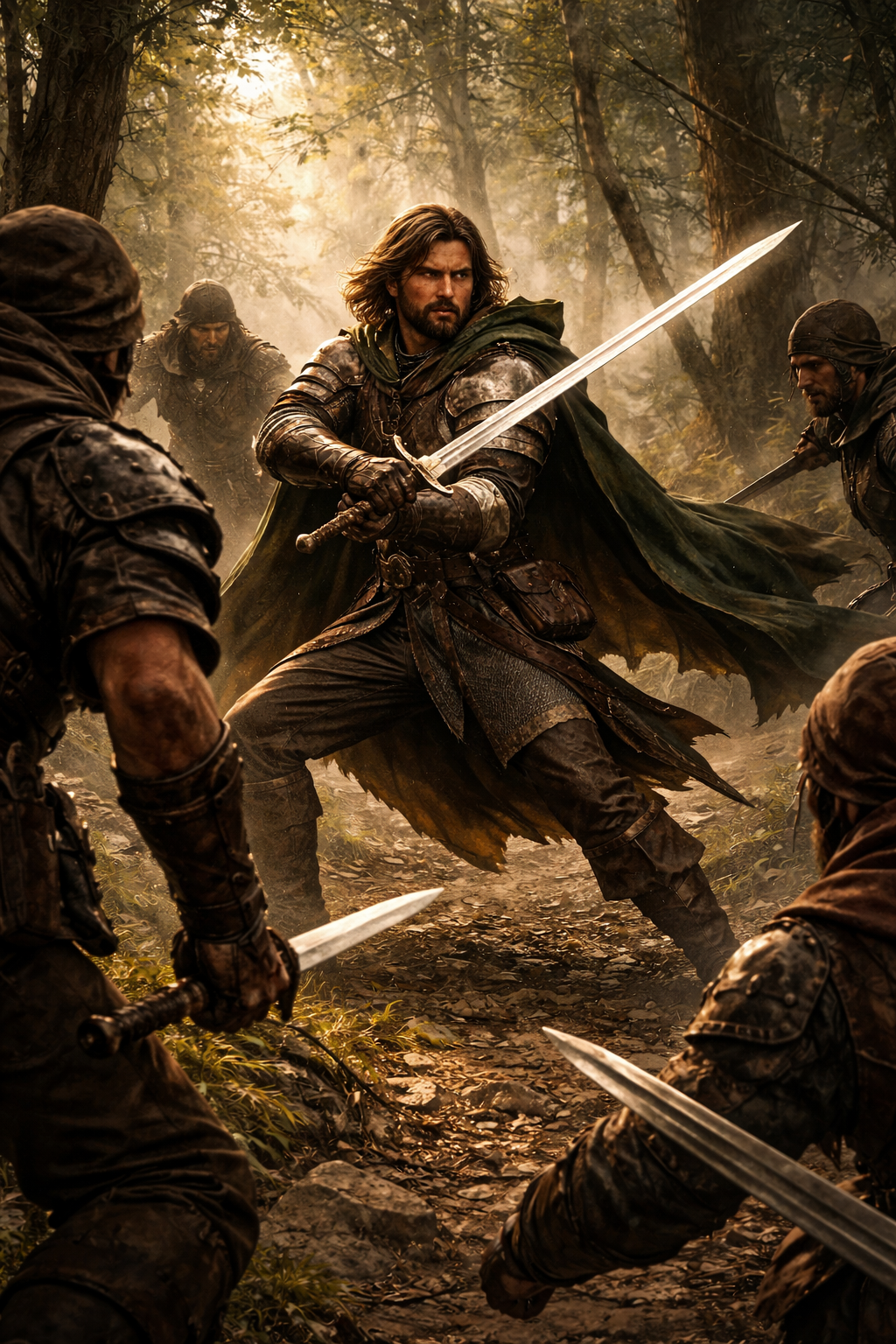
Distance, Positioning, and Owning Space
Most fights are decided before the first hit ever lands. Not because someone rolled well, but because someone stood in the wrong place.
Distance in D&D 5e and Pathfinder 2e is abstracted on purpose. There are no facing rules, no cones of threat for martial weapons, and no diagrams telling you which foot is forward. That does not mean space does not matter. It means the game expects you to understand it without being handheld.
Moving five feet can matter more than attacking because movement changes options. It changes who can reach you, who you can reach, and who is forced to spend actions reacting instead of acting.
When a longsword user steps forward and holds ground, they are not just occupying a square. They are shaping the fight. Enemies now have to decide whether to approach, disengage, or reposition, and none of those choices are free.
This is how pressure works without rolling dice.
If you want a deeper look at why forced movement is one of the nastiest forms of control in both systems, read The Power of Forced Movement: Shove, Slide, and Toss ’Em Off a Cliff. It connects perfectly to longsword play because “owning space” is often about making the enemy stand where they do not want to stand.
This chapter exists to train your eyes. Stop seeing only your target. Start seeing lanes, choke points, escape routes, and the ally who needs you to block a path so they can do their work.
If you’re new to how this tavern teaches combat thinking, About Mike’s Tavern lays out the whole approach.
Defense as Active Control
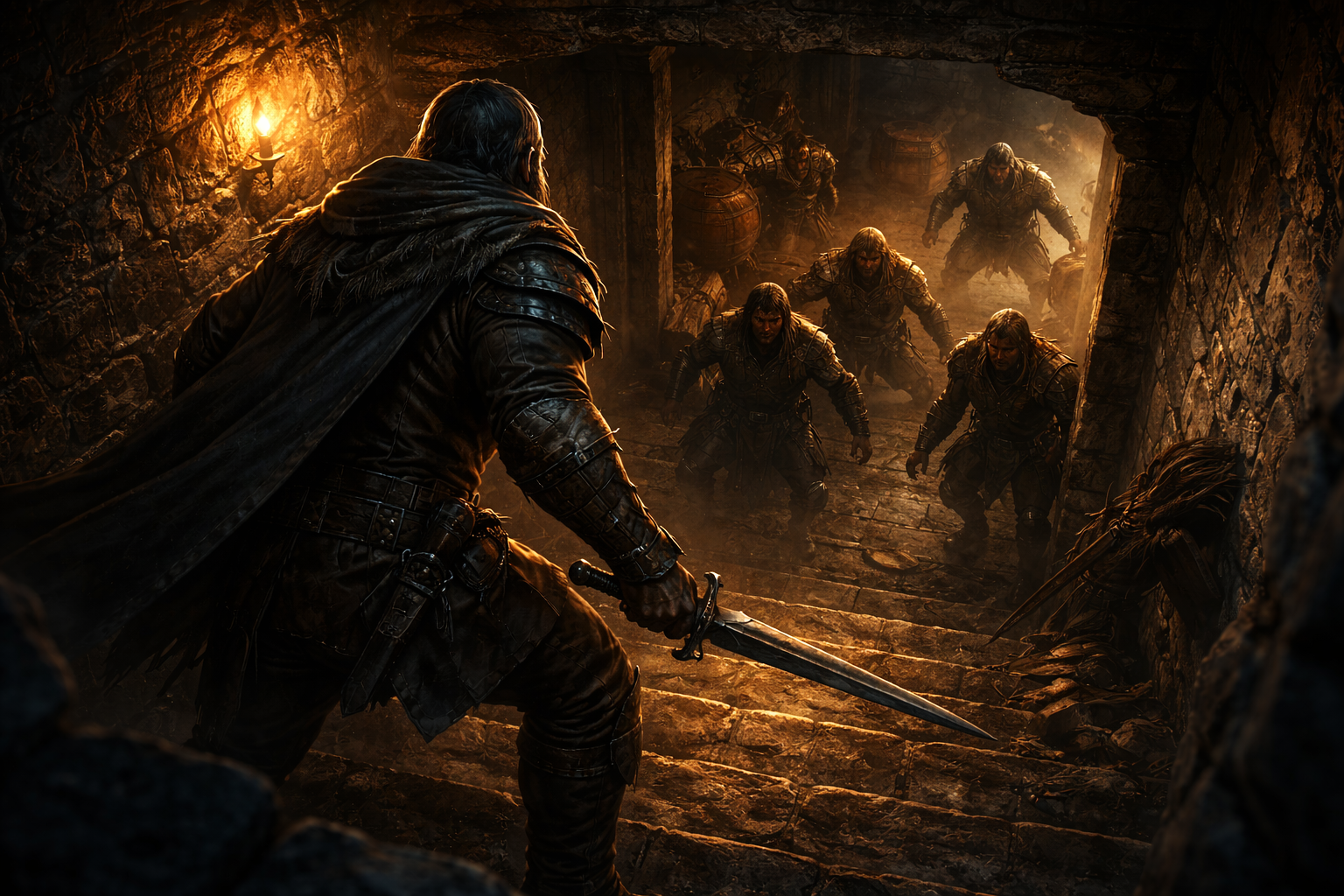
A longsword fighter who swings every turn is loud. A longsword fighter who waits correctly is dangerous.
Defense is not doing nothing. Defense is choosing not to commit until the moment is right.
In both systems, defensive actions already carry weight. Dodging, raising a shield, stepping instead of striding, and holding reactions are not fallback options. They are deliberate tactical choices.
Choosing not to attack can dominate a fight because it forces the enemy to act first. When you hold position, the opponent must spend actions to engage you or waste time repositioning. Either way, you gain information and control.
This is where longsword users shine, because reactions turn patience into punishment. If you want the clearest example of that mindset in writing, The Shield That Bites Back: How to Turn Defense Into Punishment fits this chapter like a gauntlet fits a clenched fist. You do not need new rules to make defense threatening. You need the discipline to hold your ground and let the enemy make the mistake first.
If your party keeps overcommitting and turning every encounter into a messy brawl, How to End a Fight Early Without Stealing Anyone’s Spotlight reinforces the core lesson here. Smart defense shortens fights because it stops chaos from spreading.
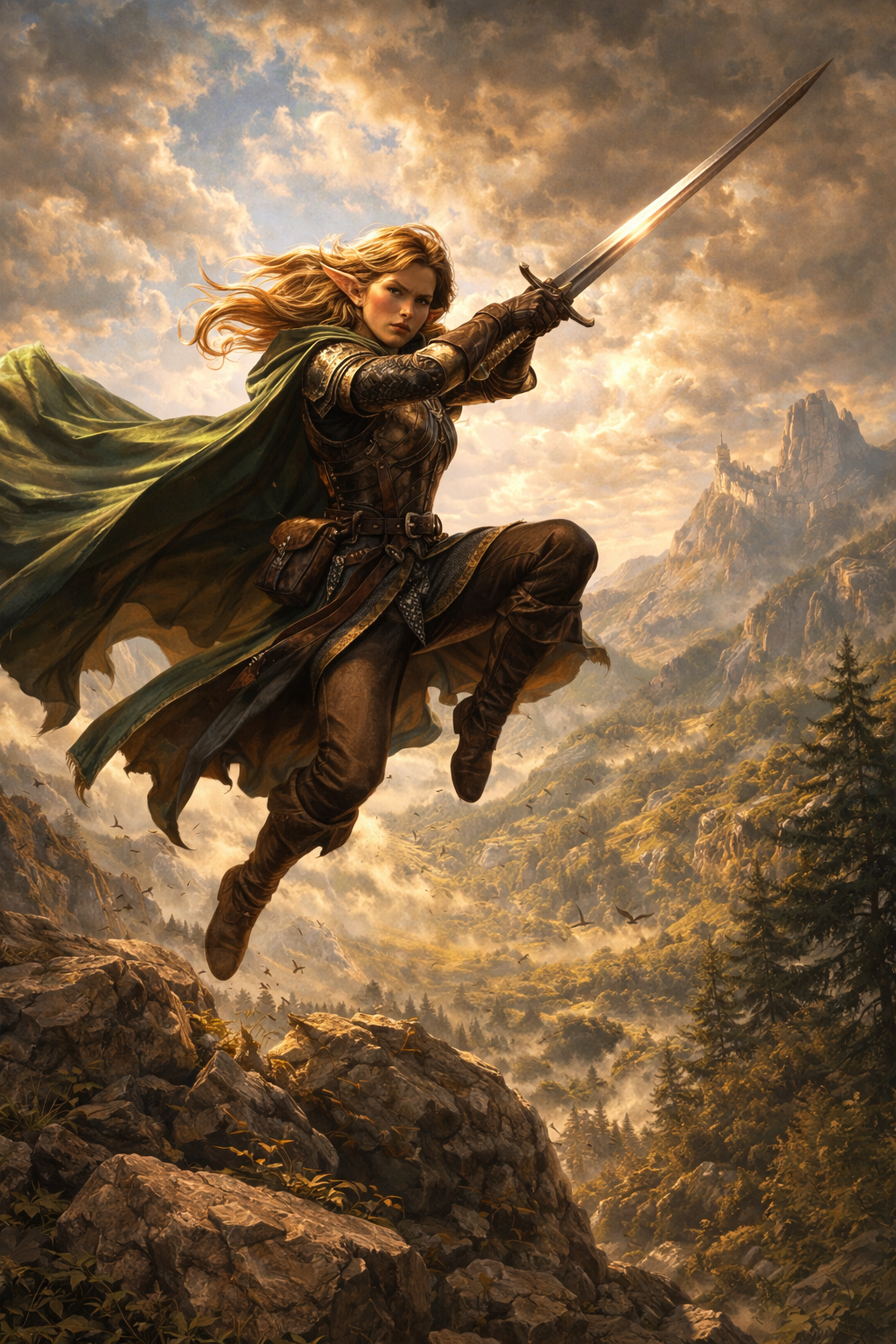
Combat Maneuvers, The Core Skill Expression
If there is one section in this whole guide that deserves your attention, it is this one.
Combat maneuvers are not side options. They are the system approved way skilled fighters express control.
In D&D 5e, shoving and grappling replace attacks. That alone tells you they are not secondary actions. In Pathfinder 2e, Athletics maneuvers are core actions supported by feats, conditions, and encounter design.
Maneuvers exist because not every problem is solved by damage.
A shove represents leverage and space denial. A trip represents timing and balance. A grapple represents commitment and control. A disarm, where applicable, represents pressure applied at exactly the wrong moment for your enemy.
Used well, maneuvers punish poor positioning and create openings for allies. A prone enemy is easier to finish. A grappled enemy is easier to surround. A shoved enemy is suddenly standing where they do not want to be.
If you want to see what happens when grappling stops being “a funny option” and becomes a fight ending tool, From Grapple to Grave: How to Turn Wrestling Into a Death Sentence is the correct companion piece. The title is dramatic, but the lesson is simple. Control wins fights.
And if you want to understand how good players chain pressure together without rules bending, Reaction Chains: When One Trigger Turns Into Three Kills shows why positioning plus reactions plus maneuvers becomes a whole system of threat, even when you are “just playing a fighter.”
Closing Part Two
By now, the shift should be clear.
The longsword is no longer about what you hit. It is about where you stand, when you wait, and how you force mistakes using only the rules already on the page.
You are learning to see space.
You are learning to value timing.
You are learning how control creates opportunity.
In Part Three, we take all of this and apply it to allies, flanking, and coordinated pressure. That is where the longsword truly stops being a personal weapon and becomes a party asset.
Finish your drink. We will see you again in Part Three.
If you want the quick reference for how these guides are structured and where everything lives, check the FAQ. If something looks off on your site after publishing, you can always reach me through Contact.
