
Mike’s Tavern Definitive Longsword Guide for D&D 5e and Pathfinder 2e - Part 5
This article is part of the Mike’s Tavern Definitive Longsword Guide for D&D 5e and Pathfinder 2e. You can explore the rest of the series here:
Part Five: Fatigue, Fear, and Fighting Well When You Are No Longer Sharp
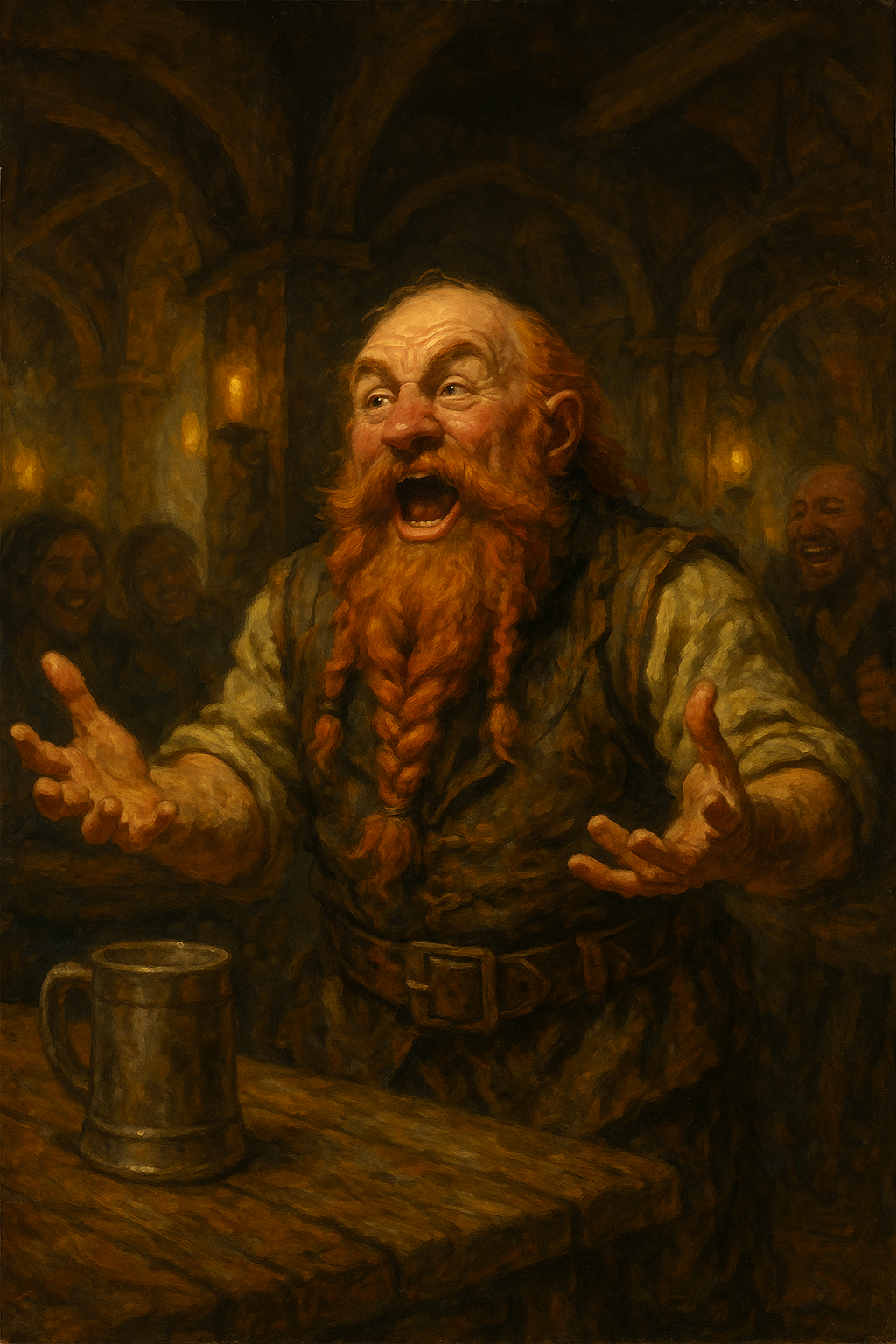
This is the part most guides dodge, laddie!
Everyone loves talkin’ about clean fights and sharp minds. About what to do when the plan is workin’ and the dice are friendly. Very few bother tellin’ you what happens after three rounds of bad rolls, missed reactions, and that quiet moment when you realize you’re thinkin’ slower than you were a minute ago.
That’s when folk die.
Not because they forgot how to swing, but because they forgot how to decide.
Fatigue don’t announce itself. Fear don’t ask permission. They creep in through small choices. One greedy attack. One missed step. One turn where you do something just to feel useful.
A longsword won’t save you from that. Discipline will.
This part is about fightin’ well when you are no longer sharp. When your hands are steady but your judgment is startin’ to slip. When holdin’ the line matters more than makin’ a point.
If you can learn to fight here, you can fight anywhere.
When Skill Starts to Slip
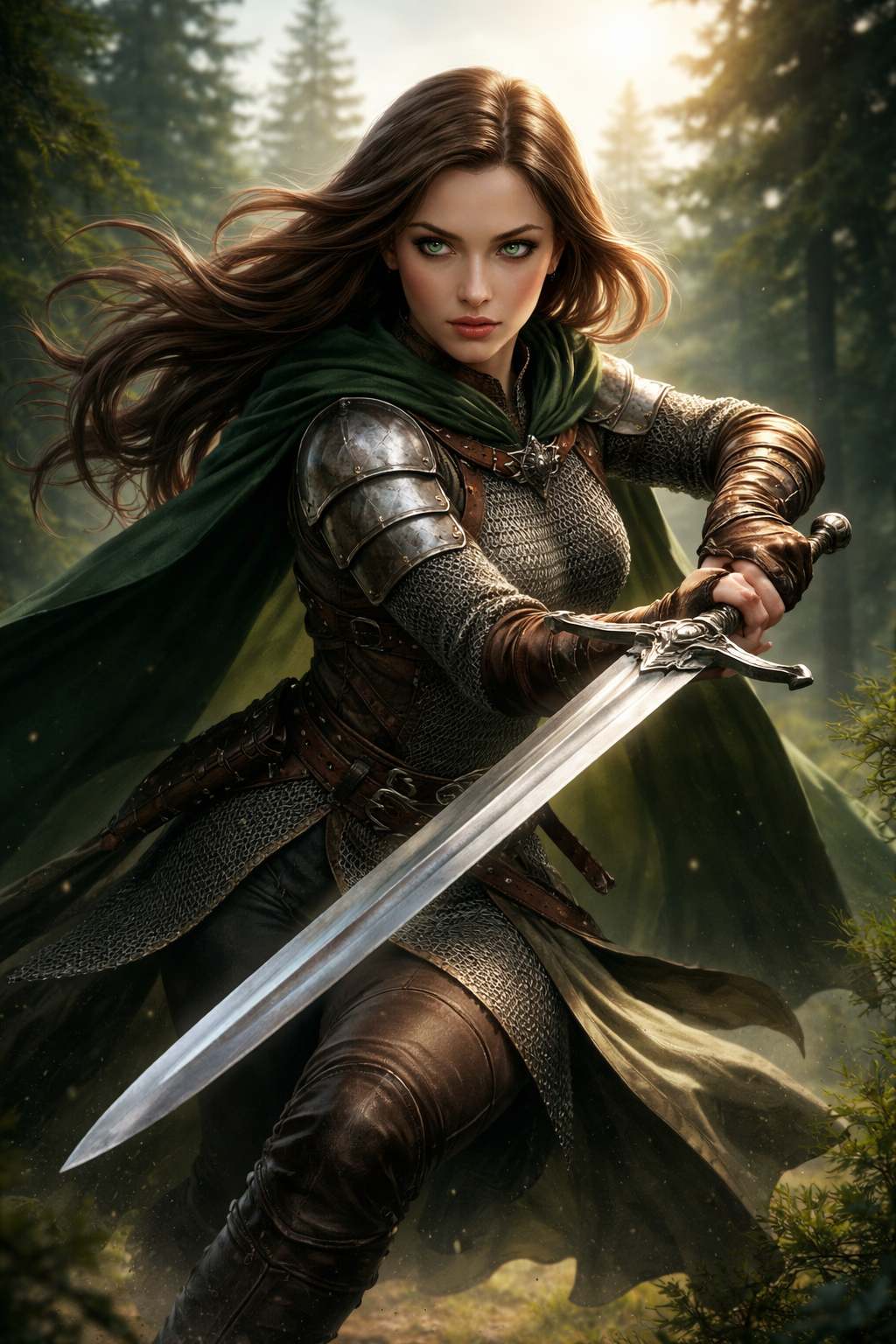
Every guide talks about peak performance. Very few talk about what happens after it.
Most fights do not end when you are fresh. They end when you are tired, stressed, hurt, and no longer thinking as clearly as you were three rounds ago. This is where campaigns are lost, not because players forgot the rules, but because they forgot themselves.
D&D 5e and Pathfinder 2e do not model exhaustion minute by minute in combat. They do not need to. Fatigue already exists in decision making.
Missed reactions. Overextended turns. Attacks made because you feel you should do something instead of because it is correct.
A longsword user survives long fights by recognizing when sharp thinking starts to dull.
If you are new to how this tavern approaches combat, the philosophy is laid out plain on About Mike’s Tavern.
Fatigue Shows Up in Choices Before It Shows Up on the Sheet
You do not need an exhaustion level to be playing tired.
Fatigue shows up when you stop repositioning and start trading hits. It shows up when you forget to hold reactions. It shows up when you chase instead of control because thinking feels slower than swinging.
Longsword play depends on judgment. Judgment degrades before hit points do.
In Pathfinder 2e, this often looks like burning all three actions on attacks that should have been split between movement and pressure. In 5e, it looks like repeating the same action every turn because you stopped reassessing the field.
If your fights keep going past the point where decision quality drops, When Too Much of a Good Thing Kills the Game explains why longer combats often feel worse, not better.
And if you are staring at your table wondering whether you are actually exhausted or just sick of the situation, When You Can’t Tell If You’re Burnt Out or Just Tired of Them fits this part of the guide better than most folk expect.
Fear Is Not Roleplay Flavor. It Is Tactical Information.
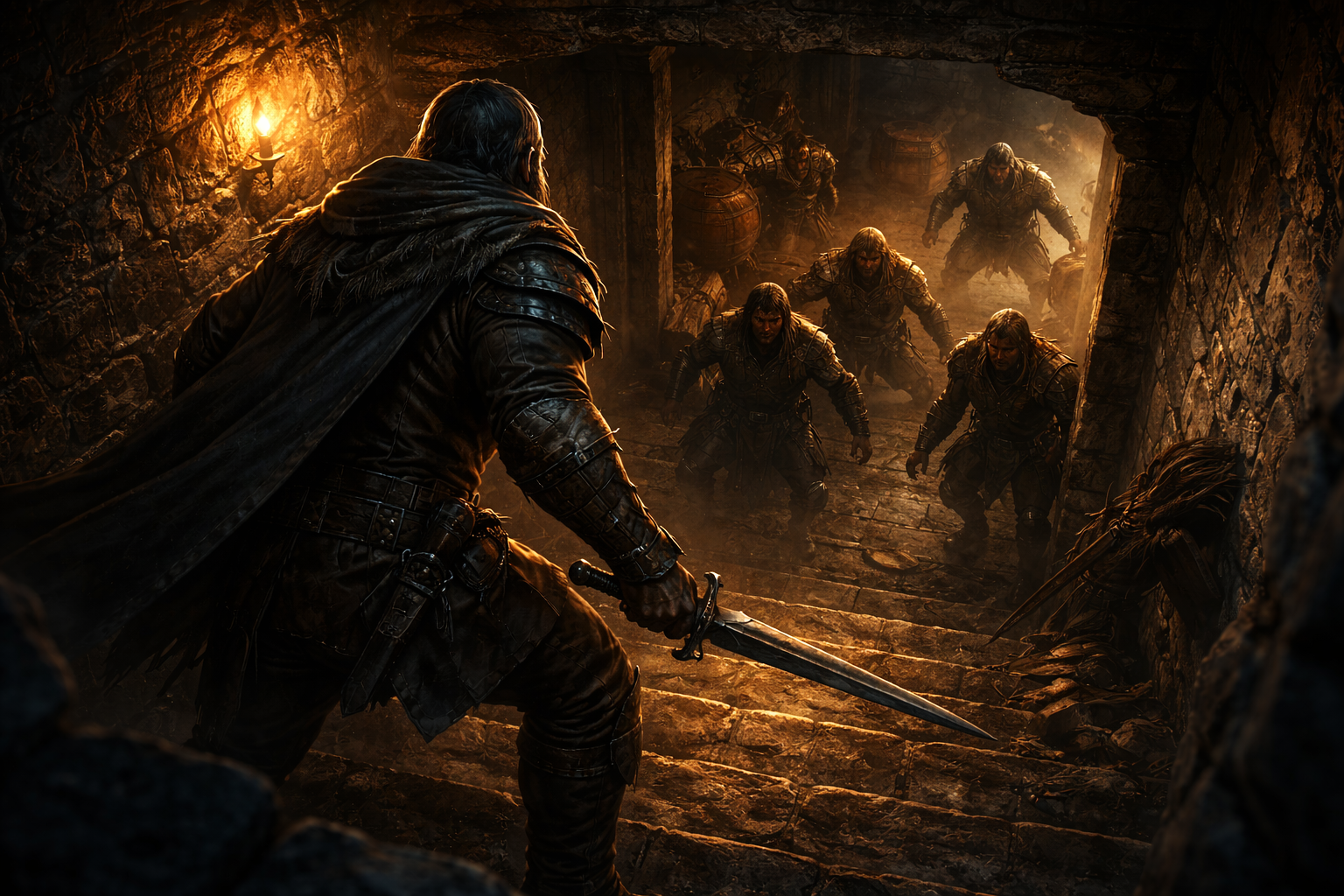
Fear gets treated like a personality quirk. In reality, fear is data.
When players panic, they reveal what they think matters. They reveal which allies they trust. They reveal where they believe danger truly lies.
A longsword user should pay attention to this.
If your caster starts backing up, space is collapsing.
If your rogue hesitates, flanks are failing.
If your healer stops advancing, pressure is rising.
Fear tells you what the battlefield is becoming.
This is why stabilizing play matters under stress. Holding ground. Blocking lanes. Giving allies breathing room without speeches or commands.
If your table tends to drown out the quiet players right when pressure hits, read Let the Quiet Player Speak Before I Cast Silence on Ya. That problem shows up in combat as surely as it shows up in roleplay.
Mistakes Compound Faster Than Damage
A single mistake rarely kills a character. A chain of small ones does.
Missed reactions. Poor movement. Greedy attacks. Ignored positioning.
Chaos accelerates these failures, especially in longer encounters.
A longsword user helps break this chain by slowing the fight down. Not ending it immediately, but preventing it from unraveling.
If you have ever watched a fight fall apart because no one reset or repositioned, How to End a Fight Early Without Stealing Anyone’s Spotlight reinforces why control beats attrition.
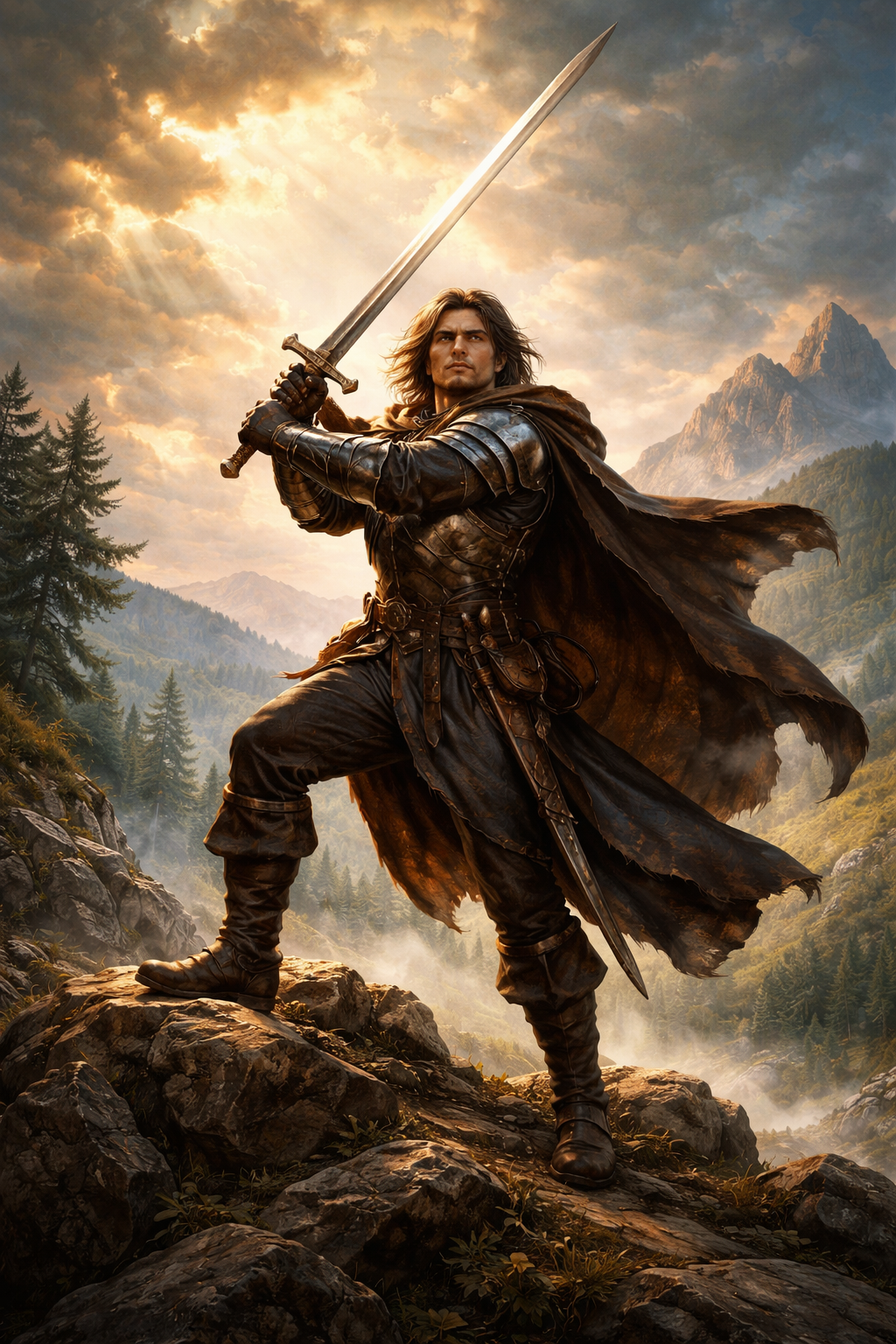
Death, Failure, and Keeping Your Head When It Goes Wrong
Fatigue and fear do not just affect tactics. They affect how players respond to failure.
Some folk start playing reckless when they get scared. Others freeze. Others get angry at the dice, the GM, or the table. That spiral kills more parties than monsters do.
A longsword user is often the one who can stop that spiral, not by preaching, but by playing steady. Holding ground. Making clean decisions. Giving the party a spine when everyone else is wobbling.
If death is haunting your table and making people play worse, Learn to Lose Like a Legend: Why Death Ain’t the End of Yer Story helps players keep their nerve without pretending consequences are not real.
And if the deeper problem is that the group itself is fraying, not just the encounter, Why Your Party Keeps Falling Apart and How to Stop Being the Reason is the blunt medicine most tables avoid until it is too late.
Closing Part Five
By now, the longsword should feel less like a weapon and more like a discipline.
You are not just managing enemies.
You are managing tempo.
You are managing stress.
You are managing yourself.
Part Six is the final piece. It ties everything together and shows why mastery is not about fancy technique, but restraint, consistency, and decision making when you are under pressure.
If you need a structural reference for how this guide fits together, the FAQ lays it out clean.
If anything on the site needs attention, the Contact page is always open.
Finish your drink.
We will see you in Part Six.
