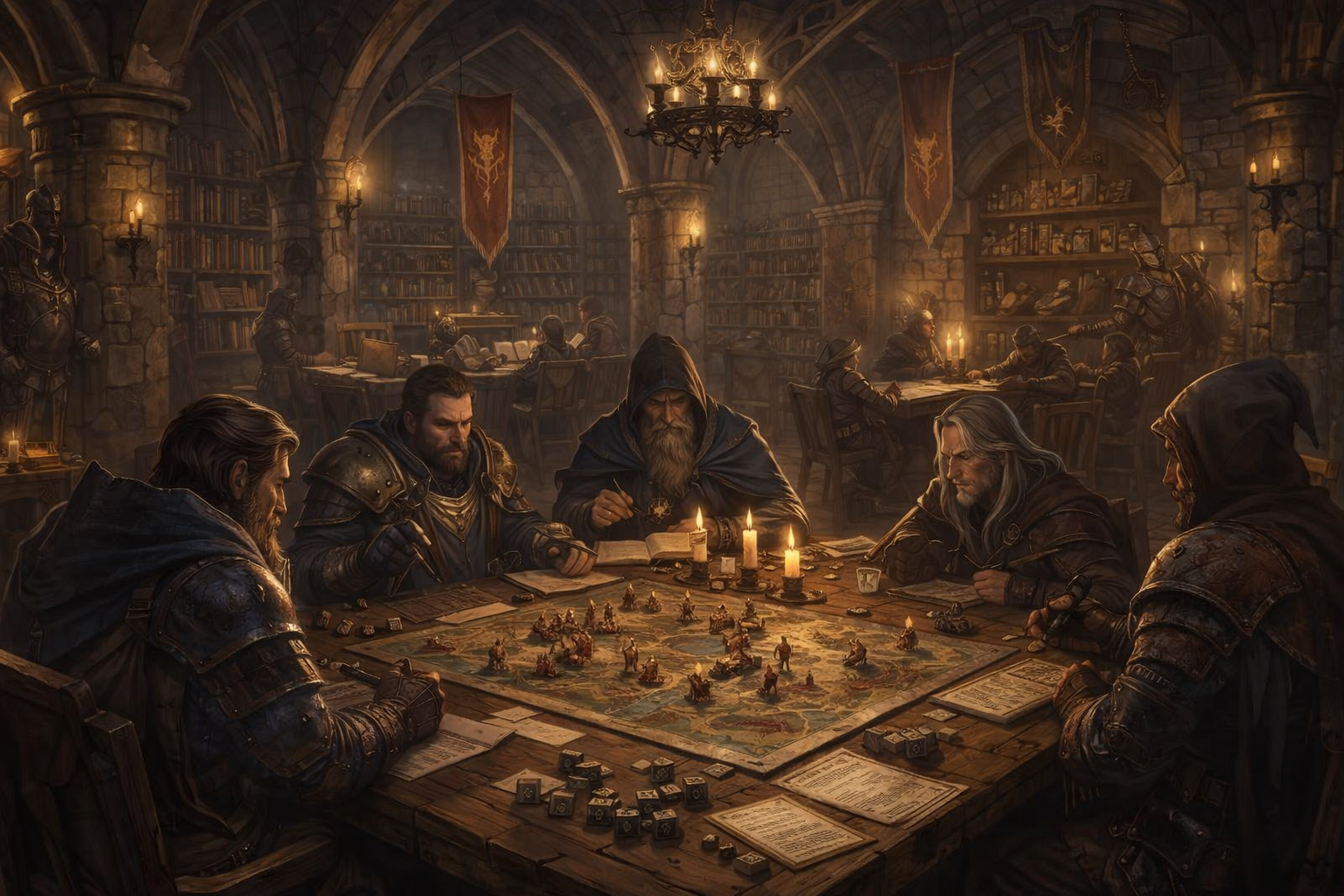
What Happens If You Skip Session 0 in D&D?
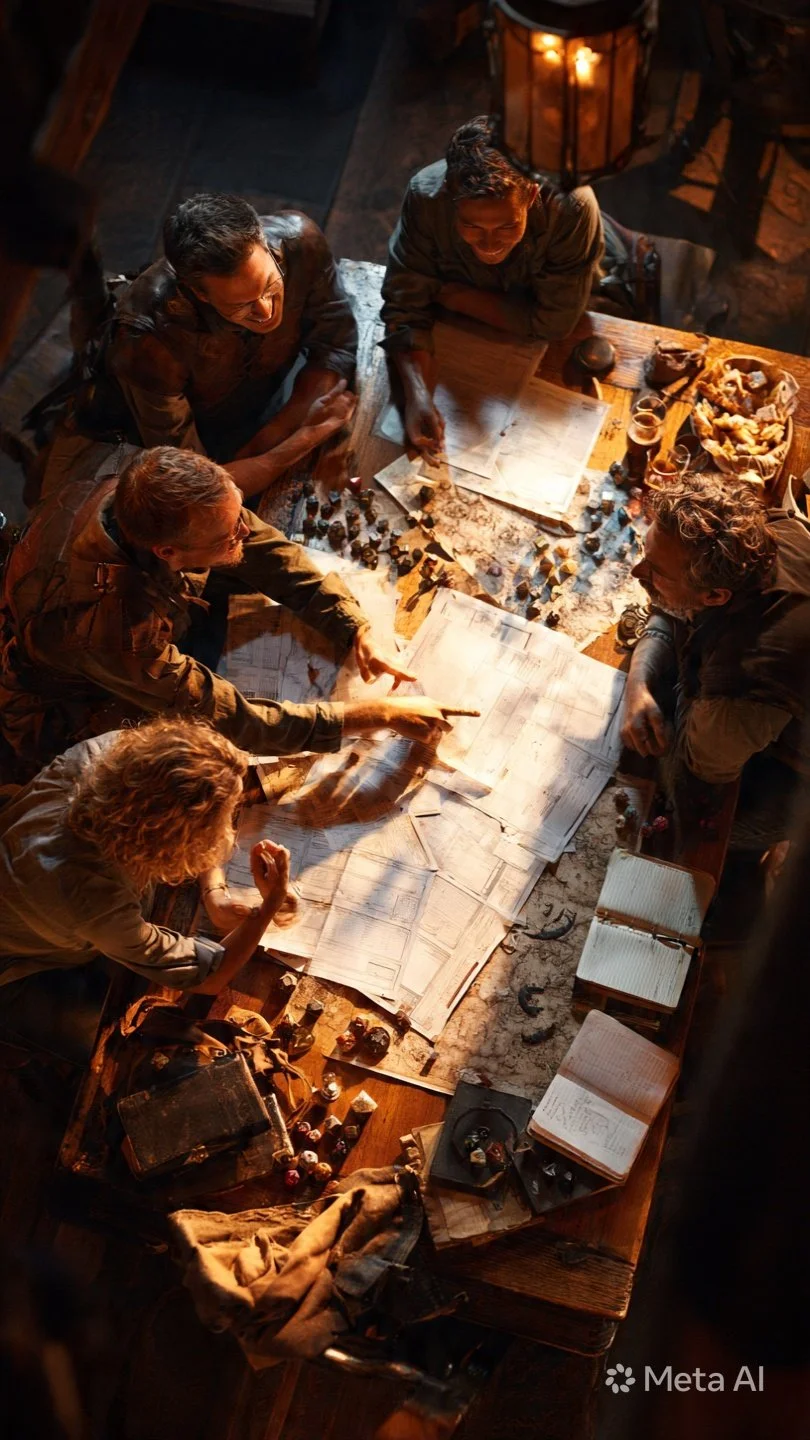

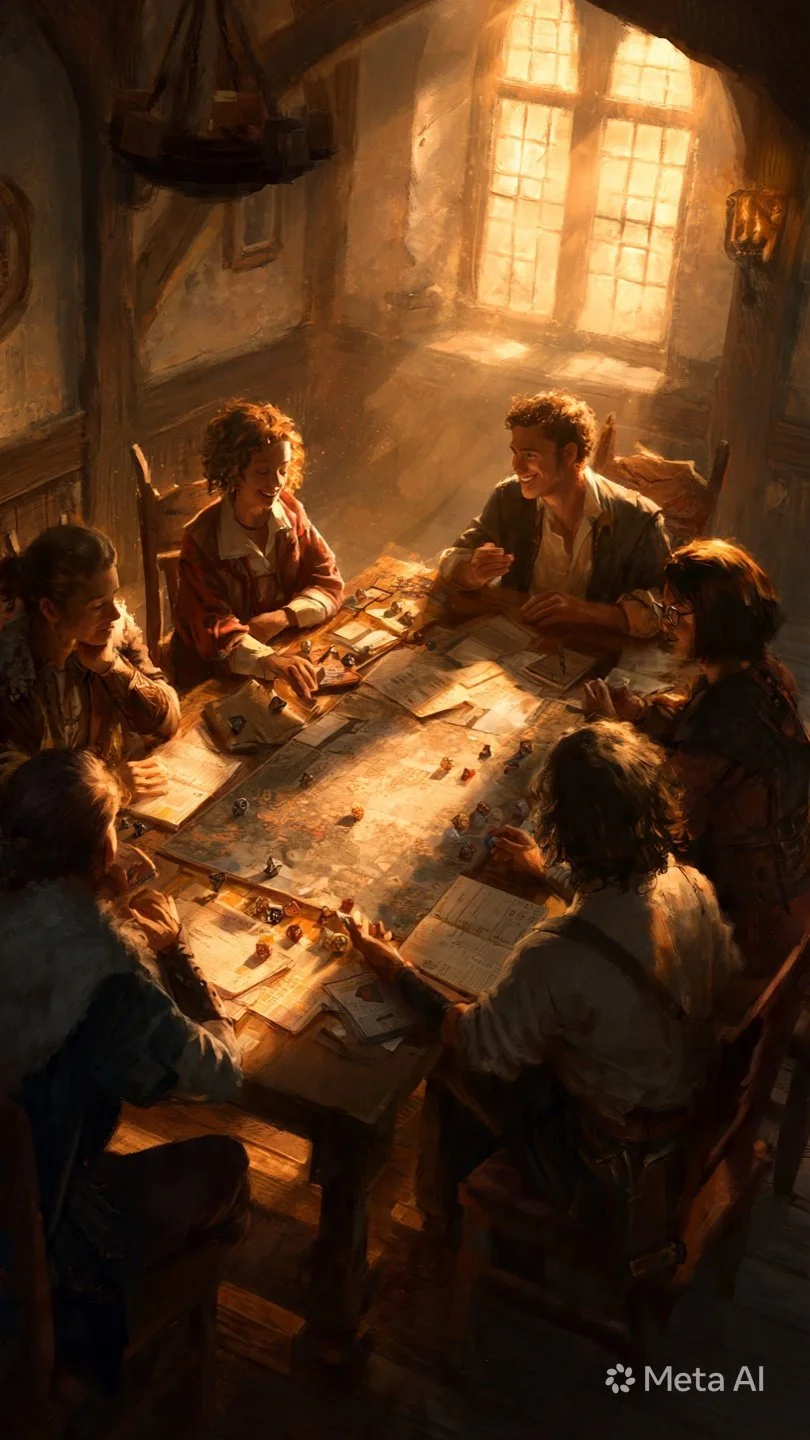
Listen, laddie. Nothing dramatic usually happens when you skip Session 0.
The tavern does not catch fire.
The dice do not crack in half.
A lich does not burst through the wall and drag the Game Master into the underworld.
Everyone simply creates a character, sits down, and starts playing.
That is what makes skipping Session 0 so dangerous.
The consequences rarely arrive during Session 1. They appear later, disguised as scheduling problems, rules arguments, frustrated players, awkward silences, repeated absences, and campaigns that quietly stop happening.
By Durven’s last tankard, the campaign does not collapse because the dragon was too powerful.
It collapses because nobody agreed on what would happen when Kevin missed three sessions in a row.
The First Session May Go Perfectly Well
A group can skip Session 0 and still have an excellent first session.
The characters meet.
The players laugh.
The Game Master introduces a mystery.
There may be a good fight, a memorable joke, and a dramatic cliffhanger.
Everyone leaves feeling optimistic.
That does not mean the campaign is stable.
It only means the group has not encountered a serious disagreement yet.
Session 0 is not designed to solve problems that are already visible. It is designed to establish how the group will respond when problems eventually appear.
Players who are unfamiliar with the process should begin with What Is a D&D Session 0? A Beginner’s Guide Before Your First Campaign.
Without that conversation, the group begins playing with dozens of unanswered questions.
Who has the final say during a rules disagreement?
How long will each session last?
What happens when someone does not attend?
Will the group play without missing players?
Can another player control an absent player’s character?
How serious is the campaign?
How much combat does everyone want?
What does the Game Master need from the players?
What do the players need from the Game Master?
Where can the group compromise?
These are not minor details.
They are the structural beams holding the campaign together.
The Rules Argument Nobody Prepared For
Imagine the party is fighting a dangerous enemy.
A player attempts an unusual spell combination. The Game Master rules that it does not work.
The player disagrees.
He opens a rulebook.
Another player searches online.
A third remembers a different ruling from a previous campaign.
Ten minutes pass.
The Game Master becomes irritated and says, “I am the GM. My decision is final.”
The player hears something different.
He hears, “Your understanding of the rules does not matter.”
The Game Master also hears something different.
He hears, “We do not trust you to run the game.”
Neither person intended to create a personal conflict. The group simply never established a procedure for handling disagreements.
A Session 0 could have created a simple rule:
During the session, the Game Master makes a temporary ruling. After the game, anyone who disagrees can present the relevant rule, and the group will decide how it works in future sessions.
That one agreement protects the pace of the game, the authority of the Game Master, and the dignity of the player raising the question.
Without it, every rules disagreement becomes an improvised negotiation.
The Administrative Questions Are the Campaign
Players often treat scheduling, attendance, breaks, session length, and communication as separate from the game.
They are not.
They determine whether the game continues to exist.
A campaign cannot survive on enthusiasm alone. It needs repeatable systems.
The group should know:
How often it plays
What time sessions begin and end
How much lateness is acceptable
How cancellations should be communicated
Whether the campaign continues when someone is absent
How many missing players trigger a cancellation
What happens to absent characters
When breaks occur
Whether food is eaten before or during the game
How much notice the Game Master needs before a player changes plans
These questions may sound painfully ordinary.
They are also among the most common reasons campaigns fail.
A group that never establishes an attendance policy will renegotiate the campaign every time someone is unavailable.
One player believes the game should continue.
Another refuses to play without the full group.
A third does not care either way.
The Game Master has prepared six hours of material and has no idea whether anyone is arriving.
The argument is not really about one missed evening.
It is about an expectation that should have been established before Session 1.
What Happens When Someone Is a No-Show?
A no-show creates more than an empty chair.
It creates uncertainty.
Do the other players wait?
Does the Game Master begin without them?
Should someone call?
Is the absent player’s character present?
Can that character be harmed?
Does the character vanish from the story?
Will the player receive experience, treasure, or important information?
None of these questions has one universally correct answer.
That is exactly why they must be discussed.
Consider two players.
The first believes real life always comes first and nobody should feel pressured to attend.
The second has rearranged work, childcare, and family commitments to protect game night.
Both positions are understandable.
But if the first player repeatedly cancels without notice, the second player may feel that his effort is being treated as worthless.
The problem is not merely attendance.
It is unequal commitment.
When these expectations remain unspoken, disappointment becomes resentment. Resentment becomes sarcasm. Sarcasm becomes withdrawal.
Eventually, someone leaves.
The Table Without a Final Authority
Every table needs to know who makes which decisions.
The Game Master normally has final authority over immediate rulings and the fictional world.
That does not mean the Game Master controls every aspect of the table.
Players should have meaningful authority over their characters, personal boundaries, and willingness to participate.
The group may collectively decide scheduling rules, house rules, table conduct, and campaign expectations.
These divisions should be clear.
Otherwise, authority gets negotiated through personality.
The loudest player wins.
The most experienced player dominates rules discussions.
The Game Master becomes defensive.
Quieter players stop objecting even when they are uncomfortable.
A table without agreed authority does not become democratic.
It becomes inconsistent.
The group should establish who decides:
Immediate rules questions
Long-term house rules
Scheduling changes
Character creation restrictions
Player-versus-player actions
Content boundaries
Whether a disruptive player receives a warning
Whether someone may be removed from the campaign
The Game Master should not have to invent these procedures during a crisis.
The Preferences Nobody Asked About
Every player arrives with preferences.
Some want difficult combat.
Some want emotional roleplay.
Some want exploration.
Some want tactical planning.
Some want a relaxed evening with friends.
The Game Master has preferences too.
A Game Master may enjoy running political intrigue but dislike managing elaborate crafting systems.
Another may love combat but struggle with romance subplots.
Another may need players to make decisive choices because endless discussion drains their energy.
The Session 0 is where these preferences become visible.
Without it, people assume their preferred style is the default.
A player who loves detailed planning may see decisive players as reckless.
A decisive player may see planning as paralysis.
The Game Master may prepare elaborate mysteries while the group wants straightforward action.
When players struggle to move from discussion into action, the table may benefit from the methods in Players Keep Talking but Nothing Happens: 6 GM Habits That Turn Discussion Into Decisions.
Preferences do not need to match perfectly.
They do need to be known.
The Tavern Table Check
Before Session 1, ask every player and the Game Master to answer four questions:
What do you most want from this campaign?
What regularly makes tabletop games less enjoyable for you?
What do you need from the rest of the group?
What are you willing to compromise on?
Write down the answers.
Do not rely on memory.
These questions turn vague expectations into specific agreements.
One player may say, “I need sessions to end on time because I work early.”
Another may say, “I want tactical combat, but I am happy if it only happens every second session.”
The Game Master may say, “I need players to confirm attendance at least two days in advance.”
Those are usable expectations.
“Let us all have fun” is not.
When Nobody Knows Where to Compromise
Compromise is not everyone receiving exactly what they want.
It is the group deciding which needs are essential and which preferences can bend.
A player may prefer four-hour sessions but be able to enjoy three.
The Game Master may prefer weekly games but agree to play twice a month.
One player may enjoy dark themes while accepting that certain subjects remain outside the campaign.
Another may dislike combat-heavy sessions but agree to occasional major battles if social and narrative play remain important.
Healthy compromise requires people to state their real needs.
Without Session 0, compromise usually happens after frustration has already formed.
At that point, requests feel like criticism.
“Can we end earlier?” sounds like, “Your sessions drag on.”
“Can we have more combat?” sounds like, “Your story is boring.”
“Can you stop cancelling?” sounds like, “Your life does not matter.”
The earlier the conversation occurs, the less emotional damage it carries.
The Campaign Decay Pattern
Skipping Session 0 often produces a predictable decline.
Sessions 1–3: The Honeymoon
Everyone is excited.
Differences are ignored because the campaign is new.
Players assume small problems will resolve themselves.
Sessions 4–6: The Friction
Scheduling becomes less consistent.
Rules disputes take longer.
One player dominates decisions.
Another begins arriving late.
The Game Master becomes more controlling because the campaign feels unstable.
Sessions 7–10: The Withdrawal
A player stops contributing as much.
Someone checks a phone during scenes that do not interest them.
Cancellations increase.
The group begins making jokes about the campaign never progressing.
The Final Stage: “Scheduling Problems”
The campaign is postponed.
Then postponed again.
The group chat becomes quiet.
Nobody formally ends the game.
It simply stops.
Scheduling may genuinely be difficult, but the deeper collapse often began with unspoken expectations.
The group never agreed on the level of commitment required to keep the campaign alive.
What the Game Master Loses
Skipping Session 0 does not only affect players.
It places the Game Master in a nearly impossible position.
The GM must prepare for preferences that were never stated, enforce rules that were never agreed upon, manage attendance without a policy, and resolve conflicts without established authority.
Then, when the campaign struggles, the GM may assume the preparation was not good enough.
That is unfair.
A Game Master cannot satisfy expectations that remain hidden.
A Session 0 gives the GM permission to state personal needs clearly:
“I need players to make characters who will follow the main campaign.”
“I am not comfortable running player-versus-player conflict.”
“I need decisions to happen without twenty minutes of debate.”
“I cannot regularly prepare if attendance remains uncertain.”
“I want feedback, but I need it delivered respectfully.”
The Game Master is not a service provider hired by the players.
The GM is also a participant.
Can You Repair a Campaign That Skipped Session 0?
Yes.
Run Session 0 now.
Pause the campaign and say:
“We began without establishing some important expectations. I think that is creating problems. Before we continue, I want us to agree on scheduling, attendance, rules disagreements, character cooperation, and what everyone wants from the campaign.”
Do not frame the meeting as punishment.
Do not use it to accuse one player.
Discuss the system before discussing individual failures.
Follow a clear structure using How to Plan a D&D Session 0 Step by Step.
Then create written agreements.
They do not need to be formal contracts. A message in the group chat is enough:
Sessions run from 7:00 p.m. to 10:30 p.m.
We play if at least four players attend.
Cancellations should be communicated 24 hours in advance when possible.
The GM makes temporary rulings during play.
Rules can be reviewed after the session.
Characters must remain willing to cooperate with the party.
Concerns should be raised directly rather than through jokes or passive aggression.
That small document gives the campaign a foundation.
When the Same Problems Keep Returning
A Session 0 cannot protect a campaign if nobody follows the agreements.
If a player repeatedly ignores the attendance policy, dominates the spotlight, disputes every ruling, or undermines other players, the group must move from clarification to accountability.
The first response is a private conversation.
Describe the behaviour, explain the impact, and restate the agreement.
For example:
“When you cancel after the session has already started, the rest of us cannot plan properly. We agreed to provide notice whenever possible. Is there something preventing you from doing that?”
That question is direct without being hostile.
If the behaviour continues, the table may need stronger consequences.
Agreements that are never enforced become suggestions.
Game Masters dealing with attention and engagement problems may also find useful techniques in Players Not Paying Attention? Try These 6 GM Habits That Pull Focus Back to the Table.
Repair the Table Before the Next Roll
Do not wait for another cancellation, another argument, or another player quietly withdrawing.
Gather the group and answer the questions that should have been answered before Session 1.
Decide how long sessions last.
Decide what happens when someone is absent.
Decide how disagreements are handled.
Decide who has final authority in different situations.
Ask what everyone needs.
Ask what everyone can compromise on.
A campaign with ordinary preparation and clear agreements will often outlive a brilliant campaign built on assumptions.
The adventure needs dragons, dungeons, villains, and danger.
The table needs clarity.
Nothing Good Comes From Avoiding the Conversation
Skipping Session 0 does not guarantee disaster.
It guarantees uncertainty.
Sometimes a highly experienced, compatible group can survive that uncertainty for a long time.
Most groups eventually encounter a problem that enthusiasm cannot solve.
The campaign then depends on people improvising rules for conflict while they are already frustrated.
That is the worst possible time to decide how the table works.
Session 0 gives the group a chance to build those systems while everyone is still calm, optimistic, and willing to cooperate.
By Grabgar’s hammer, lad, talk before the trouble arrives.
It is easier to agree on how to put out a fire before the tavern is already burning.
Continue exploring the principles behind Mike’s Tavern, review common questions in the Tavern FAQ, or contact the Tavernkeeper when your table needs help rebuilding its foundations.
Questions to Ask Before Your Next Session
Does everyone know exactly when our sessions begin and end?
Have we agreed on what happens when someone cannot attend?
Who makes the final decision during a rules disagreement?
Has the Game Master clearly stated what they need from the players?
Have the players clearly stated what they need from the Game Master?
Which expectations are genuine needs, and which are flexible preferences?
Are we avoiding an important conversation because the campaign currently appears to be working?
If the same problem happens three more times, will this campaign still exist?
More Tavern Goodness For Ya!