
Best Barbarian Build 5e: The World Tree Battlefield Thrower

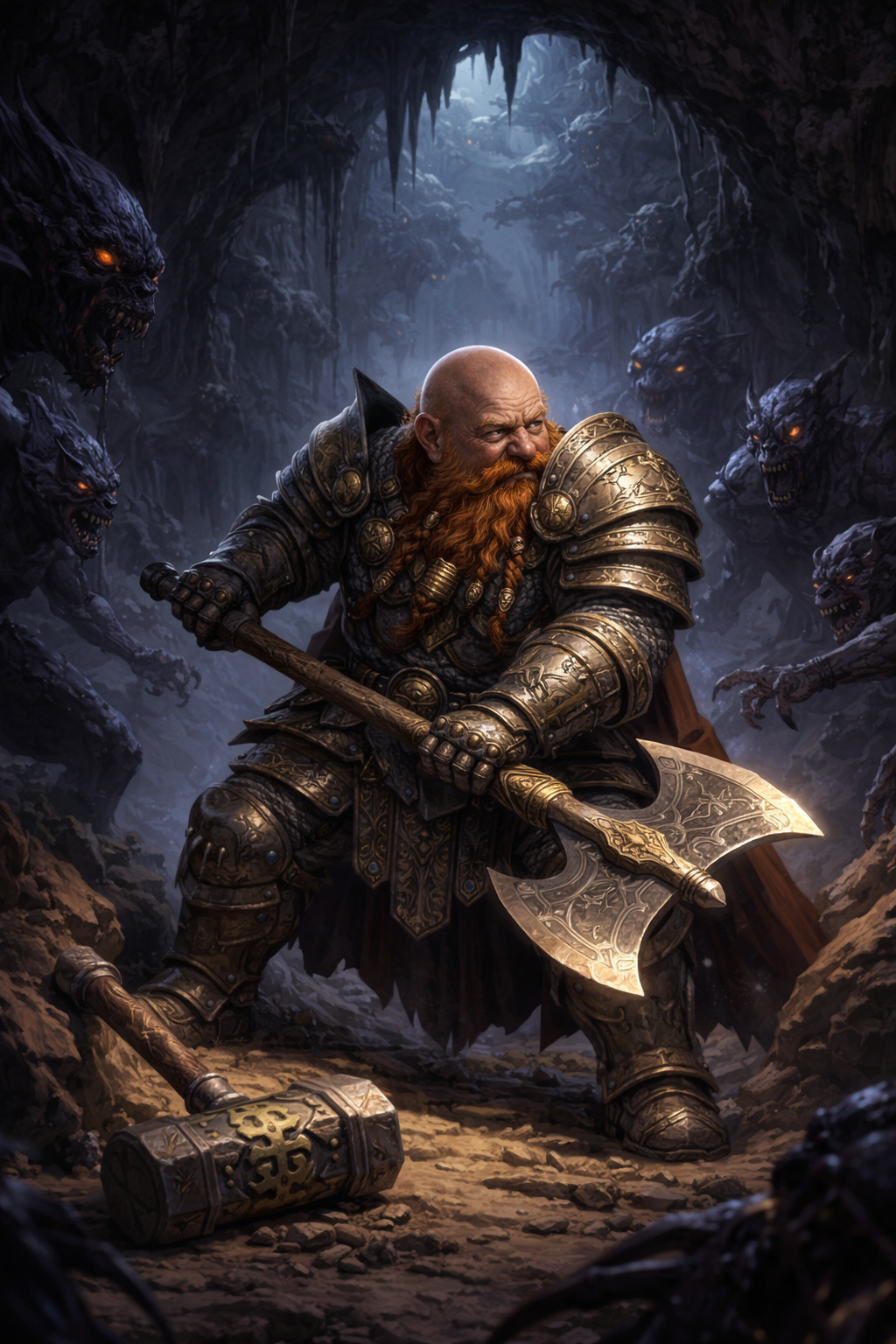

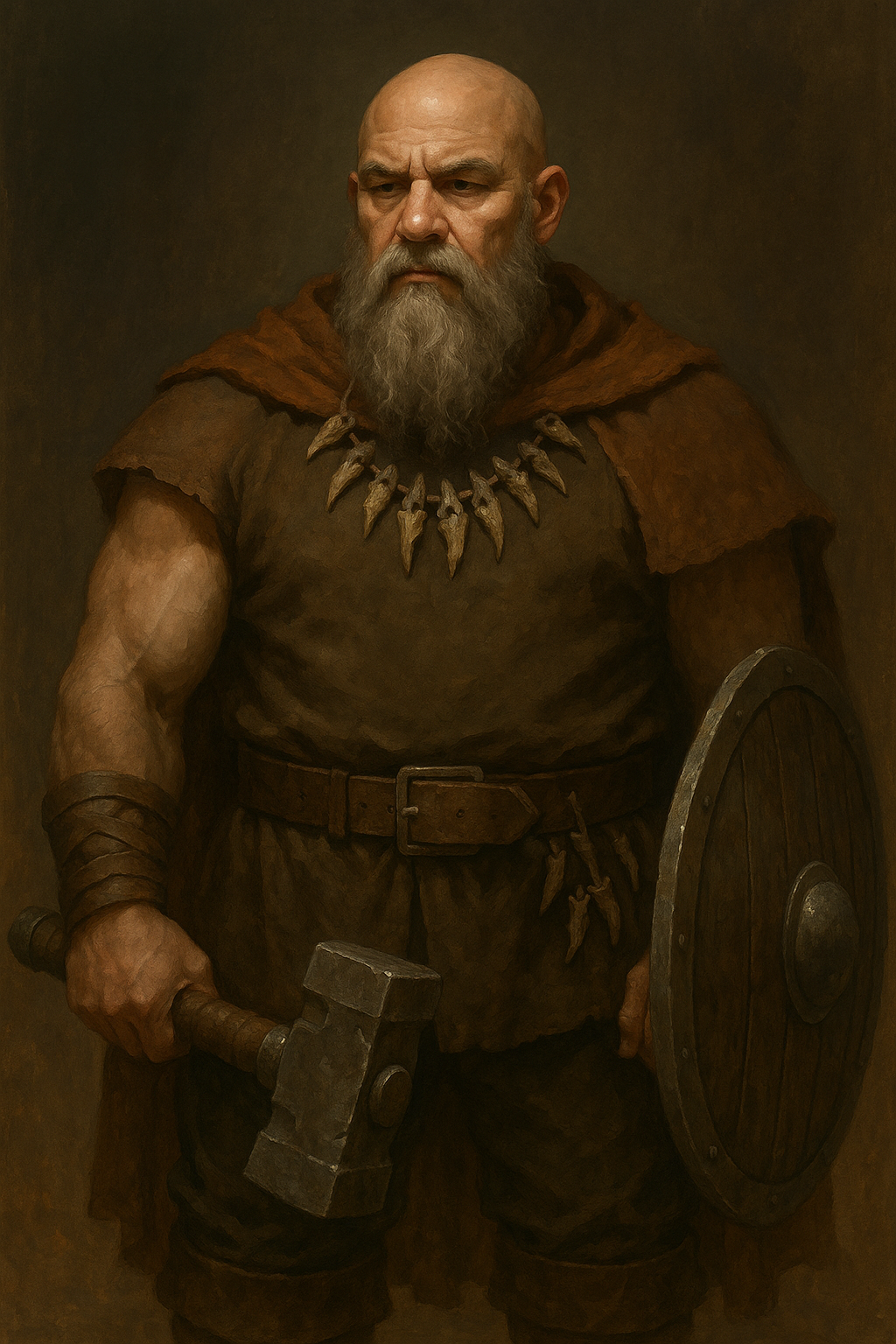
Listen, laddie. A Barbarian has one central responsibility.
Not stand at the back throwing handaxes.
Not spend three turns inspecting the architecture.
Not wander around the battlefield shouting while every enemy politely remains thirty feet away.
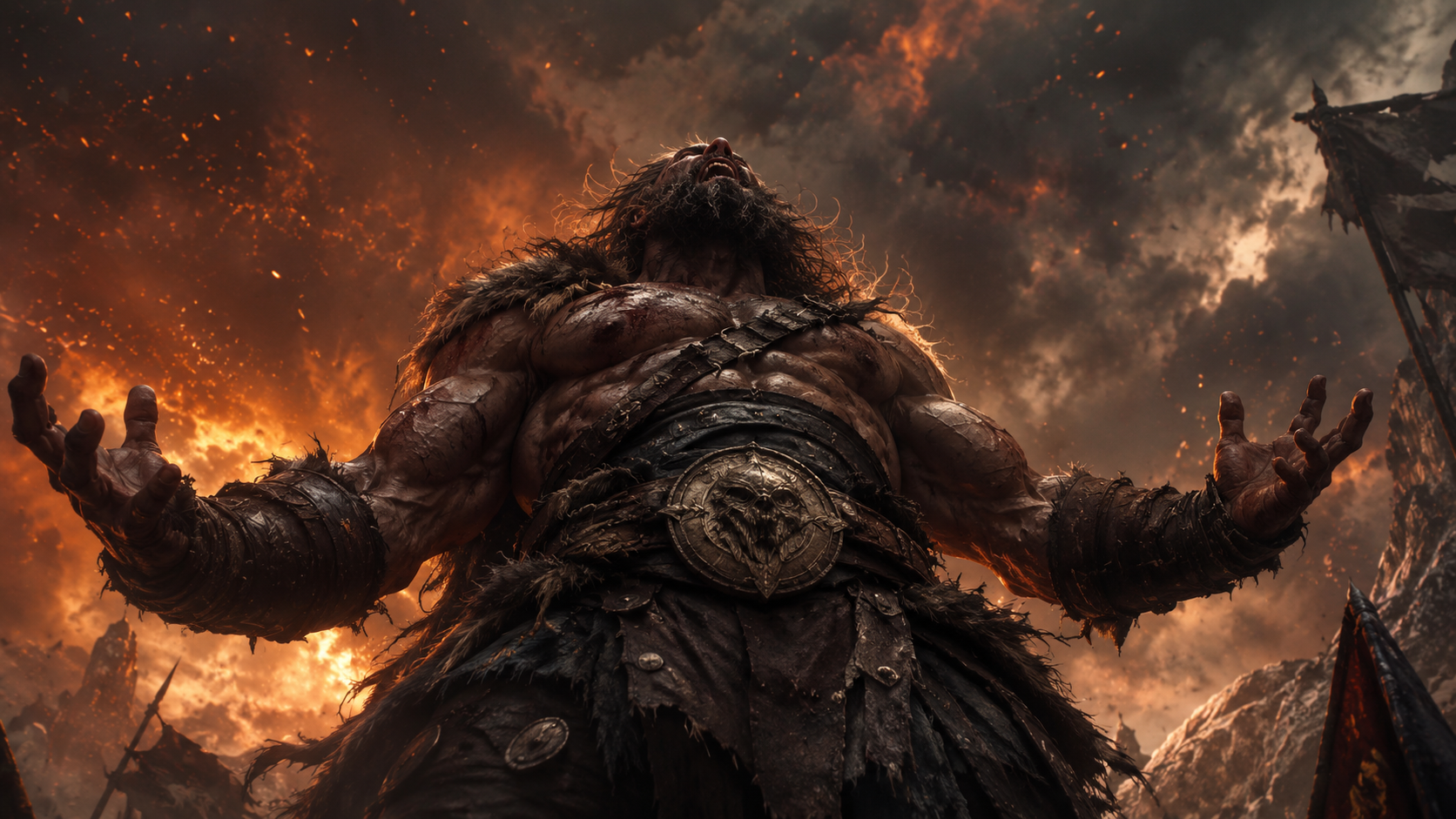
The Barbarian becomes powerful when the enemy can no longer choose where the fight happens. You reach the front line, seize control of the space around you, and start rearranging everyone who made the mistake of standing nearby.
Push enemies from ledges.
Drag them away from vulnerable allies.
Knock them onto the ground.
Force them toward the Fighter.
Move them into narrow passages.
If there is nowhere useful to throw them, put them somewhere inconvenient.
That is the core fantasy of this build.
You are not merely a damage dealer with an enormous health pool.
You are a raging engine of forced movement.
What Kind of Player Enjoys a Barbarian?
The Barbarian suits direct, energetic players who want to act decisively.
You may enjoy the class if you naturally ask:
Which enemy needs to be stopped immediately?
How quickly can I reach the front line?
Can I push that creature from the ledge?
Can I drag this enemy away from the Wizard?
Which position would be worst for my opponent?
Can I knock the target Prone for my allies?
What can I do when Rage is unavailable?
The Barbarian does not demand extensive spell memorisation or complicated resource combinations.
It rewards situational awareness.
You need to notice terrain, distances, vulnerable party members, escape routes, and dangerous drops. A Barbarian standing in an empty field is a durable damage dealer.
A Barbarian standing beside a bridge, staircase, ship railing, cliff, furnace, pit, or narrow doorway becomes a battlefield controller.
Is the Barbarian Good for Beginners?
Yes.
The Barbarian is one of the easiest classes to begin playing.
Its basic combat rhythm is clear:
Rage.
Close the distance.
Attack the most important nearby enemy.
Remain close enough to keep Rage active.
Use grapples, shoves, and positioning when they are more useful than damage.
The class has fewer moving parts than a Wizard, Cleric, or Paladin.
However, playing a great Barbarian requires more thought than simply attacking the nearest creature.
You must understand:
When to Rage
How to preserve Rage
When to use Reckless Attack
Which weapon mastery helps the situation
When to grapple or shove
How to exploit terrain
How to protect less durable allies
What to do when you cannot reach an enemy
How to remain useful between combats
The Barbarian is easy to operate.
It still rewards a player who studies the battlefield.
The Best Barbarian Build at a Glance
Our recommended build is the Path of the World Tree Battlefield Thrower.
This Barbarian uses Rage, speed, forced movement, grappling, and the World Tree’s positioning features to control where enemies stand.
Recommended Build
This build is not centred on standing still and exchanging attacks.
It is built around reaching the fight and deciding where the fight continues.
Why Choose Path of the World Tree?
Path of the World Tree supports the Barbarian’s ability to control space and protect the party.
At early levels, the subclass makes Rage useful to allies as well as the Barbarian. At later levels, it gains stronger positioning tools that can pull enemies into dangerous locations and limit their movement.
That fits our central strategy:
Rage immediately
Reach the enemy
Bring important targets closer
Stop them from escaping
Put them where the party can destroy them
The subclass also gives the Barbarian a support identity.
You are still the raging warrior at the front.
But your presence makes the entire party harder to break.
Ability Scores
Using the standard array, begin with:
Apply your background increases to raise Strength as high as possible, followed by Constitution.
Your priorities are:
1. Strength
Strength improves your melee attacks and weapon damage.
It also determines the saving throw difficulty when you attempt certain grapples and shoves through an Unarmed Strike.
This is important in 5.5e because grappling no longer depends on winning a contested Athletics check. The target normally makes a Strength or Dexterity saving throw against your escape DC.
Rage still helps Strength checks and Strength saving throws, but it does not directly increase that grapple or shove DC.
Raise Strength first.
2. Constitution
Constitution gives you more hit points and strengthens Unarmored Defense.
You are expected to stand close to enemies and absorb attacks.
Rage reduces certain incoming damage, but durability still matters.
3. Dexterity
Dexterity supports Armour Class, initiative, and saving throws.
Acting early helps you close the distance before enemies scatter or reach the party’s vulnerable characters.
Which Weapons Should You Carry?
Carry a maul, greataxe, and several javelins.
Maul
The maul deals 2d6 bludgeoning damage and carries the Topple mastery.
Topple can knock an enemy Prone after a successful hit if it fails the relevant saving throw.
A Prone enemy becomes easier for nearby melee allies to attack and must spend movement standing.
The maul therefore supports damage and battlefield control simultaneously.
Greataxe
The greataxe deals 1d12 slashing damage and uses Cleave.
Cleave is useful when enemies gather around you—which they often will, because you are the loudest and most obvious threat on the battlefield.
Javelins
Javelins give you something useful to do when the enemy is out of reach.
They are not the centre of the build.
They are insurance against spending an entire turn glaring angrily at a flying creature.
Rage Is the Build
Your Rage is not a small bonus added to the Barbarian.
It is the state in which the class operates properly.
Rage improves damage with Strength-based attacks, grants resistance to common weapon damage, and activates important class and subclass features.
When a meaningful battle begins, Rage should usually be your first Bonus Action.
Do not save every Rage for a hypothetical future fight while allowing the current battle to injure the entire party.
At the same time, do not Rage because someone spilled ale on your boot during a harmless conversation.
Ask:
Is this a real combat encounter?
Am I likely to receive or make attacks?
Will resistance meaningfully reduce damage?
Will the battle last long enough to justify the resource?
Does my subclass feature make Rage especially valuable here?
Your build revolves around Rage.
Your judgment determines whether it is available when needed.
Close the Distance Immediately
A Barbarian who cannot reach the enemy cannot perform the class’s primary job.
Your first movement decision should answer:
How do I reach the most important enemy without abandoning the party?
Use your movement aggressively.
Position yourself between dangerous enemies and vulnerable allies.
Take advantage of the Barbarian’s improved speed as you advance.
If an enemy is slightly beyond your reach, consider whether Dashing is better than making an ineffective ranged attack.
Sometimes spending one turn reaching the correct location produces more value than spending several turns throwing weak attacks from the wrong one.
Do not confuse closing the distance with charging blindly.
The goal is to reach a position that matters.
Can You Still Throw Enemies in 5.5e?
Yes—but the ordinary rules describe this as shoving, grappling, and dragging, not freely throwing enemies across the battlefield.
Through an Unarmed Strike, you can attempt to:
Deal damage
Grapple a creature
Shove a creature 5 feet
Knock a creature Prone
The target receives a saving throw against the grapple or shove attempt.
If you grapple a creature, you can move while dragging or carrying it, but your speed is normally reduced unless the target is sufficiently smaller than you.
This creates the basic Barbarian throwing sequence:
Rage.
Reach the target.
Grapple it.
Drag it toward a dangerous position.
Shove it 5 feet over the edge on a later attack or turn.
You may also shove an enemy immediately if it is already standing beside the drop.
What you cannot automatically do is pick up an enemy and throw it thirty feet into another creature for free damage.
That requires a specific ability or the Game Master’s permission.
The Ledge Test
Every time combat begins, look for:
Cliffs
Pits
Ship railings
Windows
Balconies
Staircases
Fire
Dangerous magical areas
Narrow bridges
Difficult terrain
Spells created by party members
Then ask:
“Where would this enemy least like to stand?”
That is where you take it.
A Wizard may create a dangerous spell effect.
A Cleric may establish a protected area.
A Fighter may hold a narrow passage.
Your job is to place enemies where those tools become more effective.
For more on making positioning matter, read Why Position, Timing and Target Choice Matter More Than Weapon Stats.
Throw Enemies Toward the Party
Not every battlefield has a bottomless abyss.
When no environmental hazard exists, reposition enemies for the party.
You can:
Pull an enemy away from the Wizard
Push an enemy toward the Fighter
Knock a target Prone beside several melee allies
Drag an enemy away from cover
Move a creature out of a doorway
Place an enemy where it cannot easily escape
Break an enemy formation
Separate one opponent from its allies
You generally cannot throw one creature into another under the basic rules and automatically damage both.
However, you can still put opponents next to each other so the party’s area attacks, Cleave effects, or control spells become more valuable.
The result is similar.
You are arranging the battlefield for everyone else.
Open the Pit, Laddie
Before continuing, identify your Barbarian’s three default moves:
If the enemy is beside a hazard, I shove.
If the enemy threatens an ally, I grapple and drag.
If the enemy is already in the correct position, I attack.
These three responses prevent you from treating every situation as an identical weapon exchange.
Players still developing their character’s full mechanical foundation can follow How to Build a D&D 5e Character Step by Step.
When Should You Use Reckless Attack?
Reckless Attack makes your Strength-based attacks more accurate by granting Advantage, but it also makes attacks against you more accurate for a time.
Use it when:
A dangerous enemy must be hit now
You expect resistance from Rage to absorb incoming damage
The target is likely to fall before retaliating
Several missed attacks would be more dangerous than receiving damage
Drawing enemy attention protects a vulnerable ally
Avoid using it automatically.
If six enemies can attack you, granting all of them an easier target may overwhelm even a raging Barbarian.
Reckless Attack helps weapon attacks.
It does not directly improve a shove or grapple that forces the target to make a saving throw.
How to Play the Build in Combat
Rage Early
Activate Rage at the beginning of a meaningful battle.
Your durability, damage, and subclass identity depend on it.
Reach the Important Enemy
Do not simply attack the nearest creature if another opponent is threatening the entire party.
Close the distance to the enemy that matters.
Read the Terrain
Look for dangerous edges, narrow routes, spell effects, and isolated targets.
Decide Between Damage and Control
Attack when damage solves the problem.
Shove when position solves it faster.
Grapple when an enemy must be moved or prevented from escaping.
Remain Engaged
The 5.5e Rage rules are more forgiving than their older form, but you should still keep participating actively. Continue attacking, forcing saves, moving toward danger, or using the available methods to extend Rage.
Protect the Party
Your durability gives you permission to occupy dangerous space.
It does not give you permission to ignore everyone else.
What Should You Do When You Cannot Rage?
Every Rage is a limited resource.
When you are not raging, you remain a strong martial character.
You can still:
Attack with a heavy weapon
Use Weapon Mastery
Grapple or shove
Block a doorway
Carry injured allies
Break physical obstacles
Scout for terrain that can be exploited
Use Strength during exploration
Throw javelins
Help another character
Intimidate or negotiate when appropriate
Do not become useless merely because Rage is unavailable.
The Barbarian’s physical abilities exist all day.
Rage turns those abilities into something terrifying.
What Should You Do at Level 4?
Increase Strength.
Strength improves your weapon attacks, damage, shove DC, and grapple DC.
Once Strength is strong, increase Constitution or consider a feat that supports movement, durability, unarmed combat, or forced movement.
Tavern Brawler may suit the character concept if your table allows it and you frequently use Unarmed Strikes and improvised weapons.
However, do not choose a feat solely because it sounds like it lets you throw every creature in the Monster Manual.
Read the exact effect.
Build around what the rules actually provide.
The Barbarian Outside Combat
A Barbarian should not disappear whenever initiative ends.
Your Strength and physical courage remain useful during exploration.
You can:
Force open doors
Move heavy obstacles
Climb dangerous surfaces
Carry wounded companions
Clear blocked pathways
Stabilise ropes and bridges
Intimidate hostile creatures
Protect the group during travel
Notice or track threats through appropriate skills
Use Primal Knowledge to support certain ability checks while raging
You can also be the party member who acts when everyone else becomes trapped in discussion.
That does not mean overruling the group.
It means offering a concrete next step.
For practical advice on turning party discussions into useful action, read The One Habit That Instantly Makes You a Better Player.
Common Barbarian Mistakes
Forgetting to Rage
Your build revolves around Rage.
Use it in meaningful fights.
Raging Too Late
Activating Rage after receiving several attacks wastes its defensive value.
Throwing Weak Weapons All Battle
Javelins are backup tools.
Close the distance.
Believing Grappling Automatically Means Throwing
The standard rules allow grappling, dragging, shoving, and knocking targets Prone.
More dramatic throws require a feature or GM ruling.
Attacking When a Shove Would Win
An enemy with one hundred hit points can still fall from a cliff.
Use the terrain.
Charging Away From the Party
Control enemies near something worth protecting.
Using Reckless Attack Automatically
Advantage is useful.
Giving an entire enemy group Advantage against you may not be.
Refusing to Act Without Rage
You are still a strong warrior.
Find another way to contribute.
The Best Barbarian Controls Where the Battle Happens
The Path of the World Tree Battlefield Thrower succeeds because it understands that the Barbarian’s greatest resource is not merely damage.
It is physical authority.
You reach the enemy.
You survive beside it.
You stop it from moving freely.
You pull it away from vulnerable allies.
You push it toward danger.
You knock it down where the party can reach it.
And when the battlefield offers a cliff, railing, pit, bridge, or open window, you give the enemy a very brief opportunity to reconsider its life decisions.
Raise Strength.
Protect Constitution.
Carry a maul, greataxe, and javelins.
Rage early.
Close the distance.
Then decide whether the enemy needs to be attacked, dragged, knocked down, or removed from the battlefield entirely.
Hurl the Fight in Yer Favour
Before Session 1, discuss grappling, shoving, forced movement, falling, environmental damage, and improvised actions during a proper D&D Session 0.
This is especially important for a character built around creative physical actions. The player and GM should agree on where the written rules end and where improvised rulings begin.
The Barbarian fantasy is not thoughtless violence.
It is decisive physical action.
You see where the battle must move.
Then you grab hold of it and put it there.
Learn more about Mike’s Tavern, browse the Tavern FAQ, or contact the Tavernkeeper when yer raging adventurer needs a firmer ruling.
Questions to Ask Before Playing a Barbarian
Am I using Rage during the fights where it matters?
How will I close the distance?
Where is the nearest dangerous piece of terrain?
Should I attack, grapple, or shove?
Can I move an enemy away from a vulnerable ally?
Am I using Reckless Attack deliberately?
What will I do when Rage is unavailable?
Have I discussed improvised throws with the Game Master?
