Casual Community Hubs vs Competitive Play Venues: Where Do Long Campaigns Survive Longer?
Not every tabletop venue wants the same thing from players.
Some places want community first.
Others want competition first.
That difference changes everything about how a long campaign feels after month three, month six, or year one.
A casual community hub usually focuses on comfort, social connection, regulars, and relaxed play. A competitive play venue usually focuses on events, tournaments, rankings, organized play, high player turnover, and stronger performance culture.
Neither approach is wrong.
But long campaigns tend to survive differently inside each environment.
That is why the Tavern Network matters. A smart GM should not only ask whether a venue has tables. They should ask what kind of tabletop culture the venue naturally creates.
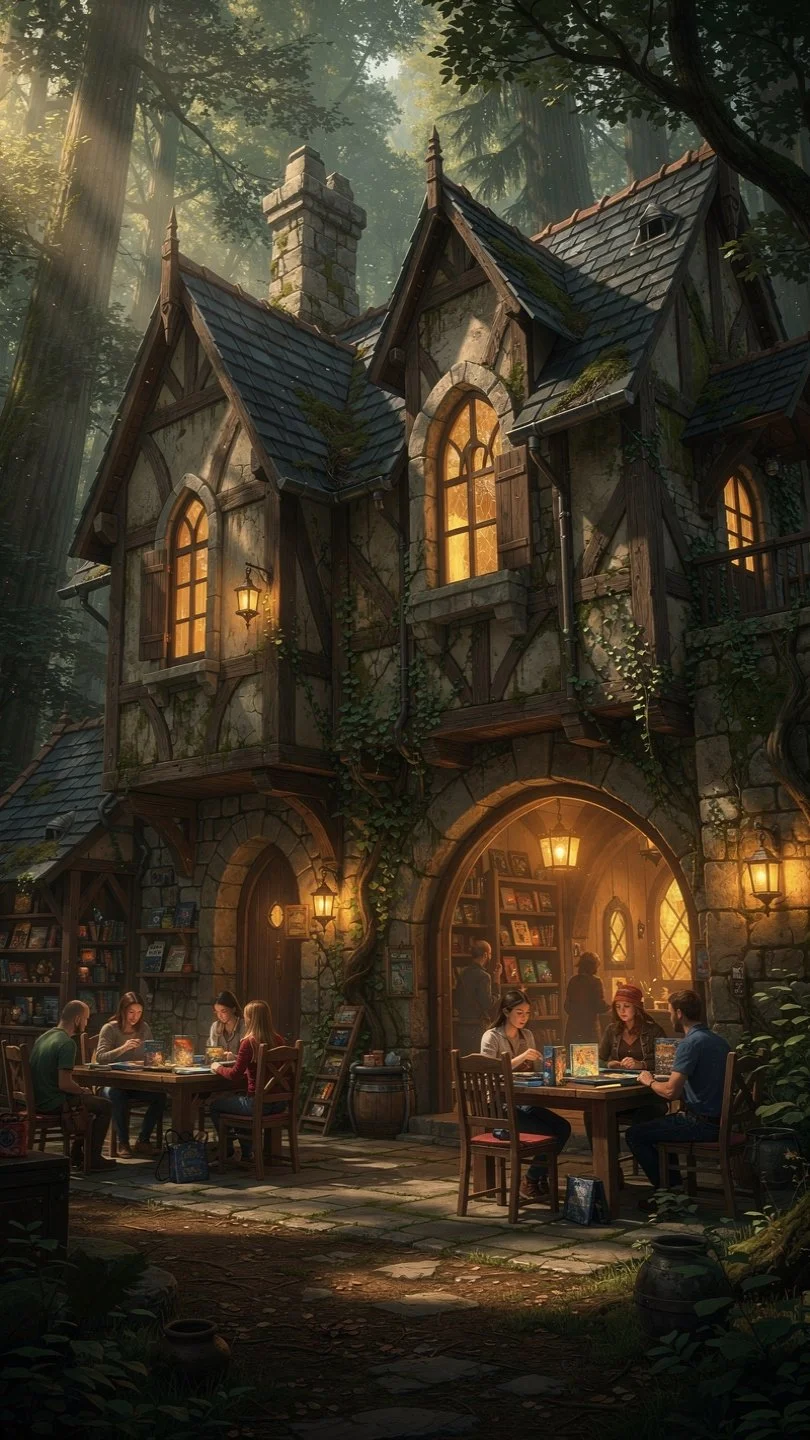
Casual Community Hubs Usually Support Long Campaigns Better
Most long campaigns survive through emotional consistency.
Not optimization.
Not perfect rules knowledge.
Not tournament energy.
People return because they feel comfortable, welcomed, relaxed, and emotionally connected to the table.
That is exactly what casual community hubs are usually built for.
Places like Meeples Games West Seattle, Good Game Banbury, and The Attic Fürth represent the sort of spaces where long-form tabletop culture often grows naturally.
These places usually reward regular attendance, friendly behavior, slower campaigns, and familiar faces. Players settle in. Staff recognize people. The campaign slowly becomes part of the venue’s weekly rhythm.
That matters more than many GMs realize.
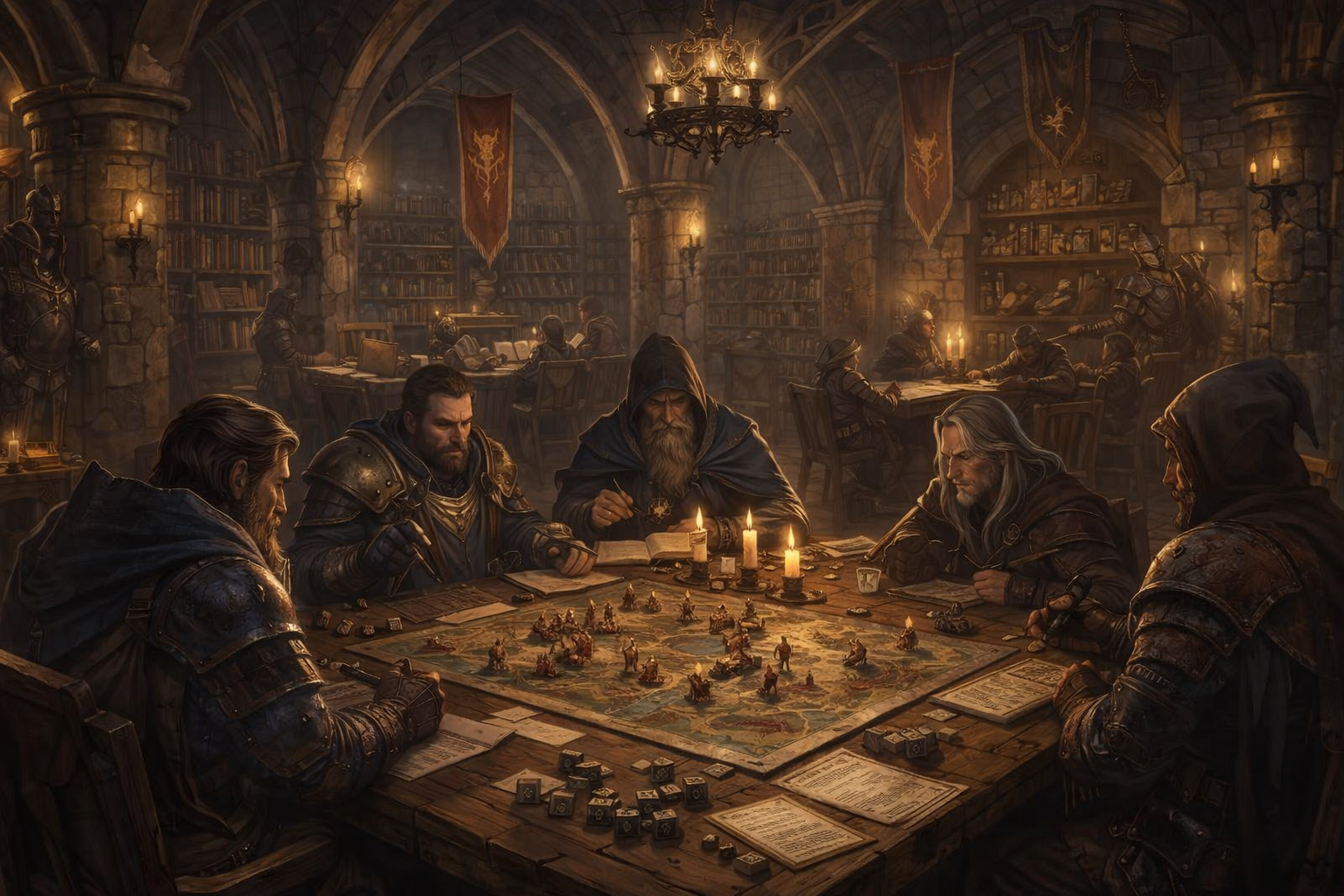
Competitive Play Venues Often Create Stronger Short-Term Energy
Competitive venues create excitement.
There is noise, movement, tension, organized events, and often a stronger “serious player” culture. Players may feel motivated to improve, optimize, or perform well socially and mechanically.
For one-shots, organized play nights, miniatures games, card tournaments, and highly tactical campaigns, this energy can be excellent.
Venues like Great Escape Games Sacramento and It’s Gametime Los Angeles show how exciting active gaming spaces can feel when players enjoy that atmosphere.
But long campaigns are emotionally different from competitive events.
A campaign needs steadiness more than intensity.
Casual Hubs Usually Handle Player Mistakes Better
Long campaigns survive because players feel safe enough to fail.
New players forget rules. People roleplay awkwardly. Someone misses clues. Someone makes a weak combat decision. Someone has a stressful week and cannot focus properly.
Casual community hubs are usually more forgiving environments for this.
The social expectation is often “come enjoy the hobby.”
Competitive venues sometimes carry stronger pressure to know the rules, optimize decisions, play quickly, or keep pace with more experienced regulars.
That pressure can quietly exhaust players over time, especially beginners.
If yer group includes newer adventurers, Playing Your First RPG: What It Feels Like When You Don’t Know What to Do and How to Enjoy D&D Without Being the Loudest Person in the Room fit naturally beside this kind of venue discussion.
Competitive Venues Can Accidentally Encourage Table Friction
This does not happen everywhere.
But it happens enough that smart GMs should notice it.
In strongly competitive environments, players sometimes become more focused on mechanical efficiency, rules debates, optimization, winning encounters, or proving system knowledge.
That energy can slowly shift the table away from collaborative storytelling and toward subtle social competition.
One optimized player may start dominating decisions. Another player may begin feeling “less useful.” A GM may start designing encounters around challenge instead of enjoyment.
Eventually the campaign feels less like a shared story and more like a performance review with dice.
That is why articles like Why Power Builds Fail When the Party Falls Apart and The Helpful Player vs The Helpful Backseat GM: How to Tell the Difference matter so much in long-term groups.
Casual Community Hubs Usually Support Better Emotional Safety
A long campaign eventually becomes personal.
Players become attached to characters. Emotional scenes happen. Tension happens. Vulnerability happens. Sometimes real-life stress follows players into the room.
Casual community hubs usually provide a better environment for emotional flexibility. The atmosphere is often slower, friendlier, and less performative.
That makes it easier for shy players, autistic players, anxious players, female players, and roleplay-heavy groups to settle in comfortably over time.
This connects closely with The Right D&D GM Won’t Fix Ya, But He’ll Hold Space While Ya Mend and The Strongest Character at the Table Is the One Who Listens. Campaign survival is often more emotional than mechanical.
Competitive Venues Are Better for Certain Kinds of Campaigns
Not every campaign wants softness.
A tactical dungeon crawl, high-lethality campaign, tournament-style adventure, or combat-heavy system can thrive in a more competitive environment. Some groups genuinely enjoy intense challenge, optimization, efficient play, and strategic pressure.
For those groups, a highly casual venue may actually feel too slow or unfocused.
The important thing is honesty.
Does yer party want emotional immersion?
Or do they want high-performance gameplay?
Different venues support different answers.
The Smart GM Watches the Players, Not Just the Venue
The biggest mistake is assuming the venue alone determines success.
The players matter more.
Watch the table after each session.
Do players leave energized or drained?
Do quieter players speak less in competitive spaces?
Does the group become kinder or harsher over time?
Does the venue encourage cooperation or performance?
The right venue is the one that helps the specific group keep returning willingly.
That is all that matters.
Final Word from the Tavern
Competitive venues create excitement.
Casual community hubs create stability.
And long campaigns usually survive on stability.
Most campaigns do not die because the encounters were weak. They die because people slowly stop feeling comfortable, welcomed, relaxed, or emotionally connected to the table.
That is why so many lasting campaigns grow best inside spaces where community matters more than performance.
If yer party is still searching for the right atmosphere, start with Mike’s Tavern, browse the Tavern Network, check the Mike’s Tavern FAQ, or reach out through the Contact Page. A long campaign deserves more than just an empty table.
More Tavern Network Goodness