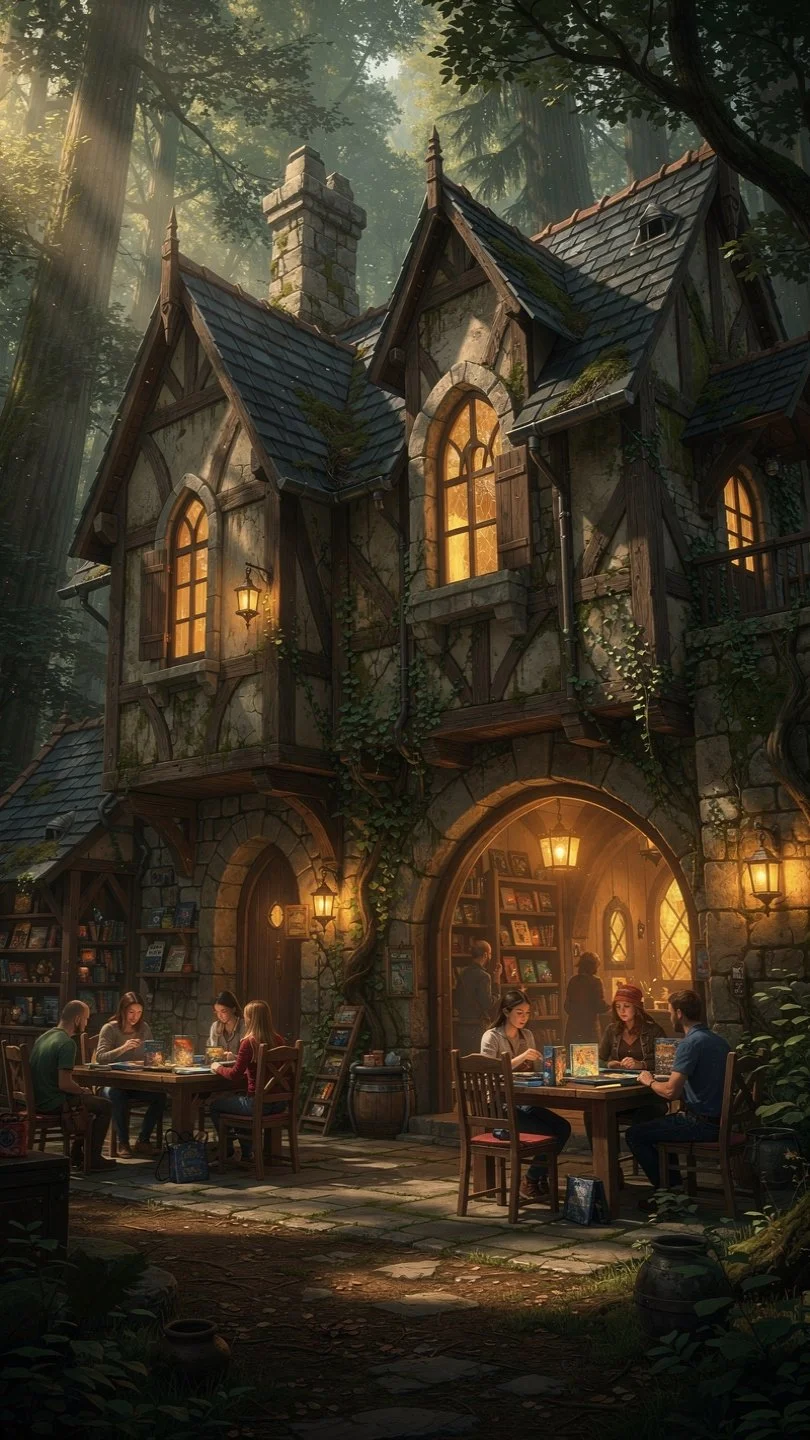
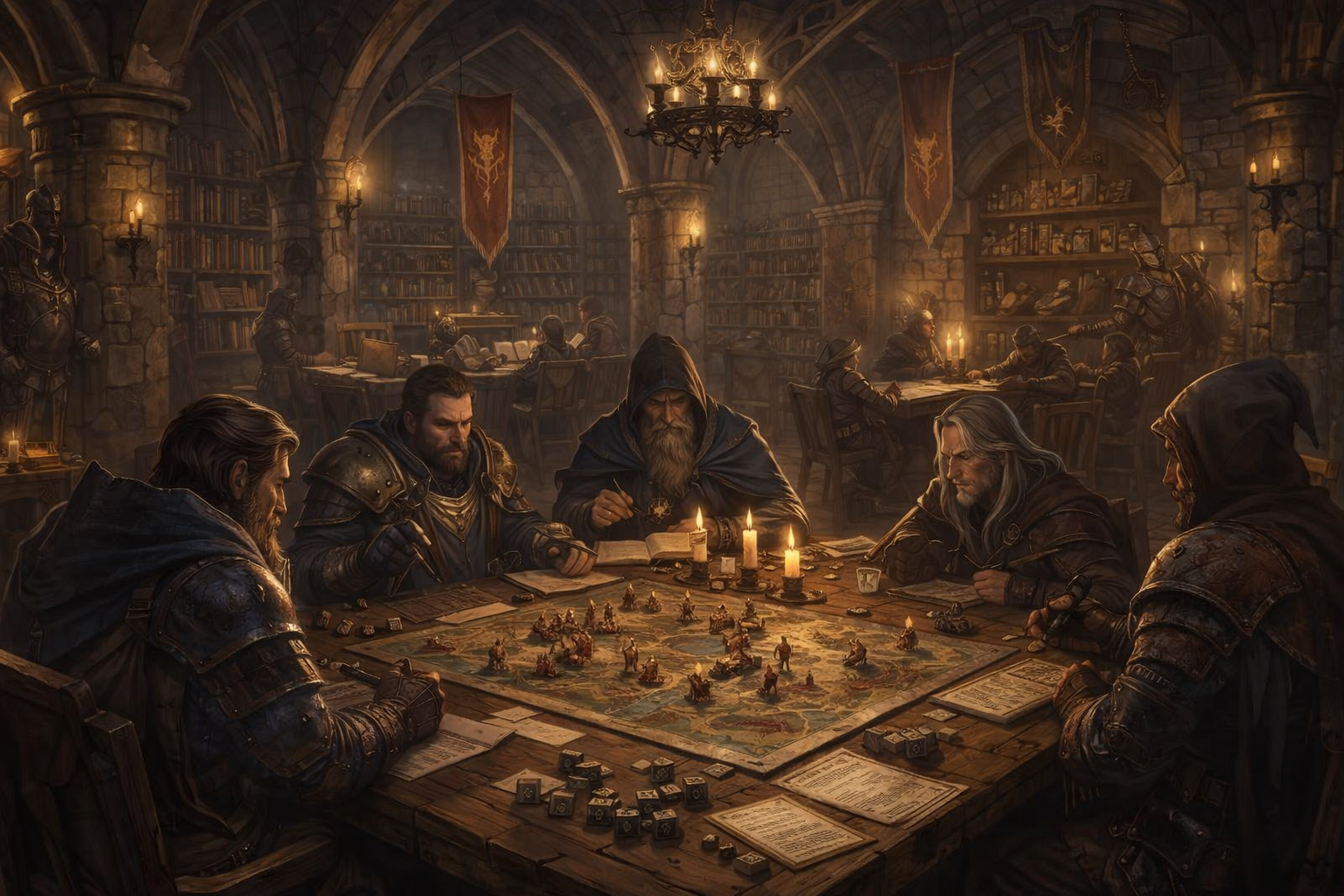
Top 7 Ways to Find a D&D Venue That Actually Supports Long Campaigns
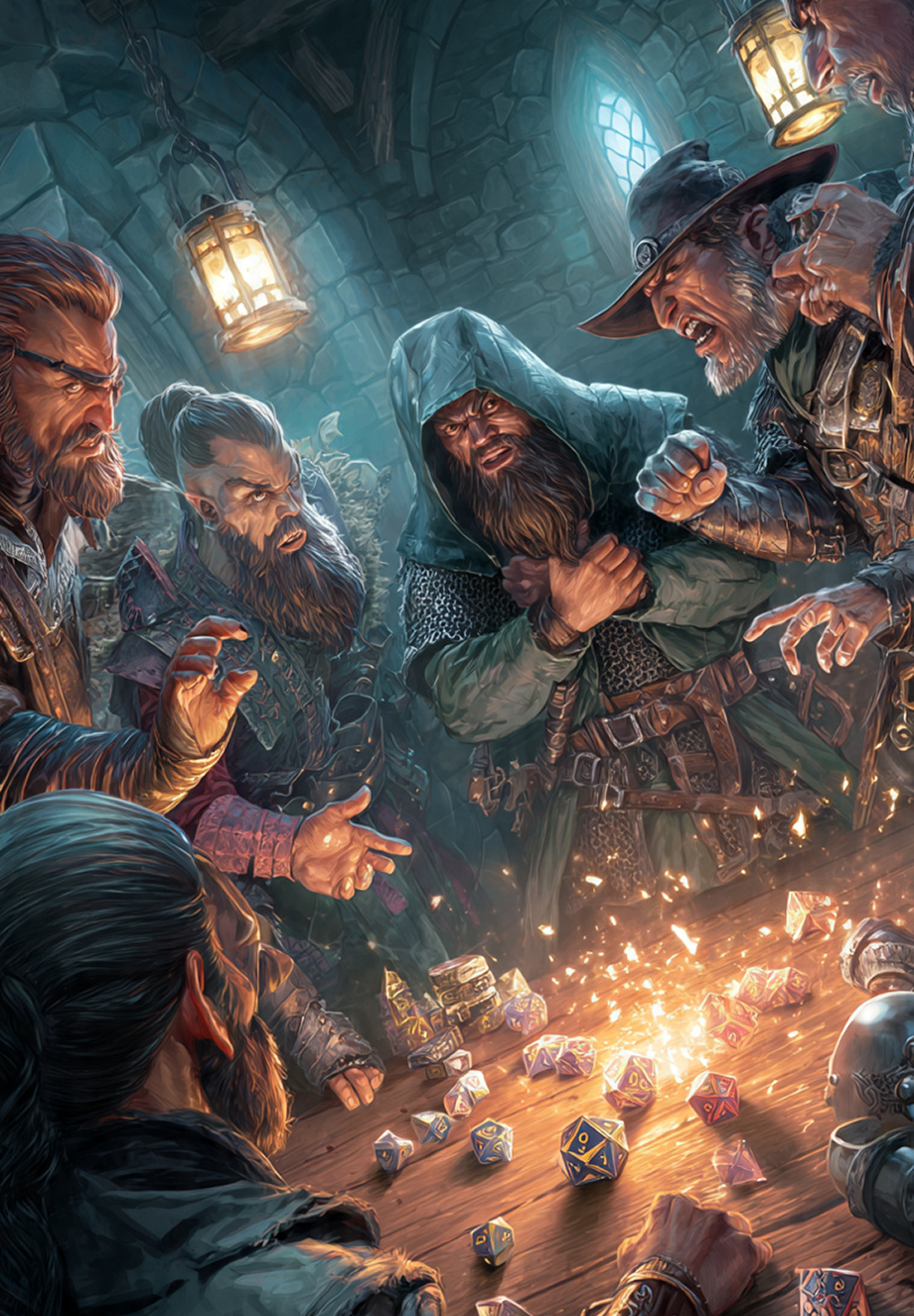
A one-shot can survive almost anywhere. A noisy café table. A borrowed corner. A back room with three chairs and a wobbly table.
A long campaign is different.
If yer party is meeting for months, maybe even years, the venue becomes part of the campaign itself. It affects comfort, safety, cost, consistency, mood, and whether players actually want to keep coming back. That is why Mike’s Tavern and the Tavern Network exist in the first place: adventurers should not have to blindly guess where the good tables are.
Here are seven ways to find a D&D venue that can actually support a long campaign.
1. Check Whether the Venue Feels Safe for the Whole Party
Before booking a recurring table, scout the place.
Not just for space. Not just for food. Scout it for people.
A good D&D venue should feel safe for everyone at the table, especially newer players, younger players, and female players who may be more alert to uncomfortable behavior in public gaming spaces. Look at how staff handle customers. Look at whether the crowd feels welcoming or territorial. Look at whether there are clear rules, visible staff, and enough lighting around the entrance and seating area.
A venue does not need to feel fancy. It needs to feel controlled, respectful, and safe enough that players can relax into the story.
This is one reason the Tavern Network matters. Venues like ME Cafe & Games Singapore Review — A Cozy Tanjong Pagar Gaming Café for Board Games, Consoles & Mahjong and The Attic Fürth Germany — A Local Game Store That Actually Feels Like a Community help show what a more community-oriented atmosphere can look like.
If yer table struggles with comfort, communication, or player tension, articles like Good Tables, Bad Tables Part 1 — Signs You’re at a Healthy D&D Table and The Strongest Character at the Table Is the One Who Listens are worth reading before committing to a long-term campaign space.
2. Compare the Price Against the Local Standard
A campaign venue must be affordable enough to repeat.
In Singapore, many players are comfortable around the $8 to $12 range per session if the environment is clean, comfortable, and campaign-friendly. Some venues include drinks or snacks. Others charge by hour or by table block instead.
The important part is not finding the absolute cheapest venue. It is finding a place where the entire party can realistically keep showing up for six months or longer without feeling drained financially.
For example, Pixels & Pieces Singapore — A 24-Hour Gaming Café That Actually Gets It represents the sort of venue many long-session players look for: accessible, gamer-oriented, and designed for people staying awhile rather than rushing out after one hour.
3. Ask Whether the Venue Supports Long Sessions
D&D rarely ends neatly on schedule.
Boss fights run long. Players roleplay longer than expected. Someone always opens the wrong door twenty minutes before the session is supposed to end.
That is why campaign venues need flexibility.
A good venue should allow longer bookings, reasonable extensions, and enough stability that the party does not feel pressured every fifteen minutes. Places like Metro Seattle Gamers Review — A Private Tabletop Clubhouse With a Massive Library & Deep Strategy Roots stand out because they are built around tabletop culture instead of treating RPG players like temporary café traffic.
If yer GM is still learning how to manage pacing and long-form campaign flow, Running Your First Game — Keeping the Game Moving When Players Freeze can help smooth out the rough edges between sessions.
4. Test the Comfort Level Before Committing
A chair becomes very important after hour three.
Check the basics carefully. Are the chairs comfortable? Is the lighting good enough for books and character sheets? Is the table wide enough for minis, dice trays, drinks, and laptops? Is the room unbearably loud?
A long campaign asks players to return repeatedly. Even small discomforts become exhausting over time.
That is why so many strong community venues succeed. Places like Sliced N Diced Birmingham — A Proper Board Game Café With Heart and Meeples Games — A Cozy Board Game Café & Tabletop Haven in West Seattle understand that comfort matters just as much as shelf inventory.
5. Look for Noise Control and Table Privacy
Some campaigns thrive in loud public halls. Others collapse the moment players cannot hear each other.
A proper long-term venue should support the style of game yer group actually runs. Horror campaigns, political intrigue, emotional roleplay, and heavy tactical sessions all benefit from quieter environments.
Private rooms are ideal, but even partial separation helps. A quieter back section or dedicated RPG table can massively improve immersion.
This is why random venue hunting often fails. The Tavern Network is meant to help adventurers search based on atmosphere and suitability, not just geography.
6. Watch How the Staff Treat Tabletop Players
Some venues welcome RPG groups.
Others merely tolerate them.
Watch how staff react to long bookings, dice trays, miniatures, and roleplay-heavy groups. Do they seem patient? Do they understand campaign pacing? Do they communicate clearly about booking rules and pricing?
The best venues make adventurers feel like regulars instead of inconveniences.
That community-first feeling is a major reason venues like Good Game Banbury Review — A High Street Board Game Café That Feels Like a Real Community Hub and Games Island — A Tabletop Haven for Adventurers in Hof, Germany matter.
7. Choose a Place Players Want to Return To
The final test is simple.
After session one, ask the party whether they genuinely want to come back next week.
If the answer feels hesitant, pay attention. Maybe the chairs hurt. Maybe the environment felt unsafe. Maybe the noise was exhausting. Maybe one player quietly felt uncomfortable walking back to their car or train station late at night.
Long campaigns survive on consistency.
The right venue strengthens the campaign. The wrong venue slowly wears it down.
That is the real purpose behind the Tavern Network: helping adventurers stop gambling on random tables and start finding places worth building stories in. If yer still unsure where to begin, the Mike’s Tavern FAQ and Contact Page can help point ya toward the next step.
Final Word from the Tavern
A proper D&D venue should be safe, fairly priced, comfortable, welcoming, and capable of supporting the kind of campaign yer group actually wants to run.
A random table might survive a one-shot.
A long campaign deserves better than random.
More Tavern Network Goodness