How to Run a D&D Session 0 When Your Group Already Knows Each Other

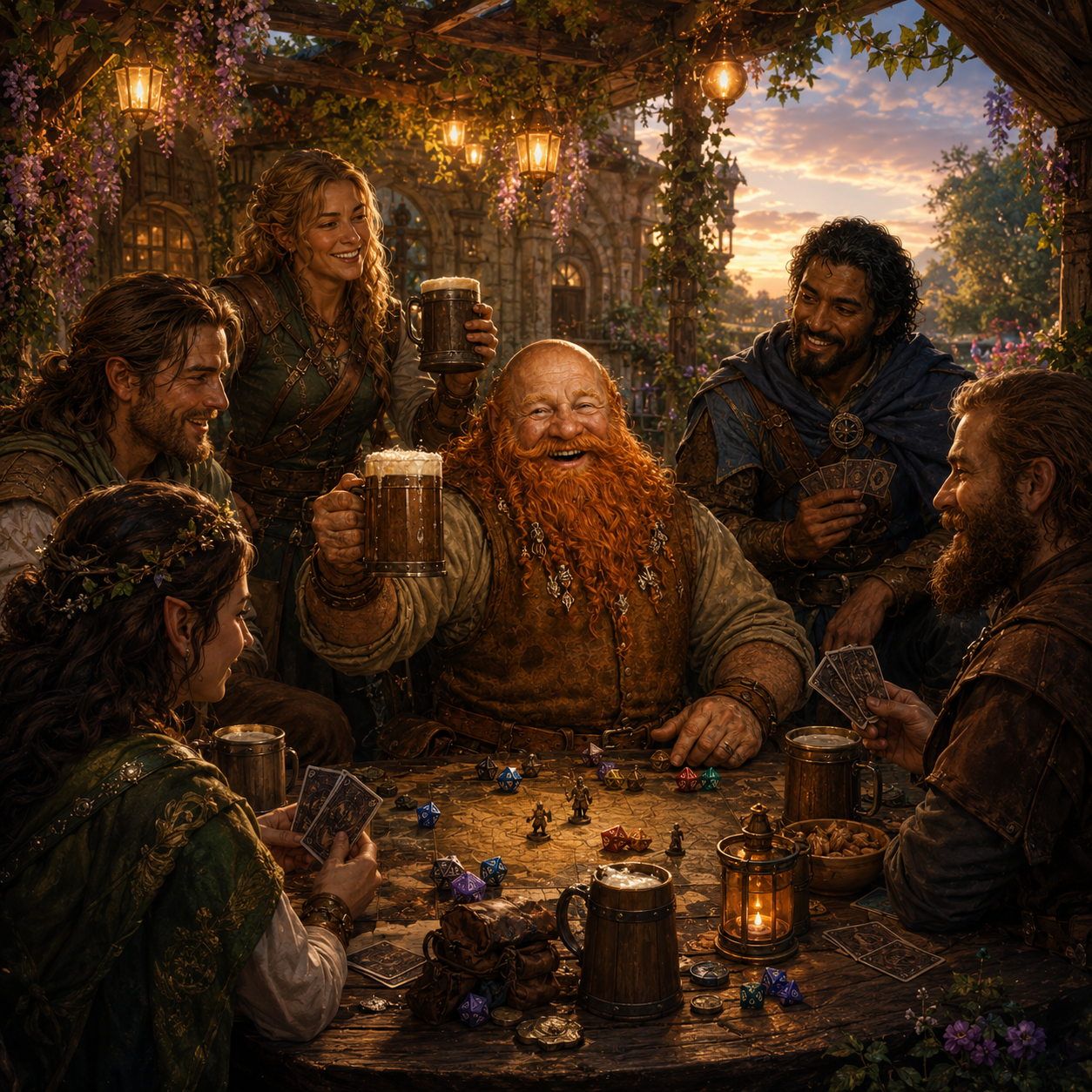
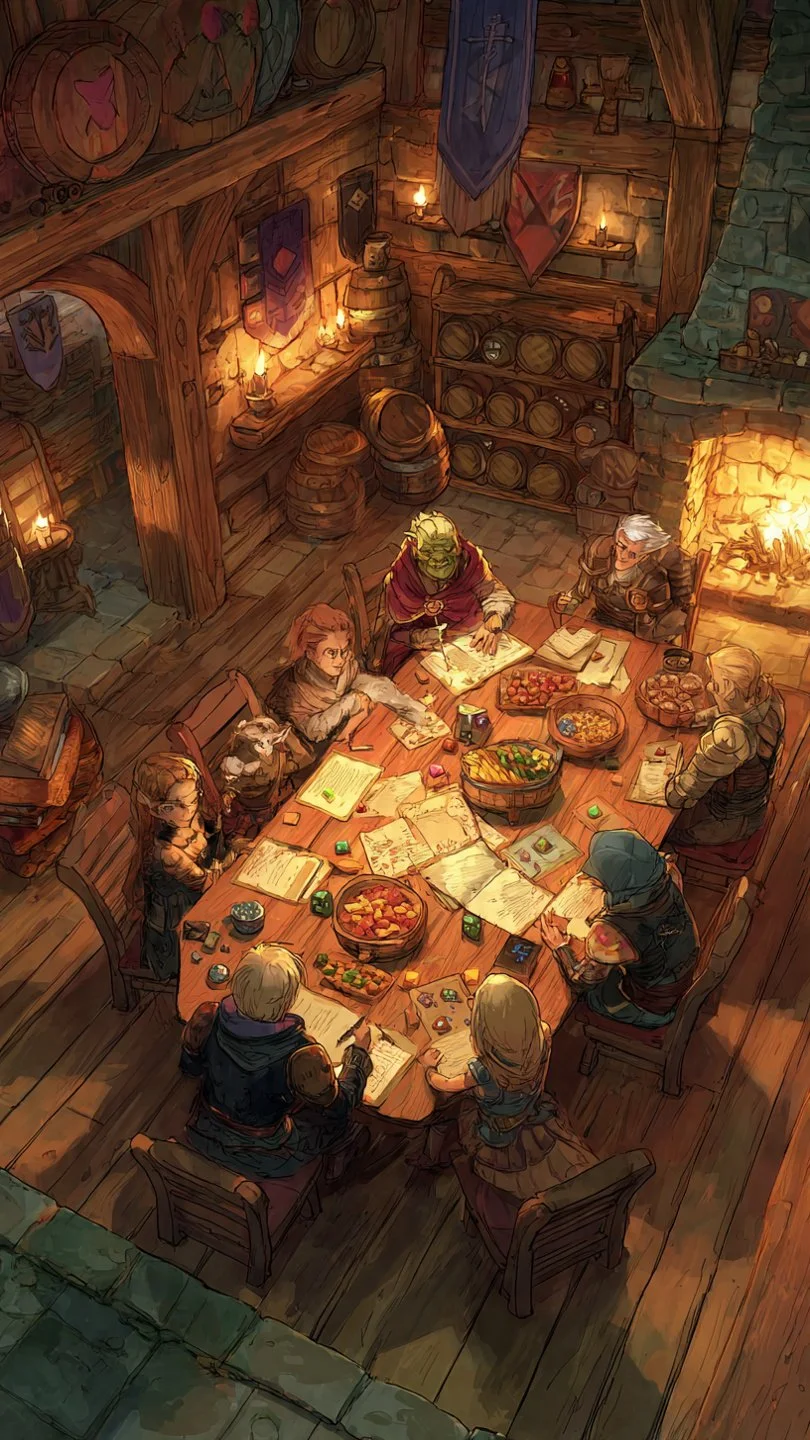
Listen, laddie. Knowing the people at the table does not mean knowing the campaign they want to play.
You may have shared six adventures, twelve birthdays, three disastrous holidays, and enough late-night arguments to fill a wizard’s forbidden archive. That still does not tell you whether everyone wants political intrigue, tactical combat, heroic fantasy, dark horror, or three hours of tavern nonsense involving a suspicious goat.
By Trickin’s cursed coin purse, friendship is not campaign alignment.
When a group already knows one another, Session 0 should not be skipped. It should be adjusted.
You do not need to introduce everyone or explain basic table manners from the beginning. You do need to confirm that old habits, previous rulings, and assumptions from earlier campaigns still belong in the new one.
The greatest danger is not unfamiliarity.
It is believing there is nothing left to discuss.
Familiarity Creates Its Own Blind Spots
New groups know they need to communicate.
Established groups often believe communication has already happened.
“We always play this way.”
“Everyone knows what I mean.”
“We have never needed a formal discussion before.”
Those statements may be true until one person wants something different.
A player who loved chaotic comedy two years ago may now want a more serious campaign.
A Game Master who once enjoyed preparing enormous sandboxes may now need a focused adventure because work has become busier.
A player who previously attended every week may now have family responsibilities.
Someone who once enjoyed player-versus-player conflict may be tired of watching every party become suspicious and divided.
People change between campaigns.
A new campaign therefore needs a new agreement.
Even an experienced group should begin by reviewing what a D&D Session 0 is meant to accomplish: alignment before adventure, not merely character creation.
Do Not Run a Nostalgia Meeting
Easier said than done, me lad.
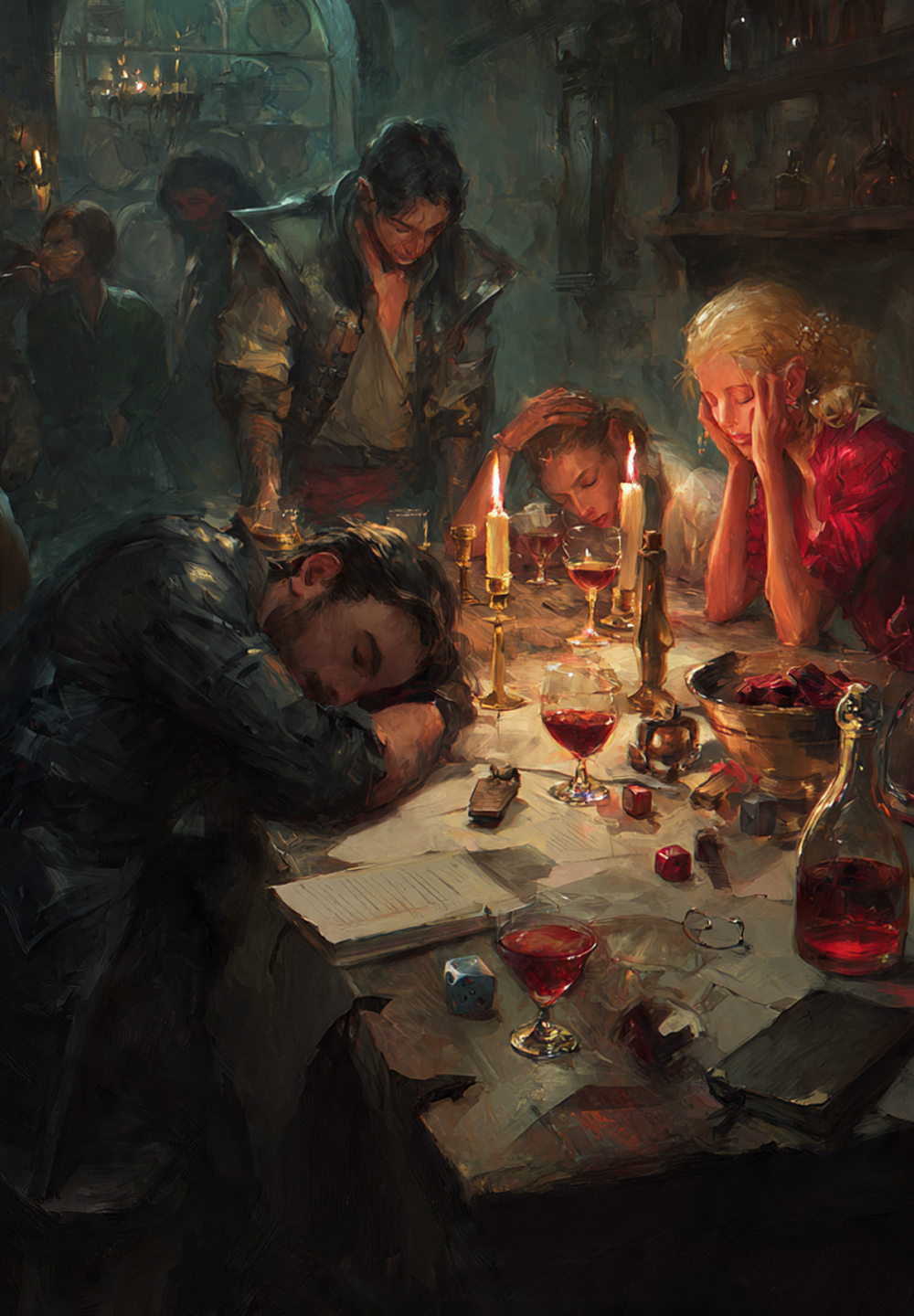
A Session 0 for an established group can easily turn into two hours of remembering old campaigns.
Someone mentions a previous character.
Another player recalls the time the fighter fell through a roof.
The group spends twenty minutes arguing about whether the goat was technically responsible for the fire.
These stories are enjoyable, but they can consume the time needed to prepare the new game.
Use the group’s history deliberately.
Ask:
“What worked especially well in our last campaign?”
“What became frustrating over time?”
“What habit should we keep?”
“What should we leave behind?”
The purpose is not to celebrate everything the group has done.
It is to identify which parts of the old table should be carried into the new one.
Begin With What Has Changed
Do not begin by asking what everyone already knows.
Begin by asking what is different.
Each player and the Game Master should answer:
Has your schedule changed?
Has your preferred session length changed?
Do you want more or less roleplay than before?
Do you want a more serious or relaxed tone?
Are there campaign themes you no longer enjoy?
Is there anything you want to try for the first time?
Is there anything from the previous campaign you do not want repeated?
This keeps the Session 0 focused on the present table rather than the table everyone remembers.
A longtime player may surprise the group by asking for shorter sessions.
Another may want to play a supporting character instead of leading every decision.
The Game Master may want players to pursue clearer objectives instead of waiting for the plot to arrive.
These changes are not betrayals of the group’s identity.
They are information.
Restate the Campaign Pitch Anyway
Do not shorten the campaign explanation because everyone trusts the Game Master.
Trust does not replace information.
Explain:
The genre
The premise
The tone
The expected level of danger
The campaign structure
The balance between combat, exploration, and roleplay
The kinds of characters that fit
The kinds of characters that may cause problems
An established group is especially vulnerable to carrying assumptions from one campaign into another.
If the previous game was a loose sandbox, players may expect complete freedom.
If the new campaign is a focused investigation, that expectation will create frustration.
If the old campaign allowed ridiculous characters, a player may arrive with another one even though the new game is intended to be serious.
The Game Master should say what is changing plainly:
“This campaign will be more structured than our last one.”
“I want character choices to have heavier consequences.”
“This game will contain less combat and more investigation.”
“I do not want party members stealing from one another this time.”
Clear change notices prevent players from treating a new campaign like a continuation of the old one.
Review the Administrative Rules
Longtime groups often keep administrative systems long after those systems have stopped working.
Perhaps the group used to play every Friday for five hours.
Now sessions start late, one player leaves early, and the Game Master prepares material that never gets used.
Do not preserve the schedule merely because it is traditional.
Review:
How often the group will play
When sessions begin and end
How attendance is confirmed
What happens when someone is absent
How many missing players trigger a cancellation
Whether another player controls an absent character
How much notice is expected for cancellations
How rules disputes are handled
Where campaign information is stored
Whether phones are acceptable during play
Ask whether the old system still serves the current group.
Established tables do not usually collapse because nobody knows the rules.
They collapse because everyone knows a different version of the rules.
The Old Habit Audit
Choose three recurring habits from previous campaigns.
For each one, ask:
Did this make the game better, worse, or merely familiar?
Examples might include:
Long planning discussions
Frequent side conversations
Players interrupting one another
The Game Master changing rules during play
Characters keeping secrets from the party
Players arriving without reviewing their abilities
Sessions starting thirty minutes late
One person making most group decisions
Campaign feedback only appearing after frustration builds
Do not protect a bad habit because it has become part of the group’s personality.
Familiar dysfunction is still dysfunction.
When discussion repeatedly prevents action, the GM may need the techniques in Players Keep Talking but Nothing Happens: 6 GM Habits That Turn Discussion Into Decisions.
Ask Whether Old Roles Still Apply
Established groups often develop informal roles.
One player becomes the leader.
One explains the rules.
One takes notes.
One organises the schedule.
One provides comic relief.
One waits for others to decide everything.
These roles can help the table, but they can also trap people.
The usual leader may want to play a quieter character.
The rules expert may be tired of correcting everyone.
The note-taker may want someone else to carry the responsibility.
The comedic player may want to be taken seriously.
Ask directly:
“Do you want to keep the role you usually play at our table?”
This is not only about character classes.
It is about social position.
A player who has always been the loudest person may not realise that others are ready to contribute more.
A player who has always been quiet may need the group to create room deliberately.
Do Not Let Friendship Replace Consent
Friends sometimes assume they can joke about anything because nobody has complained before.
That assumption should be reviewed.
Campaign subjects, humour, romance, horror, character conflict, and personal boundaries can feel different over time.
Ask:
“Is there anything we have used in previous campaigns that you would rather avoid now?”
Give people a way to answer privately.
A player may not want to announce a sensitive concern in front of friends, especially if the group is known for teasing.
The Game Master should also clarify that familiarity does not permit one player to control another player’s character, force unwanted roleplay, or dismiss discomfort as oversensitivity.
Strong friendships survive boundaries.
Weak campaign habits resist them.
The New Campaign Reset
Halfway through Session 0, pause and ask everyone to complete these statements:
In our previous games, we usually…
In this campaign, I hope we will…
One thing I want us to do differently is…
This creates a visible line between the old campaign and the new one.
It also gives quieter players a structured opportunity to request change without accusing anyone.
A player might say:
“In our previous games, we usually let one person make the final decision. In this campaign, I hope we check what everyone wants before committing.”
Another might say:
“We usually spend a long time planning. I want us to make faster decisions, even if they are imperfect.”
These are practical improvements, not complaints.
Build New Character Relationships
Players who already know one another may still create characters separately.
Do not assume real friendship will automatically produce strong party cohesion.
Every character should have:
A reason to join the campaign
A reason to remain with the party
A connection to at least one other character
Something useful to contribute
A boundary that will not constantly disrupt cooperation
Encourage players to create new dynamics instead of repeating old ones.
If two players always create argumentative rivals, ask them to try loyal siblings, former comrades, or reluctant mentor and student.
If one player always creates a mysterious loner, ask what would make this character trust the party earlier.
Players who need help connecting concept and mechanics can follow How to Build a D&D 5e Character Step by Step.
Challenge the Phrase “We Know Each Other”
The group may know one another socially but still avoid difficult table conversations.
Ask:
“When someone becomes frustrated, how do we usually find out?”
If the answer is sarcasm, silence, cancelled sessions, or complaints delivered through another player, the group needs a better repair system.
Agree that concerns should be raised directly and early.
A useful script is:
“I think this pattern is making the game harder for me to enjoy. Can we talk about changing it?”
That sentence addresses the behaviour without attacking the person.
Longtime groups sometimes tolerate passive aggression because everyone understands the hidden message.
Understanding it does not make it healthy.
Prepare for the Game Master’s Old Pressure Points
Established players already know what frustrates their Game Master.
That does not mean they have stopped doing it.
The GM should identify recurring pressure points before the campaign begins:
Players delaying every decision
Constant rules challenges
Late cancellations
Characters refusing the main adventure
Side conversations during important scenes
Players forgetting abilities
One player dominating the spotlight
Silence when the GM requests feedback
State what needs to change and why.
For example:
“In our last campaign, I often prepared important scenes that were interrupted by side conversations. This time, I need everyone to stay focused when another player has the spotlight.”
That is more useful than hoping people behave differently.
Game Masters dealing with repeated interruption should review The Spotlight Thief: Players Who Interrupt Every Big Moment Without Realizing It.
Write Down the New Agreements
Do not rely on the group’s shared memory.
Familiar groups are often confident that everyone remembers what was decided.
They do not.
Post a short campaign agreement containing:
The campaign premise
Tone and genre
Session schedule
Attendance policy
Rules-disagreement procedure
Character requirements
Table boundaries
Major changes from previous campaigns
How concerns should be raised
Keep it short enough that people will actually read it.
The purpose is not legal protection.
It is shared clarity.
Revisit the Agreement After Three Sessions
An established group may fall back into old habits as soon as play begins.
Schedule a short review after Session 3.
Ask:
“Does this campaign feel like the one we agreed to play?”
“Have any old habits returned?”
“Is anything creating more pressure than expected?”
“Do any agreements need to be adjusted?”
Do not wait until Session 12.
The earlier the group corrects drift, the less personal the conversation becomes.
Build the New Table, Not the Old One Again
A Session 0 for friends and longtime players should feel less like an introduction and more like a reset.
You already know the personalities.
You already know the jokes.
You already know who brings snacks and who forgets a pencil every bleeding week.
What you do not know is whether the group’s old assumptions still belong in the new campaign.
Discuss what has changed.
Explain the campaign clearly.
Review the administrative structure.
Challenge recurring habits.
Give people permission to leave old roles behind.
Then create characters for the game you are actually about to play.
That is how an established group avoids becoming trapped by its own history.
Learn more about the philosophy behind Mike’s Tavern, check the Tavern FAQ, or contact the Tavernkeeper when yer old table needs a new foundation.
Questions to Ask Before Session 1
What has changed since our previous campaign?
Are we assuming old rules still apply without discussing them?
Which table habits should we keep?
Which familiar habits have quietly become problems?
Does every player still want the social role they usually occupy?
Have I clearly explained how this campaign differs from the last one?
Are we preserving a schedule that no longer works?
Does every character fit this campaign rather than the campaign we played before?
How will we raise concerns before frustration becomes resentment?
Are we building a new campaign, or merely repeating the old table with different characters?
More Tavern Goodness For Ya!