Why the Best Campaigns Usually Begin With the Right Venue
A campaign does not truly begin when the first die rolls.
It begins when the group chooses where to gather.
That sounds simple, but any old adventurer with enough scar tissue knows the truth. The wrong venue can kill a campaign before the villain ever gets a proper monologue.
Too noisy. Too cramped. Too far away. Too expensive. Too awkward for new players. Too competitive for a relaxed story group. Too casual for players who want serious tactical focus.
A bad venue slowly turns every session into a fight against the room itself.
A good venue does the opposite.
It makes showing up easier. It makes staying focused easier. It helps players feel comfortable enough to return week after week. And for long-running tabletop campaigns, that comfort matters more than most folk realize.
A Good Venue Removes Friction Before the Game Starts
Every campaign has enough problems already.
Scheduling. Character expectations. Rules confusion. Party conflict. GM burnout. Players forgetting what happened last week even though it nearly killed them.
The venue should not become another enemy in the dungeon.
A strong gaming space gives the group fewer things to worry about. There is enough room. The seats are comfortable enough. The noise level fits the game. The staff understands tabletop players. The location is not a nightmare for everyone involved.
That is one reason the Tavern Network matters. Finding a suitable tabletop venue should not feel like wandering blind through a swamp while being mocked by frogs.
A better space gives the campaign a better chance.
Atmosphere Shapes the Story
Some campaigns need quiet.
Some need energy.
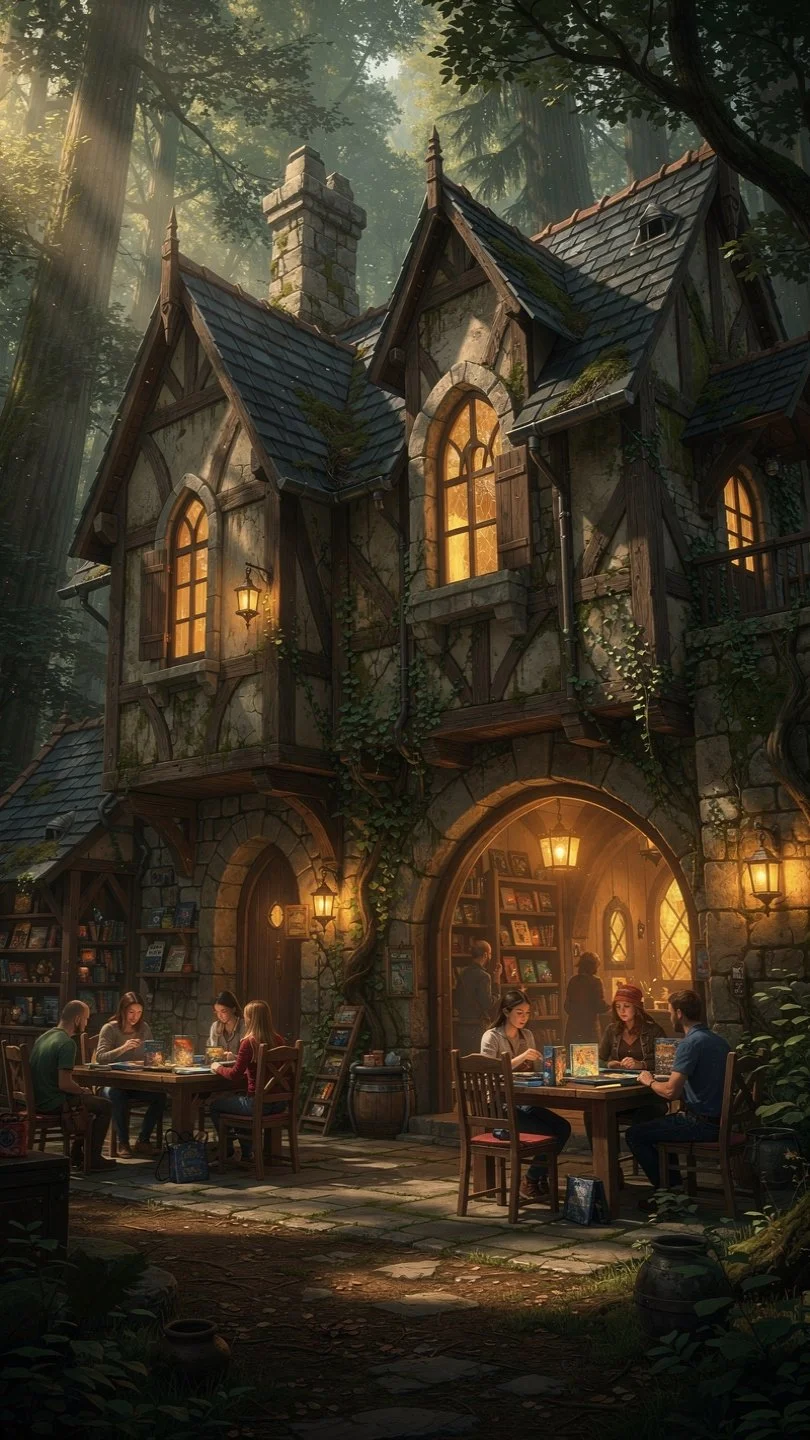
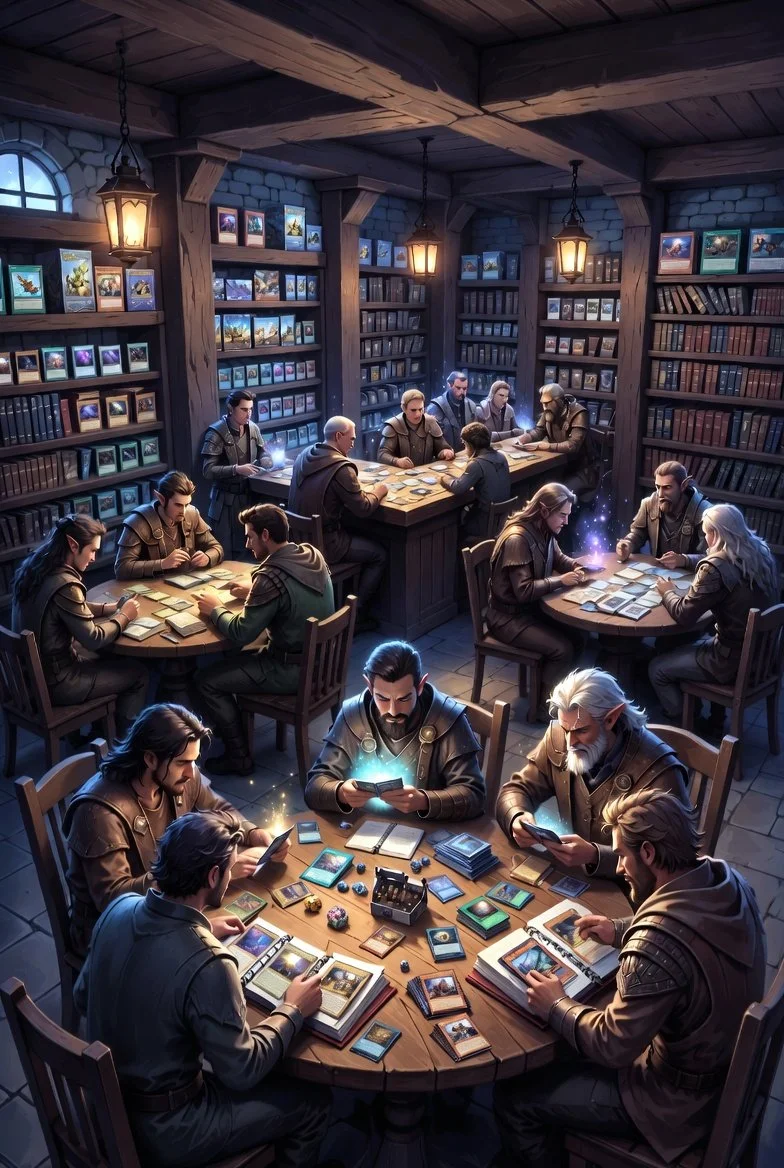
Some need a cozy café where new players feel safe asking basic questions. Others need a local game store with miniatures, cards, dice, shelves, and regulars who understand the rhythm of tabletop play.
There is no single perfect venue for every group.
A roleplay-heavy campaign may struggle in a loud competitive environment. A casual board game group may feel awkward in a venue built mostly around serious tournament play. A long campaign may survive better in a community hub where people can relax, talk, and settle in.
That is why Casual Community Hubs vs Competitive Play Venues is such an important question. The style of venue quietly shapes the style of campaign.
Pick the wrong room, and even good players start feeling worn down.
Pick the right one, and the table begins with a blessing instead of a burden.
Comfort Helps Players Come Back
Campaigns do not survive because everyone feels inspired once.
They survive because people keep returning.
Week after week.
Session after session.
A comfortable venue makes that return easier. Players are more willing to show up when the space feels welcoming, the travel is manageable, the table is usable, and the atmosphere fits the group.
That is where venues like ME Café & Games Singapore, Pixels & Pieces Singapore, and Meeples Games show why environment matters. These spaces are not just tables and chairs. They are places where players can imagine themselves staying awhile.
And that matters.
Because the best campaigns are not built on one perfect session.
They are built on many decent sessions that people were willing to attend.
The Right Venue Helps New Players Feel Welcome
New players are fragile in a way veteran adventurers sometimes forget.
They may be nervous. They may not know the rules. They may worry about sounding foolish. They may not understand the difference between a casual public table and a serious campaign group.
The venue can either soften that fear or sharpen it.
A welcoming gaming space helps new players relax. It gives them a sense that tabletop gaming is not some secret society guarded by smug wizards and dice-hoarding gremlins.
A harsh or chaotic space can do the opposite.
If the room is too loud, too crowded, or too socially intimidating, beginners may decide the hobby is not for them before they ever get a fair chance.
That is why How the Tavern Network helps players and GMs find better tables matters. Good discovery is not just about convenience. It is about helping the right people find the right kind of table before discouragement sets in.
A Venue Can Strengthen the Community Around the Campaign
A private home game can be wonderful.
But public venues offer something different.
They create surrounding community.
Players meet other players. GMs discover new groups. Beginners see experienced tables in action. Regulars become familiar faces. Staff may recommend games, products, events, or open tables. Over time, the venue becomes part of the campaign’s wider world.
That kind of community can keep players connected even when one campaign pauses or ends.
A strong venue does not just host a table.
It helps create the conditions for future tables.
That is the deeper value behind How the Tavern Network keeps growing into a better way to find tabletop venues, communities, and campaign spaces. The goal is not merely to point adventurers toward chairs. It is to help them find places where the hobby can grow roots.
GMs Should Choose Venues With Strategy
A GM choosing a venue should think like a campaign planner, not a tired dwarf grabbing the nearest stool.
What kind of story are ya running?
How loud can the space get before it ruins immersion?
Can players reach it reliably?
Is there food or drink nearby?
Will the staff welcome a long session?
Is the table big enough?
Will new players feel comfortable there?
Can the venue support the campaign for months, not just one night?
These questions may seem practical, but practical things decide whether campaigns survive. A brilliant story still suffers if players dread the location.
That is why What the Tavern Network can actually do before session one even begins is worth considering before the first gathering. Good preparation does not kill adventure. It protects it.
The Room Is Part of the Campaign
The best campaigns feel like they belong somewhere.
A corner table. A familiar café. A trusted local game store. A community room where everyone knows which seat they usually take. A venue where the staff recognizes the group and the players feel like the campaign has a home.
That feeling matters.
It turns sessions into routine.
Routine into tradition.
Tradition into memory.
A good venue will not save a broken group by itself. It will not fix bad communication, selfish players, or a GM who has been running on fumes for six months.
But it gives a good campaign stronger ground to stand on.
And sometimes that is the difference between a story that lasts three sessions and one that folk remember for years.
More Tavern Goodness For You!